Cheap Printed T-Shirts UK: Quality & Value Guide 2026
Discover how to source cheap printed t-shirts UK without compromising…
Custom shirt printing is experiencing unprecedented growth as we approach 2026, with new technologies and creative possibilities emerging every year. The sheer number of printing options and the rapid pace of change can leave even seasoned professionals uncertain about the best way to print shirts for their needs.
This essential guide is designed to cut through the confusion and give entrepreneurs, designers, and hobbyists a clear roadmap. You will find an up-to-date overview of shirt printing technologies, a step-by-step decision guide, cost and quality comparisons, sustainability trends, and a look at future innovations. Whether you are launching a brand or perfecting your craft, you will be equipped to make informed, confident choices.
The best way to print shirts has transformed dramatically as new technologies have emerged and matured. In 2026, the industry is defined by innovation, efficiency, and a commitment to quality. Understanding the landscape is essential for anyone looking to choose the best way to print shirts for their business or creative project.
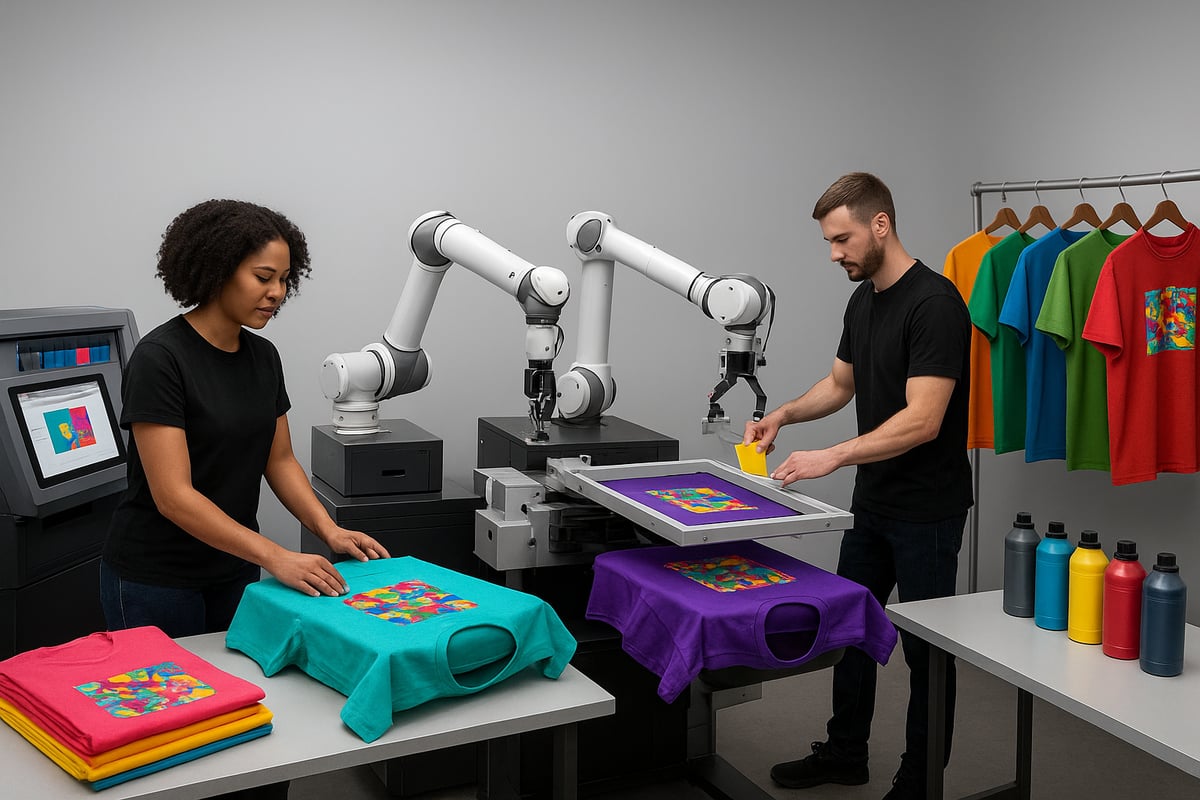
Over the past decade, the best way to print shirts has moved from labour intensive manual methods to streamlined digital and hybrid solutions. Traditional screen printing, once the industry standard, is now complemented by digital techniques that offer greater flexibility and speed. The industry has seen a surge in automation, with AI-driven systems managing colour correction, layout, and even predictive maintenance.
Digital printing technologies have made small batch production more accessible, while hybrid setups combine the strengths of multiple processes. Automation has reduced error rates and improved consistency, making the best way to print shirts more efficient for both large brands and small businesses.
In 2026, several printing techniques stand out as the best way to print shirts depending on specific needs. Screen printing remains popular for bulk orders, now leveraging eco-friendly inks and automated presses. Direct-to-Garment (DTG) printing offers unmatched colour accuracy and is seamlessly integrated with online customisation platforms, making it ideal for on-demand production.
Dye sublimation has expanded its reach, enabling all-over prints on synthetic blends. Direct-to-Film (DTF) is rapidly gaining traction for its versatility and vibrant results on varied fabrics. Heat transfer and vinyl methods cater to niche markets, adding specialty effects like metallic or glow-in-the-dark finishes. Embroidery, enhanced by digital precision, is often combined with printing for unique hybrid designs. Each of these methods plays a critical role in the evolving landscape of the best way to print shirts.
When selecting the best way to print shirts, several factors come into play. Print durability, colour vibrancy, and fabric compatibility are essential to ensure lasting results. Production speed can make or break tight deadlines, while cost-effectiveness varies greatly between small runs and bulk orders. Some methods, like DTG, excel with natural fibres, while dye sublimation is suited to synthetics.
Customisation options and the ability to support on-demand business models are increasingly important. For a detailed, step-by-step approach to choosing the right technology, you may find the Choosing Your T-Shirt Printing Technology guide especially helpful. By weighing these considerations, you can confidently select the best way to print shirts for your unique requirements.
Industry trends confirm that the best way to print shirts is often determined by specific business models and market demands. Competitor insights reveal that DTG and screen printing continue to dominate for new brands, thanks to their adaptability and scalability. According to market analysis, DTG holds a significant share in the custom apparel segment, while DTF adoption has surged by over 30 percent since 2021.
Screen printing remains the preferred choice for large orders, valued for its low per-unit cost and durability. Meanwhile, digital techniques are favoured for short runs and intricate designs. Sustainability trends are also shaping the market, with eco-friendly materials and water-based inks gaining traction as a key factor in determining the best way to print shirts for both producers and consumers.
Choosing the best way to print shirts in 2026 requires a clear understanding of your goals, resources, and the latest technologies. With so many options available, making the right choice can transform your business or creative project. This guide breaks down each step to help you confidently navigate the decision process.
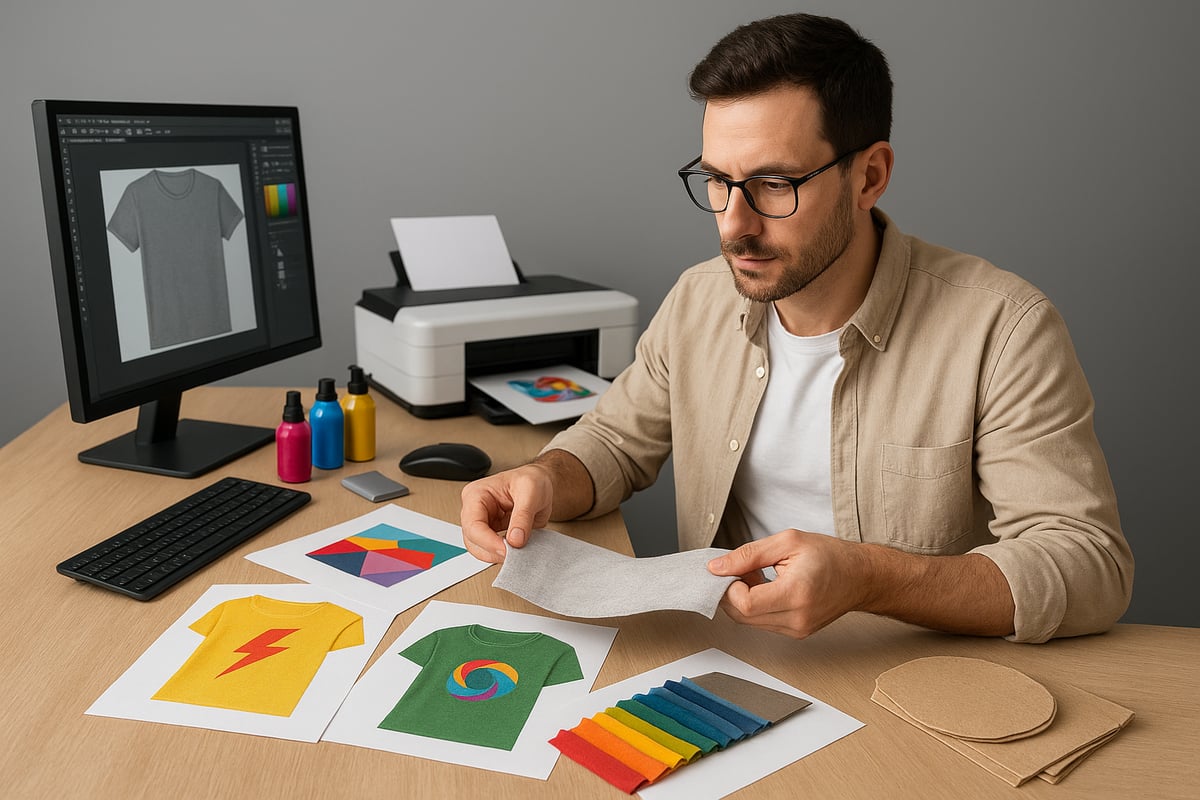
Start by clarifying the purpose behind your custom shirts. Are you launching a fashion label, outfitting a team, or creating promotional merchandise? The intended use shapes the best way to print shirts for your needs.
Consider these factors:
By identifying your goals, you can quickly narrow down which printing methods align with your vision and budget.
Fabric selection is critical when determining the best way to print shirts. Different methods excel on specific materials.
Match your fabric choice to your preferred printing method. This ensures both quality and longevity for your finished shirts.
Print quality and durability are key to customer satisfaction. The best way to print shirts balances colour accuracy, wash resistance, and tactile feel.
For a detailed breakdown of leading techniques, see this Screen Printing vs. DTG vs. Embroidery comparison, which covers strengths and limitations for each process.
Evaluate how each method performs after multiple washes and how the print feels to the touch. This will help you select the best way to print shirts that meets your standards.
Understanding the financial and time investment is essential. The best way to print shirts for your project will depend on:
| Method | Setup Cost | Per-Unit Cost | Turnaround |
|---|---|---|---|
| Screen Printing | High | Low (bulk) | Fast (bulk) |
| DTG | Low | Moderate | Fast (small) |
| DTF | Medium | Moderate | Fast |
| Sublimation | Low | Low | Medium |
| Heat Transfer | Low | High (small) | Medium |
Screen printing is cost-effective for large runs, while DTG and DTF are suited to short runs and on-demand orders. Always factor in set-up fees, material costs, and labour.
Think about your growth plans. The best way to print shirts should support both your current and future needs.
Choose a method that matches your technical skills and business ambitions.
Sustainability has become a priority in 2026. The best way to print shirts for eco-conscious brands includes:
Evaluate supplier certifications and look for processes that reduce waste. This not only benefits the planet but can also boost your brand reputation.
Bring your findings together using a decision matrix:
| Criteria | Screen Printing | DTG | DTF | Sublimation | Heat Transfer |
|---|---|---|---|---|---|
| Small Runs | ✗ | ✔ | ✔ | ✔ | ✔ |
| Bulk Orders | ✔ | ✗ | ✔ | ✗ | ✗ |
| Fabric Variety | ✔ | ✔ | ✔ | ✗ | ✔ |
| Eco-Friendly | ✔ | ✔ | ✔ | ✔ | ✔ |
| Detail/Colours | ✔ | ✔ | ✔ | ✔ | ✗ |
Tick the boxes that fit your priorities. The best way to print shirts will depend on your unique mix of requirements.
By following these steps, you can confidently select a printing method that delivers the quality, efficiency, and impact you need in 2026.
Choosing the best way to print shirts in 2026 means weighing cost, quality, and efficiency for every project. With technology advancing rapidly, understanding the strengths and trade-offs of each method is more crucial than ever. Below, we break down how today’s leading techniques stack up, so you can make confident, data-driven decisions.
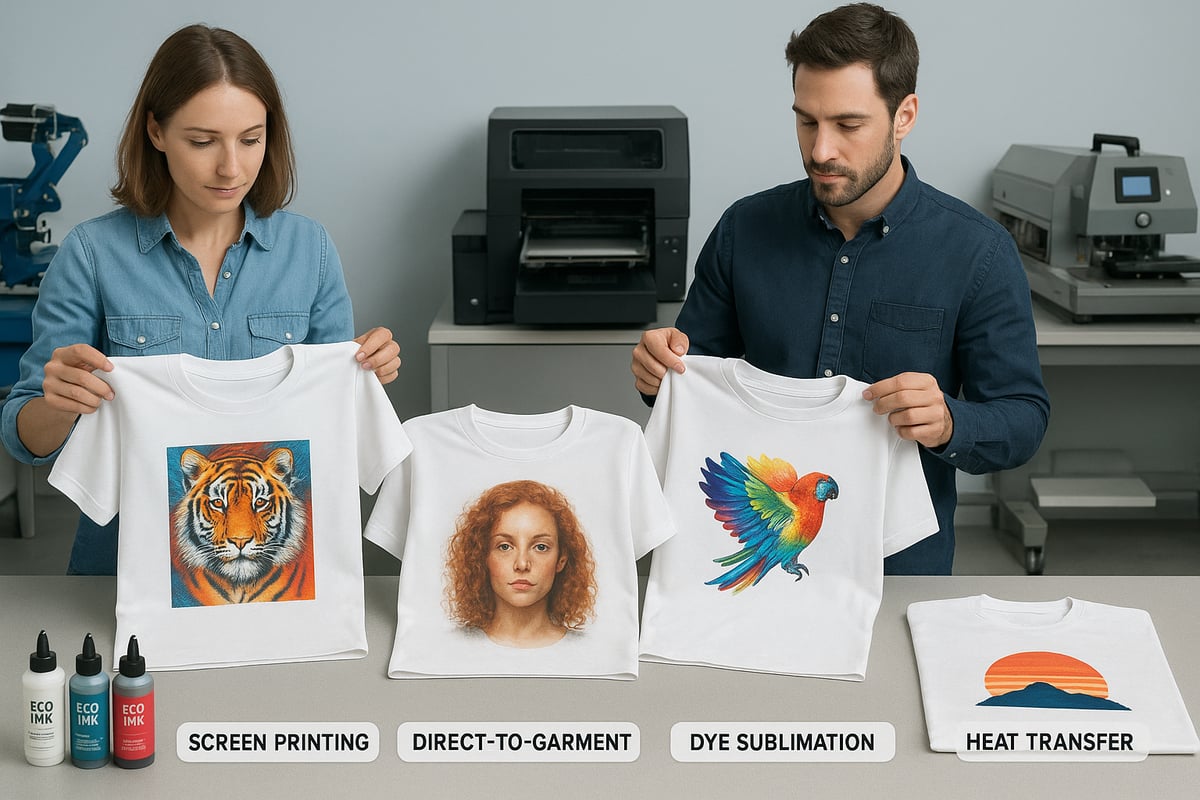
When it comes to the best way to print shirts, screen printing, direct-to-garment (DTG), and direct-to-film (DTF) remain at the forefront. Each offers unique benefits:
| Method | Cost (Per Unit) | Setup Fees | Min. Order | Print Quality | Efficiency |
|---|---|---|---|---|---|
| Screen Printing | Low (bulk) | High | 20+ | Bold, durable | Best for bulk |
| DTG | Medium | Low | 1 | Detailed, vibrant | Best for small |
| DTF | Medium-Low | Low | 1 | Vibrant, flexible | Fast, versatile |
Screen printing delivers unbeatable value for large runs, thanks to its low per-unit cost and robust inks. DTG stands out for intricate, colourful designs, excelling with small batches or custom orders. DTF is rapidly gaining ground, offering a flexible solution for both cotton and blends, with vibrant results and minimal setup.
Customer satisfaction with DTG printing has soared in recent years, as outlined in Customer Satisfaction on DTG Printing, highlighting its appeal for businesses seeking detail and consistency.
Dye sublimation and heat transfer both play vital roles in the best way to print shirts, especially for specialty projects. Dye sublimation is unmatched for all-over prints and works brilliantly on polyester and synthetic blends. The process creates ultra-soft, vibrant images that become part of the fabric, offering excellent wash resistance.
Heat transfer, including vinyl, is ideal for small runs, personalisation, and effects like metallics or glow-in-the-dark. While not as durable as sublimation or screen printing, it remains a practical choice for event shirts or limited-edition designs.
For intricate artwork on synthetic garments, dye sublimation is the clear winner. For unique finishes or one-off designs, heat transfer provides flexibility without significant investment.
Consider a startup launching 50 custom shirts. The best way to print shirts here is often DTG or DTF, due to low setup costs and the ability to print on demand. These methods enable rapid prototyping and easy online integration, making them ideal for testing new designs.
For a corporate client ordering 500 branded polos, screen printing provides the most cost-effective solution. Its speed and durability ensure consistent results across large quantities. Dye sublimation suits sports teams needing vibrant, all-over prints, while heat transfer works well for local clubs seeking custom names or numbers.
Market trends show that new brands frequently turn to DTG for flexibility, whereas established businesses leverage screen printing for scale. There is no single best way to print shirts, but matching your method to your business needs is essential for long-term success.
Industry data confirms that screen printing and DTG continue to dominate market share, with DTF adoption rising sharply since 2021. Average per-unit costs have decreased for digital methods, narrowing the gap with traditional techniques.
Production times are now faster than ever. DTG and DTF can fulfil small orders within 24 hours, while screen printing shines for large projects, often completing 1,000 shirts in a day. Customer satisfaction scores remain highest for DTG and DTF, thanks to their detail and colour accuracy.
Ultimately, the best way to print shirts in 2026 depends on your print volume, fabric choice, and desired finish. Reviewing market data and real-world feedback will help you select the right technology for your goals.
Eco-friendly practices have become essential in identifying the best way to print shirts, with a strong industry focus on environmental responsibility. Water-based, biodegradable, and non-toxic inks now dominate the market, reducing harmful emissions and improving worker safety. Organic cotton and recycled polyester are increasingly popular, providing sustainable garment options for both large and small print runs. Many brands are exploring plant-based inks and compostable packaging, further cementing their commitment to ethical production. For a deeper exploration of these trends, see the Rise of Sustainable Custom T-Shirt Printing.
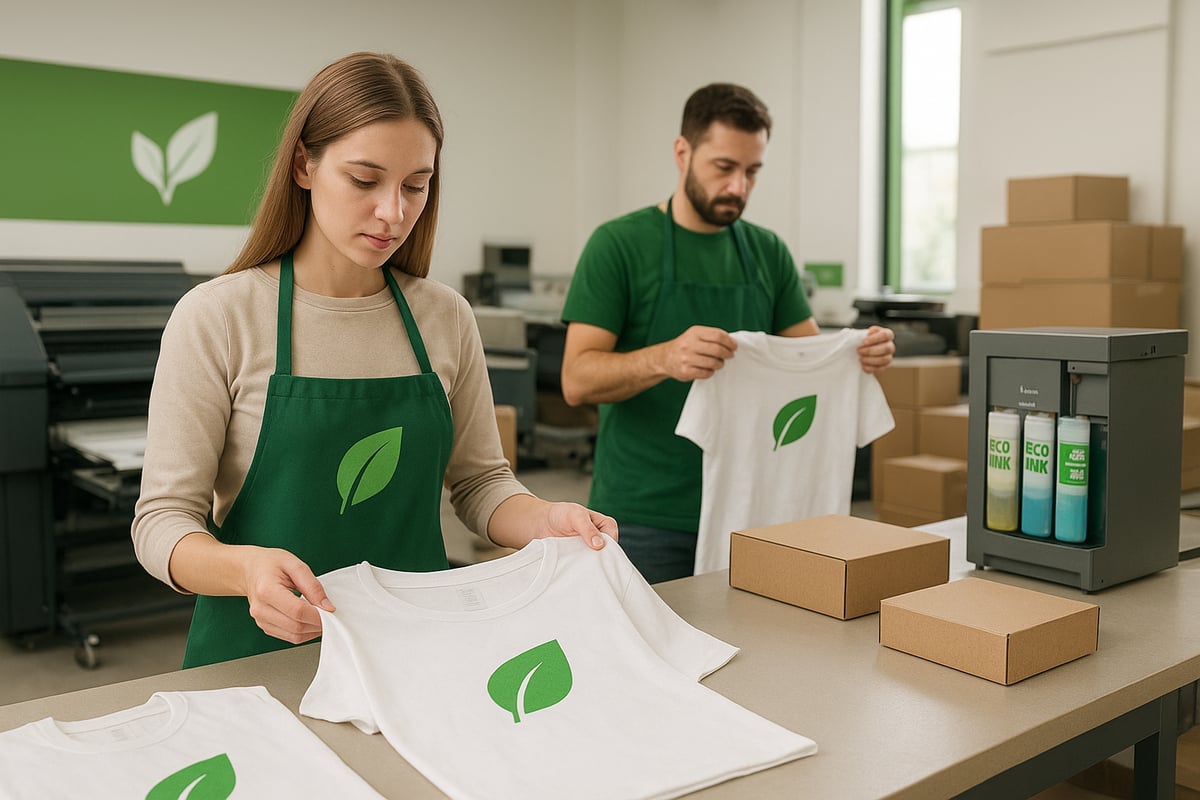
Modern printing equipment has evolved, with energy-efficient machines and closed-loop water systems significantly reducing resource consumption. Digital printing, in particular, supports the best way to print shirts by minimising overproduction and waste, as it enables precise, on-demand manufacturing. Automated workflow solutions help track resource usage and optimise each stage of production, while innovative curing technologies lower energy bills. These advances not only cut operational costs but also help businesses meet stricter environmental regulations, ensuring their processes stay ahead of industry expectations.
Certifications play a key role in verifying sustainable practices and ensuring the best way to print shirts aligns with global ethical standards. Leading certifications include:
Brands should always request certification documents from suppliers and regularly audit production partners. These standards guarantee that inks, fabrics, and processes meet strict environmental and social criteria, giving both businesses and consumers confidence in their choices.
Demand for sustainable apparel is at an all-time high, making ethical production the best way to print shirts for forward-thinking brands. Recent industry surveys show that over 70 percent of consumers prefer to buy from companies with transparent, eco-friendly practices. Brands that invest in green initiatives often see increased loyalty and market share.
Challenges remain, such as higher upfront costs for organic materials and certified inks, but many businesses find these are offset by long-term savings and customer retention. Print-on-demand models are also helping to reduce waste, aligning profitability with environmental responsibility.
The pace of innovation in custom apparel is accelerating, and the best way to print shirts in 2026 is rapidly evolving. Keeping up with these advancements can be a challenge, but understanding what’s on the horizon will help you stay ahead of the curve. Let’s explore the ground-breaking developments shaping the industry’s future.
AI has transformed the best way to print shirts, making processes smarter and more efficient. Today, intelligent algorithms handle everything from automated design placement to precise colour matching. Robotics streamline production, reducing errors and speeding up fulfilment for both small and large orders.
Smart factories now use machine learning to predict maintenance needs and optimise print runs. Automated order processing connects directly with e-commerce platforms, making on-demand production seamless. For entrepreneurs, embracing these tools is key to staying competitive and delivering high-quality custom apparel.
The best way to print shirts in 2026 goes far beyond ink and fabric. Interactive garments are emerging, integrating printable electronics, NFC tags, and even augmented reality features. These innovations create new marketing opportunities and enhanced customer engagement.
Imagine a shirt that unlocks exclusive digital content or personalises event experiences via a simple smartphone tap. Brands are experimenting with these technologies to stand out in crowded markets. As customer expectations shift, integrating interactivity could soon become standard practice for successful shirt printing businesses.
On-demand production is redefining the best way to print shirts. Micro-factories and distributed manufacturing hubs are rising, allowing brands to respond quickly to trends and reduce excess inventory. This shift minimises shipping distances and environmental impact, aligning with consumer demand for speed and sustainability.
Localised manufacturing also supports personalisation at scale. Customers can order unique designs with rapid turnaround, while businesses benefit from lower overheads and improved agility. The future of shirt printing is flexible, responsive, and closer to the customer than ever before.
Breakthroughs in materials science are reshaping the best way to print shirts. New printable fabrics, sustainable fibres, and advanced ink formulations deliver superior durability and eco-friendliness. Water-based and biodegradable inks are now mainstream, supporting brands’ sustainability goals.
Manufacturers are also exploring recycled textiles and closed-loop production systems. These innovations not only meet regulatory requirements but also address growing consumer interest in ethical fashion. For a deeper look at how eco-friendly practices are shaping the industry, see Sustainable Printing Practices in Apparel.
Looking ahead, the custom shirt printing sector is set for robust growth. Consumers are demanding more personalisation, faster delivery, and greener products. Technologies like AI, smart textiles, and on-demand production will continue to shape the best way to print shirts.
Businesses that invest in automation and sustainable practices will be well-positioned to thrive. According to the Custom T-Shirt Printing Market Analysis, the industry is expected to expand significantly by 2031, driven by innovation and shifting consumer values. Staying agile and embracing these trends is essential for future-proofing your shirt printing operation.
Success in the competitive world of custom apparel depends on more than the right equipment. To truly master the best way to print shirts in 2026, you need a blend of technical skill, workflow efficiency, and strategic brand-building. Use these expert tips and resources to elevate your results and stay ahead of the curve.
Achieving professional results starts with design. The best way to print shirts is to optimise your artwork for the chosen print method. Always use high-resolution files (at least 300 DPI) and convert colours to the correct profile for your printer.
Common pitfalls include using low-contrast artwork, ignoring safe print areas, or submitting designs with transparency issues. Consider this table for quick troubleshooting:
| Pitfall | Solution |
|---|---|
| Low resolution | Always export at 300 DPI |
| Incorrect colour profile | Match to printer requirements |
| Overly fine details | Simplify for screen or DTF printing |
Stay updated on evolving print technologies. For example, if you are considering Direct-to-Film Printing Overview, review the unique requirements for film-based artwork.
Efficiency is critical in finding the best way to print shirts at scale. Automate order management with software that integrates directly with your e-commerce platform, reducing manual input and minimising errors.
Modern DTF and DTG systems often offer direct integration with online stores, allowing real-time updates and quick turnaround. Evaluate your workflow regularly to identify bottlenecks and opportunities for automation.
Consistency is the foundation of the best way to print shirts. Set up a quality control checklist for every order, inspecting for colour accuracy, print alignment, and garment defects.
Prompt handling of returns or reprints builds trust. Encourage customers to share reviews and photos, using this feedback to refine your process further.
Branding is inseparable from the best way to print shirts. Use custom-printed garments for promotional campaigns, events, or influencer partnerships to boost visibility.
Case studies show that brands using unique, high-quality prints often see increased engagement and loyalty. Focus on telling your brand story through every shirt you print.
Continued education is key to staying on top of the best way to print shirts. Explore industry blogs, attend trade shows, and enrol in courses covering new techniques and sustainable practices.
FAQs
Q: What is the minimum order for most print methods?
A: DTG and DTF allow single-shirt orders, while screen printing often requires 20 or more.
Q: How long do prints last?
A: With proper care, prints from modern methods can last 50+ washes.
Q: Are there design restrictions?
A: Each print method has limitations, so consult your supplier for artwork guidelines.
Stay curious, test new methods, and you will always be ready to find the best way to print shirts.

OK T-Shirt
126 Beeches Rd
Birmingham
B42 2HQ
