Cheap Printed T-Shirts UK: Quality & Value Guide 2026
Discover how to source cheap printed t-shirts UK without compromising…
Bulk screen print shirts are rapidly becoming the top choice for promotional apparel and teamwear as we move into 2025. Are you prepared to take advantage of the latest trends, quality improvements, and cost-saving opportunities?
This comprehensive guide offers expert insights and step-by-step advice to help you streamline your bulk screen print shirt orders. You will discover the essentials of the process, how to optimise your designs, effective budgeting strategies, and the latest eco-friendly innovations.
Whether you are managing a corporate event, outfitting a sports team, or planning a large campaign, this resource is designed to equip you with practical, future-proof knowledge for success.
Bulk screen print shirts are a cornerstone of custom apparel, offering a proven method for producing large quantities of vibrant, durable garments. Understanding how this process works, its main advantages, and its limitations will help you make informed decisions for your next order.
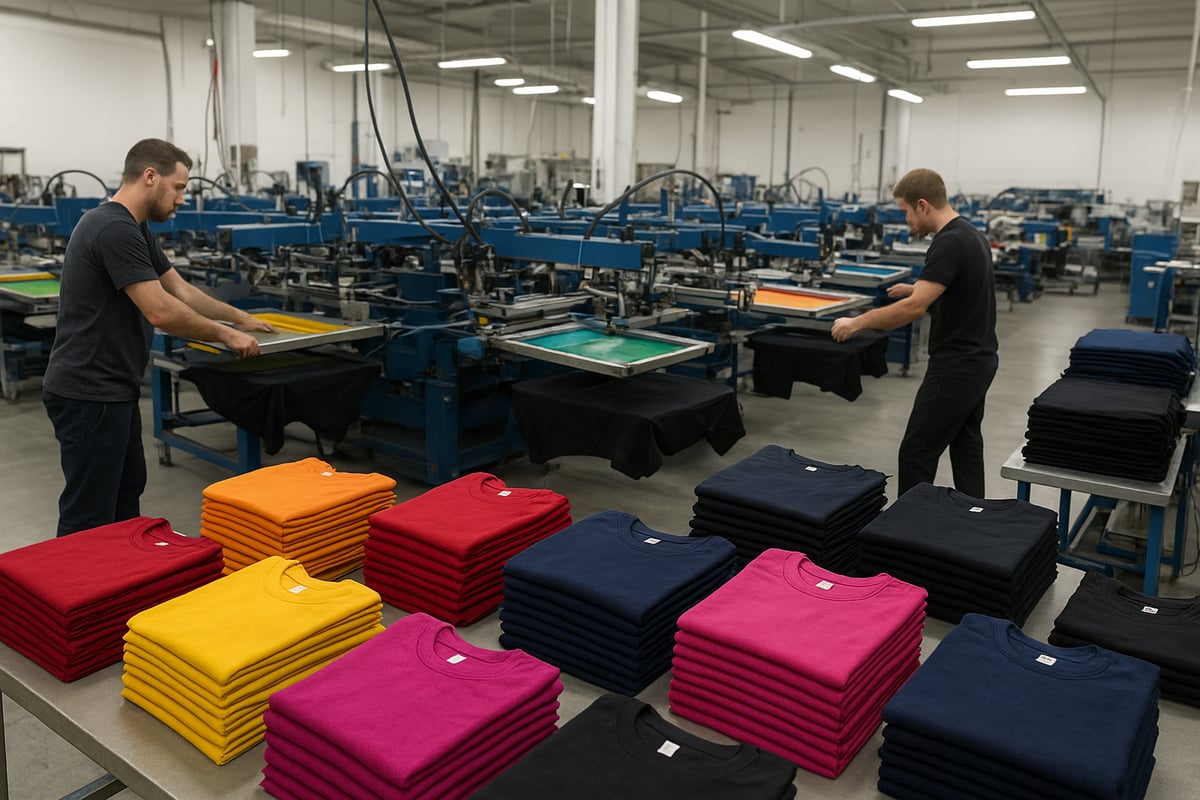
Bulk screen print shirts are created using a time-tested process that forces ink through a mesh stencil (screen) onto fabric. This method differs from digital printing and embroidery, as it excels at producing sharp, bold designs in high volumes. Typically, orders of 25–50 shirts or more are considered "bulk."
Common shirt styles include crew necks, v-necks, and performance tees in cotton, polyester, or blended fabrics. Key terminology includes screens (the stencils used), spot colour (solid ink colours), and flash curing (drying between colours). For more on how screen printing compares to other techniques, see Best t-shirt printing methods.
A classic example is supplying promotional t-shirts for large events or company staff uniforms, where consistency and volume are essential.
Bulk screen print shirts deliver exceptional cost-effectiveness when ordering large quantities. As the number of shirts increases, the cost per unit drops significantly, thanks to economies of scale. The prints are highly durable, withstanding repeated washes without fading or cracking.
Vibrant, opaque colours make this technique ideal for bold logos and branding. The method is also versatile, accommodating various garment types and print placements. Production is fast for repeat or simple designs.
| Benefit | Description |
|---|---|
| Cost Savings | Lower per-shirt cost in bulk |
| Durability | Long-lasting, wash-resistant prints |
| Vibrant Colours | Bright, solid ink coverage |
| Versatility | Works on many garment types |
Schools, charities, and businesses often rely on bulk screen print shirts to boost their brand presence and unify teams.
While bulk screen print shirts are ideal for many projects, there are some important limitations. Initial set-up costs and minimum order requirements (usually 25–50 pieces) apply, making it less suitable for very small runs.
Screen printing is not recommended for highly detailed, photographic images, as the process is best with 6–8 spot colours per design. Traditional inks can have environmental impacts, although eco-friendlier alternatives are emerging.
Complex jobs may have longer lead times, especially with multiple print locations or colours.
Key considerations include:
Bulk screen print shirts are an excellent choice for events, uniforms, promotions, and retail stock. For simple, bold designs and larger groups, screen printing outperforms digital/direct-to-garment (DTG) and embroidery in both cost and speed.
Consider your budget, the complexity of your artwork, and the garment type. For corporate away days, bulk screen print shirts offer uniformity and savings, while small club orders with intricate designs may benefit from alternative methods.
Evaluating your needs will help ensure screen printing is the right fit for your next bulk order.
Ordering bulk screen print shirts in 2025 is a streamlined process when you follow a clear set of steps. Whether you are organising a major event or updating staff uniforms, a methodical approach ensures you achieve excellent results, stay within budget, and avoid unnecessary delays.

Begin by clarifying the reason for your bulk screen print shirts order. Are you promoting a campaign, outfitting a sports team, or planning a corporate event? Define the group size, then break down shirt quantities by size and style.
Consider future needs such as reorders or extras for late additions. For example, when planning shirts for a school leavers’ event, list all year groups and sizes. This early planning minimises wastage and ensures everyone receives the right fit.
A table can help:
| Size | Quantity |
|---|---|
| S | 20 |
| M | 35 |
| L | 30 |
| XL | 15 |
Review your purpose and numbers before moving to the next step.
Selecting the correct shirt type is crucial for your bulk screen print shirts project. Cotton offers softness and a classic feel, while polyester and blends provide moisture wicking and durability. Eco-fabrics like organic cotton or recycled polyester are increasingly popular for sustainable campaigns.
Consider the intended use: crew necks for events, v-necks for retail, or long sleeves for outdoor activities. Ensure you include inclusive sizing options for men, women, unisex, and children.
For example, sports teams often choose performance tees for breathability. Always match fabric choice to your event’s needs and desired print quality.
Artwork preparation directly affects the final quality of your bulk screen print shirts. Aim for vector files (AI, EPS, or PDF) for crisp lines, or high-resolution (300dpi) raster images if vectors are unavailable.
Separate colours clearly, as each will require its own screen. Keep designs within standard print areas and allow for bleed. Simpler, bolder graphics with fewer colours often produce the most vibrant results.
For instance, adjusting a logo for a clear chest print ensures brand visibility and professional appearance. Always consult your supplier’s artwork guidelines before submitting files.
Gathering accurate quotes is essential for bulk screen print shirts orders. Provide suppliers with quantity, garment details, print locations, and colour counts. Compare their capabilities, turnaround times, and previous customer reviews.
Ask about price breaks for larger orders and clarify all charges upfront. The process is easier when you use resources like Affordable custom shirts in bulk to benchmark costs and supplier options.
Create a shortlist based on specialisation, reputation, and value, ensuring your order will be delivered on time and to standard.
Before production starts, review digital or physical proofs of your bulk screen print shirts. Double check colours, placement, and finish. Pantone matching ensures consistency with your brand colours.
Approve a pre-production sample if available, and stay in regular contact with your supplier to monitor progress. Standard production timelines for bulk orders are typically two to three weeks.
Implement quality control by checking samples before full production begins. This step is vital for large corporate orders or time-sensitive events, as it prevents costly errors and ensures satisfaction.
Creating standout bulk screen print shirts is both an art and a science. Design choices can make or break the impact of your shirts, whether for branding, events, or retail. In this section, you will find expert guidance to help your shirts look professional, vibrant, and timeless.
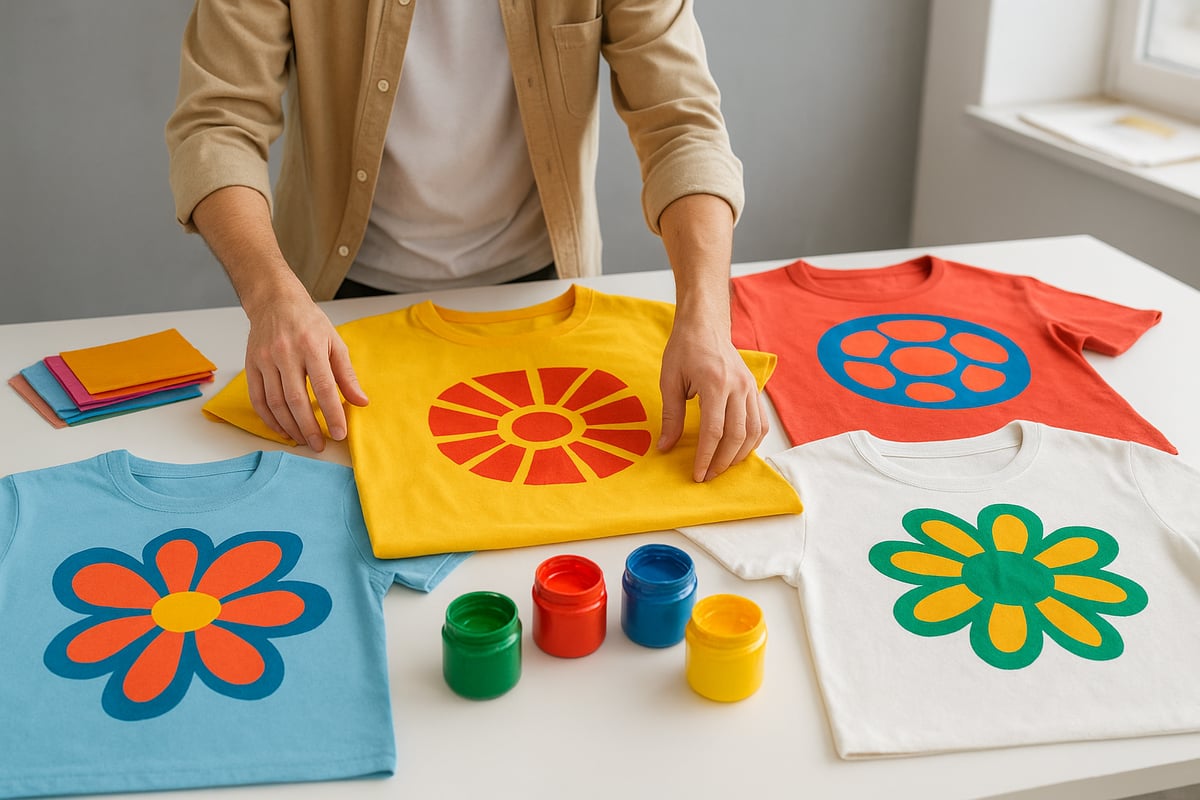
Selecting the right colours and inks is essential for bulk screen print shirts that truly stand out. Use the Pantone Matching System for precise brand consistency, ensuring your logo or message looks the same on every shirt.
Opt for high-contrast combinations, such as white ink on navy or black shirts, to maximise visibility at events. Specialty inks like metallic, neon, or puff can add a unique touch, while eco-friendly water-based inks are increasingly popular.
For high-visibility needs, such as charity runs or staff uniforms, a bold colour palette ensures your bulk screen print shirts capture attention and deliver your message effectively.
Proper layout and placement can elevate the quality of bulk screen print shirts. Standard print areas include the chest, back, and sleeves, with each location offering unique branding opportunities.
Designs should be sized appropriately for different shirt sizes, maintaining balance and avoiding awkward placement near seams or pockets. For multi-location prints, such as sports kits, ensure each element is clearly defined and legible from a distance.
A well-planned layout guarantees that your bulk screen print shirts look professional on every body type and in every context.
Efficiency is crucial when producing bulk screen print shirts. Simplifying your design by reducing the number of colours lowers costs and speeds up production. Avoid intricate details that may blur or become lost during the screen printing process.
Bold fonts and clear graphics work best, ensuring your message is readable from afar. For example, streamlining a club logo can help maintain clarity when printed in bulk.
By keeping designs simple, you maximise impact and consistency across all bulk screen print shirts in your order.
Staying ahead of trends ensures your bulk screen print shirts feel fresh and relevant. In 2025, retro and minimalist styles are gaining traction, along with eco-themed graphics that reflect growing sustainability concerns.
Interactive elements, such as QR codes, are being integrated for enhanced engagement at events. There is also increased demand for recycled and sustainable materials as highlighted by emerging screen printing technologies for 2025.
Embrace these trends to ensure your bulk screen print shirts appeal to modern audiences and support your brand values.
Avoiding common pitfalls is vital when designing bulk screen print shirts. Low-resolution artwork can lead to pixelation, while overly complex layouts may confuse viewers.
Poor colour contrast reduces readability, especially from a distance, and failing to account for shirt shrinkage or movement can distort your design after washing. Always request a sample before final production to catch any issues in advance.
By steering clear of these mistakes, your bulk screen print shirts will consistently deliver high-quality results for every project.
Saving money on bulk screen print shirts begins with understanding where the biggest opportunities lie. Whether you are ordering for a business, school, or event, smart budgeting and strategic planning can help you maximise value without sacrificing quality. Let us explore the key strategies every buyer should know.
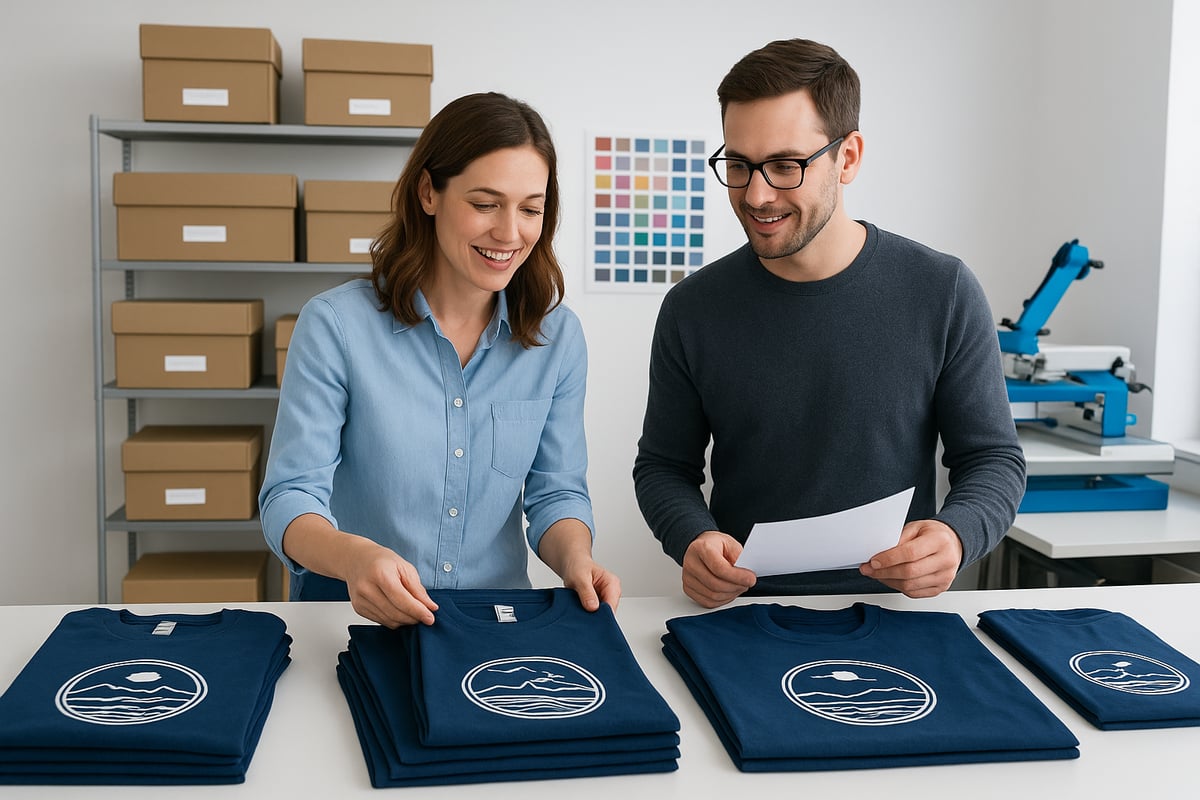
One of the main advantages of ordering bulk screen print shirts is the dramatic decrease in per-unit cost as your quantity increases. Most suppliers offer price breaks at key order volumes, such as 25, 50, 100, and 250 units. This means that ordering a higher quantity can significantly lower your total spend per shirt.
For example, ordering 50 shirts might cost £7 each, while 200 could drop to £4.50 per shirt. It is crucial to compare these breaks before placing your order. If you want to compare printing technologies and ensure you are choosing the most cost-effective method, this Guide to choosing t-shirt printing technology can help you make an informed decision for your bulk screen print shirts project.
You can optimise your bulk screen print shirts order by making strategic choices. Limiting the number of print colours and locations is one of the most effective ways to lower costs. Opt for standard shirt colours rather than custom-dyed options, as these are usually less expensive and readily available.
Choosing classic fits and popular sizes also prevents added costs from special orders. For large fundraisers, a single-colour print can still deliver strong impact while keeping expenses low. Always prioritise clarity and boldness in your design to ensure high-quality results at a lower cost.
When budgeting for bulk screen print shirts, it is important to account for hidden costs that can affect your final invoice. Common additional fees include screen set-up charges, rush order surcharges, and sample or proofing costs. Do not forget to factor in shipping and VAT, especially for UK-based orders.
To avoid surprises, request a full breakdown from your supplier and confirm all costs in writing. For example, schools often underestimate the total cost by overlooking delivery charges or set-up fees. A clear checklist and transparent communication will help you stay within budget.
Effective budgeting for bulk screen print shirts starts with early planning and accurate forecasting. Schedule your order well ahead of your event or campaign to avoid rush fees and shipping delays. Coordinate with your team to confirm quantities, sizing, and design approvals in advance.
Allocate a portion of your budget for extras and replacements, as last-minute additions tend to be more expensive. For annual uniform refreshes, set a timeline that allows for supplier lead times, proofing, and any necessary adjustments. Smart timing not only saves money but also ensures a stress-free experience from start to finish.
Sustainability is set to be a defining factor in the future of bulk screen print shirts. As awareness of environmental impact rises, brands and organisations are prioritising ethical choices when sourcing and customising apparel. From eco-friendly materials to transparent supply chains, here is how to ensure your bulk screen print shirts meet the standards of 2025 and beyond.
Selecting sustainable garments for bulk screen print shirts has never been easier. Organic cotton, recycled polyester, and bamboo are now widely available, offering both comfort and a reduced environmental footprint. Many suppliers now provide water-based or phthalate-free inks, which are safer for workers and have less impact on the planet.
Look for certifications such as GOTS and OEKO-TEX to verify your fabric's sustainability. For a deeper dive into these innovations, see the Rise of sustainable custom t-shirt printing. For example, a green initiative may choose shirts made from recycled materials and print with water-based inks to align with eco goals.
When ordering bulk screen print shirts, it is important to choose suppliers committed to ethical manufacturing. Transparent supply chains ensure fair labour practices and responsible sourcing, supporting both people and the planet. Certifications like Fair Wear Foundation or BSCI indicate that a supplier is meeting high standards in worker welfare and environmental stewardship.
Industry reports show that consumers increasingly demand ethical apparel, making transparency a key differentiator. Partnering with suppliers who openly publish sourcing information helps you build trust and credibility. For instance, collaborating with an ethical supplier can reinforce your brand values during a charity campaign.
Minimising waste is a core component of sustainable bulk screen print shirts. Batch ordering helps prevent overproduction, while recycling or donating unsold shirts reduces landfill impact. Digital proofing is another effective method, cutting down on unnecessary physical samples.
Brands can also adopt sustainable production practices to further reduce waste. For more on eco-friendly innovations, read about sustainable printing practices in textile decoration. Charities, for example, often reuse surplus event shirts, giving them a second life and maximising their positive impact.
Effectively communicating the sustainable aspects of your bulk screen print shirts helps you connect with conscious consumers. Labelling garments with eco-certifications, including sustainability tags, or adding QR codes that explain the garment’s environmental credentials are impactful strategies.
Educate recipients on care instructions to prolong garment life, further reducing environmental impact. For instance, a campaign might include a tag highlighting the use of organic materials and low-impact inks, reinforcing your commitment to responsible sourcing. This transparent approach can set your brand apart in a crowded market.
The world of bulk screen print shirts is evolving rapidly, with new technologies, trends, and challenges shaping the way businesses approach custom apparel. Staying ahead means knowing what to expect and how to adapt in 2025. Explore these expert insights to future-proof your next bulk order and maximise your results.
In 2025, technology is transforming how bulk screen print shirts are ordered and produced. Automated quoting systems simplify the ordering process, cutting down on manual errors and delays. Online design tools now let you visualise your shirt, adjust colours, and preview placement before approving a final proof.
AI-driven platforms can optimise your artwork for screen printing, ensuring your designs translate beautifully to fabric. These digital advances not only streamline communication between teams and suppliers, but also help maintain consistency across repeat orders. By embracing these tools, you gain greater control and efficiency when managing your bulk screen print shirts projects.
The bulk screen print shirts industry is on the cusp of significant innovation. New eco-friendly inks, faster curing processes, and waterless printing methods are emerging, reducing both environmental impact and production times. The integration of smart textiles and wearable tech is also beginning to influence design possibilities for bulk orders.
According to Screen and digital industrial print market in 2025, the demand for advanced screen printing solutions is set to grow, with businesses seeking both quality and sustainability. Staying informed on these trends ensures your bulk screen print shirts remain relevant and competitive in a changing market.
Choosing between local and overseas suppliers for bulk screen print shirts can impact cost, quality, and delivery speed. Local suppliers often provide faster turnaround times and easier communication, which is crucial for urgent orders or last-minute changes. Overseas suppliers may offer lower unit costs, but longer shipping times and potential customs delays can pose challenges.
| Criteria | Local Supplier | Overseas Supplier |
|---|---|---|
| Turnaround Time | Fast | Slower |
| Communication | Easy | Time zone issues |
| Cost | Higher | Lower |
| Quality Control | Direct | Variable |
Consider your project’s priorities when selecting a supplier for bulk screen print shirts.
Bulk screen print shirts offer a powerful way to boost brand visibility and recall. When used as staff uniforms, promotional merchandise, or event giveaways, branded shirts can increase recognition and foster team spirit. Industry data shows that branded apparel can raise brand recall by up to 85 percent, making it one of the most effective marketing tools.
For best results, ensure your bulk screen print shirts feature eye-catching designs and consistent branding across all garments. Creative use of colours and placements can help your shirts stand out, supporting your broader marketing and engagement goals.
Even with careful planning, issues can arise in bulk screen print shirts orders. Common challenges include misprints, colour inconsistencies, or delayed deliveries. To minimise problems, maintain clear communication with your supplier and always review digital or physical proofs before full production.
If a problem occurs, address it promptly and document your concerns. Reliable suppliers usually offer solutions such as reprints or discounts. By staying proactive and organised, you can resolve most issues quickly and keep your bulk screen print shirts order on track.

OK T-Shirt
126 Beeches Rd
Birmingham
B42 2HQ
