Cheap Printed T-Shirts UK: Quality & Value Guide 2026
Discover how to source cheap printed t-shirts UK without compromising…
Cotton shirt printing in 2026 is undergoing a remarkable transformation, where creativity meets sustainability and advanced technology. This guide will help you navigate the new landscape, offering the latest tips, techniques, and trends for achieving outstanding results.
Whether you are a designer, business owner, or simply passionate about custom shirts, you will find actionable advice to elevate your cotton shirt printing projects. Explore everything from fabric selection and modern printing methods to the newest design trends and eco-friendly practices.
Get ready to unlock expert insights, follow step-by-step processes, and stay ahead of the curve with practical guidance tailored for the evolving world of cotton shirt printing in 2026.
Selecting the right material is the foundation of successful cotton shirt printing. Your choice of cotton fabric not only impacts the final print quality, but also influences comfort, longevity, and sustainability. In 2026, fabric knowledge is more crucial than ever as innovations and ethical sourcing reshape the industry.
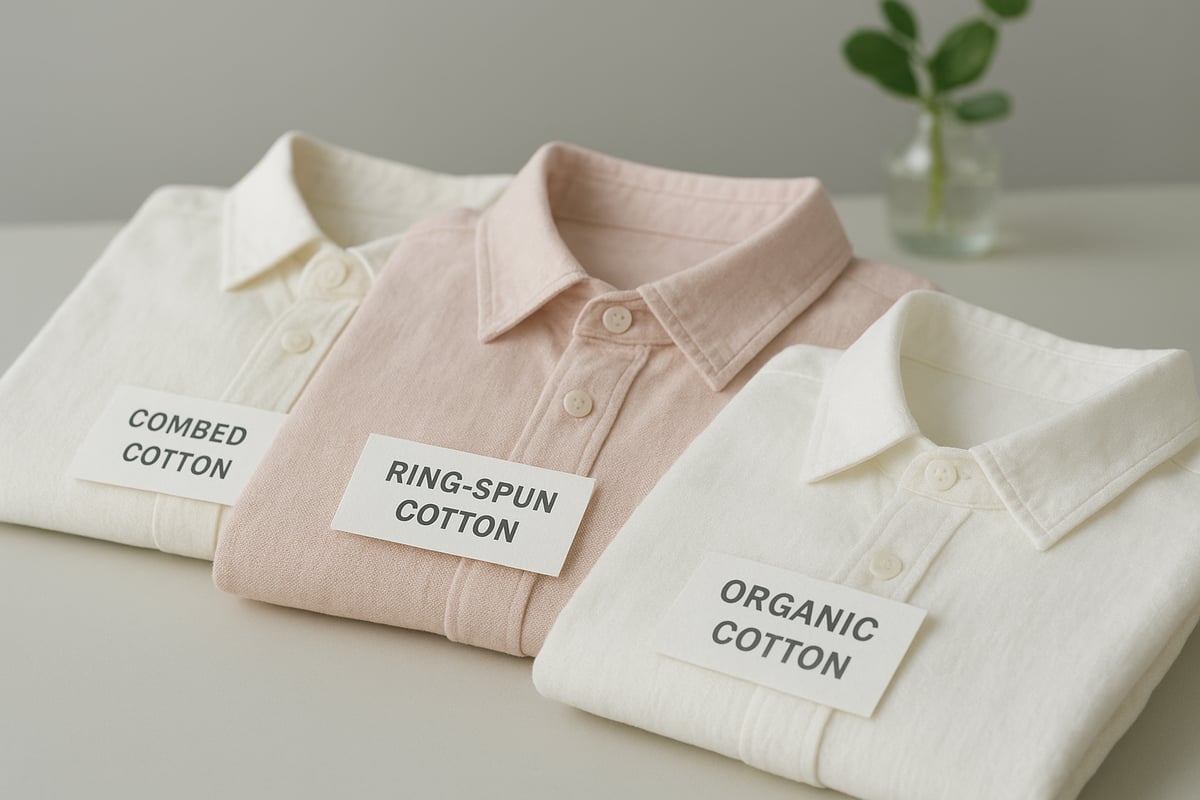
Understanding the nuances of cotton types is key to achieving the best results in cotton shirt printing. Combed cotton has shorter fibres removed, creating a softer, stronger yarn. Ring-spun cotton is twisted and thinned, producing a smooth surface ideal for vibrant prints. Organic cotton is grown without synthetic chemicals, making it gentler on skin and the environment.
Fibre length and weave affect how ink sits on the fabric. For instance, ring-spun cotton is highly popular for its even texture, which delivers sharp, consistent designs. In fact, 65% of printed shirts in 2025 used combed cotton due to its superior printability and feel.
GSM (grams per square metre) measures fabric weight. Higher GSM means thicker shirts, which often hold prints longer. When comparing blends to 100% cotton, blends may offer more stretch but can impact print clarity. For a deeper dive into fabric science, see Learn Science of Fabric for Custom Apparel.
When planning cotton shirt printing, consider your budget, the complexity of your design, and how the shirt will be used. Breathability and comfort are vital, especially for activewear or summer promotions. Shrinkage and durability after washing should not be overlooked, as they influence customer satisfaction.
For promotional tees, cost-effective blends may suffice, but premium retail shirts benefit from finer combed or organic cotton. Always check for certifications like OEKO-TEX or GOTS, which signal responsible, eco-conscious manufacturing. These factors help ensure your cotton shirt printing delivers both visual impact and lasting wear.
| Factor | Promo Tees | Premium Retail Shirts |
|---|---|---|
| Fabric Type | Blends, Basic | Combed, Organic |
| Comfort | Moderate | High |
| Print Quality | Good | Excellent |
| Certification | Optional | Recommended |
Proper pre-treatment is essential for flawless cotton shirt printing. Pre-washing removes sizing agents and contaminants that can prevent ink from bonding well. This step also reduces the risk of shrinkage after printing.
For methods such as DTG and DTF, pre-treatment sprays are critical. They help inks adhere to cotton fibres and enhance colour vibrancy. Always ensure consistency across batches by standardising your pre-treatment process, which leads to uniform results and fewer reprints.
A well-prepared shirt is the foundation for professional cotton shirt printing, reducing errors and improving longevity.
Ethical sourcing is a growing trend in cotton shirt printing. In 2026, more suppliers offer transparent supply chains and certifications to verify sustainable practices. Look for OEKO-TEX, GOTS, and Fairtrade labels for added assurance.
Recycled and regenerative cotton options are now widely available, catering to brands seeking lower environmental impact. Many companies have adopted closed-loop supply chains, where cotton waste is recycled into new shirts, supporting circular fashion models.
By choosing transparent suppliers and innovative cotton sources, your cotton shirt printing projects can stand out for both quality and ethics.
Cotton shirt printing in 2026 is shaped by a blend of tradition and innovation. From classic screen printing to the latest digital and eco-friendly methods, businesses and designers have more options than ever. Understanding each technique is vital for achieving professional results and staying ahead in the competitive cotton shirt printing market.
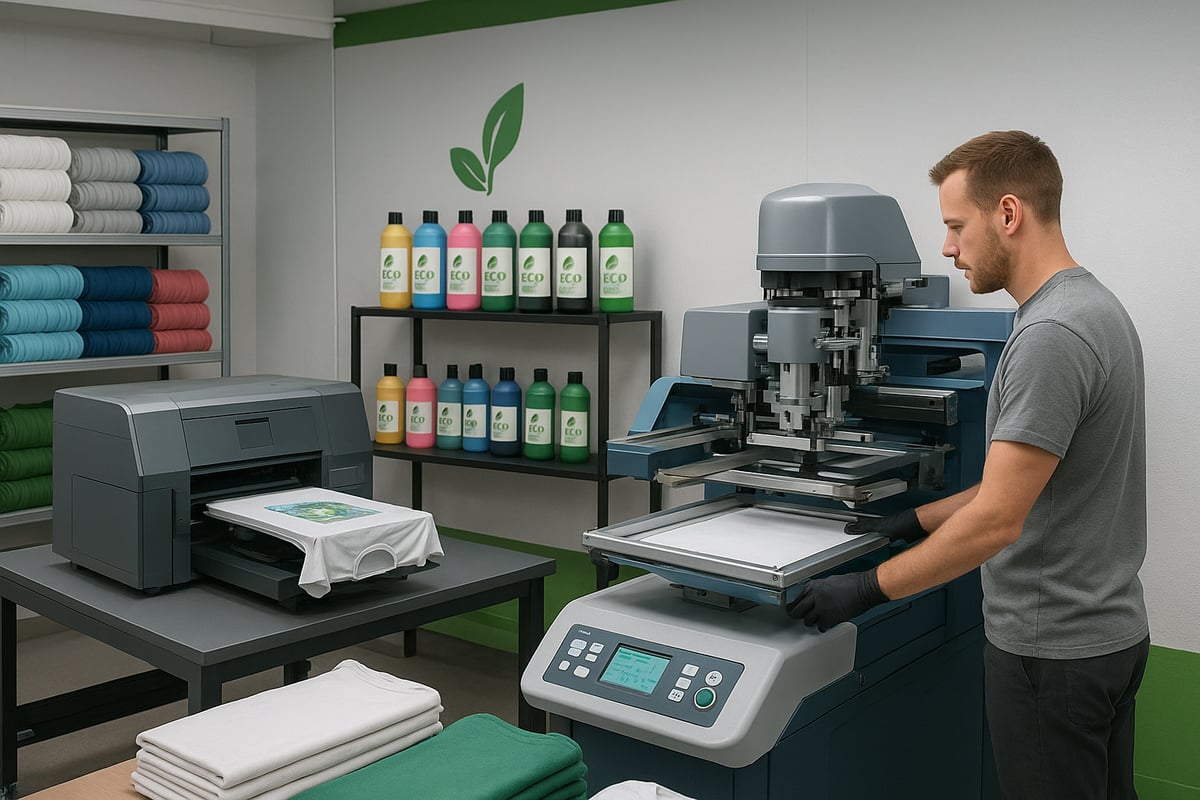
Screen printing remains a cornerstone of cotton shirt printing, prized for its vibrant colours and durability. The process uses mesh screens to transfer ink onto fabric, with each colour requiring a separate screen. In 2026, advances like water-based and discharge inks have improved both the feel and eco-friendliness of prints.
Neon and metallic inks are now popular for festival shirts, offering eye-catching results. For bulk orders, screen printing is highly cost-effective, especially when compared to digital alternatives. According to a 2025 survey, 40 percent of shirt printers still rely on screen printing. For a deeper dive into popular methods, see this Best T-Shirt Printing Methods guide.
Direct-to-garment printing has revolutionised cotton shirt printing by allowing full-colour, photo-realistic designs with minimal setup. The latest DTG printers feature faster print heads and use eco-friendly inks, making them ideal for short runs and custom designs.
DTG excels with 100 percent cotton, as the fibres absorb ink well, producing crisp images and gradients. However, proper pre-treatment is essential to ensure ink adhesion and prevent fading. While not as fast as screen printing for large quantities, DTG offers unmatched flexibility for intricate cotton shirt printing projects.
DTF is gaining traction in cotton shirt printing, thanks to its ability to transfer detailed designs onto film before applying them to garments. The process produces durable, vibrant prints with a soft hand feel.
Hybrid approaches, combining DTG with screen printing, create multi-texture and special effect prints. This is especially popular in streetwear, where tactile designs add value. Compared to traditional methods, DTF and hybrids offer greater versatility for brands seeking unique results in the cotton shirt printing space.
Sublimation has traditionally been challenging for cotton shirt printing due to the natural fibres’ inability to bond with sublimation dyes. In 2026, new polymer coatings have enabled sublimation on cotton, unlocking more design possibilities.
Heat transfer vinyl (HTV) remains a go-to for personalisation and small orders. While sublimation and HTV offer vibrant finishes, their longevity and softness can vary. For cotton shirt printing, these methods work best for promotional or short-term use, where speed and colour are key.
Sustainability is a major trend in cotton shirt printing. Water-based, plant-based, and biodegradable inks are becoming standard, reducing the environmental impact of production. In 2026, ink formulations are designed to shed fewer microplastics, protecting both workers and the planet.
Closed-loop ink systems are being adopted by leading companies, further minimising waste. Health and safety improvements also ensure that cotton shirt printing remains safe for staff, aligning with global eco-conscious standards.
Automation is transforming cotton shirt printing workflows. Automated press setups and AI-driven design placement tools increase speed and consistency, reducing the risk of human error.
Integration with e-commerce platforms allows for on-demand printing, streamlining order management and fulfilment. Since 2024, there has been a 30 percent increase in automated print shops, reflecting the demand for efficiency and reduced waste. Embracing automation helps businesses stay competitive in the evolving cotton shirt printing industry.
The landscape of cotton shirt printing in 2026 is vibrant, innovative, and more inclusive than ever. Designers and brands are embracing bold colours, sustainable messages, and emerging technologies to create shirts that stand out in both style and purpose. Staying ahead of these trends is crucial for anyone aiming to make an impact in the cotton shirt printing space.
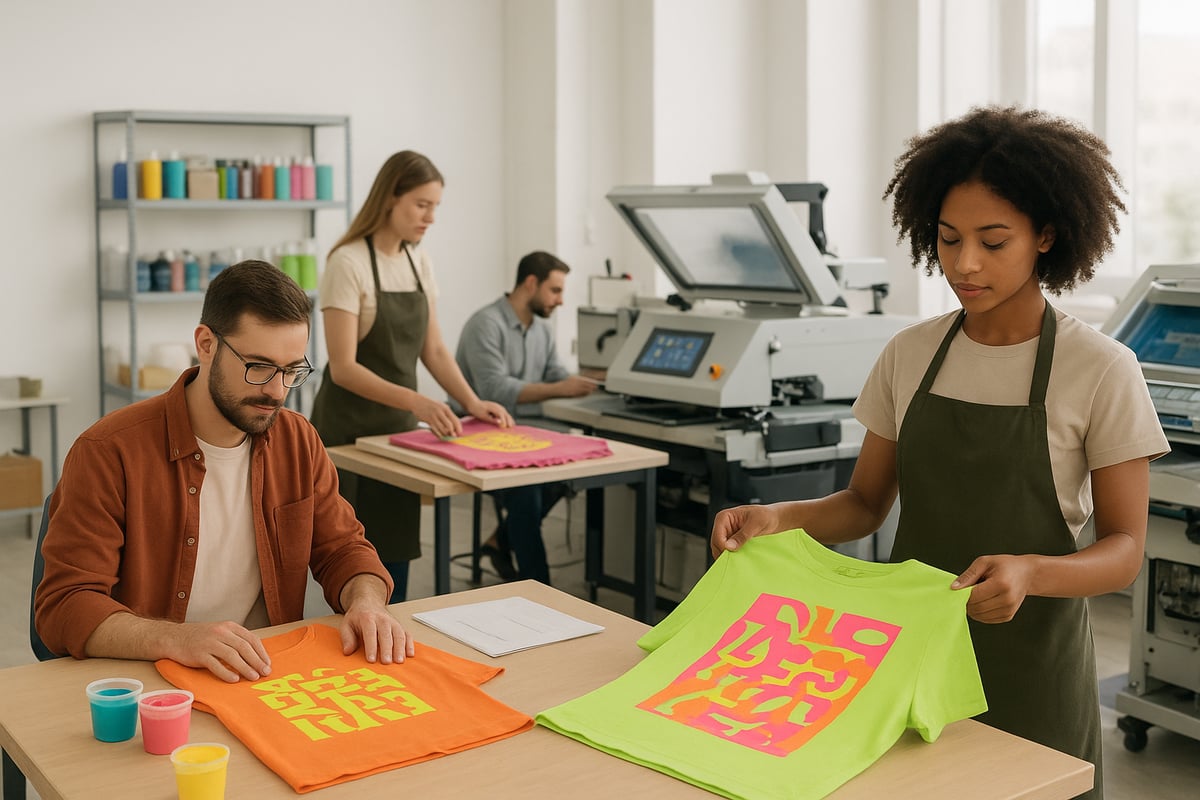
Colour trends in cotton shirt printing for 2026 reflect a blend of digital and organic influences. Digital pastels, earthy neutrals, and neon pops are leading palettes, allowing brands to create standout visuals. Print styles are equally diverse, with oversized graphics and minimalist logos dominating collections.
Expect to see a resurgence of retro typography, especially 90s-inspired fonts paired with futuristic motifs. This contrast offers a playful yet forward-thinking aesthetic, appealing to a broad range of consumers. Brands are experimenting with scale, often featuring large chest or back prints that serve as statement pieces.
These design choices ensure cotton shirt printing remains both expressive and on-trend for 2026.
Sustainability drives many of the most popular motifs in cotton shirt printing. Graphics inspired by nature, climate activism, and positive social change are increasingly in demand. Designers are incorporating recycled and upcycled materials into their artwork, reinforcing the garment's eco-friendly story.
Consumer research indicates that 55 percent of buyers now prefer shirts that feature social impact messaging. This shift is reflected in the use of hand-drawn illustrations, botanical elements, and slogans that champion environmental or ethical causes. For a deeper look at what’s trending, the 26 T-Shirt Design Trends for 2026 offers further insights on motifs and consumer preferences.
Sustainable design is not just a trend, but a core value for brands leading in cotton shirt printing.
Personalisation is revolutionising cotton shirt printing in 2026. AI-powered design tools allow customers to create unique artwork, mixing text, graphics, and even images for one-of-a-kind shirts. This technology makes on-demand printing accessible to micro-influencers, small brands, and individuals who want something truly bespoke.
The integration of QR codes and digital experiences is also on the rise. Shirts can now link to music playlists, digital art, or brand stories, extending the garment’s value beyond its physical form.
Personalisation ensures that cotton shirt printing is as dynamic and interactive as the people wearing the shirts.
2026 brings a tactile revolution to cotton shirt printing. Designers are using puff inks, 3D print techniques, and embroidery overlays to add depth and interest. Layered prints offer a multi-dimensional feel, making each shirt visually and physically engaging.
Special effect inks, such as metallic, glow-in-the-dark, or UV-reactive formulas, are increasingly popular for nightwear and festival shirts. These elements create memorable, sensory experiences that set printed shirts apart from standard offerings.
The result is cotton shirt printing that not only looks but also feels cutting-edge.
Collaboration is a key strategy in cotton shirt printing for 2026. Brands are teaming up with artists, musicians, and other labels to produce exclusive collections. Limited-edition drops and pre-order models help reduce excess inventory while driving hype and engagement.
Streetwear brands, in particular, excel at leveraging drop culture. By releasing small batches and unique designs, they create urgency and a sense of exclusivity for customers.
Collaborative approaches ensure cotton shirt printing remains fresh and highly sought after.
The shift towards inclusivity is reshaping cotton shirt printing in both design and sizing. Unisex fits and extended size ranges are becoming standard, reflecting a broader commitment to diversity. Designs are intentionally created to appeal to all demographics, avoiding gendered colours or motifs.
Market data shows a 28 percent growth in gender-neutral apparel lines, highlighting the demand for versatile, accessible clothing. Brands that prioritise inclusive sizing and design will find themselves ahead in the evolving fashion landscape.
Cotton shirt printing in 2026 is truly for everyone, reflecting the values of a more open and diverse society.
Ready to master cotton shirt printing in 2026? This step-by-step guide walks you through every stage, from selecting your blank shirt to ensuring long-lasting prints. Whether you’re a beginner or a seasoned professional, these practical steps help you achieve consistent, high-quality results with the latest methods and materials.
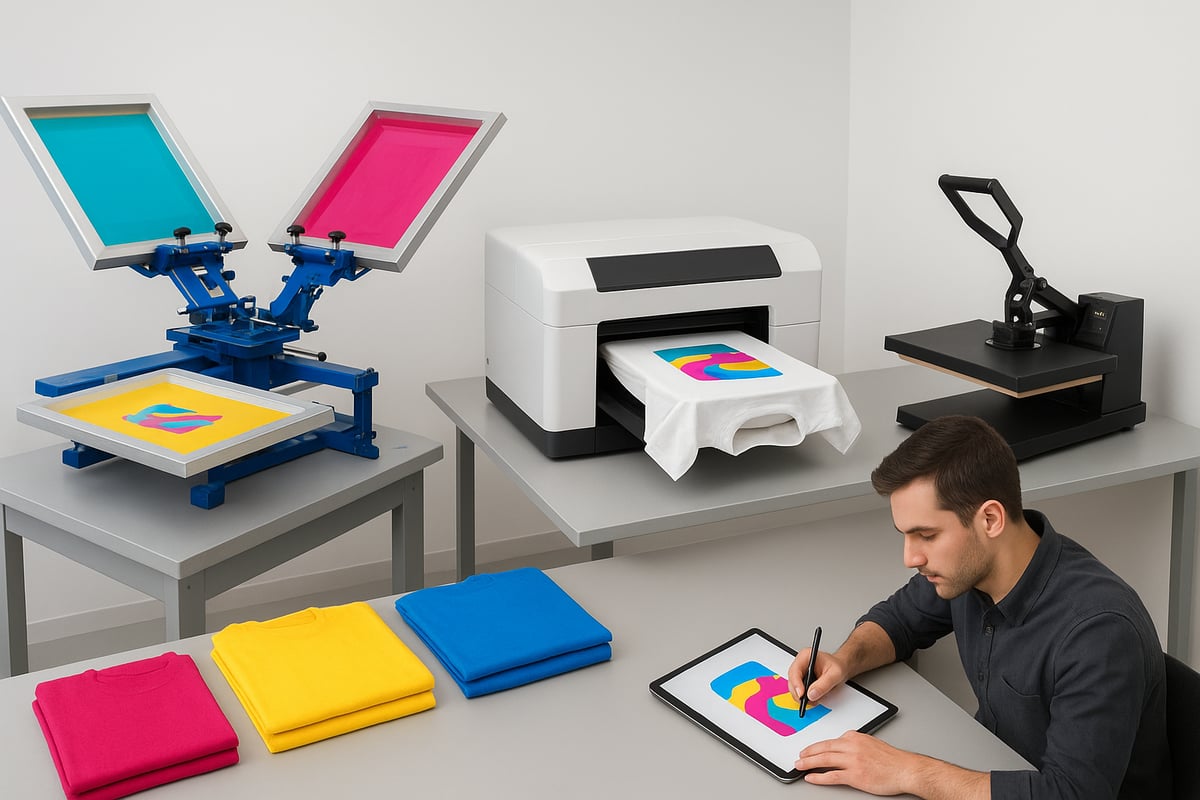
Begin by assessing the quality and characteristics of your cotton shirt. The right fabric sets the foundation for vibrant, durable prints. Choose between combed, ring-spun, or organic cotton, considering GSM for print longevity.
Mark the intended print areas using tailor’s chalk or a laser guide for precise placement. Proper preparation is essential for flawless cotton shirt printing that stands up to repeated wear and washing.
Selecting the appropriate technique is crucial for cotton shirt printing. Factors such as design complexity, order size, budget, and environmental considerations will influence your choice.
To compare printing technologies in detail, see this guide on how to choose your t-shirt printing technology. Matching your project needs to the right process ensures optimal results and sustainability.
Effective design is central to successful cotton shirt printing. Start with high-resolution artwork in the correct file format, such as PNG or vector files, and use the right colour profiles for accuracy.
Utilise digital proofing tools to catch errors before production starts. Careful design preparation prevents costly mistakes and ensures your vision translates perfectly onto cotton shirts.
With your design and method chosen, set up your equipment for cotton shirt printing. Double-check calibration and cleanliness to avoid defects.
Quality control at this stage is vital. Address any anomalies immediately to maintain professional standards and achieve impressive, repeatable outcomes.
Proper curing ensures your cotton shirt printing is both vibrant and durable. Cure inks using the recommended temperature with a heat press or tunnel dryer, depending on the ink type.
Quality assurance at this step safeguards your reputation and delivers satisfaction to customers with every order.
Educating end-users on care maximises the life of cotton shirt printing. Provide clear instructions to help maintain print brightness and fabric integrity.
| Care Tip | Recommendation |
|---|---|
| Washing temperature | Cold or 30°C cycle |
| Detergent type | Mild, colour-safe |
| Drying method | Air dry or low tumble |
| Ironing | Inside out, low heat |
Proper care can extend print life by up to 40 percent, according to industry estimates. Encourage customers to follow these steps for shirts that look great, wash after wash.
Sustainability is now a cornerstone of cotton shirt printing, shaping every stage from fabric sourcing to production and beyond. In 2026, brands are not only responding to consumer demand but also setting new standards for environmental and social responsibility. Let us explore the latest practices making a difference in cotton shirt printing.
Environmental impact is a top concern for cotton shirt printing professionals. Print shops are now investing in water and energy-saving technologies, with many adopting closed-loop water systems and advanced waste ink recycling.
Solar-powered equipment is gaining traction, helping reduce carbon emissions. For example, several leading print shops now operate almost entirely on renewable energy. Choosing the right equipment and processes lowers resource consumption, making cotton shirt printing more sustainable. For further insights, see the Rise of Sustainable Custom T-Shirt Printing.
Selecting sustainable cotton is vital for ethical cotton shirt printing. Certifications like GOTS, Fairtrade, and BCI ensure the cotton is sourced responsibly and produced with minimal environmental harm.
Traceability and transparency are increasingly standard, with brands providing digital records of every step in the supply chain. Regenerative cotton farming is also on the rise, restoring soil health and biodiversity. Choosing certified cotton supports both the planet and the people behind cotton shirt printing.
| Certification | Focus Area | Benefit |
|---|---|---|
| GOTS | Organic, social | Full supply chain audit |
| Fairtrade | Fair wages | Worker empowerment |
| BCI | Sustainable agri | Water and soil health |
Eco-friendly materials are transforming cotton shirt printing. Plant-based and recycled inks are now widely available, reducing reliance on petroleum-based products. Many shops have switched to biodegradable transfer films and compostable packaging.
In 2025, 20% of print shops offered compostable packaging, a figure set to rise. Water-based inks and improved DTG technology are reducing microplastic pollution and improving worker safety. To learn more, explore Sustainable Printing Innovations in 2025.
Ethical cotton shirt printing extends to the workforce. Brands are committed to fair wages and safe working conditions, often partnering with local communities. Investments in worker training and upskilling help create long-term opportunities.
Some companies go further by supporting education and health initiatives in cotton-growing regions. These efforts ensure that everyone involved in cotton shirt printing benefits from ethical practices.
Circular fashion is redefining the lifecycle of printed shirts. Take-back schemes and recycling initiatives allow customers to return worn items for repurposing or responsible disposal.
Designing for disassembly and reprinting helps reduce textile waste. Some platforms now enable branded apparel to be reused or recycled, closing the loop in cotton shirt printing.
Achieving professional-quality cotton shirt printing in 2026 requires more than just great designs. It demands deep technical knowledge, attention to detail, and the ability to troubleshoot common issues. Below, explore expert strategies to ensure every print meets the highest standards.
Even seasoned professionals encounter issues during cotton shirt printing. Some of the most frequent problems include ink bleeding, ghosting, and misaligned prints. To tackle these:
Colour inconsistencies, especially on dark or pre-dyed cotton, can stem from inadequate pre-treatment or uneven ink application. Prevent cracking and fading by ensuring complete curing and using inks formulated for cotton. For a detailed breakdown of advanced methods, refer to the Top 10 Textile Printing Techniques in 2026 guide, which covers solutions for both common and emerging technical hurdles.
To ensure longevity and vibrancy in cotton shirt printing, focus on pre-treatment. Properly pre-washed garments improve ink adhesion and reduce the risk of future fading. Choose inks specifically designed for cotton fibres, and always cure at the manufacturer’s recommended temperature.
Layering colours with care can boost saturation and create bolder results. When working with premium, heavier cotton fabrics, such as those highlighted in Premium Fabrics in 2026 T-Shirt Trends, adjust pressure and ink flow to accommodate the denser weave. These steps help maintain the print’s clarity even after repeated washing, keeping your shirts looking new for longer.
The cotton shirt printing landscape is evolving rapidly. Stay competitive by investing in ongoing training for your team and staying informed about the latest printing technologies. Upgrading to modern, automated presses and advanced software can streamline production and enhance consistency.
Monitor both competitor activity and consumer preferences to anticipate new trends. Embracing innovation and sustainable practices will not only improve your results but also attract eco-conscious clients. By remaining proactive, every print run becomes an opportunity for excellence in cotton shirt printing.

OK T-Shirt
126 Beeches Rd
Birmingham
B42 2HQ
