Cheap Printed T-Shirts UK: Quality & Value Guide 2026
Discover how to source cheap printed t-shirts UK without compromising…
Demand for workplace safety is at an all-time high, making high visibility clothing essential across industries. As 2026 approaches, custom high visibility shirts are evolving to meet stricter regulations and harness new design technologies. The right shirt can dramatically improve employee safety, boost your brand’s recognition, and even enhance team morale.
This expert guide walks you through every step of choosing the best custom high visibility shirts for 2026. You will learn about updated industry standards, innovative materials, customisation options, the design process, compliance requirements, and essential maintenance tips.
The landscape for custom high visibility shirts is set to change dramatically by 2026, driven by evolving standards and a growing emphasis on workplace safety. In the UK and across Europe, the main benchmark for hi-vis workwear remains EN ISO 20471, which specifies rigorous requirements for design, materials, and performance. As workplace risks shift and technology advances, these standards are regularly updated to reflect best practices and emerging hazards.
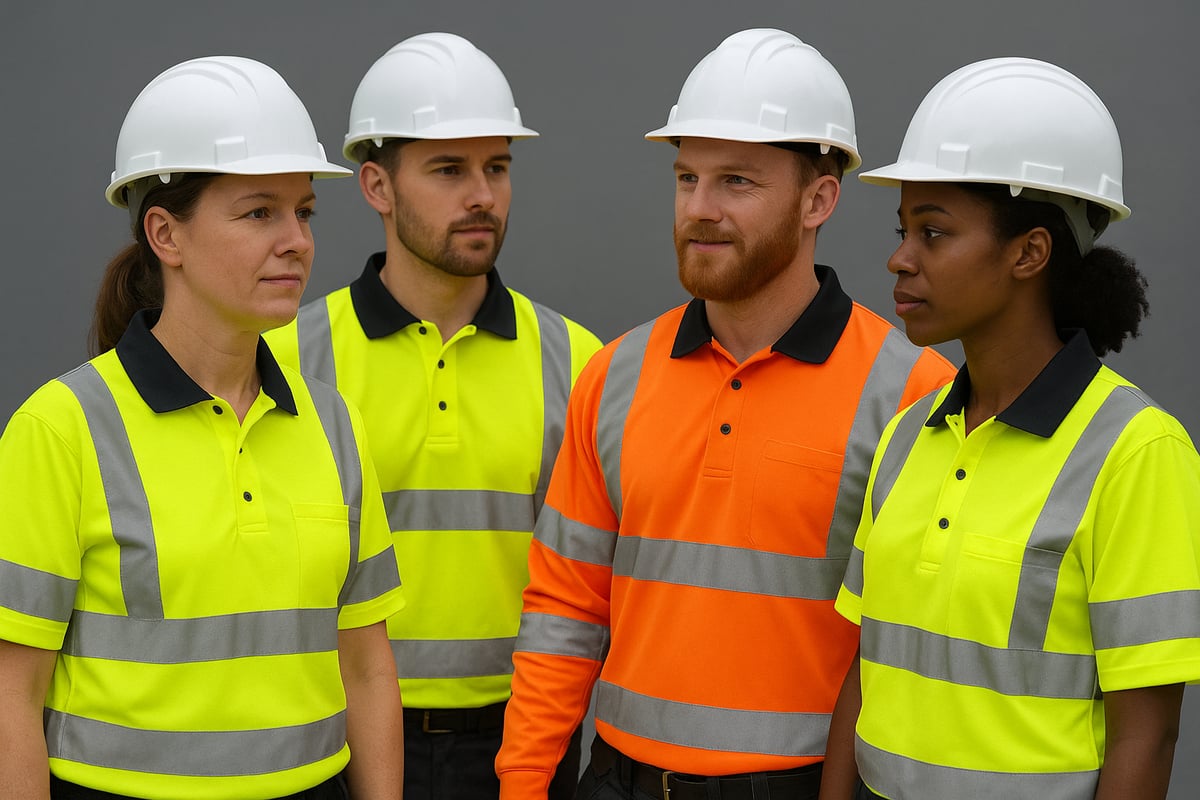
EN ISO 20471 has become the gold standard for custom high visibility shirts in the UK and EU. This standard requires garments to meet strict criteria for visibility in various lighting conditions, ensuring workers are seen at all times. By 2026, amendments to EN ISO 20471 will clarify requirements around minimum reflective material, garment coverage, and durability after repeated washes. These changes are designed to reduce ambiguity for businesses and ensure workers remain protected throughout the life of their clothing.
New regulations also address the integration of sustainable materials and advanced reflective technologies, reflecting a broader industry shift towards eco-friendly and high-performance apparel. Employers must now keep detailed records of hi-vis purchases and maintenance, making compliance more transparent for inspections and audits.
Custom high visibility shirts are categorised into three classes under EN ISO 20471, each suited to different workplace risks. Here is a quick comparison:
| Class | Minimum Visible Material | Typical Use Cases |
|---|---|---|
| Class 1 | Lowest | Warehouses, off-road, low risk |
| Class 2 | Intermediate | Logistics, roadworks, railways |
| Class 3 | Highest | Motorways, emergency services |
Selecting the right class is critical for both safety and compliance. For a detailed explanation, visit EN ISO 20471 Explained: Hi-Vis Workwear Visibility Classes. Businesses should assess each role’s exposure to moving vehicles, lighting conditions, and environmental hazards before choosing custom high visibility shirts.
Meeting EN ISO 20471 requirements is not only about safety, but also legal liability. Insurance providers increasingly demand proof that all staff wear compliant custom high visibility shirts, particularly in high-risk sectors like construction and logistics. Failure to comply can result in fines, invalidated insurance claims, and reputational damage.
Employers must document staff training, garment issue dates, and regular inspections. Keeping these records up to date helps demonstrate diligence during audits and reduces the risk of penalties.
Recent data from the Health and Safety Executive (HSE) shows a significant reduction in workplace injuries when proper hi-vis clothing is worn. For example, in 2024, construction sites that adopted updated custom high visibility shirts saw accident rates drop by up to 18%. In logistics, improved reflectivity and coverage helped reduce near-misses during night shifts and poor weather.
Public service organisations, such as local councils and emergency responders, have also benefited from the new standards. Enhanced visibility has led to faster response times and greater public confidence in frontline teams.
Despite clear regulations, many businesses still make avoidable errors with custom high visibility shirts. Common pitfalls include mixing non-compliant accessories, failing to replace faded garments, or overlooking the need for regular staff training. Experts recommend conducting quarterly audits and involving employees in the selection process to ensure comfort and adherence.
Looking ahead, safety professionals predict further integration of smart textiles and digital compliance tracking by 2026. Staying proactive and informed will help businesses not only meet legal requirements but also foster a culture of safety and professionalism through their custom high visibility shirts.
The world of custom high visibility shirts has advanced rapidly, driven by both regulatory demands and a growing emphasis on worker comfort. In 2026, material innovations are reshaping safety gear, making it safer, more comfortable, and more sustainable than ever before.
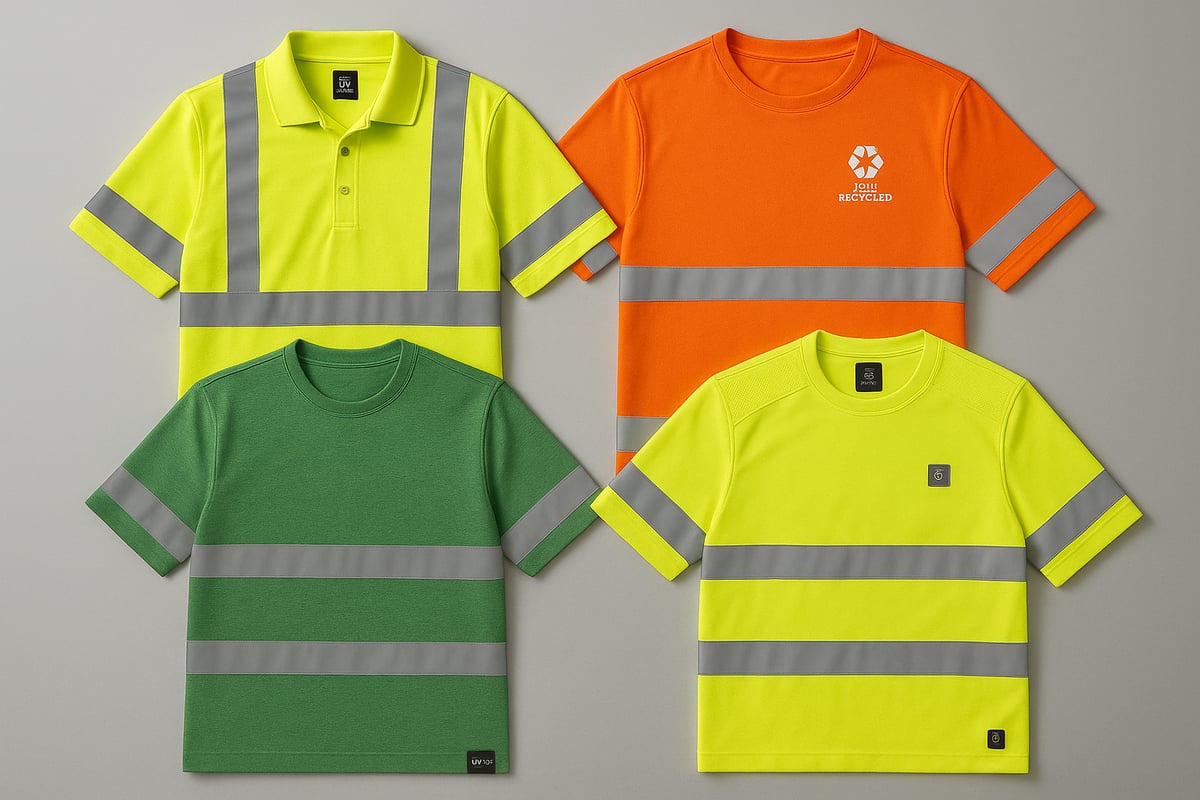
Historically, custom high visibility shirts relied on 100% polyester for its durability and colour retention. Polyester remains popular, but cotton blends are increasingly used to enhance breathability and comfort, especially for workers in warm environments.
The latest generation of hi-vis shirts now incorporates recycled fabrics. These not only meet strict safety standards but also address environmental concerns. Choosing the right fabric is crucial, as it affects both the longevity and comfort of custom high visibility shirts.
| Material Type | Key Benefits | Typical Use Cases |
|---|---|---|
| Polyester | Durable, vibrant colour | Construction, logistics |
| Cotton Blends | Breathable, soft feel | Outdoor, events |
| Recycled Fabrics | Eco-friendly, compliant | Green projects, councils |
Reflective tape is essential for custom high visibility shirts, but not all tape is created equal. In 2026, micro-prismatic technology is setting a new standard. This type of reflective material offers superior brightness at greater distances, even in low-light or rainy conditions.
Modern hi-vis shirts often combine wide-angle reflective trims with contrast panels. This not only enhances safety but also allows companies to customise their look while maintaining compliance.
Some innovations include segmented reflective bands, which improve flexibility and reduce restriction of movement. This is especially beneficial for workers who require agility throughout their shifts.
Sustainability is fast becoming a non-negotiable feature in custom high visibility shirts. Leading brands are now offering shirts made from recycled polyester and organic cotton. The environmental impact is further reduced by using water-based dyes and biodegradable packaging.
According to recent market studies, over 40% of businesses now prioritise eco-friendly workwear. For a deeper dive into these trends and how they are reshaping custom high visibility shirts, see Sustainable custom apparel trends.
By choosing sustainable options, organisations not only comply with regulations but also demonstrate their commitment to environmental responsibility.
The demands of modern workplaces mean that custom high visibility shirts must do more than just stand out. Moisture-wicking fabrics keep workers dry, while anti-microbial finishes help maintain hygiene, even after repeated washes.
UV-protective treatments are increasingly standard, especially for outdoor roles. These features extend the lifespan of shirts and protect employees from sun exposure, which is critical in sectors like construction and delivery services.
Market data shows a strong preference for shirts that balance comfort, durability, and advanced performance features. Investing in these innovations helps businesses reduce replacement costs and improve worker satisfaction.
The future of custom high visibility shirts is being shaped by smart textiles. Wearable technology, such as embedded sensors for health monitoring or GPS tracking, is moving from concept to reality. These features not only enhance safety but also enable real-time data collection for better workforce management.
Early adopters in logistics and emergency services are already trialling shirts with connectivity tags, which can alert supervisors if a worker enters a hazardous area. As technology matures, expect to see more widespread adoption of these intelligent features.
Choosing the right combination of materials and technology is essential for any business looking to future-proof its investment in custom high visibility shirts.
Selecting the right custom high visibility shirts for your team is a crucial process that blends safety, branding, and practicality. A careful, step-by-step approach ensures you meet both regulatory requirements and the unique needs of your business.
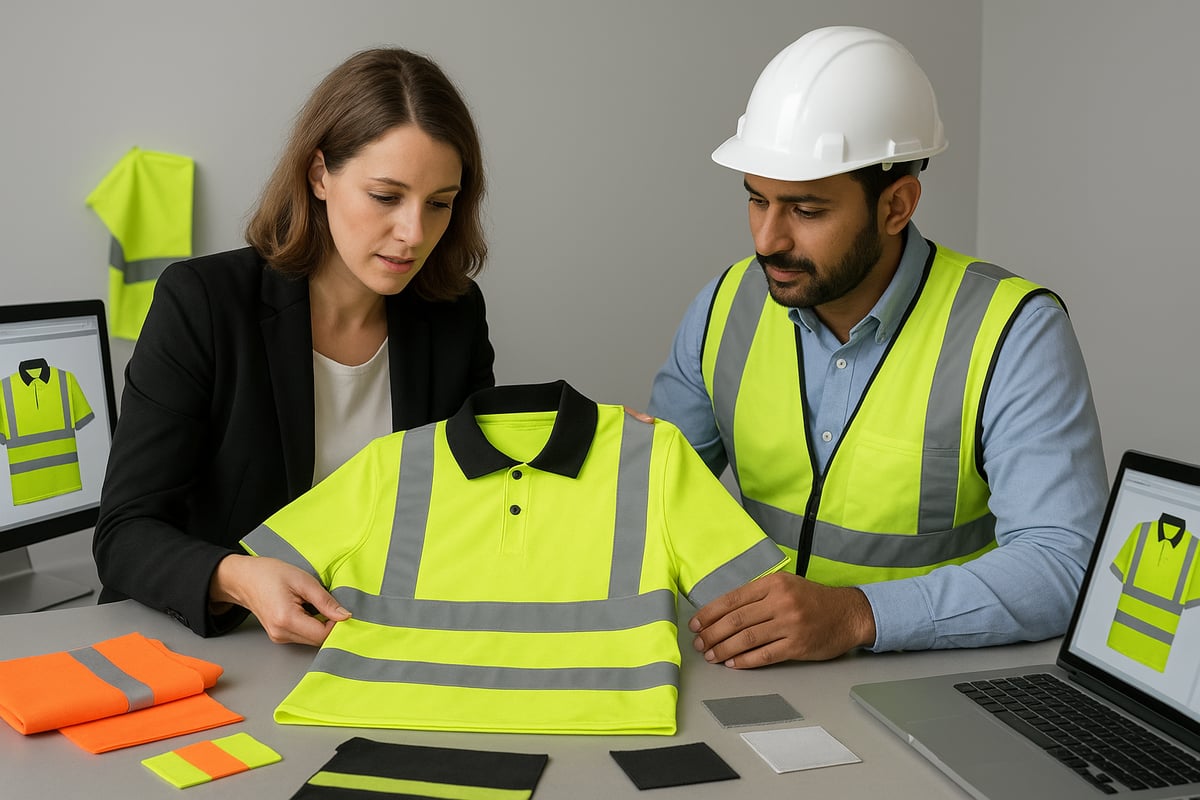
Begin by analysing the specific requirements of your industry. For example, construction, logistics, and events each have different safety standards and daily hazards. Think about where your employees work: are they outside, exposed to changing weather, or inside warehouses where visibility might still be a concern?
Evaluate the number of custom high visibility shirts you need and the range of sizes for your workforce. Consider roles involving night shifts or high-traffic areas, which may require higher visibility features.
Gather feedback from your staff about comfort, fit, and practical needs. For instance, a logistics company might prioritise lightweight, breathable shirts, while a school crossing patrol would need maximum reflectivity and child-friendly designs.
Choosing the appropriate style is essential for both function and comfort. T-shirts offer breathability and are ideal for manual roles, while polos provide a more corporate look for customer-facing staff. Long-sleeve shirts add sun protection, and zip-up designs give flexibility during changing weather.
Consider the customisation method for your branding. Printed logos are cost-effective and suitable for high-volume orders, while embroidery adds a premium touch and durability. You can explore the pros and cons of each by reviewing articles like Embroidery vs. heat transfer for workwear.
Think about practical features such as:
In 2025/2026, data shows that polo shirts and long sleeves are increasingly popular for their balance of professionalism and safety. Remember, custom high visibility shirts should be chosen based on your team's tasks and workplace conditions.
Effective branding starts with thoughtful logo placement. Ensure logos are visible but do not obstruct reflective panels, as safety compliance is paramount. The size of your logo should be large enough for brand recognition yet positioned to avoid interfering with visibility strips.
Choose colour combinations such as fluorescent yellow or orange for compliance, or opt for bespoke colours if your brand identity allows. Add contrast panels and reflective trims to enhance both style and safety.
For example, a delivery service may want their brand colours integrated into the shirt design, but must still adhere to visibility regulations. Custom high visibility shirts can elevate your brand presence while keeping staff safe.
Balancing compliance with creativity is possible, but always prioritise safety standards in your design process.
Selecting the right supplier is key to ensuring quality and compliance. Look for providers who offer strong quality assurance, fast turnaround times, and positive customer feedback. UK-based manufacturers can deliver quicker and provide better local support for custom high visibility shirts.
Check your provider’s credentials to ensure they comply with all relevant safety standards. Review their previous work and ask for samples to assess quality first-hand.
For a seamless experience, consider established partners who specialise in Personalised workwear solutions. Comparing online-only suppliers with local businesses can reveal differences in service and reliability.
A reputable provider will guide you through the process, offer design support, and guarantee your order meets legal requirements.
Once you have finalised your designs, your provider will supply digital mock-ups or physical proofs for approval. Review these carefully, checking details such as logo accuracy, sizing, and colour consistency.
Communicate deadlines and expectations clearly to avoid delays. Double-check all specifications before giving the final go-ahead, as small mistakes can be costly or impact compliance.
Common issues include incorrect logo placement or missed safety features. Approving proofs is your last chance to ensure your custom high visibility shirts meet every requirement for both safety and branding.
Ensuring compliance is non-negotiable when it comes to custom high visibility shirts. The UK’s health and safety regulations require employers to provide suitable hi-vis workwear for employees exposed to risks, particularly in construction, logistics, and public service roles. For businesses, compliance not only protects staff but also reduces legal liabilities and ensures insurance coverage remains valid.
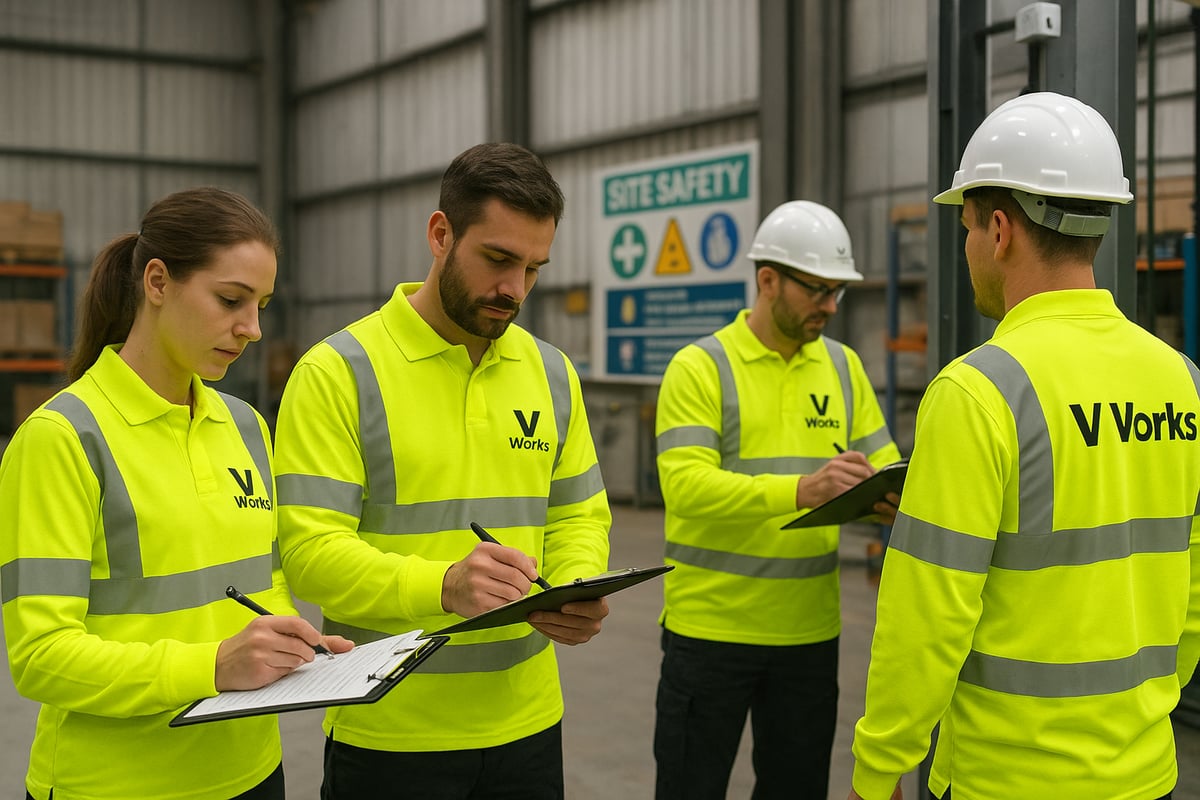
Under UK law, employers must assess risks and provide appropriate personal protective equipment, including custom high visibility shirts, where hazards are present. This duty is outlined in the Personal Protective Equipment at Work Regulations 2022 and reinforced by sector-specific guidelines.
Failure to supply compliant hi-vis clothing can result in fines or even prosecution. For example, several construction firms faced penalties in 2024 after site inspections revealed staff wearing non-compliant garments. Such incidents highlight the critical need for businesses to stay updated on the latest standards.
Accurate records are essential for demonstrating compliance. Employers should maintain documentation covering risk assessments, procurement of custom high visibility shirts, training records, and inspection logs. These documents serve as proof during audits or investigations.
Here’s a quick checklist for effective record-keeping:
| Compliance Checklist | Status |
|---|---|
| Risk assessments up to date | Yes/No |
| Hi-vis workwear purchase records | Yes/No |
| Employee training logs | Yes/No |
| Inspection and replacement logs | Yes/No |
Proper documentation also streamlines the replacement process and supports insurance claims in the event of an incident.
Supplying custom high visibility shirts is only effective if employees know how to use and care for them correctly. Training should cover when and where to wear hi-vis clothing, proper maintenance, and the importance of reporting damage.
Common compliance failures include staff not wearing shirts during low-light conditions or neglecting to replace worn garments. Addressing these through regular briefings and refresher courses helps foster a safety-first culture.
Regular inspections of hi-vis shirts are vital to maintain compliance. Garments should be checked for fading, damage, or loss of reflectivity. Most manufacturers recommend inspecting shirts at least monthly and replacing them if they no longer meet visibility requirements.
Recent data from the Health and Safety Executive shows that over 30% of compliance audit failures in 2025 related to improper or poorly maintained hi-vis clothing. Implementing a clear replacement schedule minimises this risk.
When selecting custom high visibility shirts, always ensure they meet the latest standards. The EN ISO 20471: The standard for high-visibility protective clothing provides essential guidance on performance and design requirements. Referencing such standards during procurement helps you avoid costly mistakes.
Integrating custom high visibility shirts into workplace safety protocols involves more than just issuing garments. Employers should:
Health and safety officers recommend treating custom high visibility shirts as part of a wider safety ecosystem. When employees see management prioritising high-quality, compliant workwear, morale and adherence to safety guidelines both improve.
By embedding these best practices, businesses protect their teams, meet legal obligations, and create a safer, more productive workplace.
Proper maintenance of your custom high visibility shirts is essential for keeping staff safe, ensuring compliance, and protecting your investment. Clean, well-maintained garments not only uphold workplace standards but also keep your team looking professional and confident.
Hi-vis shirts lose their effectiveness when neglected. Dirt, grease, and repeated washing can dull fluorescent fabrics and wear down reflective strips. If custom high visibility shirts fade or reflective elements peel, visibility is reduced, putting wearers at risk.
Regular maintenance supports compliance with UK safety standards. According to EN ISO 20471 – High-visibility protective clothing, garments must retain their colour and reflectivity throughout their lifespan. Failing to maintain shirts could lead to non-compliance and potential legal or insurance issues.
Wash custom high visibility shirts separately from regular laundry to avoid cross-contamination. Use mild, non-biological detergents and cool temperatures, ideally not above 40°C, to preserve fluorescent dyes and reflective tape. Avoid bleach or fabric softeners, as these can damage both colour and reflectivity.
Air drying is best, as high heat from tumble dryers can cause shrinkage and degrade reflective materials. If machine drying is necessary, use a low heat setting. Always check care labels for any specific manufacturer instructions.
Proper storage extends the life of custom high visibility shirts. Hang shirts in a cool, dry place, away from direct sunlight, to prevent fading and cracking of reflective strips. Folded storage can crease reflective tape, so use hangers when possible.
Inspect shirts regularly for minor damage, such as loose stitching or small tears. Minor repairs can be made with appropriate thread or patches, but never attempt to fix reflective tape with glue or heat, as this can further reduce visibility. Replace shirts immediately if you notice significant fading, cracked reflective areas, or irreparable tears.
A typical custom high visibility shirt lasts between 6 and 12 months with daily use, depending on working conditions and care. For delivery fleets or large teams, create a maintenance schedule that includes monthly inspections and annual replacements.
Improper care can result in non-compliance, endangering employees and exposing your business to penalties. Training staff on proper washing, drying, and storage routines is crucial for maintaining both safety and professionalism.
By investing in the correct care techniques and following recognised standards, you maximise the lifespan of your custom high visibility shirts and safeguard your team’s wellbeing.
The world of custom high visibility shirts is set for significant transformation as we approach 2026. Employers and workers alike are demanding more from their safety gear, and manufacturers are responding with innovative features, sustainable options, and future-ready designs. The coming years will see these shirts evolve from simple safety garments to essential elements of modern workplace identity and efficiency.
Sustainability is at the forefront of custom high visibility shirts. In 2026, companies are increasingly choosing recycled polyester and organic cotton blends to lower their environmental footprint. The shift towards eco-conscious materials not only supports corporate social responsibility goals but also aligns with evolving regulations. Many manufacturers are investing in closed-loop production processes, ensuring that shirts can be recycled at the end of their lifecycle. This trend is expected to accelerate as both public and private sectors prioritise green procurement.
The integration of smart technology is another defining trend. Advanced custom high visibility shirts now feature wearable tech such as GPS tracking, health monitoring sensors, and connectivity modules. These innovations improve worker safety by enabling real-time location tracking and incident alerts. For example, some shirts can detect abnormal heart rates or exposure to hazardous conditions, notifying supervisors instantly. This technology empowers employers to respond swiftly to emergencies and enhance overall workplace safety.
Market data suggests rapid growth for custom high visibility shirts with advanced features. According to industry analysts, global demand is projected to rise by 8% annually through 2026, driven by stricter safety standards and employer investment in innovation. Early adopters, particularly in construction and logistics, are already seeing reduced accident rates and improved operational efficiency. These sectors are likely to continue leading the way, setting benchmarks for others to follow.
Consumer preferences are influencing the look and feel of custom high visibility shirts. There is a growing desire for stylish, comfortable designs that reflect company branding. Features like tailored fits, softer fabrics, and custom prints are now standard. This shift is sparking increased interest in printed workwear for businesses, as employers seek to combine compliance with a professional image.
To future-proof their investments, businesses should prioritise flexible designs, sustainable materials, and compatibility with emerging technologies. By staying ahead of trends and regularly reviewing their hi-vis workwear strategy, organisations can ensure their custom high visibility shirts remain compliant, comfortable, and on brand well into the future.
OK T-Shirt
126 Beeches Rd
Birmingham
B42 2HQ
