Cheap Printed T-Shirts UK: Quality & Value Guide 2026
Discover how to source cheap printed t-shirts UK without compromising…
Imagine slipping into a shirt that truly captures your personality, style, and creative vision. Designing a custom own shirt gives you the freedom to showcase who you are, using the latest tools and trends available in 2026.
This guide will lead you through every step, from gathering inspiration to placing your order. You will discover the newest styles, essential design decisions, fabric and printing options, and expert tips for creating your ideal custom own shirt.
Ready to express yourself and stand out? Begin your journey with confidence using this comprehensive, up-to-date resource.
The world of custom own shirt design has transformed rapidly, making it easier than ever to create something truly unique. In 2026, new technologies, sustainability, and personal expression are at the heart of the latest trends. Whether you want a shirt for yourself, your business, or a special event, understanding these trends will set you up for success.
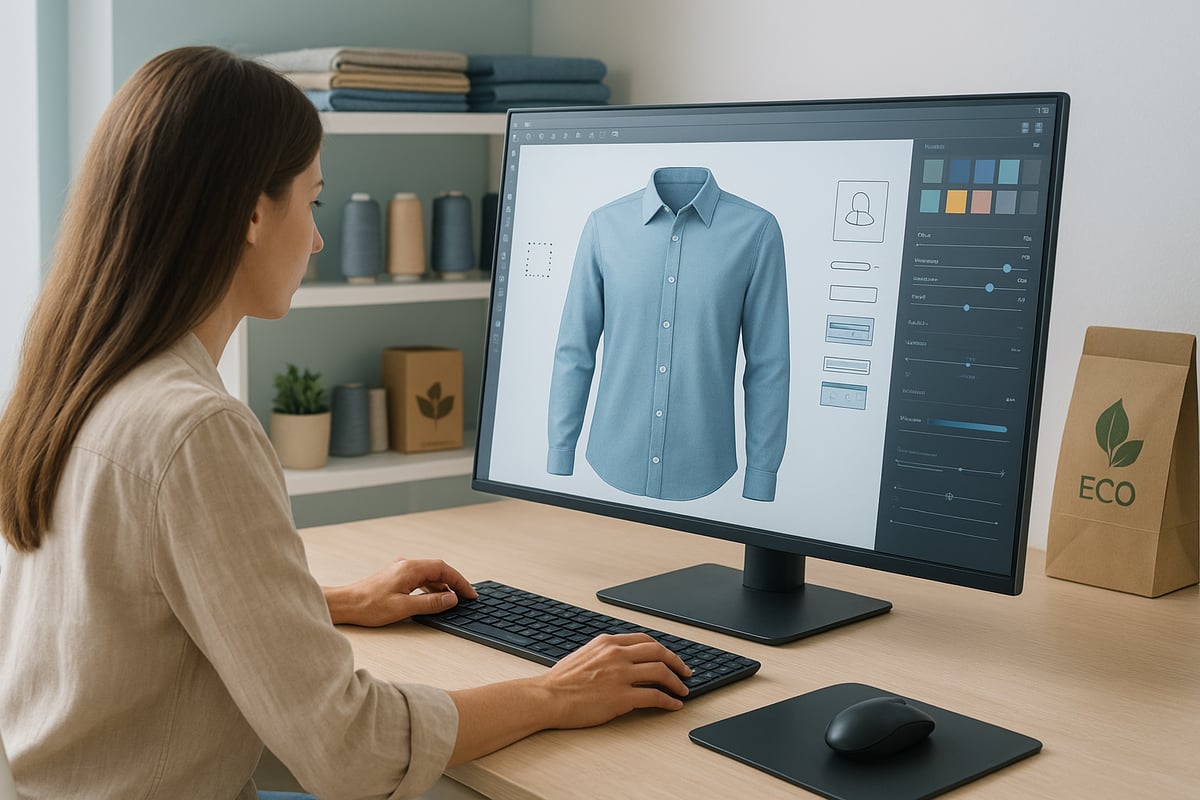
Over the past six years, the custom own shirt landscape has undergone major changes. Digital printing and embroidery technologies have become more advanced, enabling high-quality, detailed designs at lower costs. Online platforms now offer user-friendly interfaces, making it simple for anyone to design a shirt from home.
Pop culture, sustainability, and personal branding have all played significant roles. The growth of print-on-demand services has made custom own shirt creation more accessible, with no need for large minimum orders. This evolution means you can bring your ideas to life quickly and easily.
In 2026, the custom own shirt market is shaped by oversized fits, vintage washes, and bold graphics. Themes such as sustainability, retro-inspired art, and personal slogans are highly sought after. AI-generated artwork is also trending, giving even more creative freedom.
Virtual try-ons using augmented reality are now common, allowing you to preview your custom own shirt before ordering. Data shows a strong demand for eco-friendly shirts, reflecting a wider push for responsible fashion. For a deeper dive into these shifts, the Latest Custom Apparel Trends page provides valuable insights on how innovation and sustainability are shaping 2026 designs.
Technological advances have made designing a custom own shirt more interactive than ever. AI-powered design tools help you create, adjust, and perfect your design with ease. Integration of AR and 3D previews offers instant feedback, letting you see how your shirt will look in real time.
Customisation now goes beyond graphics. You can personalise the fit, fabric, and even the finish of your custom own shirt. Many platforms provide instant previews, and industry estimates show that over 60 percent of custom apparel orders now start online.
The drive for self-expression is a major reason why the custom own shirt is booming. People want fashion that tells their story, whether for gifts, uniforms, events, or personal use. Businesses and communities also benefit from bulk discounts and no-minimum order options, making it practical for both individuals and groups.
Consumer behaviour is shifting toward personalised products, and the custom own shirt fits perfectly into this trend. With more suppliers offering flexibility and quick delivery, it is easier than ever to get exactly what you want.
Before you design your custom own shirt, clarify its purpose. Is it for personal use, a business, a team, or a gift? Set your budget and timeline, and research suppliers for quality and reliability.
It is crucial to understand print areas and the limitations of each garment. Leading brands like Rapanui focus on organic cotton and sustainable production, which can influence your choice. Taking these steps ensures your custom own shirt project is successful from the start.
Designing a custom own shirt in 2026 is more accessible and exciting than ever. With advanced tools, innovative fabrics, and user-friendly platforms, anyone can bring their vision to life. Follow this detailed, step-by-step process to ensure your shirt stands out and meets your goals.

Start by clarifying why you want a custom own shirt. Are you creating something for personal style, promoting your business, organising a team event, or giving a thoughtful gift? Knowing your purpose will shape every design decision.
Consider who will wear the shirt. Think about age range, gender, and personal preferences. For example, a shirt for a school sports team might require durable fabrics and bold colours, while a branded work shirt might prioritise comfort and a professional look.
List your objectives clearly. Are you aiming for a one-off statement piece or a batch for an event? This will influence your design approach, quantity, and even budget. By defining your intent upfront, you set the foundation for a successful custom own shirt project.
With your purpose in mind, explore the variety of shirt styles available for your custom own shirt. Options include classic tees, oversized fits, raglan sleeves, tanks, hoodies, and even longline or cropped cuts. Each style offers a different look and feel.
Fit is just as important as style. Decide if you want a relaxed, fitted, or athletic cut. Many suppliers offer distinct sizing for men, women, and children, so check their size guides carefully.
Think about usage. An oversized, vintage-wash tee might be perfect for streetwear, while a fitted polo is ideal for corporate events. Some platforms even allow customisation of sleeve length or neckline. Reviewing these options ensures your custom own shirt is as comfortable as it is stylish.
Selecting the right fabric is crucial for both comfort and sustainability in your custom own shirt. Popular choices include organic cotton, recycled blends, and performance fabrics. Organic cotton is soft, breathable, and reduces environmental impact.
Next, pick your colour. Solid shades, heathered finishes, vintage washes, and custom dye options are all on trend. Consider how your design will appear against different backgrounds—light colours work well for bold graphics, while darker tones highlight subtle prints.
Fabric weight matters too. Lightweight shirts suit summer or fitness, while heavier options are better for warmth. Make sure your fabric choice matches the intended use and enhances the overall feel of your custom own shirt.
Now comes the creative part—designing your custom own shirt. Most online platforms offer design studios with intuitive interfaces. You can upload your own artwork, logos, or photos. For best results, use high-resolution files (PNG24, 2500px by 3500px, sRGB).
Add text, choose fonts, and experiment with layout. Many sites provide design libraries featuring popular graphics, AI-generated art, and current trends for inspiration. Position your elements with care, considering front, back, and sleeve print options.
Preview your design on different shirt colours and styles within the tool. This step ensures your custom own shirt looks exactly how you envision before moving forward.
Take advantage of 3D previews or augmented reality (AR) features now available on many platforms. These tools let you see your custom own shirt from every angle, ensuring accurate placement and colour matching.
Carefully review all design elements. Check for alignment, legibility, and print area limitations. Adjust colours if needed to maintain vibrancy across different fabrics.
If possible, share mock-ups with friends or colleagues for feedback. Making tweaks at this stage can help you avoid costly mistakes and guarantee your custom own shirt is ready for production.
Choosing the right decoration method is essential for your custom own shirt. Popular printing options include digital/direct-to-garment (DTG), screen printing, sublimation, and vinyl. Embroidery is ideal for logos and textured designs.
Each method has pros and cons. DTG is great for detailed, colourful graphics and small batches. Screen printing suits larger orders and bold designs. Sublimation works best on light, polyester fabrics. Embroidery adds durability and a premium feel.
To understand which technique aligns with your design and budget, consult resources like the Choosing T-Shirt Printing Technology guide. This ensures your custom own shirt achieves the look and quality you expect.
Once you are happy with your design, select the quantity and sizes for your custom own shirt order. Double-check all details, including shirt style, colour, and artwork placement. Many suppliers offer instant proofs for your approval.
Review delivery options and turnaround times. Some platforms provide next-day delivery, while others may take longer, especially for large or complex orders. Confirm your shipping address and payment details before finalising.
Ordering in bulk? Look for discounts or special offers, especially if your custom own shirt is for an event or business. Always save your confirmation and proof for reference.
Proper care will keep your custom own shirt looking its best. Wash inside-out with mild detergent, use cold water, and avoid tumble drying on high heat. These steps preserve print quality and fabric integrity.
Familiarise yourself with the supplier's returns policy. Most custom items are non-returnable unless faulty, so check for exceptions before purchasing. Keep packaging and receipts until you are satisfied with your custom own shirt.
Finally, consider recycling options when your shirt reaches the end of its life. Some brands offer take-back schemes or guidance on textile recycling, supporting a more sustainable approach to custom own shirt creation.
Selecting the right platform or supplier for your custom own shirt is essential to achieving a professional result. Each stage, from design to delivery, depends on your choice, so it pays to consider your options carefully.
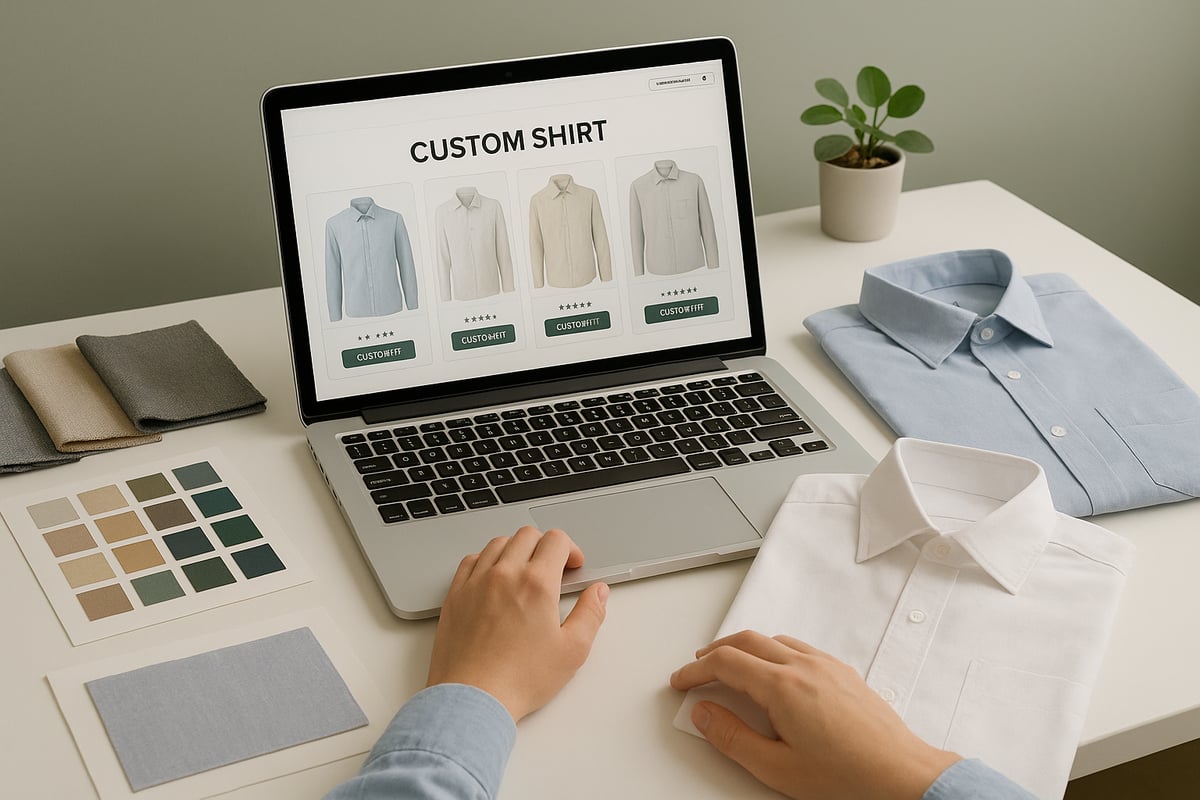
When choosing where to create your custom own shirt, focus on a few core factors. Product quality should be your top priority, as it directly impacts the final look and feel. Evaluate the range of available styles, sizes, and customisation features.
A user-friendly online design tool, clear previews, and responsive customer support can make the process much smoother. Also, check delivery times and reliability, especially if you have a deadline. For a step-by-step overview of what to look for when picking a platform, visit the How to Make Your Own Shirt guide.
Both online platforms and local print shops offer unique advantages for your custom own shirt project. Here is a quick comparison:
| Feature | Online Studios | Local Print Shops |
|---|---|---|
| Convenience | Design anytime, anywhere | In-person service |
| Variety | Wide style and size selection | Limited by shop inventory |
| Tech Features | 3D previews, AR try-ons | Physical samples |
| Turnaround | Fast, often tracked shipping | Same or next-day pickup |
| Personalisation | Advanced design tools | Face-to-face adjustments |
Online studios are ideal for tech-savvy users who want instant previews and a broad range of choices. Local shops are best if you value seeing samples or need quick, personal service.
Sustainability is now a key factor when selecting a supplier for your custom own shirt. Look for organic materials like GOTS-certified cotton, renewable energy use in production, and plastic-free packaging. Some UK brands, such as Rapanui, focus on remanufacturing and circular fashion, helping reduce environmental impact.
Certifications such as Oeko-Tex 100 or Fair Wear Foundation offer extra assurance that your shirt is ethically produced. Prioritising these features supports both quality and responsible business.
Pricing for a custom own shirt varies by fabric, print method, and order quantity. Many suppliers offer bulk discounts for events, businesses, or schools. For example, T-shirts and hoodies are often less expensive per piece when ordered in larger numbers.
Always check for special offers or tiered pricing. Some platforms provide instant quotes, making it easy to compare costs before committing. Bulk orders can significantly reduce the per-shirt price, especially for group projects or merchandise.
Before placing your order, review ratings and feedback for your chosen supplier. High ratings indicate reliable print quality, good service, and timely delivery. For instance, Rapanui’s 4.8 out of 5 Google rating highlights strong customer satisfaction.
Look for comments about the accuracy of previews, the comfort of the shirts, and how well the designs last after washing. Reading reviews can help you avoid surprises and ensure your custom own shirt meets your expectations.
Creating a custom own shirt is your chance to showcase individuality. To help your design rise above the ordinary, focus on creativity, preparation, and feedback at every stage.
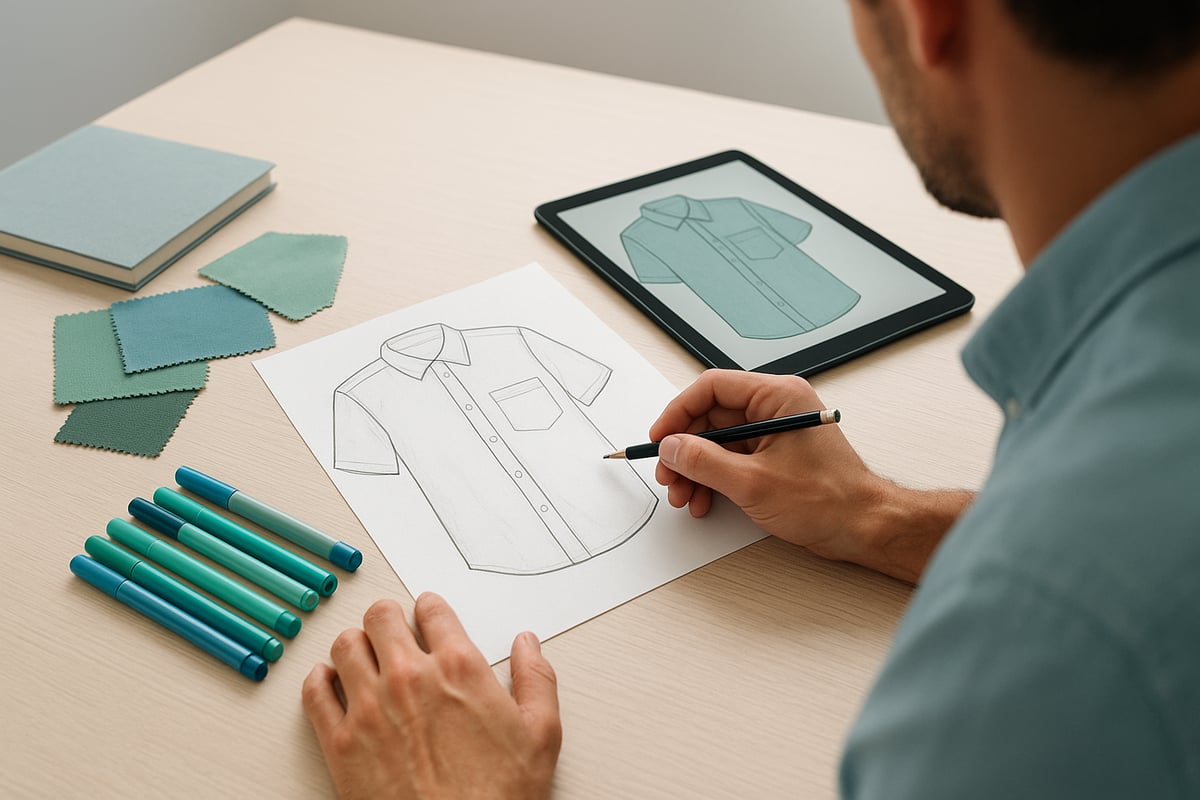
Start your custom own shirt journey by tapping into your unique story and style. Brainstorm themes that resonate with you, such as favourite quotes, pop culture references, or personal achievements.
Let your imagination guide you. The more personal your custom own shirt, the more it will stand out.
Quality artwork is essential for a striking custom own shirt. Prepare your graphics in high resolution, ideally 200–300 dpi, and use sRGB colour mode for true-to-life hues.
Careful preparation ensures your custom own shirt looks vibrant and professional when printed.
A memorable custom own shirt is more than just a graphic. Choose a shirt style and fit that aligns with your design and its intended use.
By balancing aesthetics with practicality, your custom own shirt becomes something people want to wear again and again.
Trends can inspire your custom own shirt, but originality makes it unforgettable. Explore current styles like vintage washes, bold typography, and AI-generated artwork.
This approach ensures your custom own shirt is both fashionable and uniquely yours.
Before placing a large order, test your custom own shirt design. Order a sample to check print quality and fit.
Taking these steps helps guarantee your final custom own shirt truly stands out.
Sustainability is now at the heart of the custom own shirt industry. With growing environmental awareness, both designers and consumers are seeking solutions that minimise impact and promote ethical choices.
Choosing the right fabric is crucial for any custom own shirt. Organic cotton, recycled polyester, and eco-friendly dyes are preferred for their lower carbon footprint and improved comfort. Many leading suppliers now prioritise these materials, helping reduce water usage and chemical pollution.
Demand for sustainable fabrics is rising. According to recent industry reports, more brands are switching to organic and recycled textiles. If you want an in-depth look at these trends, the Sustainable Fabrics in Custom T-Shirts article offers valuable insights. By making conscious material choices, you ensure your custom own shirt is both stylish and responsible.
The production process of a custom own shirt also matters. Factories powered by renewable energy, such as wind or solar, are becoming standard among ethical suppliers. These facilities often use water-based inks and avoid harmful chemicals.
Packaging is another area where sustainability shines. Look for brands using recyclable or compostable materials instead of plastic. Many now ship shirts in paper-based packaging, further reducing waste. Choosing a supplier committed to eco-friendly manufacturing ensures your custom own shirt aligns with your values.
Circular fashion is transforming the life cycle of the custom own shirt. Instead of ending up in landfill, worn-out shirts can be recycled or remanufactured into new products. Some suppliers encourage customers to send back old garments for processing, closing the loop on textile waste.
This approach not only conserves resources but also fosters a sense of responsibility. By participating in these programmes, you extend the life of your custom own shirt and support a more sustainable fashion system.
Certifications are a quick way to verify a supplier’s commitment to ethical practices. Look for labels such as GOTS (Global Organic Textile Standard), Oeko-Tex 100, and Fair Wear Foundation. These standards cover organic content, chemical safety, and fair working conditions.
| Certification | What It Means |
|---|---|
| GOTS | Organic fibres, strict environmental and social criteria |
| Oeko-Tex 100 | Tested for harmful substances, safe for skin |
| Fair Wear Foundation | Ethical labour standards in manufacturing |
Selecting a supplier with these certifications ensures your custom own shirt meets high ethical and environmental standards.
Consumers play a vital role in shaping the future of the custom own shirt industry. Prioritise brands with transparent supply chains and proven sustainability records. Research company practices, read customer reviews, and ask questions about sourcing and production.
Supporting ethical suppliers contributes to a greener, fairer industry. As demand for responsible custom own shirt options grows, your choices truly make a difference.
Looking to design a custom own shirt but have questions before you start? This FAQ covers the most common concerns, from order sizes to artwork requirements. If you are new to the world of custom shirts, you may also find our Guide to Personalised T-Shirts helpful for foundational tips and inspiration.
When planning your custom own shirt project, you might wonder if there is a minimum order required. Most leading suppliers in 2026 offer no-minimum policies, meaning you can order just one shirt or scale up for bulk needs. This flexibility makes it easy for individuals and small groups to create unique designs without committing to large quantities.
If you are ordering for an event or business, bulk discounts are often available. Always check supplier websites for their minimum order terms and discount structures. This approach ensures your custom own shirt order meets your specific needs, whether personal or professional.
The delivery time for a custom own shirt varies based on the supplier, order size, and design complexity. In the UK, many platforms offer print and dispatch within 48 to 72 hours, with expedited shipping available for urgent orders. International orders may take longer due to transit times and customs.
Factors such as artwork approval and garment availability can affect turnaround. To ensure your custom own shirt arrives on time, plan ahead and confirm delivery estimates before placing your order.
For the highest quality custom own shirt prints, use the correct file formats and resolutions. Most suppliers recommend PNG or vector files for artwork, with a resolution of 200–300 dpi and sRGB colour mode. Transparent backgrounds are ideal for seamless prints.
Here is a quick reference table:
| File Type | Resolution | Colour Mode | Use Case |
|---|---|---|---|
| PNG | 200–300 dpi | sRGB | Graphics, logos |
| JPEG | 200–300 dpi | sRGB | Photos, images |
| SVG/EPS | Vector | n/a | Logos, line art |
Following these guidelines ensures your custom own shirt design is crisp and vibrant when printed.
Absolutely, the options for custom own shirt platforms extend well beyond t-shirts. Most suppliers in 2026 allow you to personalise a wide range of garments and accessories, including:
This flexibility means your custom own shirt design can be applied to various products, perfect for branding, gifts, or events.
Proper care is essential to maintain the quality of your custom own shirt. Always wash garments inside out, using cold or low-temperature cycles and mild detergents. Avoid bleach and high-heat tumble drying, as these can damage prints and fabrics.
For best results, air dry your custom own shirt and iron inside out if needed. Following these care tips will help preserve colours and print quality over time.
Returns policies for custom own shirt orders typically differ from standard products. Since each shirt is personalised, returns are usually accepted only for defective or incorrect items. Unworn and unwashed products may be eligible for exchange or refund within a specific window, usually 14–28 days.
Always review your supplier’s returns policy before ordering a custom own shirt, and keep your order confirmation in case you need assistance.
To achieve the best results for your custom own shirt, prepare your artwork according to supplier guidelines. Use high-resolution images (at least 200 dpi), sRGB colour mode, and transparent backgrounds for graphics. Avoid low-res or pixelated files, as these can result in poor print quality.
Double-check the placement and size of your design within the print area. For more tips, refer to the Guide to Personalised T-Shirts for expert advice on artwork preparation.
Yes, selling your custom own shirt designs is easier than ever with print-on-demand and e-commerce platforms. You can set up an online shop, upload your designs, and let the supplier handle production and shipping.
Steps to get started:
This model allows you to focus on creativity while reaching a global audience.
When designing a custom own shirt, be mindful of legal and ethical guidelines. Suppliers prohibit copyrighted images, trademarked logos, and offensive or discriminatory content. Always use original artwork or designs you have permission to reproduce.
Review your supplier’s content policies to ensure your custom own shirt design is accepted and can be produced without issue.
If you encounter challenges creating your custom own shirt, most reputable platforms offer robust support options. Look for live chat, email assistance, and comprehensive FAQ sections. Some suppliers even provide design guides or access to professional help.
Choosing a platform with strong customer support ensures a smooth experience from design to delivery for your custom own shirt.
OK T-Shirt
126 Beeches Rd
Birmingham
B42 2HQ
