Cheap Printed T-Shirts UK: Quality & Value Guide 2026
Discover how to source cheap printed t-shirts UK without compromising…
Custom printed shirts are making a significant impact in 2025, transforming how people express their style, promote businesses, and celebrate special moments. This surge in popularity reflects a shift towards personalisation and creativity in everyday fashion.
In this essential guide, you will discover everything you need to know about custom printed shirts, from the latest trends and innovative printing methods to practical design tips and the full ordering process. We will also explore the growing importance of sustainability in the custom apparel industry.
Curious about how to create shirts that truly stand out? Read on for expert guidance and inspiration to help you bring your unique vision to life with confidence and ease.
Custom printed shirts are seeing unprecedented growth as we approach 2025. This surge is driven by a collective shift towards personalisation in fashion, business branding, and event merchandise. The appeal lies in the ability to create unique garments that reflect individual style or corporate identity, making these shirts a staple in wardrobes and marketing campaigns alike.
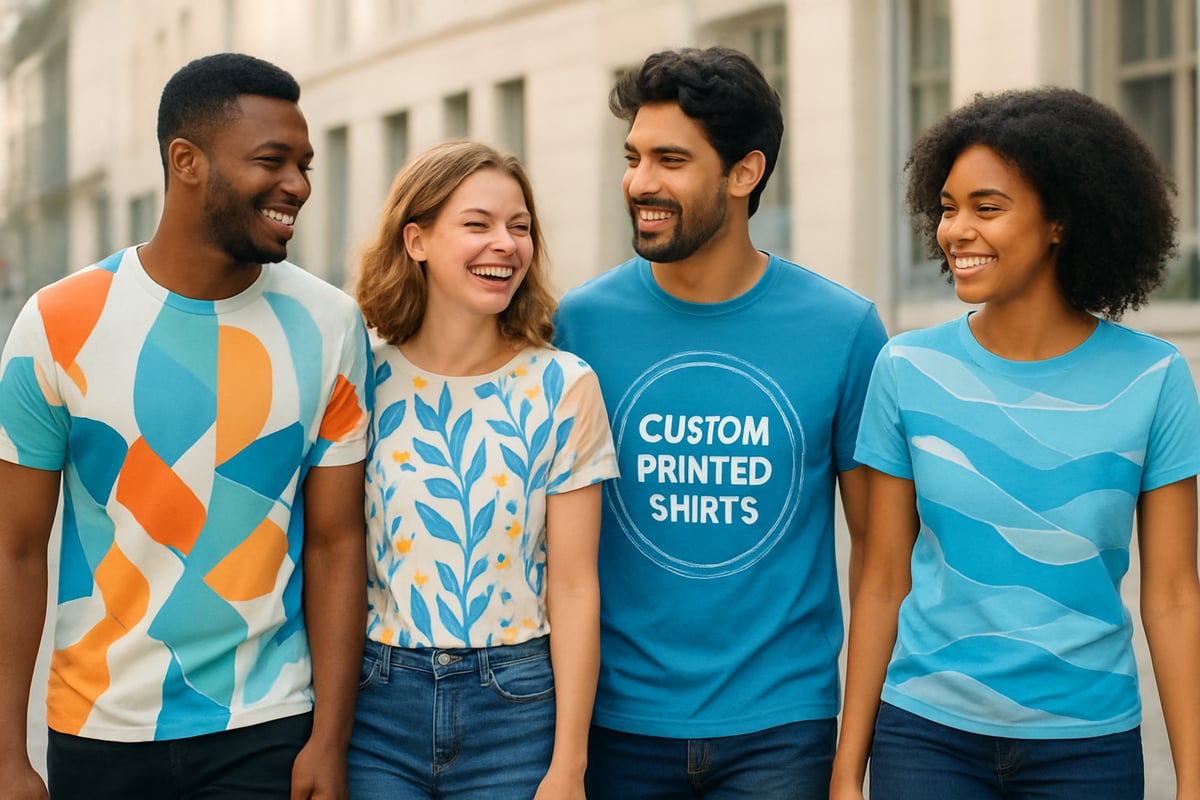
The global market for custom printed shirts has experienced remarkable expansion in recent years. By 2025, industry analysts project continued growth, fuelled by rising consumer demand for personalised fashion and the increasing use of branded apparel by businesses. Event organisers and sports teams also contribute significantly, using custom printed shirts to unify participants and promote causes.
A key factor behind this trend is the influence of social media and the rise of influencer culture. Platforms like Instagram and TikTok have made it easier for brands and individuals to showcase unique shirt designs, inspiring more people to seek out custom options. According to Global custom t-shirt printing market growth, online sales for custom printed shirts have soared, with consumers showing a clear preference for garments that offer a sense of identity and exclusivity.
Recent statistics reveal a marked increase in online orders, with businesses and individuals alike valuing both the creative freedom and the marketing potential these shirts provide. This momentum is expected to continue as more consumers embrace the advantages of custom printed shirts.
Consumers are increasingly turning away from mass-produced clothing in favour of unique, personalised attire. Custom printed shirts allow individuals to express their personality, commemorate special events, or promote causes close to their hearts. Businesses are also leveraging these shirts as effective marketing tools, distributing branded apparel to staff and customers for greater visibility.
For example, companies frequently order custom printed shirts for team-building events or promotional campaigns, while individuals design shirts for birthdays, weddings, and charity runs. The rise of microbrands and independent designers has been notable, with many using print-on-demand services to launch limited-edition collections or test new ideas without large upfront costs.
Print-on-demand platforms have made custom printed shirts more accessible than ever, enabling creators to offer a diverse range of styles and designs. This flexibility appeals to modern shoppers who value choice, creativity, and the ability to stand out in a crowd.
Advancements in digital printing technology have transformed the custom printed shirts industry. Digital methods enable high-quality prints with vibrant colours and intricate details, even for small orders, which was previously challenging with traditional techniques. These innovations have expanded the creative possibilities for both designers and end-users.
Artificial intelligence and intuitive online design tools have further simplified the customisation process. Users can now create, preview, and order custom printed shirts in minutes, reducing barriers to entry for individuals and small businesses. AI-driven features assist with design optimisation, colour selection, and even trend forecasting, ensuring each shirt is both visually appealing and relevant.
A notable case study is the shift towards rapid production and small-batch printing. This approach allows suppliers to fulfil orders quickly, minimising inventory waste and meeting the demand for speedy delivery. As technology continues to evolve, the custom printed shirts market is set to become even more dynamic and responsive to consumer needs.
Custom printed shirts come to life through a range of innovative printing techniques, each offering unique benefits and suited for different needs. Understanding these methods is crucial to achieving the desired look, feel, and longevity for your shirts. Let us explore the most popular printing methods available in 2025, their strengths, limitations, and best use cases.
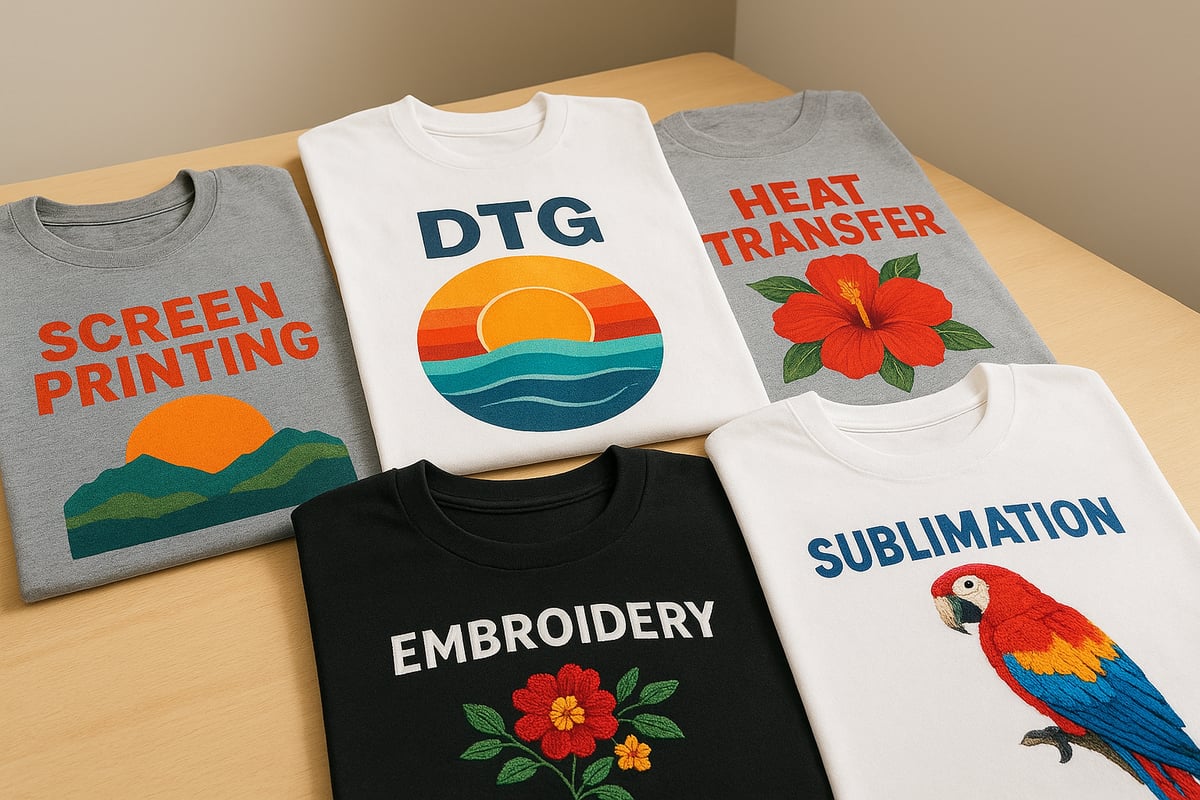
Screen printing is a time-tested technique widely used for custom printed shirts, especially in bulk orders. The process involves pushing ink through a mesh stencil, or screen, onto the fabric. Each colour in the design requires a separate screen, making it ideal for bold, simple graphics.
This method stands out for its durability and vibrant colour reproduction. The ink sits on top of the fabric, creating a slightly raised, tactile finish. Screen printing is cost-effective for large quantities, as setup costs are spread across many shirts.
However, screen printing is less flexible for intricate or multi-colour designs due to the need for separate screens. Small orders may not be economical, and detailed photographic images are challenging to reproduce. Despite these limitations, many businesses and event organisers favour screen printing for its reliability and lasting quality.
DTG printing has revolutionised the custom printed shirts industry by enabling high-resolution, full-colour prints directly onto the fabric. Using advanced inkjet technology, DTG can produce intricate designs, gradients, and even photographs with remarkable detail.
This method excels for short runs or one-off designs, as there are no setup screens or minimum order requirements. Water-based inks are typically used, providing a soft feel and eco-friendly credentials. DTG is perfect for artists, independent brands, or anyone seeking maximum creative freedom.
The main drawback is that DTG prints may not be as vibrant on dark fabrics without a white underbase, and the method is generally slower for large-scale production. Still, the versatility and accessibility of DTG make it a top choice for modern custom printed shirts. For a deeper dive into the process and its advantages, see this T-shirt printing technologies guide.
Heat transfer printing offers a flexible solution for custom printed shirts, especially when personalisation is key. The process involves applying designs onto garments using heat and pressure, either through vinyl cut-outs or digitally printed transfers.
This technique is highly cost-effective for small batches, custom names, or numbers, making it popular for sports teams and promotional events. The range of colours and finishes, including metallics and fluorescents, adds to its appeal.
While heat transfer is fast and adaptable, it may not match the breathability or longevity of screen or DTG prints. Transfers can sometimes feel thicker on the fabric, and repeated washing may impact durability. Nonetheless, for short-term or highly personalised projects, heat transfer remains a practical choice for custom printed shirts.
Sublimation printing is a standout method for polyester garments and all-over print designs. The process uses heat to transfer dye directly into the fabric fibres, resulting in vivid, permanent colours that will not crack or fade.
The finish is exceptionally smooth, with no added texture, making the design feel like part of the shirt itself. Sublimation is especially popular for sportswear, fashion brands, and creative projects requiring seamless, edge-to-edge artwork.
However, sublimation is limited to light-coloured, synthetic fabrics, primarily polyester. Cotton and dark garments are not compatible. Despite these constraints, the technique offers unmatched creative possibilities for custom printed shirts that demand bold, full-coverage designs.
Embroidery offers a distinct alternative to printing for custom printed shirts, using threads to stitch designs directly onto fabric. This method delivers a professional, textured look that stands out for its durability and perceived value.
Ideal for corporate uniforms, workwear, and school apparel, embroidery resists fading and wear, maintaining its quality through repeated washing. The tactile finish adds a touch of sophistication that printing methods cannot replicate.
While embroidery is best suited for logos and text rather than intricate graphics, it provides a premium appearance that elevates the overall presentation of custom printed shirts. The process is more expensive for complex, large designs, but the result is a long-lasting, impressive garment.
Selecting the ideal printing method for custom printed shirts depends on several factors. Consider these points:
The table below summarises how each method compares:
| Method | Best For | Durability | Fabric Compatibility | Order Size |
|---|---|---|---|---|
| Screen Printing | Bulk, bold graphics | High | Cotton, blends | Large |
| DTG Printing | Detailed, full-colour | Medium | Cotton, blends | Small/Medium |
| Heat Transfer | Personalisation, small | Medium | Most fabrics | Small |
| Sublimation | All-over, polyester | High | Polyester only | Any |
| Embroidery | Logos, uniforms | Very High | Most fabrics | Any |
Weigh your priorities and consult with your print provider to ensure your custom printed shirts meet your expectations, both visually and practically.
Designing custom printed shirts requires more than creativity – it calls for an understanding of technical requirements and evolving trends. Whether you are creating a shirt for your business, an event, or personal wear, a thoughtful approach will ensure your design is both eye-catching and practical. This section will guide you through the essentials, from choosing the right resolution to collaborating with design professionals, helping you get the most from your custom printed shirts.
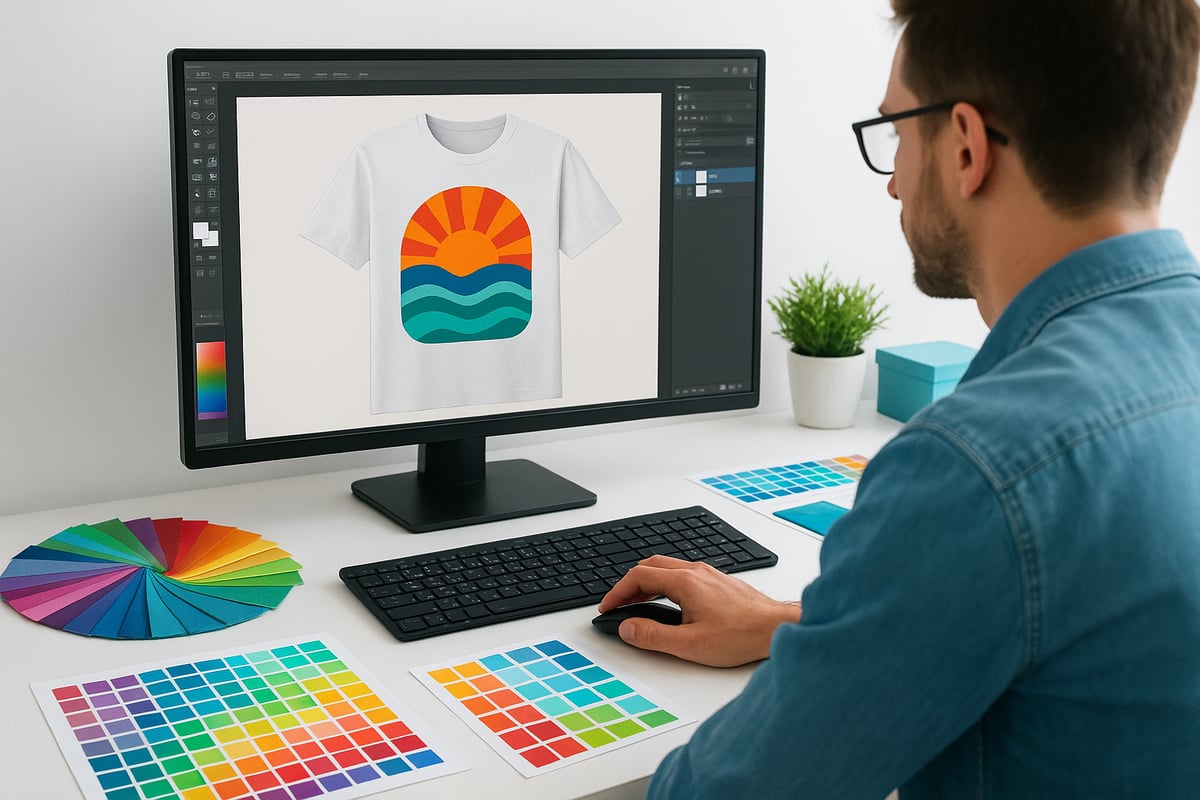
To achieve professional results with custom printed shirts, start with high-resolution artwork. Aim for at least 300 DPI to ensure sharp, clear prints. Use vector graphics wherever possible, as they can be scaled without losing quality. Choose the right colour mode – CMYK for print, not RGB, to guarantee colours appear as intended. Save files in print-friendly formats such as .AI, .EPS, or high-quality .PNG. Paying attention to these fundamentals will ensure your custom printed shirts stand out for the right reasons.
In 2025, custom printed shirts reflect both individuality and broader cultural movements. Minimalist graphics, nostalgic retro designs, and bold statement prints are trending. Eco-conscious messaging is increasingly popular, as is the use of AI-generated art for unique, personalised visuals. Custom printed shirts now serve as canvases for personal stories, social causes, and dynamic branding, making them more versatile and expressive than ever.
Effective placement is crucial for custom printed shirts. The chest, back, and sleeves are classic print areas, but creative alternatives – such as side prints or all-over designs – can add impact. Consider how the design will be viewed when worn. A well-placed graphic enhances visibility and wearability, ensuring your custom printed shirts make a lasting impression. Always check print area guidelines to avoid unwanted cropping or distortion.
Select colours that offer strong contrast and ensure readability on your custom printed shirts. Light designs on dark shirts, or vice versa, are visually striking. Match your design to the shirt fabric – cotton, blends, and performance fabrics each interact differently with printing methods. Use the table below to help choose the best fabric for your needs:
| Fabric Type | Print Compatibility | Best For |
|---|---|---|
| 100% Cotton | Screen, DTG, Embroidery | Everyday, comfort |
| Cotton/Poly Blend | Screen, DTG, Sublimation | Durability, vibrant colour |
| Polyester | Sublimation, Heat Transfer | Sports, all-over prints |
Thoughtful colour and fabric choices will elevate your custom printed shirts.
Even great ideas can falter due to avoidable errors in custom printed shirts. Common pitfalls include:
To avoid these mistakes, keep designs simple and bold, always preview on a shirt template, and double-check size specifications. These steps will help your custom printed shirts look polished and professional.
When designing custom printed shirts, you can collaborate with a professional designer or use online customisation platforms. Each approach has its merits. Designers bring expertise and originality, while online tools offer convenience and control. For more guidance on making the right choice and maximising your design results, see these personalised t-shirt design insights. Clear communication and feedback are key to achieving a shirt that matches your vision.
Ordering custom printed shirts can feel complex, but by breaking the process into clear steps, you can ensure smooth results every time. This guide walks you through each stage, helping you make informed decisions and avoid common mistakes. Whether you are organising an event, promoting a business, or expressing your creativity, following these steps will lead to a successful custom printed shirt order.

Start by clarifying why you need custom printed shirts and who will wear them. Are they for a corporate event, a marketing campaign, a sports team, or a special occasion? Knowing your goals helps shape every decision, from design to delivery.
Consider the impact you want to achieve. Do you wish to boost team spirit, promote a brand, or create memorable keepsakes? If you are unsure about the potential advantages, explore the benefits of custom t-shirts to see how they can support your aims.
Think about the preferences and needs of your target audience. Age range, gender, and style preferences all play a role in selecting the right product.
Select the shirt style, fabric, and fit that best suit your purpose. Options include classic cotton tees, performance fabrics, and premium blends. Each offers a unique feel and durability.
Next, match the printing method to your design and budget. Screen printing is ideal for bulk orders, while direct-to-garment suits detailed, colourful graphics. Heat transfer and sublimation work well for smaller batches or specific materials. Embroidery provides a professional touch for uniforms and workwear.
Review sample shirts and print finishes to ensure your choice aligns with your expectations for custom printed shirts.
Bring your ideas to life using online design tools or by uploading your own artwork. Many suppliers offer intuitive platforms for adding text, images, and logos.
Check that your design files meet quality requirements. Use high-resolution images and the correct colour mode (CMYK for print). If collaborating with a designer, share clear guidelines and request proofs for review.
Take advantage of design previews to visualise how your custom printed shirts will look before moving forward.
Estimate the number of shirts you need. For teams or events, gather size information in advance to ensure everyone is covered.
Most suppliers offer a standard size range, from XS to 3XL or larger. Consider ordering a few extra shirts to accommodate last-minute requests. Inclusive sizing ensures no one is left out.
Use the supplier’s size charts to minimise errors and ensure the best fit for your custom printed shirts.
Carefully double-check your design proofs, size selections, and order details before finalising your purchase. Confirm spelling, colours, and placement to avoid surprises later.
A reputable supplier will provide an order summary for your approval. Ensure all specifications match your requirements for custom printed shirts.
Secure payment options and order confirmation provide peace of mind as your shirts move into production.
Production timelines vary depending on order size and complexity. Standard orders may take a few days to a week, while larger batches or intricate designs might require more time.
Quality assurance is essential. Suppliers typically inspect prints, colours, and garment quality before dispatching your custom printed shirts.
Ask about production updates and quality control measures to stay informed throughout the process.
Choose from various delivery options, such as standard shipping or express courier services. Tracking information helps you monitor your order’s progress.
Once received, follow care instructions to maximise the lifespan of your custom printed shirts. Washing inside out, using gentle cycles, and avoiding high heat preserve the print and fabric.
Share feedback with your supplier if you are satisfied, or seek support promptly if any issues arise.
Even experienced buyers can encounter challenges. The table below highlights frequent pitfalls and solutions:
| Pitfall | Solution |
|---|---|
| Low-quality artwork | Use high-resolution files and proofs |
| Incorrect sizing | Confirm with size charts and sample orders |
| Missed deadlines | Plan ahead, communicate timelines clearly |
| Design placement issues | Review digital proofs thoroughly |
| Unclear communication | Keep written records and confirm details |
Clear guidelines, open communication, and careful review at each stage help you avoid setbacks and ensure your custom printed shirts meet expectations.
Sustainability is rapidly becoming a top priority for consumers and businesses when it comes to custom printed shirts. The shift towards eco-friendly practices and ethical production is shaping the industry, influencing how shirts are made, printed, and sourced. Let us explore the essential considerations that matter most for responsible custom printed shirts in 2025.
The demand for sustainable custom printed shirts has driven innovation in both materials and printing techniques. Many brands now use water-based inks, which are less harmful to the environment compared to traditional plastisol inks. Organic cotton and recycled polyester have become common choices for shirt fabrics, offering reduced chemical use and lower carbon footprints.
Certifications such as GOTS, OEKO-TEX, and the Fair Wear Foundation help buyers identify products that meet strict environmental and ethical standards. For a deeper dive into eco-friendly options, the Sustainable custom t-shirt printing guide highlights best practices and emerging trends. These steps ensure that custom printed shirts are not only stylish but also responsible choices for the planet.
Traditional shirt printing often results in excess inventory and wasted resources. Print-on-demand technology is transforming the way custom printed shirts are produced by enabling brands to create only what is needed. This approach reduces overproduction and helps prevent unwanted stock from ending up in landfills.
Digital printing methods, such as direct-to-garment, further support waste reduction by using only the necessary amount of ink and energy for each shirt. By making production more flexible and responsive, these methods align with both environmental goals and the desire for unique, personalised designs.
Responsible sourcing is a key aspect of sustainable custom printed shirts. Ethical manufacturing means ensuring that workers are paid fairly, operate in safe conditions, and have their rights protected. Transparent supply chains let buyers trace the origins of their garments and confirm that they meet high standards of social responsibility.
Brands focused on ethical sourcing often partner with certified factories and support initiatives that promote workers’ well-being. When you choose custom printed shirts from such sources, you are supporting a system that values people as much as the product.
Buyers have significant influence on the sustainability of custom printed shirts. By selecting shirts made from organic or recycled materials and opting for eco-friendly printing methods, consumers help drive demand for responsible practices. Look for certifications and ask suppliers about their environmental policies before placing an order.
Investing in higher quality, sustainable shirts can also pay off with greater durability and comfort. Making thoughtful choices not only benefits the environment but also ensures that your custom printed shirts make a positive statement for years to come.
The custom printed shirts industry is embracing new innovations to further its sustainability goals. Developments like closed-loop recycling, biodegradable inks, and carbon-neutral printing facilities are becoming more common. These innovations help reduce environmental impact while maintaining high standards of quality and creativity.
According to Sustainable practices in textile printing, digital textile printing is at the forefront of this green transformation. As technology evolves, expect to see even more eco-friendly options shaping the future of custom printed shirts, allowing brands and individuals to express their values and style responsibly.
The landscape of custom printed shirts is set to evolve rapidly in 2025. Advancements in technology, shifting consumer expectations, and sustainability concerns are all shaping the next generation of personalised apparel. Let us explore the major trends and innovations that will define the future of custom printed shirts.
Smart fabrics are revolutionising the custom printed shirts industry. Integrated technologies, such as NFC tags and QR codes, are now embedded directly into garments. These features allow wearers to interact with their shirts, access digital content, or even connect with social media profiles.
Brands are embracing smart textiles for marketing campaigns and events. For example, a company might issue shirts with scannable codes that link to exclusive online experiences. This connectivity transforms ordinary shirts into interactive media, making custom printed shirts more engaging and valuable than ever.
Artificial intelligence is driving a new era of personalisation in custom printed shirts. AI-powered design tools can generate unique artwork based on user preferences or trending themes. This technology makes it easier for individuals and businesses to create one-of-a-kind pieces without advanced design skills.
Personalisation extends beyond aesthetics. AI can analyse customer data to recommend shirt styles, colours, and even print placements that align with current trends. As a result, custom printed shirts are becoming more tailored to individual tastes, helping brands stand out in a crowded market.
On-demand manufacturing is transforming how custom printed shirts are produced. Microfactories and distributed printing networks allow for local, small-batch production, reducing lead times and minimising waste. This approach is particularly beneficial for businesses that need quick turnaround or want to test new designs with limited risk.
Local production supports sustainability goals by cutting down on shipping distances and excess inventory. Print-on-demand services empower microbrands and independent designers to enter the market with minimal upfront investment, democratising access to custom printed shirts for all.
Consumers are demanding more from their custom printed shirts. Speed, quality, sustainability, and ethical production are now top priorities. People expect faster delivery times and more flexible customisation options, such as choosing eco-friendly materials or requesting unique design placements.
Businesses are responding by adopting transparent supply chains and offering detailed product information. Clear communication about sourcing, printing methods, and aftercare further builds trust. As expectations continue to rise, only those who deliver on these fronts will thrive in the custom printed shirts market.
Looking ahead, the custom printed shirts industry will continue to innovate at a rapid pace. We can expect to see greater integration of smart technologies, more sophisticated AI-driven personalisation, and an increased focus on sustainable practices. According to Future trends in custom apparel, consumers will drive demand for eco-conscious materials and on-demand production models.
The convergence of technology, creativity, and ethical considerations will shape the industry’s future. Custom printed shirts will not only reflect personal style but also serve as platforms for innovation and responsible consumption.

OK T-Shirt
126 Beeches Rd
Birmingham
B42 2HQ
