Cheap Printed T-Shirts UK: Quality & Value Guide 2026
Discover how to source cheap printed t-shirts UK without compromising…
Did you know the demand to customise my own t shirt is growing by 9% each year in the UK? More people than ever are discovering the satisfaction of wearing unique, self-designed apparel. In 2026, custom T-shirts are not just a trend—they are a personal statement.
This essential guide will show you every step to bring your ideas to life. Whether you want a shirt for yourself, a special event, or to boost your business branding, you will find the latest tools, methods, and industry secrets here.
From finding inspiration and choosing fabrics, to exploring printing and embroidery, each section is designed to empower your creativity. Ready to make a T-shirt that truly reflects you? Follow along and start your journey today.
Personalisation is shaping the future of fashion, and more people are choosing to customise my own t shirt for style, events, and business. In 2026, the opportunities for creativity, sustainability, and innovation are greater than ever. Let us explore why this trend is thriving.

Custom fashion is booming as people seek unique self-expression. Social media and influencers have made it easier to share and discover new styles. In fact, 68% of Gen Z shoppers now prefer personalised products, making it more popular than ever to customise my own t shirt.
Online tools and print-on-demand services allow anyone to bring their ideas to life. From minimalist designs to bold retro graphics, the variety is endless. According to Top 10 Custom T-Shirt Design Trends Dominating 2025, sustainable materials and AI-driven customisation are now leading the market. This shift enables everyone to stand out, whether for fashion, events, or brand promotion.
There are many benefits when you customise my own t shirt, whether for personal use or as part of a group. Wearing a custom T-shirt at family gatherings, sports matches, or charity events helps you stand out and create lasting memories.
Groups and businesses use custom shirts to build team identity and boost morale. Small businesses benefit from branded uniforms, enhancing their professional image. Customisation also makes gift-giving more meaningful, allowing you to design something truly personal.
Modern consumers are making conscious choices to customise my own t shirt with the planet in mind. In 2026, eco-friendly options like organic cotton and recycled materials are widely available. This shift reflects changing values, as 42% of UK shoppers now consider sustainability when buying apparel.
Certifications such as Fairtrade and OEKO-TEX help ensure ethical production. Many custom T-shirt providers are transparent about their sourcing, making it easier to shop responsibly. Choosing sustainable options not only helps the environment but also supports fair working conditions.
The tools to customise my own t shirt have advanced rapidly. AI-powered design platforms and virtual try-ons make it simple to experiment with colours, patterns, and placements before ordering.
On-demand printing technology reduces waste and allows for small batch or even single-shirt production. AI-generated designs are gaining popularity, providing fresh inspiration for both individuals and brands. These innovations mean anyone can create a professional-quality T-shirt with ease.
Improved printing technology has made it more affordable to customise my own t shirt, whether you need one or one hundred. Bulk discounts make group orders cost-effective, perfect for schools, sports teams, and charity events.
Ordering online is straightforward, and many suppliers offer deals for larger quantities. Examples include school leaver shirts and event-specific T-shirts, which can be ordered in various sizes and styles to suit everyone. This accessibility ensures custom T-shirts fit all budgets and needs.
When you customise my own t shirt, you tap into your creativity and self-expression. Artists and designers can showcase their work, while anyone can design a shirt that reflects their personality or message.
The UK custom T-shirt market was valued at £400M in 2025, highlighting the demand for creative solutions. Peer feedback and online communities support new ideas, making the process collaborative and rewarding. Custom T-shirts empower individuals and groups to make a statement in style.
Creating a unique T-shirt starts with thoughtful planning and creativity. Whether you want to customise my own t shirt for personal style, a business, or a group, inspiration is key. Let us explore each stage to ensure your design stands out and aligns with your goals.
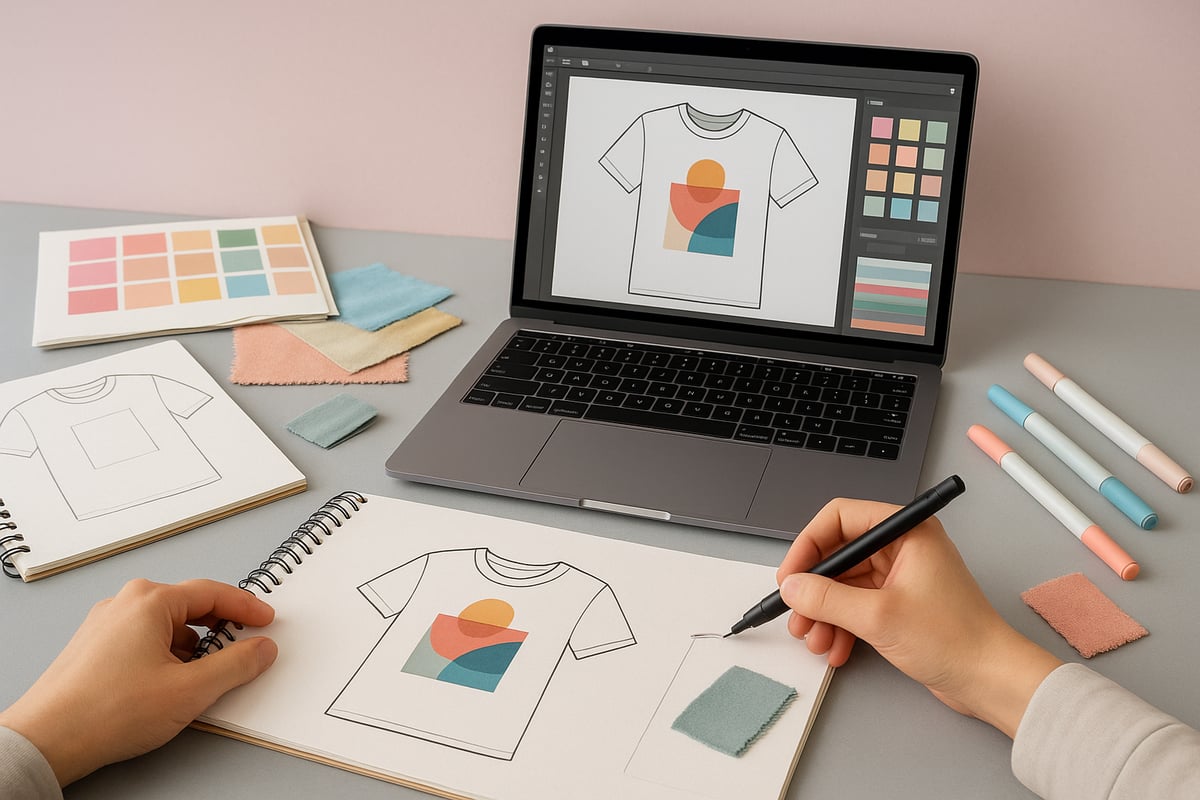
Before you customise my own t shirt, clarify its purpose. Is it for everyday wear, a special event, or branding? Define your target audience by considering age, interests, and the occasion. For example, matching shirts for a stag or hen party differ greatly from business uniforms. Understanding your audience shapes your choices and helps your design resonate. Think about what message or impression you want your T-shirt to convey, and let this influence your creative direction.
Stay updated on current design trends to ensure your T-shirt feels modern. Minimalism, retro graphics, and bold typography are popular choices. Platforms like Pinterest and Instagram offer inspiration, while design blogs highlight new developments. In fact, 55% of custom T-shirt buyers are influenced by online trends. For a deeper dive into the latest styles, including oversized, minimalist, and sustainable options, see the Top Custom T-Shirt Trends in the UK for 2025. Use this research to refine how you customise my own t shirt effectively.
Start the creative process by brainstorming and sketching. Use mood boards, rough sketches, or digital templates to visualise your ideas. Whether you sketch by hand or use online tools, this step allows you to experiment freely. For example, if you customise my own t shirt for a charity run, sketching a logo or slogan can help clarify your vision. Collect references, play with layouts, and do not hesitate to iterate. This stage is about exploring possibilities before settling on a final design.
Colour choice plays a crucial role when you customise my own t shirt. Select hues that match your theme and audience, using colour psychology to convey the right message. For example, blue can evoke trust, while red signals energy. Typography matters too—choose fonts that are readable and impactful. High-contrast designs are 30% more likely to catch attention, so balance colour and font for maximum effect. Test combinations before committing, ensuring your message is clear and visually appealing.
If your design includes images or graphics, source them carefully. Use royalty-free resources or create original artwork to avoid copyright issues. For commercial projects, double-check licensing terms. Tools like Canva and Adobe Express make it easy to generate quick, professional visuals. When you customise my own t shirt, ensure all elements are high resolution and suitable for printing. Proper sourcing guarantees both quality and legality, giving your T-shirt a professional finish.
Before production, seek feedback on your draft designs. Share your concepts with friends, family, or online communities to gather opinions. Peer review is essential—60% of successful designs involve input from others. Incorporate constructive feedback to refine your work. This collaborative step helps you spot potential issues and improve your design before you customise my own t shirt. Adjust as needed, then proceed confidently to the next phase.
Selecting the perfect base is a crucial step when you want to customise my own t shirt. The right material and style can make all the difference in comfort, appearance, and durability. Let us guide you through the key factors in making the best decision for your custom project.
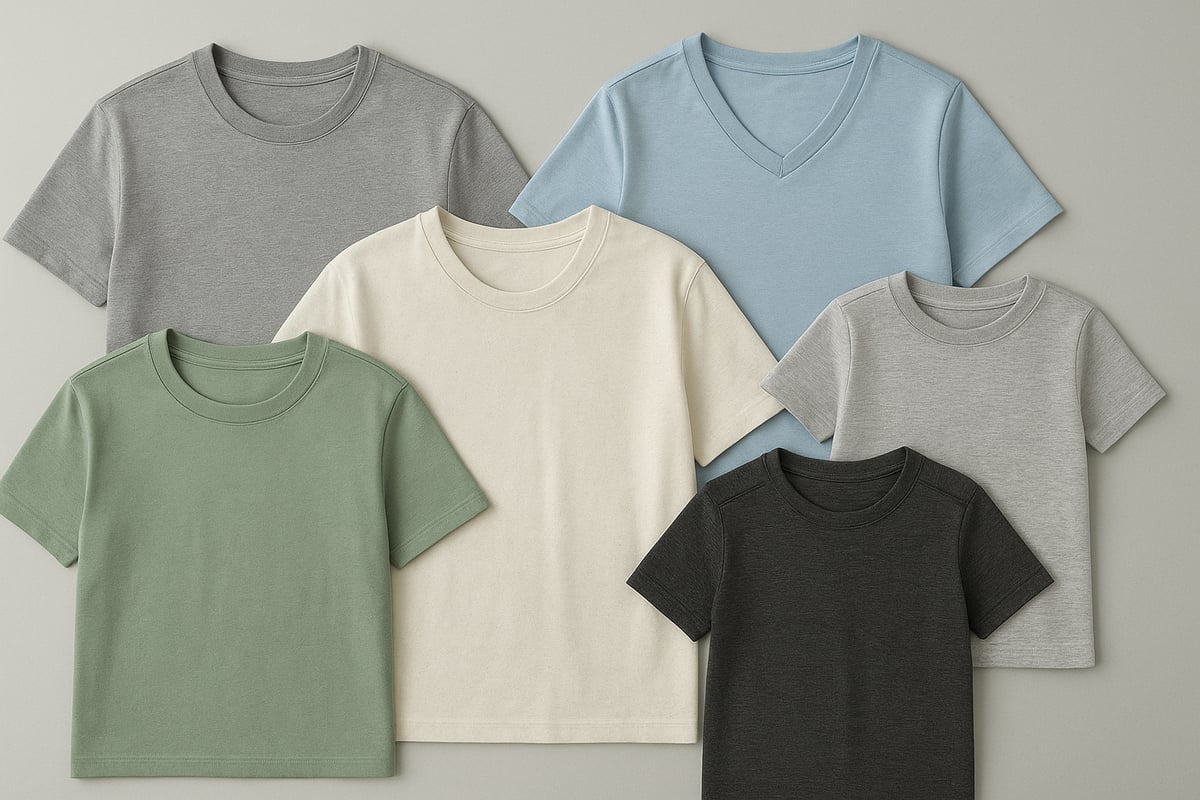
When planning to customise my own t shirt, the fabric you choose impacts both the feel and final result. Cotton is a classic choice, offering softness and breathability. Organic cotton is even more popular now, with sales up 20% year on year in the UK, and appeals to those wanting a sustainable edge.
Polyester and poly-cotton blends are durable and resist shrinking, making them ideal for activewear or vibrant prints. Recycled materials have gained traction in 2026, offering eco-conscious consumers a responsible alternative. Each fabric type has its pros and cons, so weigh comfort, durability, and print compatibility before you decide.
Fit and style are essential when you customise my own t shirt, as they influence both comfort and the overall look. Choices range from unisex, men’s, women’s, and kids’ fits, to oversized or athletic cuts. Neckline options such as crew, V-neck, or scoop can further personalise your shirt.
For those unsure where to start, the T-Shirt Printing Styles Guide offers a comprehensive overview of available base styles, making it easier to match your needs to the right garment. Whether you want a relaxed fit for casual wear or a tailored cut for uniforms, there is a style for everyone.
Colour plays a key role when you customise my own t shirt, especially in 2026, when sage green, pastel blue, and classic black are trending. Light-coloured shirts work well for most print methods and make designs pop, while dark shirts provide a bold canvas for vibrant graphics.
Remember, black and white remain perennial favourites, but pastels are on the rise. The shirt colour directly affects print visibility, so choose based on your design’s palette and the intended impact.
Quality is not just about how a T-shirt looks on day one, but how it lasts after many washes. When you customise my own t shirt, consider the GSM (grams per square metre), which tells you about thickness and feel. Higher GSM usually means a sturdier, longer-lasting tee.
Look for features like double stitching and pre-shrunk fabrics. These details, such as reinforced seams for workwear, can extend the life of your customised shirts and keep them looking sharp over time.
A great custom T-shirt should fit everyone. When you customise my own t shirt, ensure you offer a full size range, including plus and petite options. Accurate size charts and fit guides help customers make the right choice, reducing returns and improving satisfaction.
Inclusive sizing is more than a trend, with research showing it increases customer satisfaction by 25 percent. Make sure everyone in your group, team, or business finds the perfect fit.
Sustainability matters more than ever when you customise my own t shirt. Look for certifications like Fairtrade, GOTS, and OEKO-TEX that signal ethical sourcing and eco-friendly production. Choosing a supplier with transparent practices ensures your custom shirts are as responsible as they are stylish.
For example, many leading suppliers now offer organic or recycled fabrics, helping reduce your environmental footprint. Ethical choices are not just good for the planet, but also resonate with today’s values-driven consumers.
Customising your own T-shirt in 2026 means choosing from a range of innovative printing and embroidery techniques. Each method offers unique benefits, making it essential to select the right one for your vision, budget, and intended use. Let us explore the main options to help you make an informed decision.
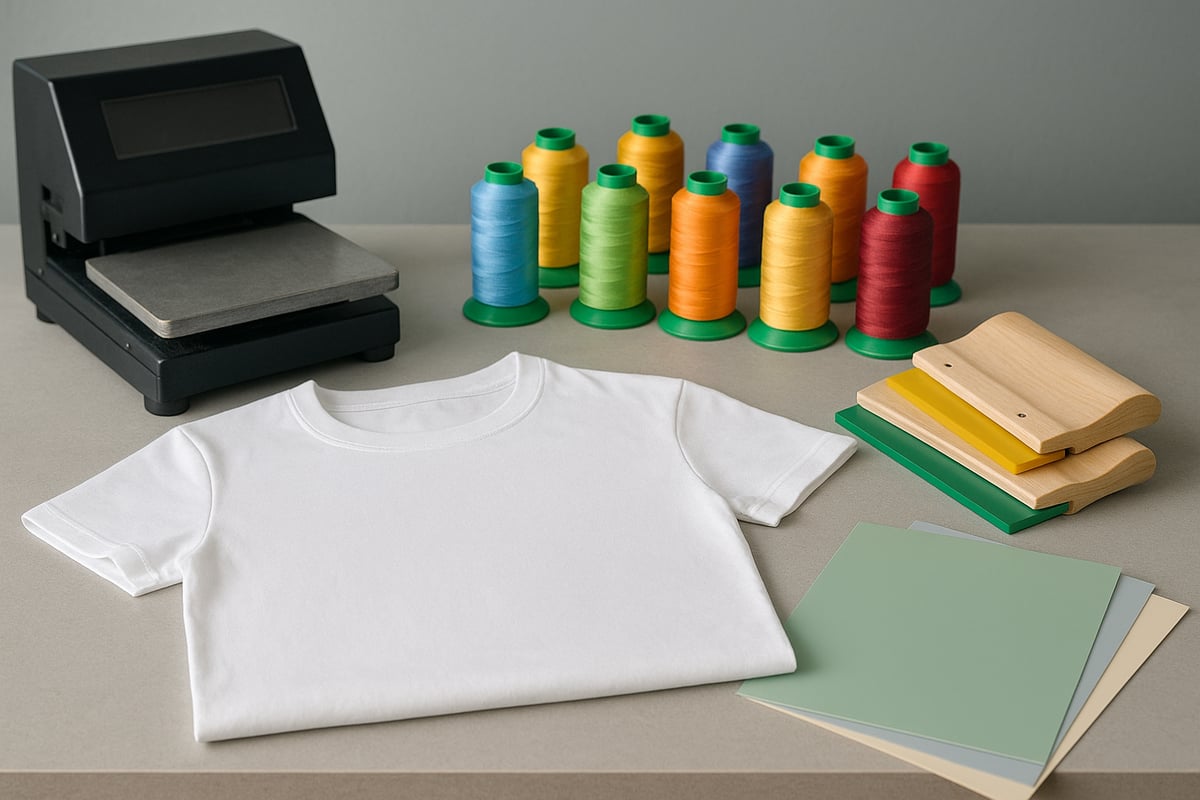
DTG printing is perfect if you want to customise my own t shirt with intricate, colourful designs. This process uses specialised inkjet printers to apply water-based inks directly onto the fabric. The result is a soft feel and high-resolution detail, especially effective on 100% cotton garments.
DTG excels at reproducing photographs and gradients, making it ideal for one-off pieces or small batches. No setup costs mean you can order single shirts without breaking the bank. However, the method works best on light-coloured shirts, as darker fabrics may require a pre-treatment to maintain vibrancy.
When you need to customise my own t shirt for events or bulk orders, screen printing stands out. This classic technique involves pushing ink through a mesh stencil onto the shirt, layer by layer. It is especially cost-effective for large quantities, as the setup cost is spread across many garments.
Screen printing delivers bold, vibrant colours that last through countless washes. It is best suited to simple graphics, logos, or text with limited colours. For example, charity events and school leaver shirts often use this method to ensure durability and a professional look.
Heat transfer and vinyl printing provide a flexible option to customise my own t shirt with names, numbers, or unique artwork. Designs are printed onto a special film or cut from coloured vinyl, then fused to the shirt using heat and pressure. This technique is excellent for quick turnarounds and allows for customisation on different fabrics.
You can create layered effects or add metallic finishes for extra flair. Sports teams often use vinyl for personalising kits, while small businesses appreciate the ability to produce one-off pieces affordably.
For a premium finish, embroidery is a timeless choice when you want to customise my own t shirt. Using threads stitched directly into the fabric, embroidery adds texture and a professional appearance. It is perfect for logos, monograms, and workwear, offering exceptional durability.
Embroidery is commonly seen on business polos, school uniforms, and branded apparel where longevity and a refined look are crucial. While it is typically more expensive than printing, the result is long-lasting and elegant.
Sublimation printing is the method of choice if you wish to customise my own t shirt with all-over, photo-quality graphics. This process uses heat to infuse dye into polyester fabrics, resulting in vibrant, fade-resistant colours. The ink becomes part of the fabric, so the design will not crack or peel over time.
This method is especially popular for sports teams and fashion brands looking to create bold, seamless designs that cover every inch of the shirt.
Choosing how to customise my own t shirt depends on your priorities—be it detail, volume, or longevity. DTG and sublimation excel at detailed, colourful designs; screen printing is unbeatable for large orders; embroidery provides a high-end, robust finish. For further insights on these methods and more, see this complete guide to T-shirt printing.
Understanding each technique ensures your custom T-shirt matches your expectations, from a single statement piece to a full event order.
Customising your own T-shirt in 2026 has never been simpler or more rewarding. With advanced tools and user-friendly platforms, anyone can bring a unique idea to life. Here, we break down each stage so you can confidently customise my own t shirt, whether for personal style, group events, or business branding.
Begin by choosing the base garment. Consider the style, fabric, and cut to suit your needs. Options include classic cotton, organic blends, and performance wear for sports or active groups.
Check the size guide provided by your supplier. If you plan to customise my own t shirt for a group or event, order a sample first to ensure the fit and quality meet your expectations. Inclusive sizing is increasingly available, making it easy to find the right match for everyone.
Next, bring your vision to life. Use online design tools or upload your artwork directly. For the best results, ensure your design file is high resolution, ideally 300 DPI. This guarantees sharp, vibrant prints when you customise my own t shirt.
Most platforms accept formats like PNG, JPEG, or SVG. Carefully consider design placement — front, back, or sleeve — and visualise how it will look on different sizes.
Now, select the printing or embroidery technique that fits your design and budget. Direct-to-garment printing is perfect for intricate, colourful images. Embroidery adds a tactile, premium touch, ideal for logos or monograms.
When you customise my own t shirt, match the technique to the fabric and intended use. For example, embroidery works well on thicker cotton, while DTG excels on lighter fabrics.
Before production begins, review a digital mock-up or 3D preview of your T-shirt. Many suppliers offer this as part of the ordering process. Examine the placement, colours, and scale to ensure everything aligns with your vision.
When you customise my own t shirt, requesting a digital proof can help you spot any issues and make final adjustments. It is a crucial step to avoid surprises and ensure satisfaction.
Once you are happy with the design, finalise your order. Double-check sizes, quantities, and specifications, especially for group or event orders. Secure payment and confirm your delivery details.
For school leavers, sports teams, or charity events, consider exploring School and Group Custom T-Shirts for convenient bulk options. When you customise my own t shirt in bulk, you often benefit from group discounts and streamlined logistics.
After your order is placed, your supplier will start production. Typical turnaround times range from 2 to 7 days, depending on order size and complexity. Quality control checks are performed to ensure consistency and accuracy.
If you customise my own t shirt for a special event, keep communication open with your supplier for updates. Fast turnaround and reliable quality are top priorities for most customers.
Once your custom T-shirts are ready, choose your preferred delivery option. Standard, express, or local pickup may be available. When your package arrives, inspect the shirts for print quality, sizing, and overall finish.
For group orders, distribute the shirts and gather feedback. A positive unboxing experience sets the tone for your event or campaign.
Preserving the quality and appearance of your custom T-shirt is essential if you want it to look great and last longer. Once you customise my own t shirt, following the right care routine will keep the colours vibrant and the fabric in top condition.
To maintain your T-shirt’s print and fabric, always turn it inside out before washing. Use cold water and mild, eco-friendly detergents to protect both the design and the environment. Avoid using bleach or fabric softeners, as these can damage the print and weaken fibres.
For best results, air dry your shirt or use a gentle tumble dry on a low setting. Proper washing and drying can increase the lifespan of your garment by 50 percent, ensuring your efforts to customise my own t shirt are worthwhile.
Iron your T-shirt inside out to prevent direct contact between the hot plate and the printed or embroidered areas. Use a low heat setting and avoid steam on decorated sections for optimal results.
To prevent creases and preserve the shape, either fold your shirt neatly or hang it on a wide hanger. These simple steps help maintain the quality after you customise my own t shirt, especially if you plan to wear it regularly.
Tackle stains as soon as possible by spot cleaning with a mild detergent and cold water. For tougher marks, soak the affected area briefly before washing the entire shirt.
If you notice small tears or loose threads, repair them promptly to avoid further damage. Quick fixes can double the life of your T-shirt, making it a smart habit after you customise my own t shirt.
Even with the best care, signs of wear will eventually appear. Look for fading, cracked prints, or loose embroidery as indicators that it is time for a replacement.
If you are managing group orders, such as uniforms or event shirts, keep records for easy reordering each year. This proactive approach ensures consistency and satisfaction for everyone involved.
When your custom T-shirt reaches the end of its life, choose eco-friendly options for disposal. Donate wearable shirts, recycle fibres, or get creative by turning old garments into tote bags or cleaning cloths.
For those interested in responsible practices, explore Sustainable and Ethical Workwear for inspiration on upcycling and ethical disposal. Around 25 percent of UK consumers already recycle old clothing, making this a smart and sustainable choice.
OK T-Shirt
126 Beeches Rd
Birmingham
B42 2HQ
