Cheap Printed T-Shirts UK: Quality & Value Guide 2026
Discover how to source cheap printed t-shirts UK without compromising…
Unleash your creativity and make a statement in 2026 with a personalised T-shirt that truly reflects your style. Whether you want to customise own t shirt for personal expression, a special event, or to launch a small business, this guide is your creative companion.
You will discover the latest trends in T-shirt customisation, learn a step-by-step design process, explore materials and printing methods, and find out how to source the best production options. Get ready for expert tips to ensure your custom T-shirt stands out and lasts. Let’s begin your journey to a unique, professional result.
Unleashing your creativity in 2026 is more than a trend, it is a movement. The decision to customise own t shirt reflects a desire for originality, self-expression, and thoughtful design. From viral campaigns to eco-conscious choices, custom T-shirts are at the heart of a fashion revolution.
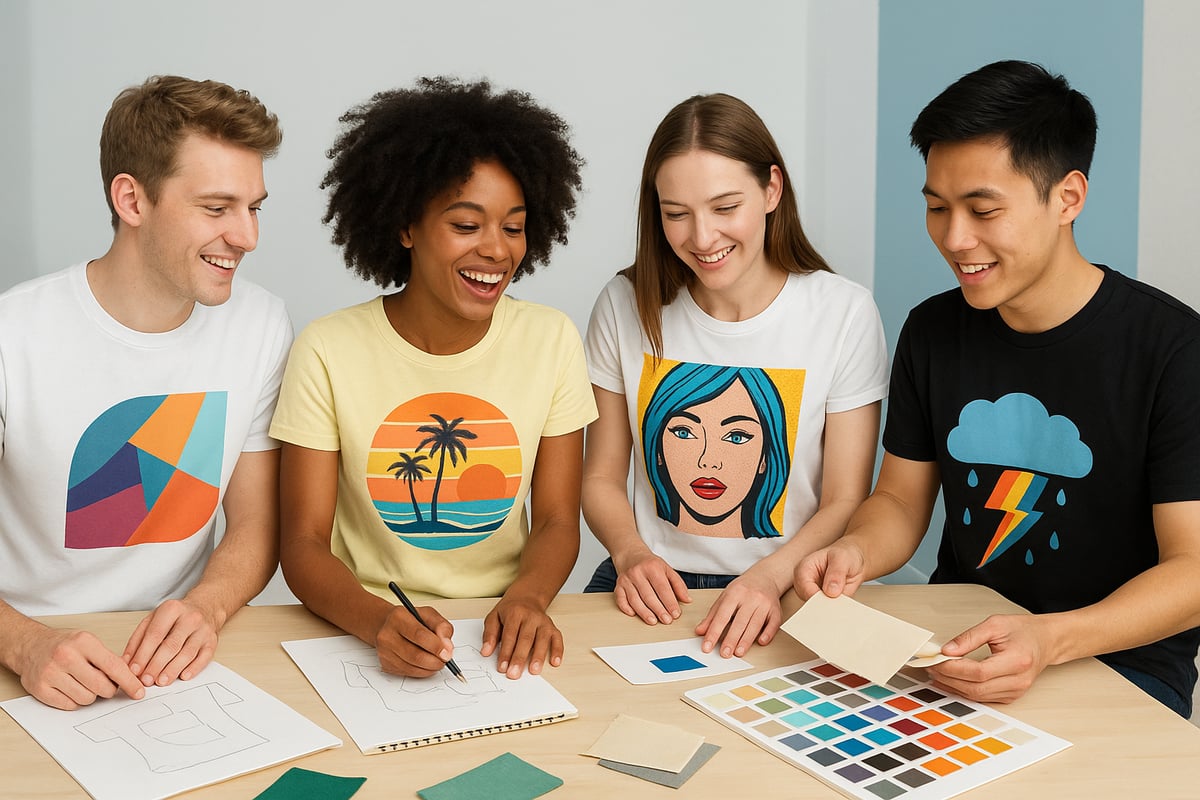
Today’s fashion landscape is defined by the desire to stand out. More than 73 percent of Gen Z consumers say they prefer personalised clothing, and the ability to customise own t shirt has never been more accessible. Social media platforms like Instagram and TikTok amplify custom designs, turning unique shirts into viral sensations overnight.
Brands, influencers, and everyday creators use custom T-shirts for charity drives, limited edition collaborations, and powerful statements. As sustainability and ethical production become top priorities, on-demand printing and locally sourced garments are increasingly popular. This shift enables anyone to express their identity, support causes, or bring communities together through a single garment.
Choosing to customise own t shirt unlocks a variety of benefits for individuals and groups alike. Whether you are attending a festival, organising a reunion, or launching a business, a custom T-shirt helps you stand out.
The custom T-shirt market is expected to reach £7.5 billion by 2026, reflecting robust demand and expanding opportunities. For deeper insights into industry growth, see the Custom T-shirt Printing Market Size to Hit USD 18.32 Bn by 2034. Custom apparel is now a proven tool for personal branding, fundraising, and group identity.
The power to customise own t shirt appeals to a wide range of people and organisations. If you value uniqueness, you are in good company.
Whether you are an artist, entrepreneur, or community leader, custom T-shirts offer a versatile platform for creativity and impact.
Customisation is evolving rapidly, with several key trends shaping 2026. The drive to customise own t shirt is influenced by:
Staying ahead of these trends ensures your custom T-shirt remains relevant and desirable for years to come.
Getting started with your journey to customise own t shirt begins with inspiration. Platforms like Pinterest, Instagram, and Behance are full of creative ideas, from clever slogans to stunning artwork and viral memes.
Study successful campaigns, analyse what made 2025’s top custom T-shirt themes resonate, and use mood boards to refine your vision. For example, last year’s charity T-shirt drives combined bold graphics with heartfelt messages, proving the power of thoughtful design. Let your imagination guide you, and remember, every great custom shirt starts with a single idea.
Ready to turn your vision into a wearable masterpiece? This step-by-step guide will help you successfully customise own t shirt, from concept to completion. Whether you're creating a single shirt or launching a new line, each stage is crucial for a professional result.
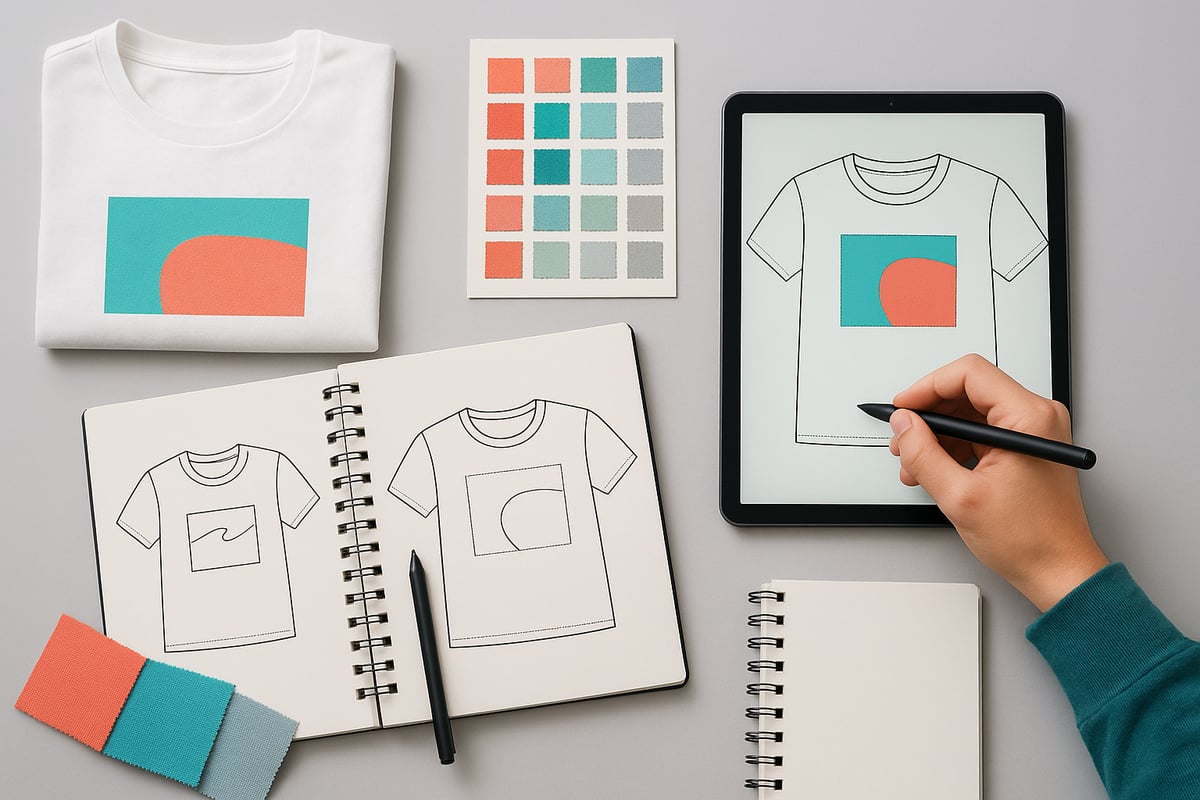
Begin your journey to customise own t shirt by clarifying the purpose behind your project. Are you designing for personal use, a business launch, an event, or as a thoughtful gift? Understanding your motivation sets the tone for every decision that follows.
Next, identify your target audience. Consider their age, style preferences, and the message you want your shirt to convey. For example, a fundraiser shirt may require bold text and a clear cause, while a fashion-forward design for personal wear might focus on unique graphics or subtle details.
Set clear goals for your design. Do you want to inspire, entertain, or unite people? Gather feedback from potential wearers through surveys or casual conversations. Their input can shape your design and ensure your custom creation resonates. Remember, the first step to successfully customise own t shirt is knowing who it's for and what you want it to achieve.
Selecting the right base is essential when you customise own t shirt. Popular styles include crew neck, V-neck, long sleeve, and tank tops. Each offers a distinct look and comfort level, so choose what best suits your project and audience.
Fit is just as important. Unisex, women’s, children’s, and plus-size options ensure everyone feels comfortable and confident. Fabric choice matters too: cotton is breathable and soft, polyester blends offer durability, and organic materials support sustainability goals.
Colour selection can make or break your design. Neutral shades are versatile, while bold colours help your graphics stand out. Always consult a sizing guide and, if possible, request samples to check fit and fabric in person. For a comprehensive overview of available styles and materials, explore T-Shirt Fabric Types and Options. These choices lay the foundation for a successful project as you customise own t shirt.
Now comes the creative heart of the process: the design itself. Whether you prefer to customise own t shirt using DIY design tools like Canva, Adobe Express, or Procreate, or you commission a freelance artist, ensure your design reflects your vision and purpose.
Start with a template if you need inspiration, or create a unique artwork from scratch. Always use high-resolution images (at least 300 DPI) and save files in print-friendly formats such as PNG or vector-based PDFs. This guarantees crisp, professional results when your shirt is produced.
Legal issues matter. Only use graphics and slogans you have rights to, avoiding copyright or trademarked material unless you have explicit permission. Transforming a hand-drawn sketch into a digital, print-ready file can be rewarding, especially when you see your concept come to life. At this stage, your creativity takes centre stage as you customise own t shirt for maximum impact.
The next choice will affect the look, feel, and longevity of your shirt. There are several ways to customise own t shirt, each with distinct advantages:
| Method | Best For | Pros | Cons |
|---|---|---|---|
| Screen Printing | Bulk orders | Vibrant, durable colours | Setup cost, less detail |
| DTG Printing | Small runs, photos | Detailed, full colour | Higher unit price |
| Heat Transfer | Special effects | Flexible, quick | May peel over time |
| Embroidery | Logos, monograms | Premium, textured finish | Limited to simple designs |
Screen printing is ideal for bold, simple graphics and large batches. Direct-to-garment (DTG) printing excels with detailed or photographic designs, perfect for small orders. Heat transfers offer versatility for one-offs or metallic effects, while embroidery provides a textured, high-end feel for logos and names. Consider your design, order size, and budget when selecting the best technique to customise own t shirt.
Proper file preparation is critical to successfully customise own t shirt. Check that your artwork matches the printer’s required dimensions and uses a minimum of 300 DPI for clear, sharp results. Ensure your colour profiles are set correctly, usually CMYK for print.
Mockups are invaluable. Use online generators to visualise your design on various shirt colours and styles. This helps you spot alignment issues or colour clashes before production begins.
Before finalising, double-check all text for spelling errors, ensure elements are properly aligned, and account for bleed areas if needed. Taking time now prevents costly mistakes and ensures your custom shirt looks exactly as you imagined.
Ordering a sample is a crucial step before you commit to a full run. It allows you to evaluate the print quality, colour accuracy, and garment comfort firsthand. This small investment can save you from disappointment or wasted resources later.
Review your sample in different lighting and after a wash cycle to spot any fading, peeling, or fit issues. Seek feedback from others who fit your target audience, as their impressions can highlight improvements you might miss.
If adjustments are needed, work closely with your printer to refine the design or technique. Perfecting your sample ensures the final batch of custom shirts meets your expectations. This attention to detail is what elevates your effort to customise own t shirt to a truly professional result.
Selecting the right materials and techniques is essential when you want to customise own t shirt. Each choice affects the look, feel, and longevity of your finished garment. Understanding fabric types and print methods ensures your creative vision stands the test of time.
The foundation of any attempt to customise own t shirt is the fabric. Cotton remains a top choice because of its softness and breathability, making it ideal for everyday wear. Organic cotton and recycled blends are gaining popularity among those seeking sustainable options, offering environmental benefits without sacrificing comfort.
Polyester and performance fabrics are valued for moisture-wicking properties and durability, suitable for sports or active use. Fabric weight, measured in grams per square metre (gsm), also has a major impact. Lighter fabrics feel cooler, while heavier ones offer a premium feel and often support sharper print details.
Quick Fabric Comparison Table:
| Fabric Type | Benefits | Best Use Cases |
|---|---|---|
| Cotton | Soft, breathable | Everyday, fashion |
| Organic/Recycled | Eco-friendly, soft | Sustainable fashion |
| Polyester | Durable, moisture-wicking | Sports, uniforms |
| Blends | Balanced comfort and durability | Versatile, casual |
Choosing the right fabric is crucial for achieving the finish you want when you customise own t shirt.
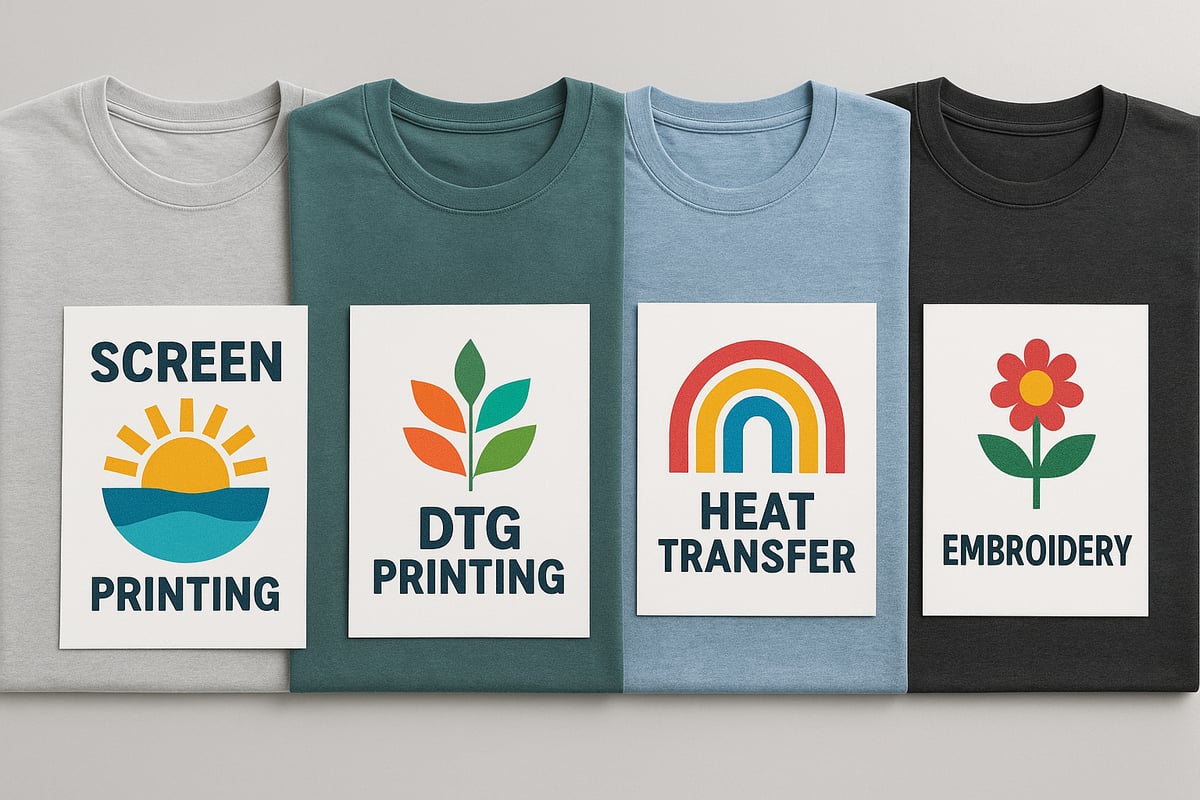
When you customise own t shirt, printing technique is just as important as material. The four main methods are screen printing, direct-to-garment (DTG), heat transfer, and embroidery.
Screen printing is well suited for bold colours and large orders, providing vibrant, long-lasting results. DTG is perfect for intricate, colourful, or photographic designs, making it a top pick for short runs and detailed artwork.
Heat transfer offers flexibility for small batches or special finishes, such as metallic or glow-in-the-dark prints. Embroidery creates a premium, textured look, especially for logos or monograms that need to stand out.
For real-world examples of these techniques in action, you can browse Printing Examples and Inspiration to help visualise how each method brings designs to life.
Each method used to customise own t shirt has unique strengths and considerations. Here’s a breakdown:
| Method | Pros | Cons |
|---|---|---|
| Screen Print | Durable, vivid, cost-effective in bulk | Limited colours, setup cost |
| DTG | Photo-quality, unlimited colours | Best for cotton, slower |
| Heat Transfer | Versatile, special effects | Less durable, may peel |
| Embroidery | Premium, long-lasting | Raised texture, higher cost |
Durability varies: screen printing and embroidery last longest under frequent washing. DTG and heat transfer are ideal for customisation and small runs, but may fade faster without proper care. Environmental impact also differs, with water-based inks and energy-efficient processes available for eco-conscious creators.
Choosing the right method helps you customise own t shirt to match your priorities, whether that’s cost, detail, or sustainability.
Proper care extends the life and vibrancy of your garment when you customise own t shirt. Always wash inside out on a gentle, cold cycle to minimise fading and preserve print quality. Avoid high heat when tumble drying, and air dry when possible.
For printed designs, steer clear of harsh detergents and do not iron directly on the artwork. Embroidered shirts benefit from gentle washing and flat drying to keep stitches intact. Store T-shirts folded in a cool, dry place to prevent creasing or cracking.
If you want your efforts to customise own t shirt to last beyond a single season, following these care tips is essential. With the right approach, your custom creation will keep making an impact for years to come.
Choosing where and how to produce your custom creation is a crucial step in the journey to customise own t shirt. The right approach depends on your goals, budget, and timeline. Whether you want hands-on involvement or professional support, there are options for everyone.
When you want to customise own t shirt, the first decision is whether to use a local print shop or an online platform. Local providers offer personal service, allowing you to see materials in person, discuss options face to face, and often benefit from quicker turnaround for urgent orders. They are ideal if you value direct communication and want to support businesses in your area.
Online printing services, meanwhile, provide a huge range of options and make it easy to compare prices and reviews in one place. You can upload your designs, choose from countless styles, and have your shirts shipped directly to your door. This is especially convenient for bulk orders or if you need to order from anywhere in the UK. In fact, 68% of custom T-shirt buyers now prefer online platforms.
Here’s a quick comparison:
| Feature | Local Print Shop | Online Printing Platform |
|---|---|---|
| Personal Service | Yes | Limited |
| Options | Moderate | Extensive |
| Price Comparison | Less convenient | Easy |
| Turnaround Time | Often faster | Varies |
| Shipping | Often collect in person | Delivered to your door |
If you are in Birmingham, explore Custom T-Shirt Printing Birmingham for local expertise and tailored service. Both local and online routes can help you customise own t shirt, so weigh what matters most for your project.
Selecting who will help you customise own t shirt is as important as the design itself. Start by researching reviews and portfolios to assess print quality. Reputable partners offer sample policies, clear minimum order quantities, and transparent pricing.
Ask about turnaround times, customer support, and the range of customisation options, such as tag printing or eco-friendly choices. Bulk discounts are common, so inquire if you plan a large order. Watch for red flags, like hidden fees or poor communication, which can signal future issues.
A strong printing partner is open to feedback and can guide you on design tweaks for the best results. They should also help you navigate technical details, such as file formats and print areas, which are vital when you customise own t shirt for business or personal needs.
If you want to customise own t shirt with confidence, OK T-Shirt in Birmingham is a trusted choice. With over 10 years of experience, they specialise in both printed and embroidered garments for individuals, businesses, and schools.
OK T-Shirt offers fast turnaround and high-quality, durable prints. Their expert team provides guidance on garment selection, design, and printing techniques, making the process smooth for first-timers and seasoned designers alike.
A wide range of apparel styles and finishes ensures your custom shirts match your vision. For those seeking a professional, reliable partner to customise own t shirt in the UK, OK T-Shirt delivers both expertise and personal service.
For creative enthusiasts, it is possible to customise own t shirt at home using a heat press and transfer paper. This approach gives you full creative control, allowing you to test ideas quickly and enjoy hands-on crafting with family or friends.
However, home printing comes with challenges. The equipment can be costly, and results may not match professional durability or quality. There is a learning curve, and prints may fade or peel sooner than commercial methods. DIY is perfect for small batches, prototypes, or fun projects like family reunion shirts.
If you choose this route, always follow safety and maintenance instructions for your equipment. For many, the experience of making a shirt from start to finish is as rewarding as the final product when you customise own t shirt.
As demand grows for environmentally friendly options, many choose to customise own t shirt using ethical and sustainable methods. Look for suppliers offering organic, Fairtrade, or recycled T-shirts, and opt for water-based inks when possible.
Many professional printers now use energy-efficient processes and are certified for ethical practices. Key certifications to look for include:
Working with partners committed to sustainability not only reduces environmental impact but also appeals to conscious customers. When you customise own t shirt with these values in mind, you help shape a more responsible fashion industry.
Customising your own T shirt is an exciting journey, but achieving a professional, lasting result requires attention to detail at every stage. Whether you are creating a one off design or launching a T shirt line, these tips will help you stand out and ensure your custom shirts look and feel exceptional.
The foundation of any successful customise own t shirt project is a strong design. Start by balancing text and imagery so your message is clear and visually appealing. Choose colours that contrast well with the shirt fabric, as this will make your design pop even from a distance.
When placing your design, consider the most effective locations, such as the chest, back, or sleeves. Avoid overcrowding; simplicity often leads to a more professional look. Before finalising, review your design for common mistakes like misspelled words or awkward placements.
A well planned design ensures your customise own t shirt stands out and endures daily wear.
To guarantee your customise own t shirt maintains its vibrancy and feel, focus on print quality from the outset. Pre wash garments to remove any residues that could affect ink adhesion. Always request a proof or sample before committing to a full run, as this helps catch any issues early.
Work closely with your printer, providing clear artwork files and detailed instructions. If you are seeking a reliable partner, consider working with experts like About OK T-Shirt Printing, who bring years of experience and a commitment to quality.
Taking these steps ensures your customise own t shirt looks professional and lasts wash after wash.
Managing costs is essential when you customise own t shirt, whether for a single piece or a bulk order. Take advantage of bulk discounts whenever possible, and use standard shirt colours and sizes to streamline production and reduce expenses.
DIY methods can help with prototyping, but for larger runs, professional printers often offer better value per unit. Always factor in hidden costs, such as shipping, sample fees, and potential revisions.
A detailed budget will help you maximise the impact of your customise own t shirt project without overspending.
If you plan to sell or promote your customise own t shirt, a strategic marketing approach is crucial. Set up an online shop using platforms like Etsy or Shopify, and use social media to showcase your designs. Collaborate with influencers or local events to increase visibility.
Protect your brand by registering trademarks and ensuring you have the right to use all images and slogans in your designs. Use customer feedback to refine and expand your offerings.
With a thoughtful marketing plan, your customise own t shirt can reach a wider audience and make a lasting impression.
OK T-Shirt
126 Beeches Rd
Birmingham
B42 2HQ
