Cheap Printed T-Shirts UK: Quality & Value Guide 2026
Discover how to source cheap printed t-shirts UK without compromising…
In 2026, personalisation shapes every choice we make, from what we wear to how we connect with technology. The customised t is no longer just a novelty, it is an essential part of expressing identity and gaining a competitive edge.
This guide is designed to help you master customisation, whether for personal style or business success. Inside, you will discover the evolution of customisation, a step-by-step process, the latest trends, essential tools, and a glimpse into the future.
Equip yourself with expert insights to excel in the world of customisation in 2026.
Personalisation has become a defining feature of modern living. Across the globe, people expect products and services that reflect their individuality. This shift is especially evident in the world of the customised t, where technology and society are driving a new era of tailored experiences.

The journey of the customised t has seen remarkable evolution. Initially associated mainly with fashion, customisation now reaches into technology, education, and services. In 2026, the landscape is shaped by data-driven insights and artificial intelligence, enabling brands to offer deeper, more meaningful choices.
Recent statistics underscore this trend. According to Salesforce (2023), 80% of consumers say they are more likely to purchase from brands that provide personalised experiences. This is evident in the popularity of bespoke trainers, AI-curated playlists, and tailored online learning platforms. The rise in demand for customised t options reflects a broader appetite for products that align with personal taste and values.
Artificial intelligence is at the heart of this transformation. With advanced algorithms, brands can analyse preferences and predict trends, making it easier to deliver unique experiences. For a deeper look at how AI is enhancing personalisation, see AI in Apparel Mass Customization. The mainstream adoption of custom solutions in 2026 marks a pivotal moment for consumers and creators alike.
Changing societal trends are also accelerating the rise of the customised t. Younger generations, particularly Gen Z and Millennials, prioritise self-expression and individuality. They seek products that tell their story and fit their values.
Remote work and hybrid lifestyles have shifted purchasing habits. People now want clothing that is comfortable, practical, and uniquely theirs for both virtual meetings and social outings. This drives a surge in demand for personalised items, including the customised t.
Sustainability is another powerful driver. Customisation helps address the problems of fast fashion and overproduction by encouraging made-to-order models. Brands adopting this approach not only reduce waste but also offer customers a more ethical choice. A case study of companies using on-demand production shows significant reductions in unsold inventory, proving that the customised t can be both stylish and sustainable.
For businesses, the customised t represents a major opportunity. Personalisation leads to higher customer loyalty, as buyers feel more connected to their purchases. Data from leading competitors show custom apparel brands now enjoy repeat purchase rates of 30%, highlighting the financial benefits of tailored offerings.
Customisation is also a powerful tool for standing out in crowded markets. With so many brands competing for attention, offering a unique customised t can set a business apart. However, companies must balance the desire for personalisation with the need to scale efficiently.
Challenges remain, such as ensuring consistency and managing production costs. Yet, the advantages of embracing the customised t far outweigh the hurdles, making customisation an essential strategy for success in 2026.
Embarking on your customised t journey in 2026 is both exciting and accessible. Whether for personal style, business branding, or a special event, the process is streamlined with technology and creative tools. Let us guide you through each step, ensuring your customised t stands out and endures.
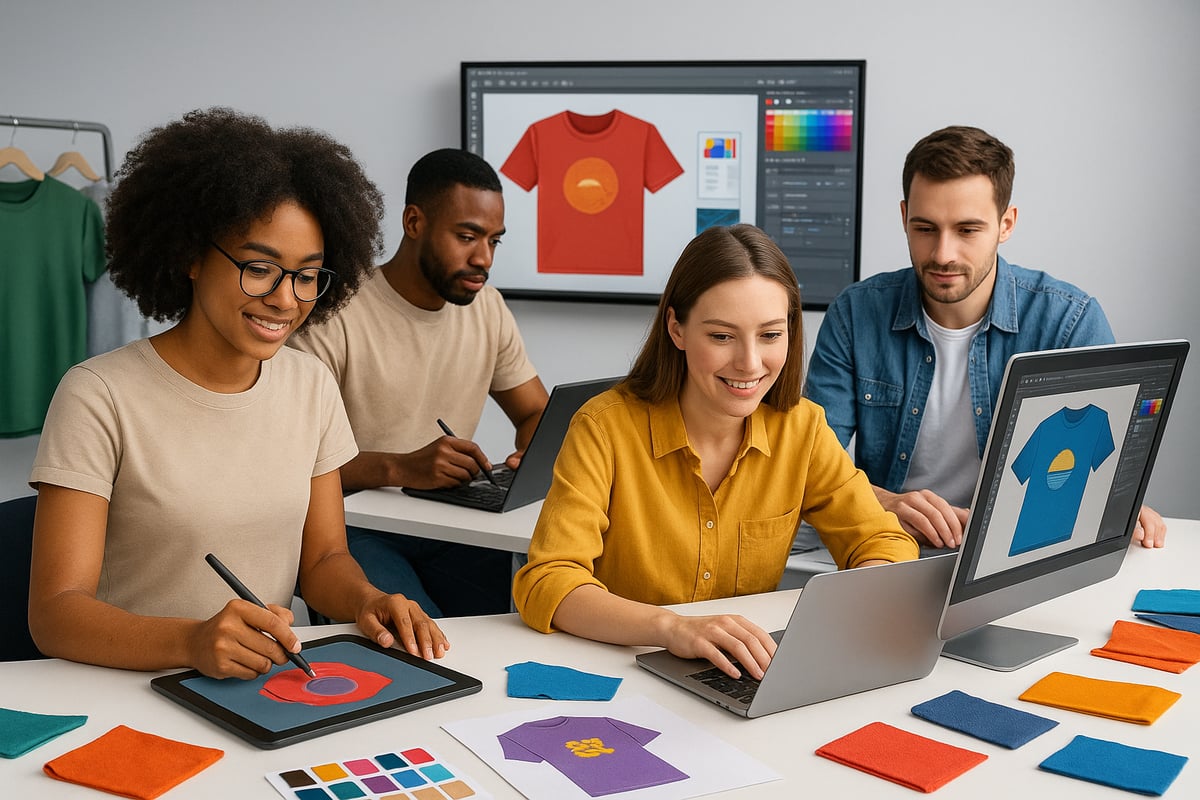
Start your customised t project by clarifying its purpose. Are you creating for personal expression, a business campaign, or a team event? Each intent shapes the design and messaging.
Consider your audience. For corporate team-building, you may want a unified look with subtle branding. Influencer merchandise often demands bold graphics and unique statements.
Ask yourself:
Understanding these factors leads to a customised t that resonates and engages.
Selecting the ideal base garment is essential for comfort and impact. In 2026, there are more options than ever, with sustainability and technology at the forefront.
Key considerations for your customised t:
Compare options in a table to help you decide:
| Style | Material | Best For |
|---|---|---|
| Crew Neck | Organic Cotton | Everyday wear |
| V-Neck | Recycled Polyester | Active lifestyles |
| Oversized | Smart Textiles | Trend-led looks |
Your customised t should feel as good as it looks.
The way you customise your t-shirt defines its appearance and longevity. In 2026, several advanced methods are available.
Popular techniques for your customised t:
For a deeper dive into techniques, explore this Guide to T-Shirt Printing Technology to help you choose the best option for your project.
Choose the method that aligns with your design, budget, and desired effect for your customised t.
Design is where your customised t truly comes to life. Utilise advanced tools available in 2026, such as AI-powered platforms, AR try-ons, and collaborative design apps.
Tips for a standout customised t:
Experiment with mockups and previews to refine your customised t before production.
Once your design is ready, select an online platform that simplifies ordering and offers transparent proofing. In 2026, automation has reduced turnaround times, making it easier to receive your customised t quickly.
Key steps:
Sustainable, made-to-order models may take slightly longer but support ethical practices. Expect your customised t to be ready in as little as 48 hours with advanced automation.
Proper care extends the life of your customised t. Different customisation methods require specific washing and handling.
General care tips:
Following these guidelines preserves the vibrancy and shape of your customised t for years to come.
Launching your customised t is as important as creating it. Effective showcasing and thoughtful distribution amplify its impact.
Strategies for your customised t:
With the right approach, your customised t can spark conversations and build lasting connections.
Personalisation in fashion has entered a new era. The demand for the perfect customised t is driving innovation across materials, technology, and design. For anyone looking to stay ahead, it is essential to understand the trends shaping the future of customised t-shirts and apparel in 2026.
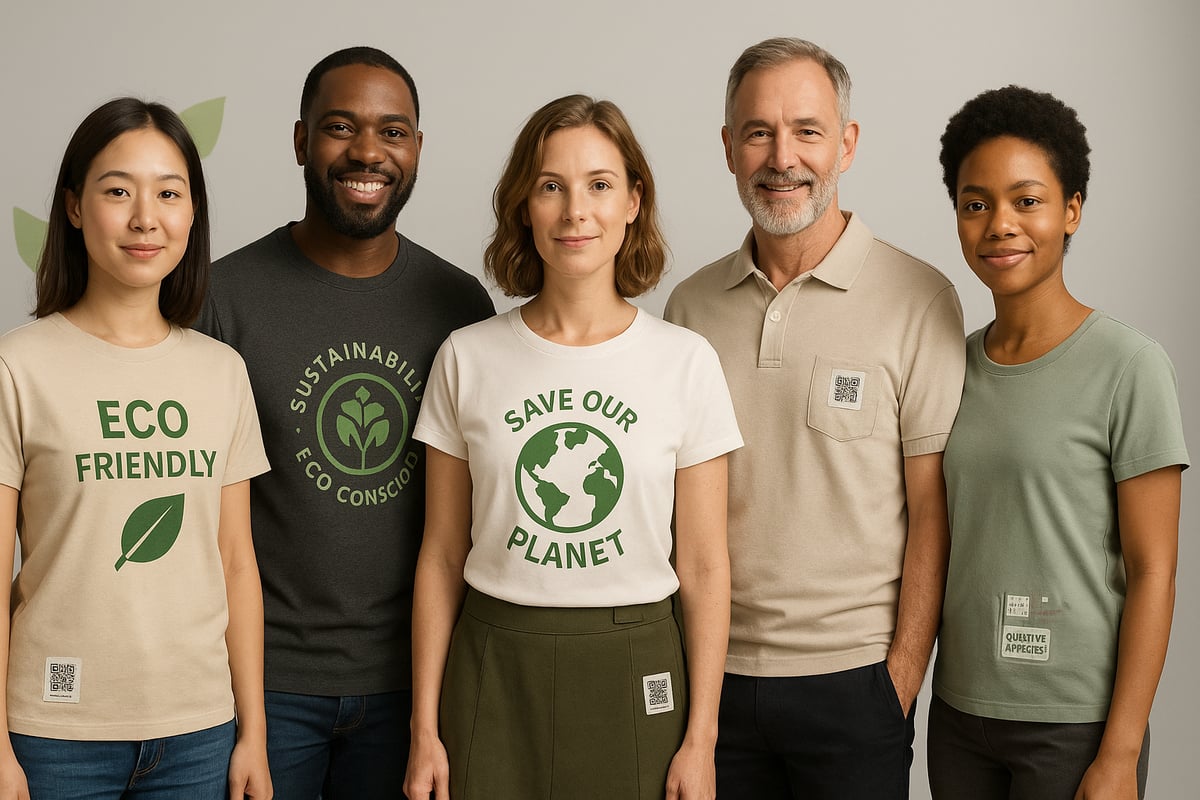
Sustainability is at the forefront of the customised t revolution. More brands are offering organic, recycled, and biodegradable materials, with UK consumers increasingly favouring eco-friendly options. In fact, 65% of UK shoppers now prefer sustainable apparel, and brands are responding by introducing carbon-neutral shipping and production methods.
From organic cotton to water-based inks, the push for ethical practices is clear. Many companies are adopting made-to-order models to reduce waste and overproduction. For a comprehensive look at how these trends are shaping the market, see the Sustainable Custom T-Shirt Printing UK article.
Customised t products in 2026 are as much about environmental responsibility as they are about personal style.
The integration of technology is transforming the customised t landscape. Wearable tech, such as NFC chips and QR codes, is now being embedded in garments, enabling features like fitness tracking, authentication, or interactive digital experiences.
Smart textiles are gaining popularity, allowing a customised t to do more than just look good. Some shirts now track physical activity or connect wearers to exclusive online content. The smart clothing sector is forecast to reach £4 billion by 2026, reflecting this rapid growth.
Fashion and function are merging, making the customised t both a statement and a tool for everyday life.
Artificial intelligence is revolutionising the way customers create and experience a customised t. AI-driven platforms analyse user data to offer real-time design suggestions, from colour schemes to graphics that reflect personal tastes.
Virtual fitting rooms and AR previews have become standard, letting users see exactly how their customised t will look before ordering. Limited edition collections generated by AI ensure that customers receive truly unique designs.
This level of hyper-personalisation is setting new expectations for what a customised t can be, giving every individual the chance to express themselves fully.
Local production is another major trend in the customised t market. Microfactories and on-demand manufacturing are replacing mass production, reducing carbon footprints and delivery times.
Consumers benefit from faster access to their customised t products, and local economies receive a boost. On-demand models also mean less waste and a greater ability to meet specific customer needs quickly.
Supporting local print shops and microbrands is becoming a popular choice, marking a significant shift in how customised t-shirts are made and distributed.
Inclusivity is essential in the world of the customised t. Brands are expanding their ranges to include custom sizing, adaptive clothing, and sensory-friendly fabrics.
This focus ensures that everyone can enjoy a customised t that meets their needs, regardless of body type or sensory preferences. Leading brands are setting new standards by offering accessible design features and celebrating diversity in their collections.
The customised t in 2026 is not only a canvas for creativity but also a symbol of progress towards a more inclusive and accessible fashion industry.
Navigating the world of customised t design in 2026 requires access to the right blend of technology, platforms, and community resources. Whether you are crafting a one-off piece or building a brand, having the correct tools at your disposal makes the process efficient and enjoyable. Let us explore the essentials you need to excel in customised t creation this year.
Choosing the right online platform for your customised t project is crucial. Platforms now offer intuitive interfaces, design tools, and seamless ordering for both personal and business needs. Many services provide real-time previews, transparent pricing, and fast delivery options.
Here is a comparison of top features to consider:
| Platform Feature | Importance for Customised T | Example Benefit |
|---|---|---|
| Design flexibility | Allows unique personalisation | Upload logos, text |
| Turnaround time | Faster delivery | 48-hour dispatch |
| Sustainability options | Eco-friendly choices | Organic fabrics |
| Support and guidance | Helps first-time users | Live chat help |
For those new to the world of custom t-shirts, the Personalised T-Shirt Introduction provides a helpful overview of what to expect and how to get started.
AI and AR have revolutionised how we design and preview a customised t. AI-powered platforms suggest colour schemes, layouts, and even generate original artwork based on your preferences. Augmented reality tools let you visualise your customised t on a virtual model, ensuring a perfect fit and finish before ordering.
Popular tools to look out for include collaborative design apps, AR try-on software, and platforms with AI-driven design suggestions. These technologies boost creativity and speed up the decision-making process, making it easier than ever to produce a standout customised t.
Selecting between print-on-demand and in-house production depends on your customised t goals. Print-on-demand services are ideal for small batches and testing new designs, offering low upfront investment and minimal risk. In-house production suits businesses with larger volumes, providing greater control over quality and branding.
Here is a quick comparison:
| Model | Pros | Cons |
|---|---|---|
| Print-on-Demand | No inventory, flexible, low risk | Less control, higher unit cost |
| In-House Production | Customisation, control, lower per unit | Higher setup cost, storage needed |
Evaluate your needs and resources before committing to a model for your customised t venture.
OK T-Shirt, based in Birmingham, stands out as a leader in the customised t market. With over a decade of expertise, they deliver custom printed and embroidered garments for individuals, businesses, and schools. Their focus on quality, fast turnaround, and local manufacturing sets them apart.
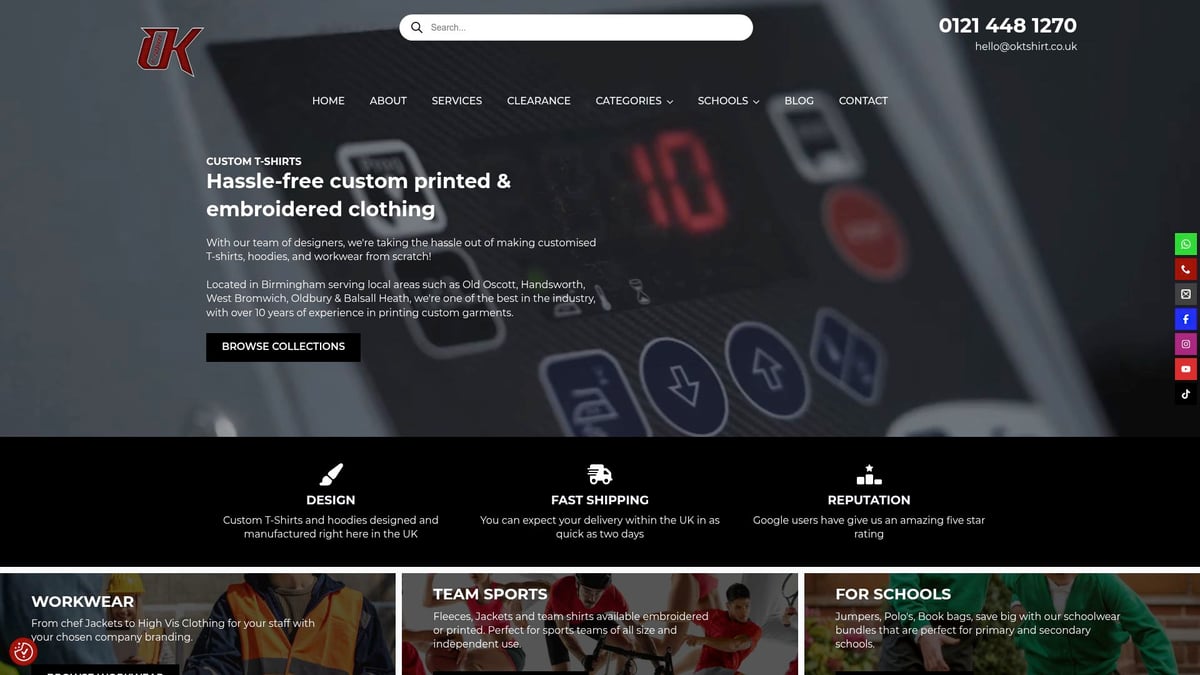
They offer a wide range—T-shirts, hoodies, workwear, school uniforms, and accessories—catering to diverse needs. Their in-house design and production ensure every customised t is professional and durable. Trusted by schools and businesses across the UK, OK T-Shirt combines competitive pricing with easy online ordering for a seamless experience.
The journey to creating a customised t is enhanced by joining active design communities. Online forums and social media groups offer inspiration, feedback, and advice from fellow creators. Many platforms host design contests and workshops, fostering creativity and skill development.
Participating in these communities helps you stay updated on trends and find collaboration opportunities. Sharing your customised t designs or entering competitions can expand your network and spark new ideas for your next project.
As we move further into the future, the landscape of customised t solutions is set for dramatic change. Technological advancements, shifting consumer mindsets, and evolving global economies will redefine how individuals and businesses approach customisation. Staying ahead means understanding the forces shaping the next era of personalised apparel and being ready to adapt.
The next wave of customised t innovations will be driven by technologies such as 3D printing, blockchain verification, and AI-powered design platforms. 3D printing opens new possibilities for creating bespoke fits and intricate patterns, while blockchain ensures authenticity and ownership of original designs. AI will continue to personalise user experiences, offering predictive design suggestions and streamlining production. According to Consumer Preferences in AI-Driven Fashion, the integration of AI in online apparel markets is already transforming how consumers interact with fashion, setting the stage for even more advanced customised t experiences.
Consumers in 2027 and beyond will expect instant access to unique, customised t products that reflect both their style and values. The demand for on-demand production and seamless digital-physical experiences will only accelerate. Virtual try-ons, AI-driven recommendations, and sustainable materials will become standard. Brands that offer transparent processes and rapid delivery of customised t apparel will earn lasting loyalty, as customers increasingly seek both convenience and authenticity in their purchases.
The customised t sector faces the challenge of balancing global reach with local relevance. While global platforms enable widespread access to custom apparel, there is a growing appreciation for local makers and microbrands. These smaller producers can respond faster to trends and offer personalised service. The future will likely see a blend, with global supply chains supporting local production hubs, ensuring that each customised t reflects both worldwide innovation and community identity.
To thrive in this evolving landscape, individuals and businesses must develop new skills and mindsets. Embracing lifelong learning, digital literacy, and creative collaboration will be essential for success in the customised t market. Staying connected to industry resources, newsletters, and design communities will keep you informed about the latest trends and technologies. By fostering adaptability and a forward-thinking approach, you can ensure your customised t projects remain relevant and impactful well beyond 2026.
OK T-Shirt
126 Beeches Rd
Birmingham
B42 2HQ
