Cheap Printed T-Shirts UK: Quality & Value Guide 2026
Discover how to source cheap printed t-shirts UK without compromising…
Custom dress printing has transformed from a niche service into a mainstream solution for fashion brands, schools, businesses, and individuals seeking unique, personalised garments. The technology behind dress printing continues to evolve, offering unprecedented quality, durability, and creative flexibility. Whether you're a business owner looking to create branded uniforms, a fashion entrepreneur developing a clothing line, or someone wanting a one-off custom piece, understanding the available printing techniques and quality standards is essential for making informed decisions about your garment customisation needs.
The landscape of dress printing has shifted dramatically over the past decade, with digital innovations replacing many traditional methods. Modern printing technologies offer faster turnaround times, lower minimum order quantities, and superior colour accuracy compared to conventional screen printing approaches.
Digital textile printing represents the cornerstone of contemporary dress customisation. This computer-controlled process applies ink directly onto fabric with precision that manual techniques simply cannot match. The technology excels particularly when creating complex, multi-coloured designs that would prove cost-prohibitive using traditional screen printing.
Direct-to-garment (DTG) printing stands as one of the most versatile options available today. This technique works similarly to a desktop inkjet printer, spraying water-based inks directly onto the fabric surface. DTG printing delivers exceptional detail for photographic images, intricate patterns, and designs requiring unlimited colour variations.
Key advantages of DTG for dress printing include:
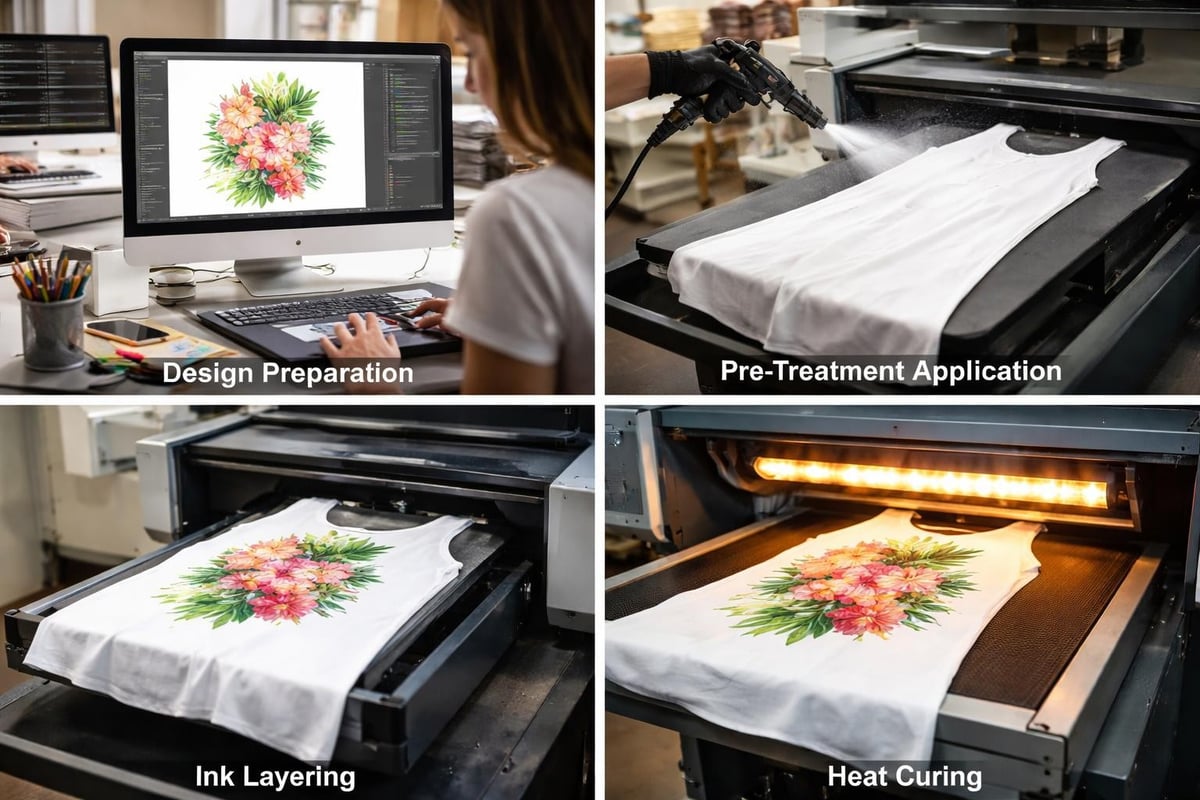
The direct-to-film printing process offers an alternative approach gaining significant traction in the custom garment industry. DTF involves printing designs onto a special film before transferring them to the fabric using heat and pressure. This method works across a broader range of fabrics than DTG, including polyester, nylon, and various synthetic blends commonly used in modern dresses.
Dye sublimation printing creates vibrant, permanent designs by converting solid dye into gas that bonds with polyester fibres at a molecular level. This technique produces incredibly durable prints that won't crack, peel, or fade even after countless wash cycles.
| Printing Method | Best Fabric Types | Durability | Colour Vibrancy | Minimum Order |
|---|---|---|---|---|
| DTG | Cotton, cotton blends | High | Excellent | 1 piece |
| DTF | All fabric types | Very high | Excellent | 1 piece |
| Dye Sublimation | Polyester only | Exceptional | Outstanding | 1 piece |
| Screen Printing | Most fabrics | Very high | Good | 25+ pieces |
The all-over print technique creates designs that cover the entire garment surface rather than just specific areas. This approach has become particularly popular in contemporary fashion, enabling designers to create bold, statement pieces that showcase continuous patterns or large-scale graphics.
Selecting the appropriate dress printing technique depends on multiple factors beyond simple aesthetic preferences. Fabric composition, design complexity, order quantity, budget constraints, and intended use all influence which method delivers optimal results.
Natural fibres respond differently to printing methods than synthetic materials. Cotton dresses work beautifully with DTG printing, where water-based inks penetrate the fibres to create soft, breathable prints. Polyester garments require either dye sublimation or DTF printing for optimal adhesion and longevity.
Blended fabrics present unique challenges in dress printing. A cotton-polyester blend may accept DTG printing, but the polyester content can result in slightly muted colours compared to pure cotton. Understanding these material characteristics helps set realistic expectations for the final product appearance.
Consider these fabric-specific guidelines:
Simple logo placement differs vastly from intricate, full-colour artwork in terms of production approach. Single-colour designs or text-heavy graphics may be cost-effectively produced using traditional screen printing, particularly for larger order quantities. Complex, photographic designs with colour gradients and fine detail benefit from digital printing methods that eliminate setup costs and colour limitations.
The number of colours in your design significantly impacts production choices. Screen printing requires creating individual screens for each colour, making multi-colour designs progressively more expensive. Digital methods like DTG incur no additional costs regardless of colour count, making them ideal for vibrant, complex dress printing projects.
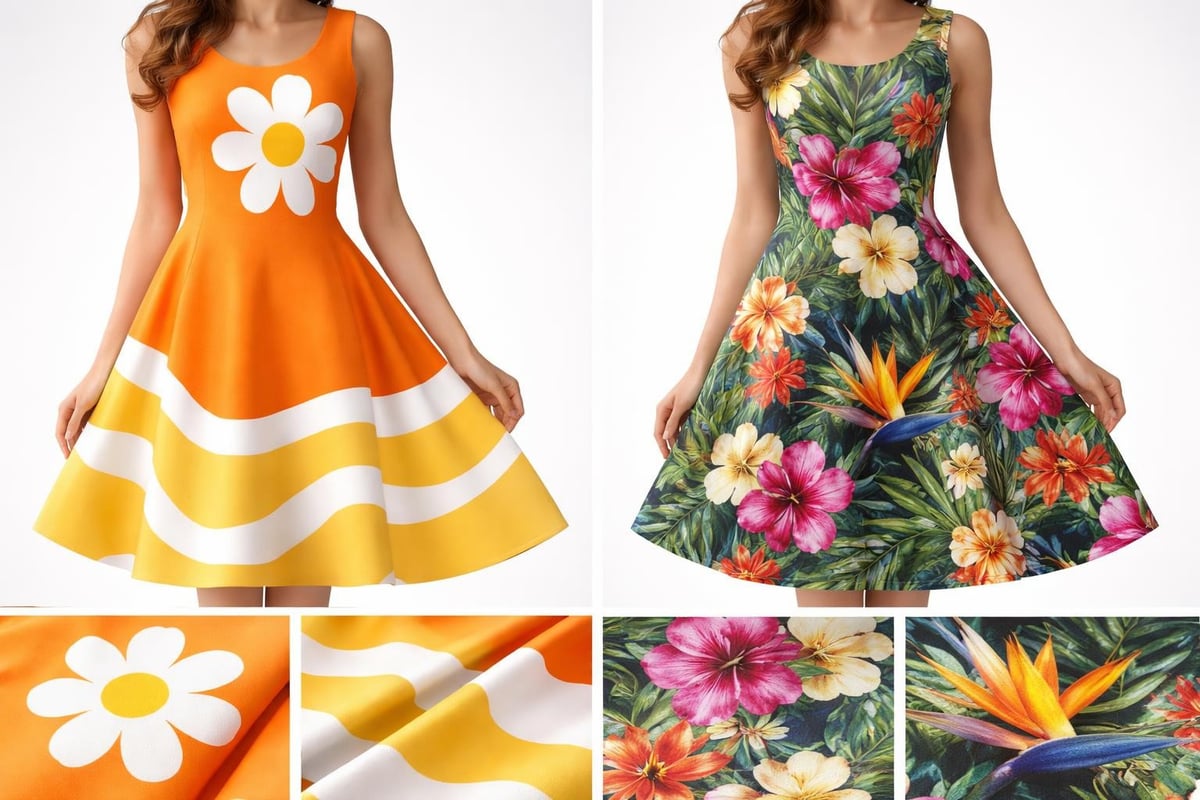
Professional dress printing requires rigorous quality control at every production stage. From pre-treatment processes to post-printing curing, each step influences the final garment's appearance, feel, and longevity. Reputable printing providers invest in commercial-grade equipment, premium inks, and comprehensive testing protocols to ensure consistent results.
Proper fabric preparation forms the foundation of quality dress printing. Cotton garments typically require pre-treatment solutions that help inks bond effectively with fibres. This step significantly impacts colour vibrancy, wash fastness, and overall print durability. Skipping or inadequately applying pre-treatment results in faded, washed-out designs that deteriorate rapidly.
Different garment printing techniques demand specific preparation protocols. DTF printing requires careful film application and precise heat press settings. Sublimation demands spotlessly clean polyester surfaces free from any manufacturing residues that might interfere with dye bonding.
Heat curing represents the critical final step in most dress printing methods. Insufficient curing temperatures or times result in prints that crack, peel, or wash away prematurely. Professional operations use industrial heat presses or conveyor dryers calibrated to exact specifications for each ink and fabric combination.
Quality finishing extends beyond just heat treatment. Inspection processes should identify any printing defects, colour inconsistencies, or application errors before garments leave the production facility. Reputable providers stand behind their work with satisfaction guarantees and transparent quality standards.
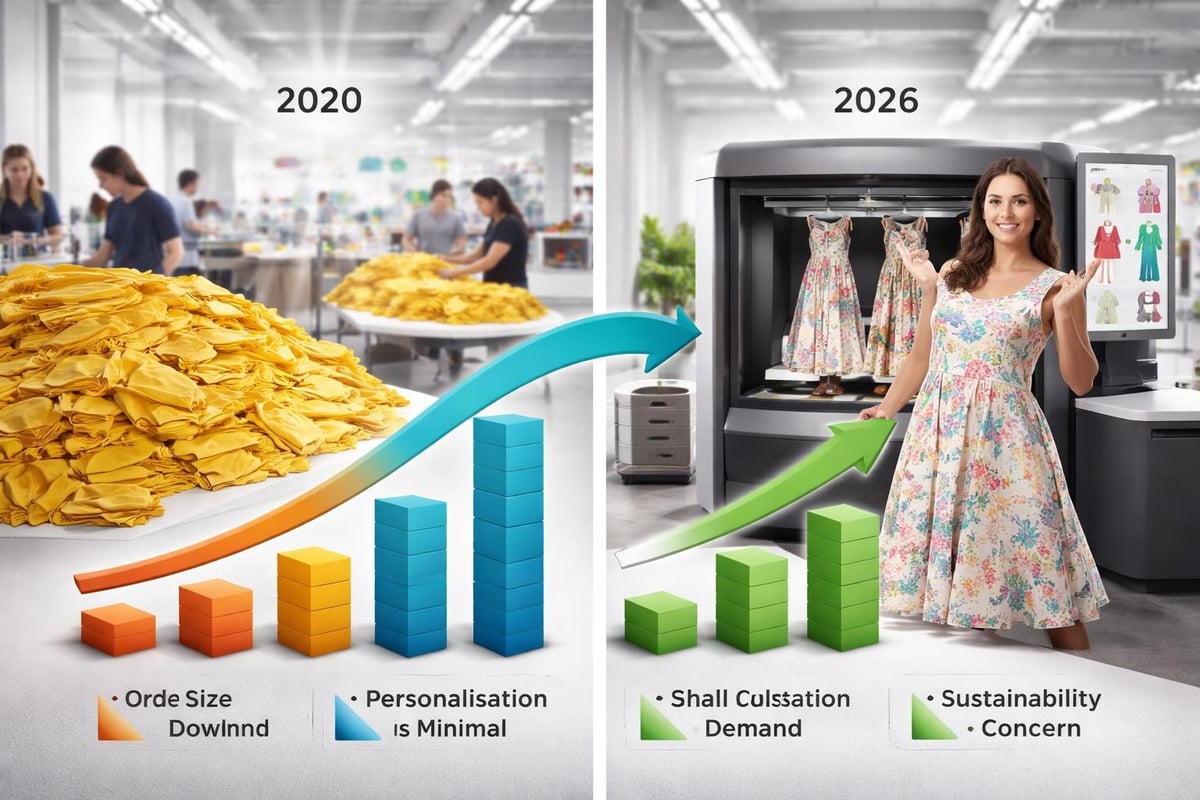
The dress printing industry continues evolving at a remarkable pace, driven by consumer demand for personalisation and sustainable production methods. Understanding current trends helps businesses and individuals make forward-thinking decisions about their custom garment needs.
Environmental considerations increasingly influence printing technology development and adoption. Water-based inks have largely replaced plastisol alternatives in many applications, reducing harmful chemical usage and improving garment breathability. Digital textile printing markets are experiencing significant growth partly due to reduced waste compared to traditional methods.
Modern dress printing produces minimal waste by eliminating the need for screens, stencils, and excess ink preparation. On-demand production capabilities mean garments are printed only when needed, reducing unsold inventory and textile waste. These environmental benefits resonate strongly with consumers prioritising sustainability in their purchasing decisions.
The barrier to entry for custom dress production has virtually disappeared. Technology enabling single-item printing has democratised fashion design, allowing entrepreneurs to test designs without substantial upfront investment. This shift has spawned countless independent fashion brands and personalised clothing businesses.
Current market dynamics favour:
Dress printing serves diverse markets, each with unique requirements and quality expectations. Understanding these distinct applications helps clarify which printing methods and service providers best match specific needs.
Businesses increasingly recognise custom dresses as effective branding tools and uniform solutions. Corporate dress printing typically emphasises consistency, professional appearance, and durability through frequent washing. Companies ordering staff uniforms prioritise colour matching accuracy and long-term wear resistance over cutting-edge fashion trends.
Promotional dresses for events, trade shows, or marketing campaigns require quick turnaround times and competitive pricing. DTG printing excels in these scenarios, enabling businesses to produce small quantities with complex branded designs without excessive costs or extended lead times.
Schools and universities represent significant markets for dress printing services. Uniform dresses require durable printing that withstands daily wear and frequent laundering whilst maintaining professional appearance. Many institutions specify strict colour standards and logo placement requirements that printing providers must precisely replicate.
The OK T-Shirt approach to school uniform printing emphasises quality materials, precise colour matching, and production methods proven to maintain appearance through years of active use. Educational institutions benefit from working with experienced providers familiar with their specific durability and presentation requirements.
Independent fashion designers and boutique retailers leverage dress printing to create unique collections without traditional manufacturing minimums. This accessibility has revolutionised small-scale fashion production, enabling designers to respond rapidly to trends and customer feedback.
Limited edition runs, seasonal collections, and custom one-off pieces all benefit from modern printing technologies. The ability to produce high-quality custom dresses economically in small quantities has fundamentally changed how independent fashion businesses operate.
Athletic dresses and activewear demand specialised printing approaches that accommodate stretch fabrics and moisture-wicking materials. DTF printing proves particularly effective for performance garments, maintaining flexibility and durability during physical activity. Sports teams, dance groups, and fitness organisations require custom dresses that perform functionally whilst displaying team branding prominently.
Selecting the right printing partner significantly impacts your custom dress project outcome. Several factors distinguish exceptional providers from adequate ones, and understanding these differentiators helps ensure successful collaboration.
Experience matters considerably in dress printing. Providers with extensive backgrounds understand how different fabrics behave, which techniques suit specific applications, and how to troubleshoot challenges that inevitably arise. Companies like OK T-Shirt bring over a decade of specialised knowledge to each project, ensuring optimal technique selection and execution.
Assessment criteria for printing providers include:
Professional printing services offer design assistance beyond simply reproducing artwork. Knowledgeable staff can advise on file preparation, colour selection, placement optimisation, and technique suitability. This consultative approach prevents costly mistakes and ensures final products meet or exceed expectations.
Clear communication throughout the production process distinguishes superior service providers. Regular updates, proactive problem-solving, and transparent pricing build confidence and facilitate successful long-term partnerships.
Understanding how to optimise designs, manage orders, and care for printed garments ensures maximum return on your custom dress investment. Small adjustments to approach can significantly impact both initial results and long-term satisfaction.
File preparation substantially influences final print quality. Vector graphics scale perfectly to any size without quality loss, whilst low-resolution images appear pixelated and unprofessional when enlarged. Professional providers typically specify minimum resolution requirements, colour space preferences, and file format standards to ensure optimal results.
Colour management presents particular challenges in dress printing. Screen displays and printed fabrics render colours differently due to fundamental differences between light-based and pigment-based colour reproduction. Requesting physical colour samples or using Pantone references helps align expectations with reality.
| Design Element | Recommendation | Impact on Quality |
|---|---|---|
| File Format | Vector (AI, EPS, PDF) or high-res raster (300+ DPI) | Critical |
| Colour Mode | CMYK or Pantone references | High |
| Design Placement | Consider garment construction and seams | Medium |
| Text Size | Minimum 8-10pt for readability | High |
| Colour Count | Unlimited for digital, limited for screen | Cost impact |
Proper garment care extends print life significantly. Most professionally printed dresses withstand normal washing when cared for correctly. Inside-out washing in cold water protects prints from abrasion and excessive heat. Avoiding harsh detergents and chlorine bleach prevents premature fading and degradation.
Tumble drying generates substantial heat and mechanical stress that can damage prints over time. Air drying or low-heat tumble settings preserve print quality whilst maintaining fabric integrity. Following manufacturer care instructions ensures custom dresses retain their appearance through years of regular wear.
Strategic ordering balances inventory costs against per-unit pricing and availability needs. Whilst digital printing enables single-item orders, slight volume increases often unlock better pricing without requiring massive commitments. Understanding these pricing tiers helps optimise order quantities.
On-demand printing capabilities allow businesses to maintain minimal physical inventory whilst ensuring product availability. This approach proves particularly valuable for sizing diversity, where maintaining stock in all sizes ties up capital and storage space inefficiently.
Dress printing offers remarkable possibilities for personalisation, branding, and creative expression across numerous applications. Selecting appropriate techniques, partnering with experienced providers, and understanding quality factors ensures successful custom garment projects. Whether you need corporate uniforms, school dresses, promotional wear, or unique fashion pieces, OK T-Shirt combines over ten years of printing expertise with commitment to quality and fast turnaround times to bring your vision to life with professional, durable results.

OK T-Shirt
126 Beeches Rd
Birmingham
B42 2HQ
