Cheap Printed T-Shirts UK: Quality & Value Guide 2026
Discover how to source cheap printed t-shirts UK without compromising…
Embroidered t shirt logo styles are making a strong comeback, setting the stage as the leading branding trend for 2026. Brands and individuals are turning to embroidery for its professional finish, durability, and timeless appeal.
In this expert guide, you will find everything you need to know to make your brand stand out. We will explore the essentials of logo design, fabric and thread selection, customisation techniques, placement strategies, and care tips to ensure your garments last.
Personalised apparel is more popular than ever. Discover why embroidery outshines traditional printing and learn how to master your next embroidered project.
The demand for the embroidered t shirt logo is on the rise, driven by brands seeking lasting impact and a professional finish. Embroidery is no longer reserved for heritage brands, it has become the mark of quality and distinction for businesses, schools, and individuals alike.
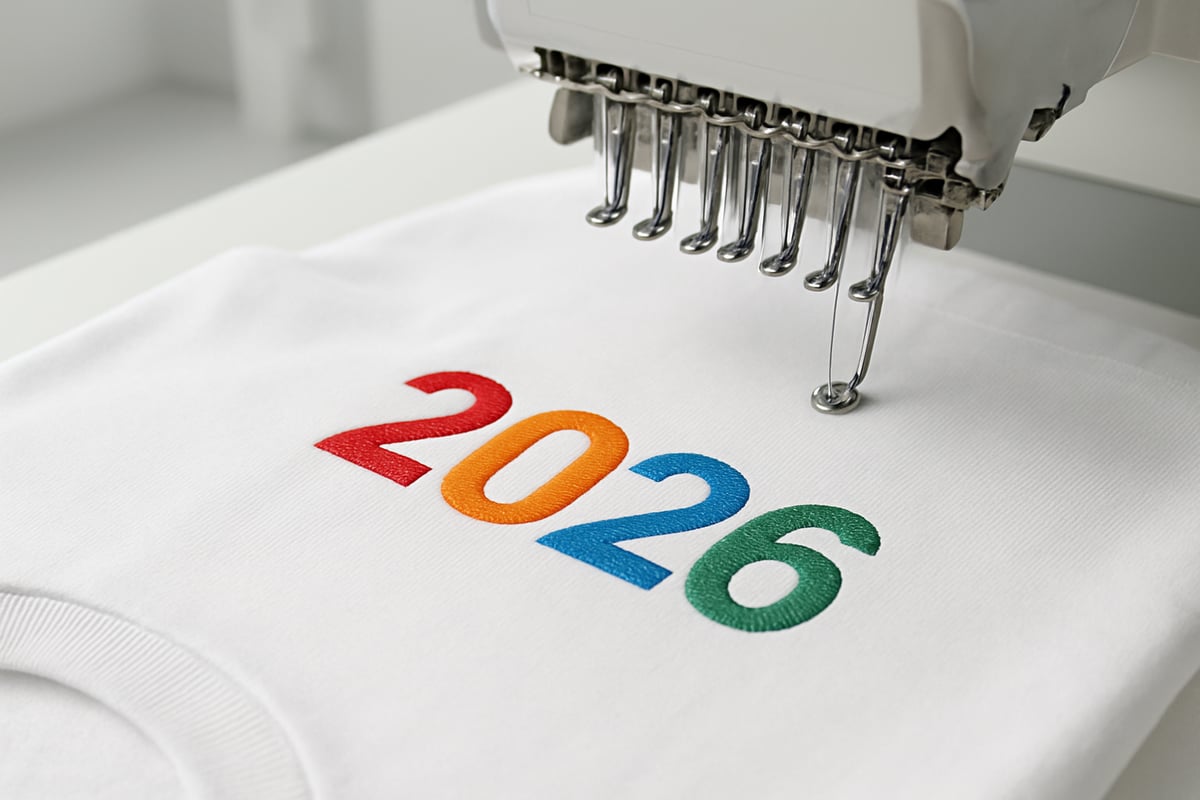
Embroidery has long stood as a symbol of professionalism and quality in branding. The embroidered t shirt logo instantly communicates attention to detail and a commitment to excellence. Industry studies reveal that embroidered logos outlast printed alternatives by two to three times, making them a preferred choice for workwear and uniforms.
In the UK, many businesses are now switching to embroidery for staff uniforms. This not only enhances the perception of their brand but also ensures their investment stands the test of time. The tactile, raised finish of embroidery delivers a sense of value that flat prints simply cannot match.
When it comes to customisation, the embroidered t shirt logo outperforms screen printing, heat transfer, and direct-to-garment (DTG) in several key ways. Embroidery provides a premium, textured finish that resists fading, cracking, and peeling. In contrast, printed logos may deteriorate after repeated washes or exposure to the elements.
For a detailed comparison between embroidery and DTG, see this Embroidery vs DTG for logos guide. Embroidery’s superior durability and tactile quality give it a clear advantage, especially for high-use garments.
Sustainability is set to shape the future of branding. Today’s embroidered t shirt logo can be crafted using recycled threads and organic cotton garments, reducing environmental impact. Unlike some print methods, embroidery requires fewer chemicals and less water, making it a greener choice for businesses and consumers.
Eco-conscious consumers are increasingly choosing embroidery, recognising its lower environmental footprint. By opting for sustainable threads and fabrics, brands can showcase their commitment to responsible production.
The embroidered t shirt logo is evolving with the latest design trends. Minimalist and bold logos are taking centre stage, offering clarity and strong brand presence. Custom workwear and school uniforms featuring embroidered logos are on the rise, reflecting a broader move towards personalisation.
Market data indicates that the custom embroidered clothing sector is projected to grow by 8% annually through 2026. This growth is fuelled by both business demand and the popularity of personalised fashion.
An embroidered t shirt logo does more than identify a brand, it enhances the perceived value of the garment. Businesses report that embroidered uniforms improve team morale and ensure consistent brand presentation across staff. Local schools and companies have seen greater recognition and pride when switching to embroidered uniforms.
This tangible sense of quality delivers a strong return on investment, making embroidery a smart choice for anyone aiming to stand out in 2026.
Creating the ideal embroidered t shirt logo requires a strategic blend of design expertise and technical understanding. Whether you are branding uniforms, promoting a business, or launching a fashion range, a well-designed logo ensures your embroidered t shirt logo stands out with clarity and impact. This section explores the foundations of effective logo design for embroidery, covering artwork, colour, placement, and collaboration with professionals.
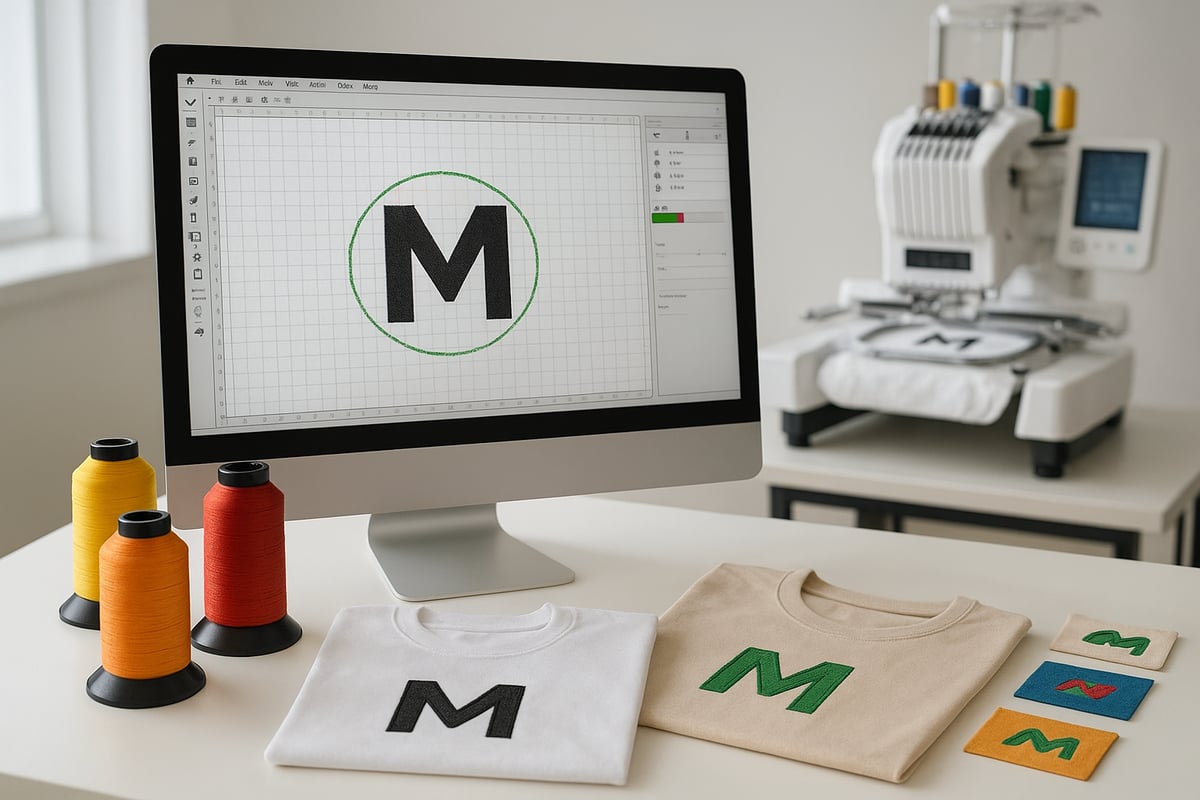
A successful embroidered t shirt logo starts with simplicity. Clean lines and bold shapes translate best to stitches, ensuring the finished logo remains clear and professional. Avoid intricate details, fine lines, and gradients, as embroidery machines cannot reproduce these with accuracy. For expert guidance, explore How to Design Logos That Work in Embroidery.
Key principles include:
Popular UK brands often simplify their logos when moving to embroidery, focusing on strong outlines and minimal elements. This approach guarantees that your embroidered t shirt logo looks sharp and appealing on any garment.
Choosing the right thread colours is vital for your embroidered t shirt logo. Aim for strong contrast between thread and fabric to enhance visibility. Many embroiderers offer Pantone colour matching, ensuring brand consistency.
Consider these limitations:
A well-chosen palette ensures your embroidered t shirt logo maintains its impact, even after repeated wear and washing.
The size and placement of your embroidered t shirt logo influence both aesthetics and practicality. Standard placements include the left chest (usually 80-100mm wide), centre chest, or sleeve. Placement may vary between crew neck, v-neck, and polo styles.
Comparing workwear and fashion:
| Placement | Workwear | Fashion Tees |
|---|---|---|
| Left chest | Most common | Popular |
| Centre chest | Occasional | Trendy |
| Sleeve | For accents | Statement detail |
Selecting the right position helps your embroidered t shirt logo achieve maximum visibility and brand recognition.
Proper file preparation is essential for a high-quality embroidered t shirt logo. Always provide vector artwork, such as AI or EPS files, as these enable precise digitisation. Digitisation translates your logo into a stitch file readable by embroidery machines.
Example code for preferred file types:
Preferred: .AI, .EPS, .PDF (vector)
Acceptable: .DST, .PES (stitch files)
Low-quality or pixelated artwork can lead to poor embroidery results, so start with the best files possible for your embroidered t shirt logo.
Collaborating with experienced designers ensures your embroidered t shirt logo meets professional standards. Share your brand guidelines and expectations clearly, whether you use an in-house team or an external provider.
Benefits of professional support:
UK businesses often rely on design teams to maintain cohesive branding across all embroidered t shirt logo applications.
Avoiding common mistakes can save time and money. Overly complex logos may cause thread breaks or unclear results. Simplifying your embroidered t shirt logo and using bold outlines can resolve these issues.
Solutions include:
Many brands have improved their embroidered t shirt logo results by redesigning with embroidery in mind, leading to clearer, more durable outcomes.
The journey to a standout embroidered t shirt logo is a blend of creativity, precision, and technical know-how. Each stage in the embroidery process is vital for achieving a professional, long-lasting result that reflects your brand identity.
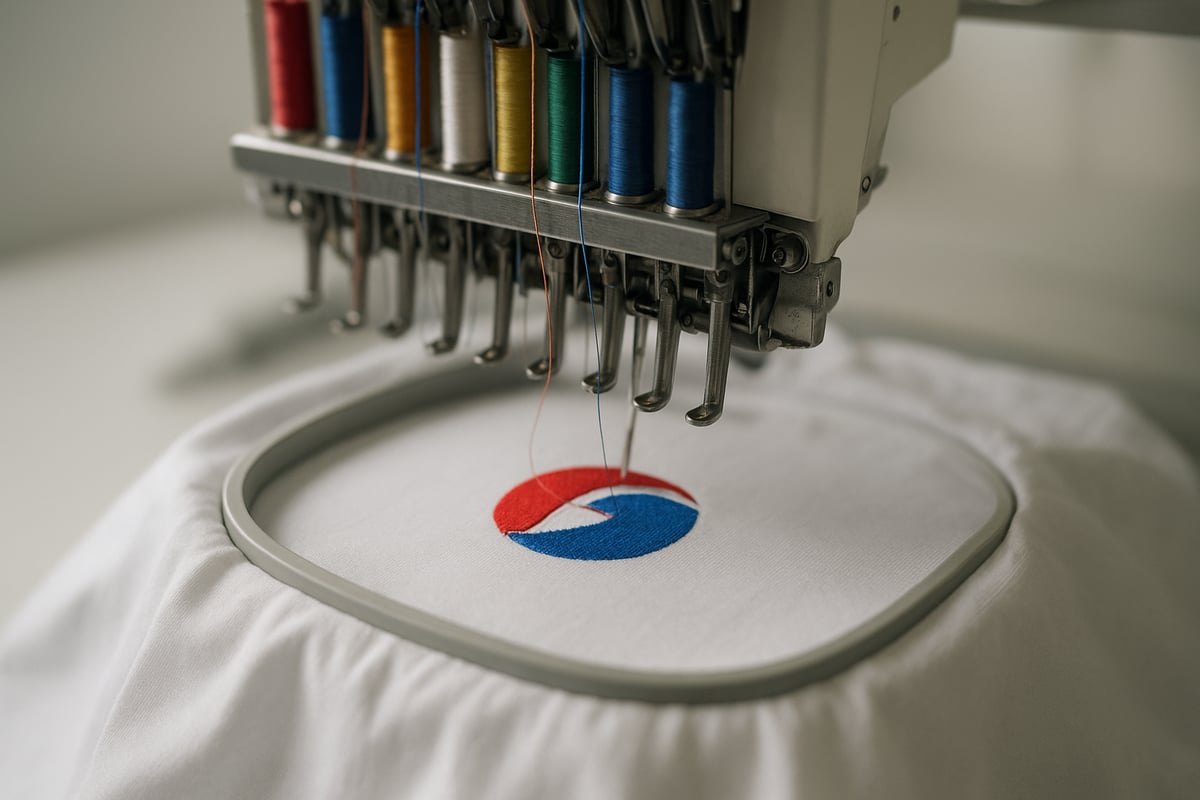
The first step is submitting your logo artwork for review. Embroidery experts assess whether your design will translate well when stitched onto fabric. Most require vector files, such as AI or EPS, for clarity and scalability.
A consultation ensures your embroidered t shirt logo is suitable in terms of size, complexity, and colour. For best results, follow Embroidery Guidelines on file formats and design specifications. This prevents delays and helps your logo maintain its integrity throughout the process.
Once your artwork is approved, it is converted into a stitch file—a process known as digitisation. This step transforms your digital logo into a format that embroidery machines can read.
Digitisation involves defining stitch types, densities, and underlays. A well-digitised embroidered t shirt logo ensures smooth lines and crisp details, avoiding thread breaks or uneven textures.
Choosing the right t-shirt fabric and thread is essential for both appearance and durability. Cotton, polycotton blends, and performance fabrics each interact differently with embroidery.
Thread types, such as polyester or rayon, offer various finishes and strengths. The chosen materials impact how your embroidered t shirt logo looks and feels, affecting sheen, colour vibrancy, and longevity.
Before full production, embroidery specialists set up machines to fit your selected garment type and logo placement. This includes loading the correct thread colours and adjusting tension for the chosen fabric.
A test sample is produced to check for stitch accuracy, colour match, and placement. Sampling helps identify any issues with the embroidered t shirt logo before moving to bulk production.
After sample approval, bulk production begins. Each t-shirt is hooped and embroidered according to the approved design specifications.
Quality control is crucial at this stage. Garments are checked for missed stitches, thread breaks, and colour consistency. An embroidered t shirt logo must meet high standards to ensure the final product reflects your brand’s quality.
Once embroidery is complete, excess threads and stabilisers are carefully removed. The t-shirts are then pressed to smooth out any wrinkles and enhance the embroidered t shirt logo’s appearance.
Packaging is tailored for delivery, ensuring each garment arrives in pristine condition, ready for distribution or retail.
The finished t-shirts are dispatched, with average UK turnaround times of 2 to 5 days. Clear aftercare instructions are provided, helping you maintain the quality of your embroidered t shirt logo for years to come.
Proper washing, drying, and storage tips ensure your investment continues to look sharp and professional, whether for workwear, uniforms, or promotional clothing.
Selecting the ideal t-shirt and materials is crucial to achieving a professional, long-lasting embroidered t shirt logo. From fabric type to thread choice, each detail influences the final result. Understanding these options helps you make informed decisions that enhance both durability and appearance.
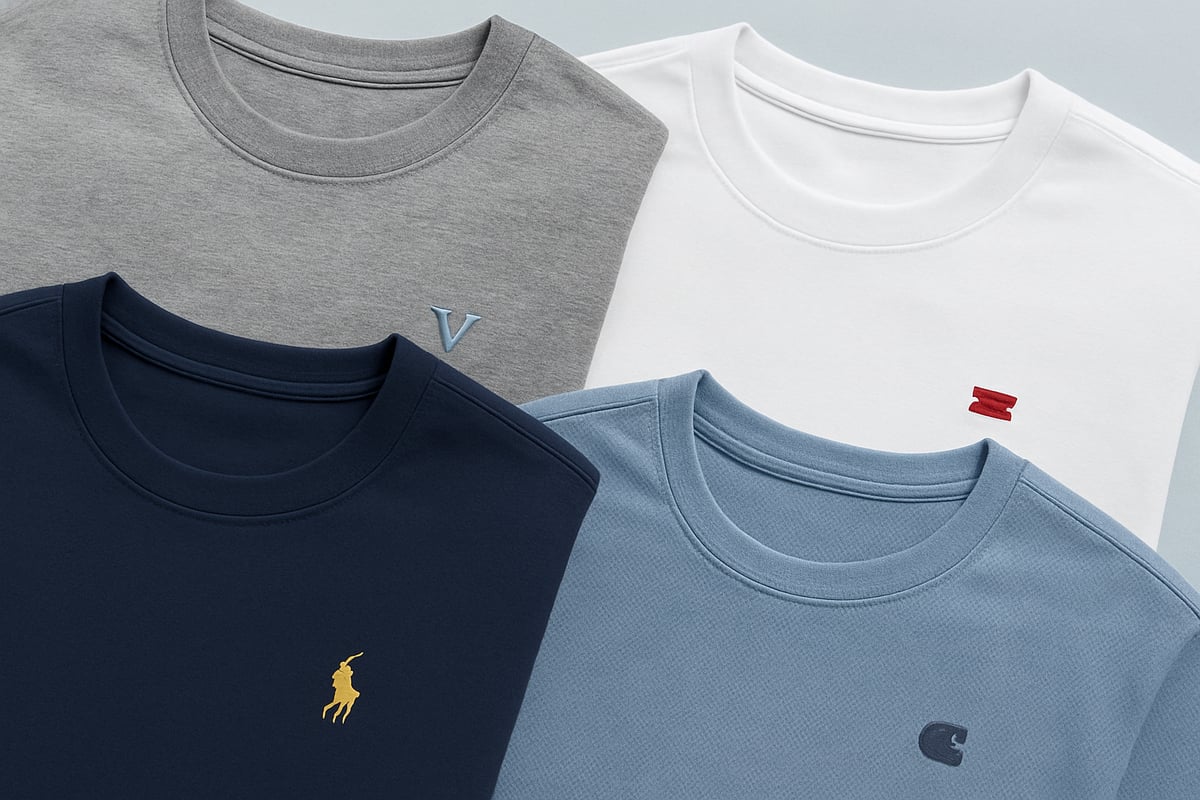
The foundation of any embroidered t shirt logo is the fabric. Cotton t-shirts are popular for their softness, breathability, and excellent compatibility with embroidery. Polycotton blends offer enhanced durability and are often chosen for uniforms or workwear due to their resilience and cost-effectiveness. Performance fabrics, such as polyester or moisture-wicking blends, present unique embroidery challenges, including potential puckering or distortion.
When selecting a t-shirt, consider the fabric's weight and weave. Heavier cotton (over 180 GSM) provides a stable base for your embroidered t shirt logo, while lighter blends may require additional stabilisation. For an in-depth look at how different fabrics affect embroidery outcomes, see the Science of fabric for custom apparel.
The construction and fit of your t-shirt directly impact the quality of your embroidered t shirt logo. Fabric weight, measured in GSM, influences how the logo sits on the garment. Heavier fabrics tend to hold stitches better, preventing logo distortion.
Seam placement is also important. Avoid placing logos over seams, as this can cause uneven stitching or breakage. Choose between fitted and loose styles based on intended use. Fitted shirts suit fashion or retail, while looser cuts are preferred for workwear or uniforms.
Thread selection is a key factor in the appearance and durability of your embroidered t shirt logo. Polyester thread is a leading choice for its colourfastness, strength, and sheen. It resists fading, even after repeated washing, making it ideal for uniforms and activewear.
Rayon thread offers a softer, more luxurious finish, suitable for fashion garments where texture is paramount. For brands prioritising sustainability, eco-friendly thread options—such as recycled polyester or organic cotton—are increasingly available.
Stabilisers provide essential support to the fabric during the embroidery process, ensuring your embroidered t shirt logo remains crisp and secure. The main types are:
Matching the stabiliser type to your garment fabric is critical for achieving a smooth, professional finish.
Correct sizing and placement are vital to the visual impact of your embroidered t shirt logo. Standard sizing guides vary for adults, kids, and unisex t-shirts. For workwear and uniforms, logos are often placed on the left chest, typically measuring 8–10 cm wide.
Promotional tees or fashion garments may feature larger or centrally placed logos for greater visibility. Always consider the t-shirt’s size and style when determining logo dimensions and location to maintain balance and readability.
UK companies often choose heavyweight cotton for staff uniforms, as it supports a sharp, durable embroidered t shirt logo that withstands daily wear. In contrast, lightweight blends are preferred for event giveaways or short-term promotional t-shirts, where comfort and cost are key.
Selecting the right combination of fabric, thread, and stabiliser ensures your embroidered t shirt logo not only looks impressive but also endures the demands of its intended use.
Achieving a flawless embroidered t shirt logo requires attention to design, materials, and technique. By following expert advice at every stage, you can ensure your logo stands out for all the right reasons and remains sharp and vibrant over time.
Start with a simple, bold design. Fine lines and intricate gradients rarely translate well to stitches, so opt for strong shapes and clear fonts. Keep text at least 5mm high for readability. Test your design at actual size. For more professional guidance, consult resources like Embroidery Logo Design Mastery, which covers key principles for an effective embroidered t shirt logo.
Choose high quality threads and sturdy t-shirt fabrics to extend the life of your embroidered t shirt logo. Polyester threads offer superior colourfastness and resist fraying, making them ideal for workwear and uniforms. Reinforce high-wear areas with additional stitching. Use the right type of stabiliser to prevent shifting or puckering, especially on lighter fabrics. This ensures your logo remains crisp after repeated washes.
Consistent placement is crucial for a polished finish. Use templates or guides to position the embroidered t shirt logo, especially when producing multiple garments. Adjust the logo size for each t-shirt size so it always looks balanced, from small to XXL. Standard placements include the left chest, centre chest, and sleeves. For workwear, the left chest is most common, while fashion t-shirts often use larger centre placements.
Select thread colours that stand out against your t-shirt fabric. High contrast ensures the embroidered t shirt logo is visible from a distance. When embroidering on dark or patterned shirts, use an outline or border to keep the logo clear. Limit your palette to 12–15 colours for best results. Pantone matching helps maintain brand consistency across different batches and garments.
Collaborate closely with experienced designers and embroiderers. Share your brand guidelines and expectations upfront. Request digital proofs or physical samples before starting full production. Good communication helps avoid misunderstandings and ensures your embroidered t shirt logo matches your vision. Professionals can advise on thread types, stitch density, and placement to achieve the highest quality finish.
Avoid overcrowding the logo area, as this can lead to thread breaks and a cluttered appearance. Do not ignore the fabric’s stretch and movement, which can distort the embroidered t shirt logo over time. Always run a pre-production sample to catch issues before bulk orders. Skipping this step may result in costly errors and wasted materials.
Embrace minimalist and bold designs, which continue to dominate the embroidered t shirt logo landscape. Explore eco-friendly threads and organic cotton garments to appeal to sustainability-minded consumers. Incorporate innovative thread types, such as metallic or neon, to make your logo pop. Stay updated on new embroidery techniques to keep your branding fresh and relevant.
Looking after your embroidered t shirt logo is essential if you want your branding to remain sharp and professional year after year. Quality care protects the vibrant threads, keeps logos crisp, and ensures your investment in custom garments pays off. Below, you will find expert guidance for every stage of garment care.
To maintain your embroidered t shirt logo, always wash garments inside out. This simple step shields the threads from friction and fading. Use a gentle cycle with cold or lukewarm water, ideally between 30°C and 40°C. Avoid bleach and harsh detergents, as these can break down both fabric and embroidery.
If you want further detail on proven washing methods, consult these Embroidery Care Instructions for comprehensive advice. Air drying is preferable, as tumble drying may cause shrinkage or affect thread tension.
When ironing, protect your embroidered t shirt logo by turning the garment inside out or placing a clean cloth over the embroidery. Use a low to medium heat setting and never apply direct heat to the threads. This prevents flattening and preserves the raised, tactile finish.
Store your embroidered t shirts folded in a cool, dry place. Hanging can stretch the fabric over time, especially around the logo area. Proper storage helps keep the logo’s shape and colour vibrant.
Regular inspection is key to catching minor issues before they escalate. If you notice a loose thread on your embroidered t shirt logo, avoid pulling it. Instead, gently trim it with sharp scissors. For more significant snags or thread breaks, seek professional repair to ensure the design remains intact.
Prompt repairs extend the garment's lifespan and keep the logo looking its best. Addressing small issues early prevents them from becoming costly problems later.
The colour and sheen of your embroidered t shirt logo are best preserved by air drying and avoiding prolonged sunlight exposure. UV rays can dull thread colours over time. Use mild, colour-safe detergents to prevent fading.
Avoid overloading the washing machine, which can distort the fabric and embroidery. Keeping loads light ensures the logo retains its texture and crisp appearance.
Rotating your embroidered t shirts, especially for uniforms, prevents excessive wear on any single garment. This is essential for businesses and schools aiming for long-term value from their embroidered t shirt logo investment.
Store all garments in a well-ventilated, dry space to prevent mildew. With these practices, many schools and companies report their uniforms look professional for several years, proving the lasting value of quality embroidery.
Choosing the right embroidered t shirt logo solution can raise many questions, especially with evolving technology and trends in 2026. Here, we answer the most common queries to help you make confident decisions.
What’s the minimum order for custom embroidered t-shirts?
Most UK suppliers set a minimum order for embroidered t shirt logo jobs, typically starting from 10 to 20 garments. This is due to the setup time for digitising and machine preparation. However, some providers offer lower minimums for school uniforms or sample runs. For more on school uniform options, see this Guide to customising school uniforms.
How many colours can be included in an embroidered logo?
Modern embroidery machines usually support up to 12–15 thread colours per embroidered t shirt logo. While this is sufficient for most designs, fewer colours often produce a cleaner result. Limiting your palette can also help maintain clarity and reduce production costs.
Can complex logos be embroidered on any t-shirt fabric?
Not all fabrics suit every embroidered t shirt logo, especially those with intricate details. Heavier cotton and polycotton blends hold stitches well, while lightweight or stretchy fabrics may distort or limit fine detail. Simplifying your logo ensures a crisp, professional finish on most t-shirt materials.
What’s the typical turnaround time for bulk orders?
For bulk embroidered t shirt logo orders, expect an average turnaround of 2–5 working days in the UK. This can vary depending on order size, garment availability, and time of year. Always confirm lead times with your supplier before placing an order.
How do I ensure my logo looks good in embroidery?
Prioritise a simple, bold design for your embroidered t shirt logo. Avoid small text, thin lines, or gradients. Providing a high-resolution vector file helps your embroiderer create precise stitch files, ensuring the final result is sharp and legible.
Are there eco-friendly options for threads and t-shirts?
Yes, many UK suppliers now offer recycled polyester threads, organic cotton garments, and water-based stabilisers for your embroidered t shirt logo. To learn more about sustainable choices, visit the Rise of sustainable t-shirt printing guide.
What are the most popular placements for logos in 2026?
The left chest remains the classic spot for an embroidered t shirt logo. However, sleeve, centre chest, and even upper back placements are trending, especially for workwear and school uniforms. Placement often depends on both style and brand guidelines.
How does embroidery pricing compare to printing for large orders?
Embroidery usually offers better durability and perceived value, but upfront costs are higher than printing. For large embroidered t shirt logo orders, the price per unit drops as quantities increase. Here’s a quick comparison:
| Method | Durability | Setup Cost | Unit Cost (bulk) |
|---|---|---|---|
| Embroidery | High | Higher | Lower |
| Printing | Moderate | Lower | Lower |
Discuss your requirements with providers to find the best value for your project.
OK T-Shirt
126 Beeches Rd
Birmingham
B42 2HQ
