Cheap Printed T-Shirts UK: Quality & Value Guide 2026
Discover how to source cheap printed t-shirts UK without compromising…
Embroidered t-shirts have become a cornerstone of professional branding and personalised clothing across the United Kingdom. From corporate uniforms to school sports kits, the demand for high-quality embroidered garments continues to grow as businesses and organisations recognise the lasting value of this premium decoration technique. Unlike printed designs that may fade or crack over time, embroidery offers a sophisticated, durable solution that elevates any garment whilst communicating professionalism and attention to detail. As we navigate through 2026, the embroidered t-shirts UK market has evolved significantly, embracing sustainability, technological innovation, and increasingly sophisticated customisation options that cater to diverse needs.
Embroidery stands apart from other decoration methods through its dimensional, tactile quality and exceptional longevity. The technique involves stitching designs directly into fabric using specialised threads, creating a raised, textured finish that commands attention.
Professional embroidery offers several distinct advantages:
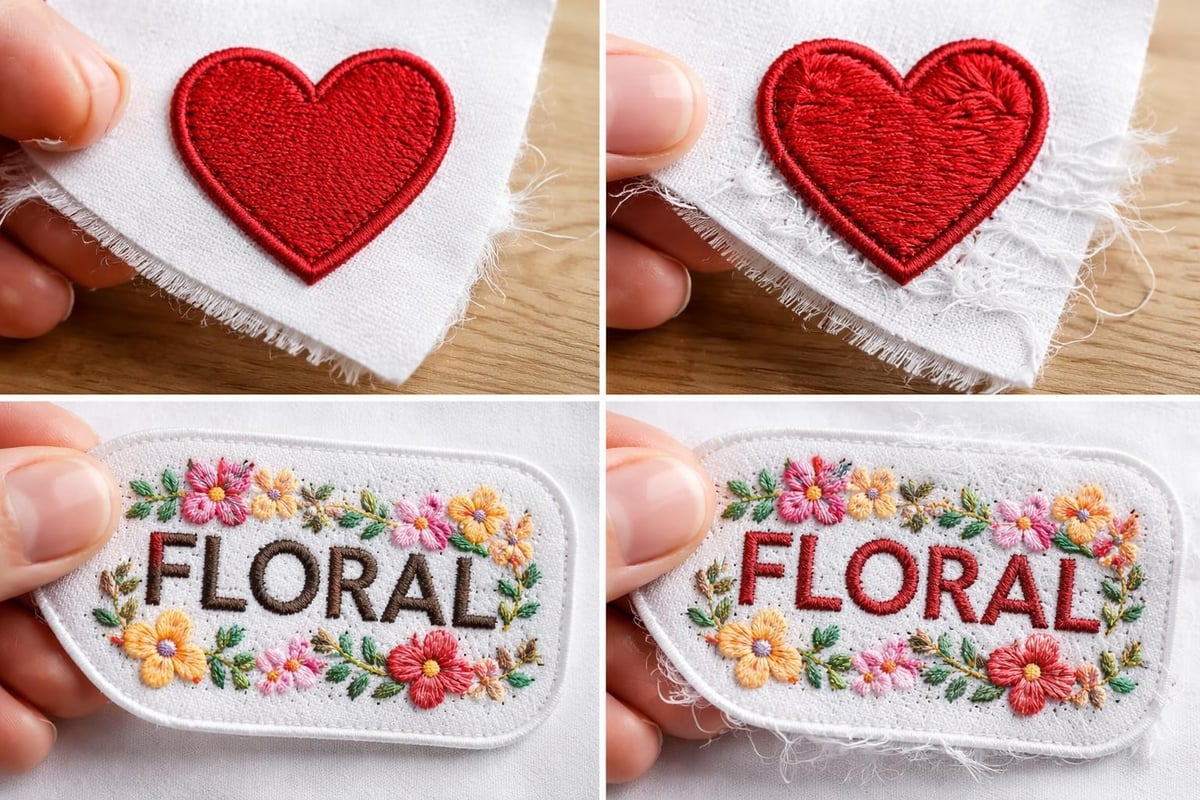
The actual quality of embroidered t-shirts UK suppliers deliver depends heavily on thread count, stitch density, and backing materials. High-quality embroidery typically uses 60-75% stitch density to balance coverage with fabric integrity, whilst inferior work may use fewer stitches, resulting in gaps and poor definition.
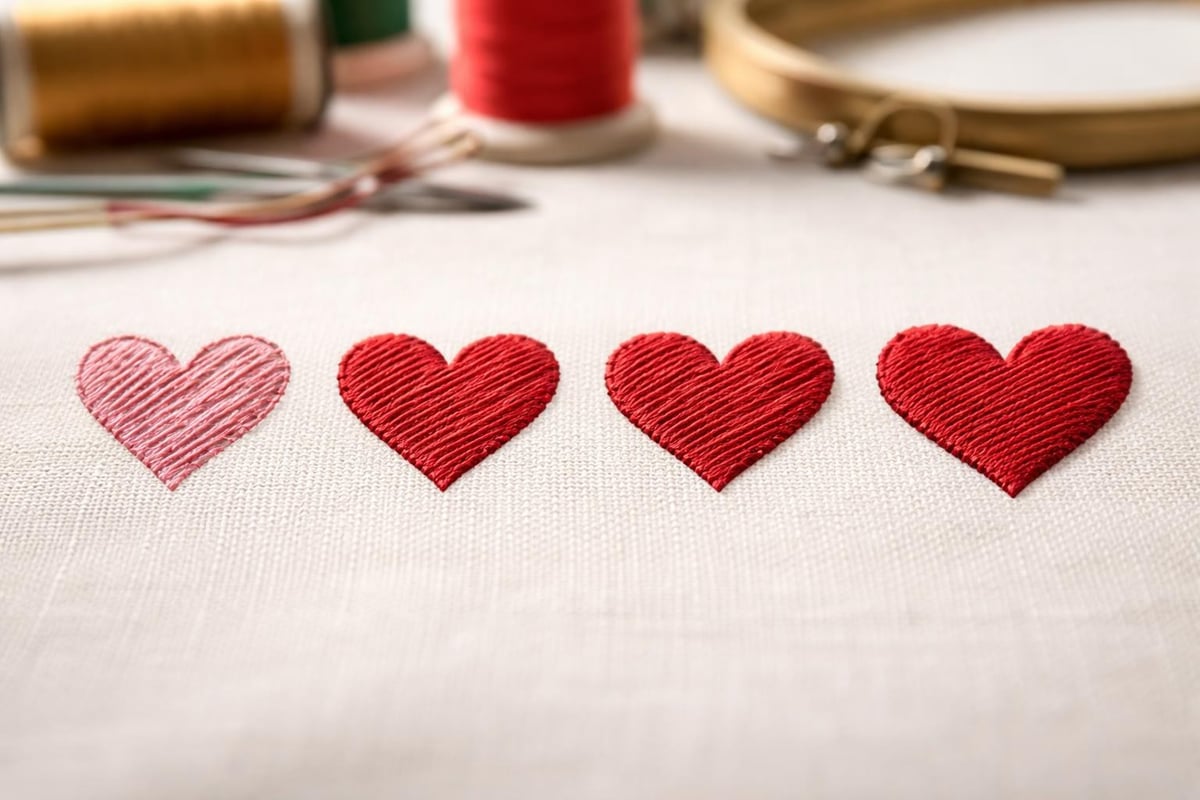
When selecting embroidered garments, understanding technical specifications ensures you receive value for your investment. Thread quality forms the foundation of exceptional embroidery-polyester threads dominate commercial applications due to their colourfast properties and strength, whilst rayon threads offer superior sheen for decorative applications.
| Specification | Standard Quality | Premium Quality |
|---|---|---|
| Stitch Density | 50-60% | 65-75% |
| Thread Type | Basic Polyester | High-sheen Polyester/Rayon |
| Backing Material | Tearaway | Cutaway (permanent support) |
| Design Complexity | Up to 10,000 stitches | 15,000+ stitches |
| Colour Options | 8-12 colours | Unlimited |
Backing materials significantly impact the final appearance and durability. Cutaway backing remains permanently in the garment, providing crucial support for dense designs and preventing distortion during wear and washing. Tearaway backing suits lighter designs but may compromise longevity.
The embroidered t-shirts UK landscape in 2026 reflects broader shifts towards sustainability, personalisation, and technological advancement. The latest trends in UK embroidery design techniques demonstrate how consumer preferences are evolving beyond simple logo placement.
Sustainability has emerged as a primary consideration for businesses and individuals alike. Eco-conscious buyers increasingly seek sustainable organic embroidered cotton shirts that align with environmental values whilst maintaining quality standards. This shift extends to thread choices, with recycled polyester threads gaining traction.
Mass customisation technology now enables cost-effective small-batch production, allowing customers to order single embroidered t-shirts with the same quality previously reserved for bulk orders. This democratisation has opened embroidery to individuals seeking unique gifts, special occasions, or personal branding.
Popular personalisation applications include:
The evolution of embroidered workwear trends illustrates how professional sectors are embracing personalisation alongside traditional corporate branding, creating garments that balance company identity with individual recognition.
Different sectors utilise embroidered t-shirts UK suppliers provide for distinct purposes, each with specific requirements and expectations.
Businesses across Birmingham and the wider UK recognise embroidered t-shirts as powerful branding tools. Unlike temporary promotional items, embroidered corporate wear creates lasting impressions whilst fostering team unity. Companies typically opt for chest logo placement, with some adding sleeve embroidery or back designs for enhanced visibility.
Premium corporate applications demand precise colour matching to corporate identity guidelines. Pantone colour conversions to thread colours require expertise, as exact matches prove challenging due to the inherent differences between ink and thread.
Schools comprise a significant portion of the embroidered t-shirts market, requiring durable garments that withstand daily wear and frequent washing. School crests, house badges, and department identifiers create cohesion whilst allowing individual expression through personalised names or achievement badges.
Educational applications particularly benefit from embroidery's durability, as garments endure intensive use throughout academic years. Many schools now offer comprehensive customised clothing options that extend beyond traditional uniforms to include sports kits, trip shirts, and leavers' garments.
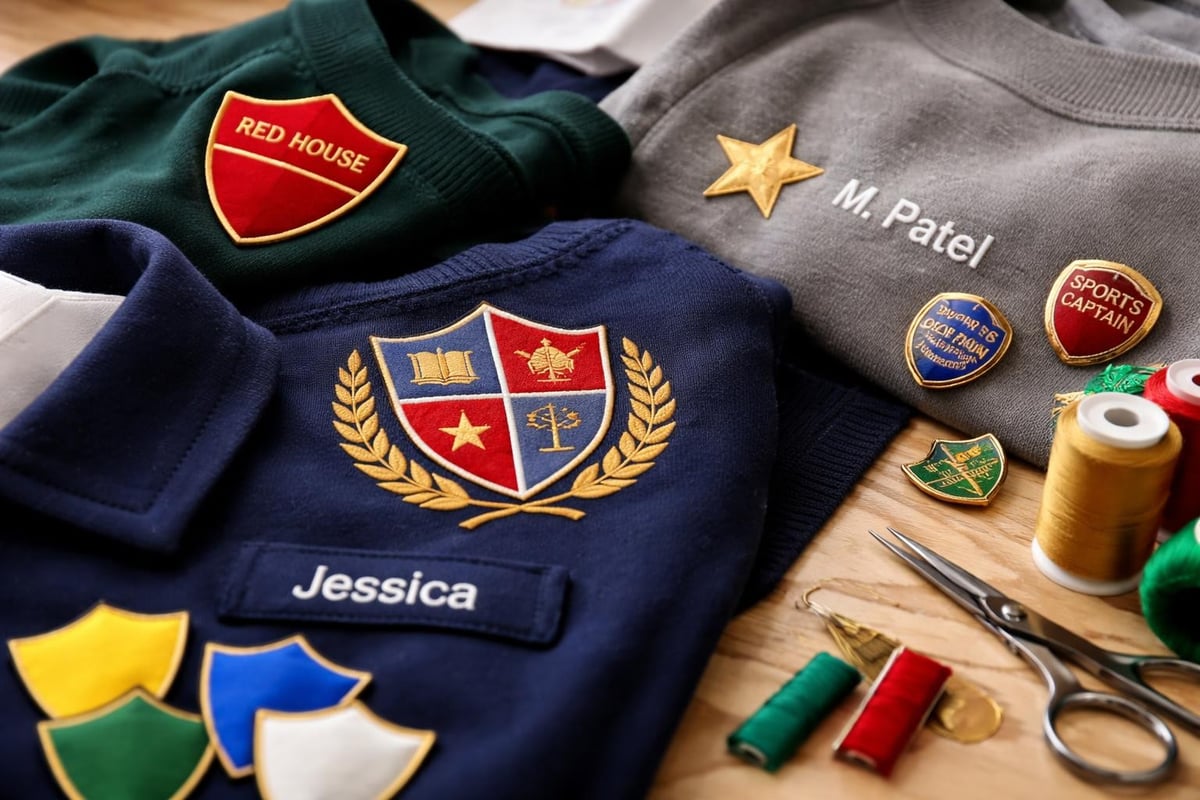
Trades, hospitality, healthcare, and service industries rely heavily on embroidered workwear to project professionalism whilst ensuring employee identification. The future of professional clothing customisation points towards increased integration of technology with traditional embroidery techniques.
Workwear demands exceptional durability, as garments face harsh conditions including industrial washing, chemical exposure, and physical wear. High-quality embroidered t-shirts UK specialists produce can withstand these challenges whilst maintaining brand presentation.
| Industry Sector | Primary Requirements | Typical Placement |
|---|---|---|
| Hospitality | Frequent laundering, professional appearance | Left chest, sleeve |
| Construction | Durability, high visibility options | Chest, back panel |
| Healthcare | Hygiene compliance, easy identification | Chest, shoulder |
| Retail | Brand consistency, attractive presentation | Chest, pocket area |
Not all t-shirts perform equally under embroidery needles. Fabric weight, composition, and construction significantly influence both the embroidery process and final results.
Ideal fabric characteristics include:
Lightweight or loosely knitted fabrics require additional backing and may pucker around dense embroidery. Performance fabrics containing elastane or specialized moisture-wicking materials demand specific backing materials and reduced tension settings to prevent fabric distortion.
Thread colour selection against garment colour dramatically impacts design visibility and aesthetic appeal. High contrast combinations (navy thread on white shirts, white thread on black garments) deliver maximum impact, whilst tonal variations create sophisticated, subtle branding.
Understanding colour theory helps optimize embroidered designs. Complementary colours create vibrant, attention-grabbing results, whilst analogous colour schemes produce harmonious, professional appearances suitable for corporate environments.
Modern commercial embroidery combines traditional craftsmanship with digital precision. Understanding this process helps customers appreciate the value and complexity behind quality embroidered t-shirts UK providers deliver.
Current embroidery trends for 2026 emphasise technological integration, with 3D puff embroidery and specialty thread effects gaining popularity. These advanced techniques create dimensional effects that elevate standard embroidery beyond flat stitching.
Reputable suppliers implement rigorous quality control throughout production. Each embroidered t-shirt should undergo inspection for thread tension consistency, design placement accuracy, backing security, and overall finish quality. Experienced operators identify and rectify issues like bird nesting (tangled threads), registration errors, or incomplete coverage before garments leave production.
Understanding embroidered t-shirts UK pricing helps buyers make informed decisions and budget appropriately for custom garments. Several factors influence final costs beyond simple per-garment pricing.
Primary cost components include:
Digitisation represents a one-time investment, with files reusable for future orders. Simple text or basic logos might incur £15-30 digitisation fees, whilst complex multi-colour designs could reach £50-100. However, this cost amortises across order quantities, becoming negligible for larger productions.
Whilst some suppliers impose minimum order quantities (MOQs) of 25-50 garments, modern embroidery capabilities enable single-item production at premium pricing. Small businesses, individuals, and organisations requiring limited quantities benefit from flexible suppliers who accommodate varied order sizes.
Bulk ordering delivers significant per-garment savings. A complex chest logo might cost £8-12 per shirt for orders of 10 units but drop to £4-6 per shirt at 100+ quantities. These economies of scale make embroidered t-shirts increasingly accessible for larger organisations.
Proper care maximises the lifespan of embroidered garments, protecting your investment whilst maintaining professional appearance. Embroidered t-shirts UK specialists produce withstand normal wear and washing when treated appropriately.
Essential care guidelines:
Commercial laundering requires specific consideration. Industrial wash temperatures and chemical formulations can affect embroidered designs differently than domestic washing. Communicate with laundry services about embroidered garments to ensure appropriate handling.
Despite quality construction, embroidered garments may occasionally experience thread loosening or minor damage. Small thread breaks can often be secured with fabric glue or clear nail varnish to prevent unravelling. Significant damage typically requires professional repair or re-embroidery.
Pilling around dense embroidery areas results from friction between raised stitching and surrounding fabric. Fabric shavers or pill removers safely address this issue without damaging embroidery itself.
Choosing the right partner for embroidered t-shirts UK production significantly impacts satisfaction, quality, and value. Birmingham businesses and organisations across the UK should evaluate potential suppliers against specific criteria.
| Selection Factor | What to Assess |
|---|---|
| Experience | Years in business, industry specialisation |
| Portfolio | Previous work quality, design complexity handled |
| Turnaround Times | Standard and rush production capabilities |
| Customer Service | Responsiveness, expertise, problem-resolution |
| Pricing Transparency | Clear quotations, no hidden fees |
| Technology | Modern equipment, digitising capabilities |
Reviewing customer testimonials and requesting samples provides insight into consistent quality standards. Established suppliers with decade-plus experience typically offer reliability and expertise that newer entrants cannot match.
Geographic proximity offers advantages for time-sensitive projects, design consultations, and quality verification. Local Birmingham suppliers enable face-to-face meetings, sample reviews, and relationship building that facilitate smoother production processes.
However, online suppliers may offer competitive pricing and specialized capabilities unavailable locally. Balancing convenience, cost, and quality requirements guides optimal supplier selection for specific projects.
The embroidered t-shirts UK industry continues evolving through technological advancement and changing consumer expectations. Automation, artificial intelligence, and sustainable practices shape the sector's trajectory.
Digital embroidery machines now feature automatic thread trimming, colour changing, and pattern recognition that reduce production time whilst improving consistency. Some advanced systems incorporate cameras that detect fabric patterns, automatically adjusting designs for optimal placement on printed or patterned base garments.
Anticipated developments include:
Sustainability initiatives extend beyond thread materials to energy-efficient machinery, waste reduction protocols, and circular economy principles where damaged garments are deconstructed and materials recycled.
Effective embroidered designs balance aesthetic appeal with practical considerations. Working collaboratively with experienced suppliers produces superior results compared to rigid design specifications without expert input.
Design optimization strategies:
Placement significantly affects perceived quality and professionalism. Traditional left chest positioning suits most corporate applications, whilst larger back placements create impact for events, teams, or casual wear. Sleeve embroidery adds subtle branding opportunities without overwhelming primary designs.
Typography selection influences legibility and production efficiency. Sans-serif fonts generally embroider more cleanly than elaborate script styles, particularly at smaller sizes. Minimum recommended text heights of 6-8mm ensure readability and proper stitch formation.
Embroidered t-shirts represent a premium investment in professional branding, team unity, and lasting quality that transcends temporary printed alternatives. Understanding quality indicators, current trends, and application-specific requirements enables informed decisions that deliver maximum value and satisfaction. Whether you're outfitting a corporate team, school group, or seeking personalised garments, working with experienced specialists ensures exceptional results. OK T-Shirt brings over a decade of embroidery expertise to businesses and organisations throughout Birmingham and beyond, delivering high-quality customised garments with professional service and rapid turnaround times. Contact our team today to discuss how embroidered t-shirts can elevate your brand or organisation.
OK T-Shirt
126 Beeches Rd
Birmingham
B42 2HQ
