The world of custom apparel is thriving in 2026, with more businesses, schools, and individuals embracing personalised garments than ever before. Whether for branding, team spirit, or self-expression, custom clothing is everywhere.
Embroidery and t shirt printing open up endless creative and professional possibilities. From elegant stitched logos to vibrant printed designs, these methods help you stand out and make an impact.
This handbook offers practical guidance for both beginners and experienced creators. You will discover how to achieve professional results, no matter your starting point.
Explore proven methods, learn about materials, master design tips, and pick up insider advice for outstanding outcomes in embroidery and t shirt printing.
Understanding Embroidery and T-Shirt Printing: Definitions, History, and Modern Trends
The world of embroidery and t shirt printing is both creative and dynamic, offering endless options for businesses, schools, and individuals. To make informed choices, it helps to understand the definitions, history, current trends, and practical applications of these popular customisation methods.
What is Embroidery?
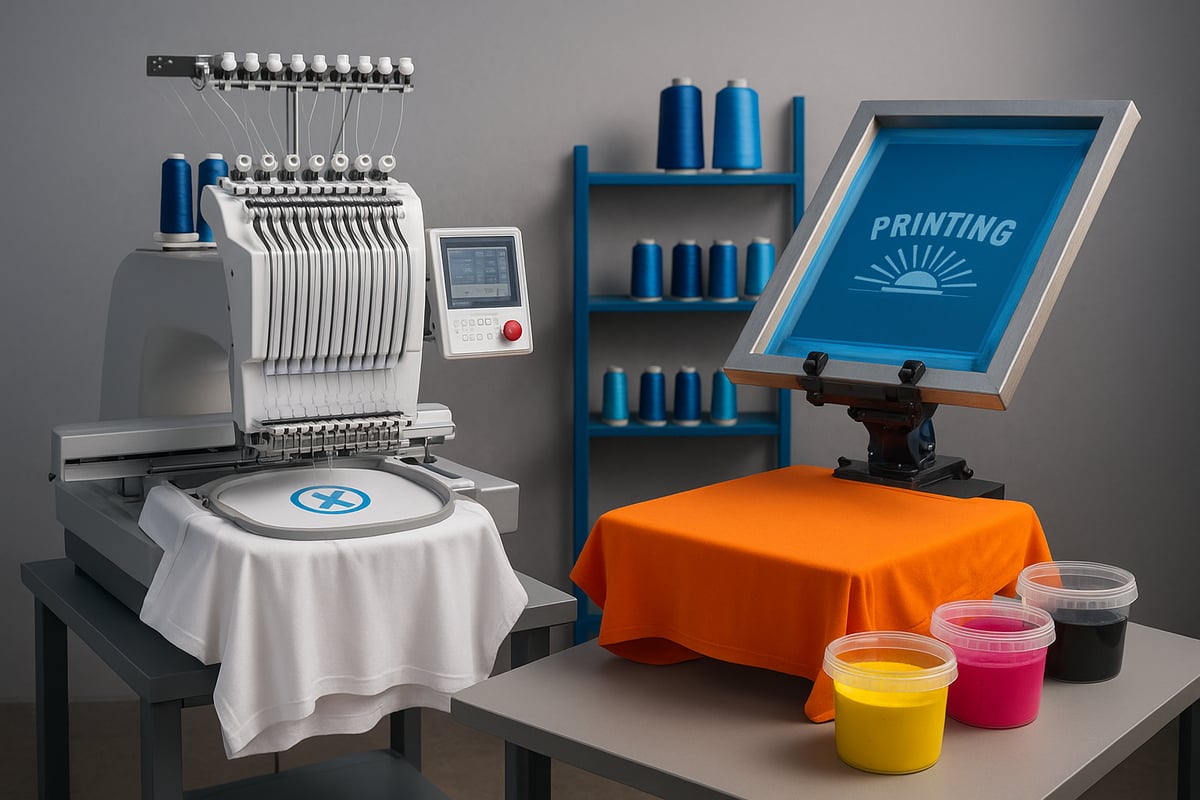
Embroidery is the art of decorating fabric with needle and thread, creating raised designs that stand out for their texture and durability. Core techniques include satin stitch and fill stitch, both used for intricate logos and text. Historically, embroidery began with hand stitching, evolving over centuries to today’s digital embroidery machines.
Modern embroidery and t shirt printing often feature school logos, workwear branding, and personalised gifts, blending tradition with technology.
T-Shirt Printing Explained
T-shirt printing refers to various methods for applying designs directly onto garments. The main techniques are screen printing, direct-to-garment (DTG), and heat transfer. While embroidery adds texture, printing offers vibrant colours and complex graphics.
For embroidery and t shirt printing, applications range from promotional T-shirts and event wear to fashion statements and charity campaigns.
Evolution of Custom Apparel
Custom apparel has transformed from handcraft origins to automated production. Early methods were slow and labour-intensive; today, advanced machines and software streamline the process.
Growing demand for embroidery and t shirt printing has fuelled industry growth, with the UK custom apparel market reaching £2.4bn in 2025 (source). Personalisation is now accessible for all.
Key Industry Trends for 2026
Sustainability is shaping embroidery and t shirt printing in 2026. Eco-friendly inks and threads are in high demand, as brands prioritise responsible materials. AI-driven design platforms simplify artwork creation, making customisation faster and more accessible.
There is also a surge in small-batch orders and rapid turnaround, reflecting consumer desire for unique, quickly delivered products.
Embroidery vs. T-Shirt Printing: Pros and Cons
Choosing between embroidery and t shirt printing depends on the project. Embroidery offers unmatched durability and a premium feel, ideal for uniforms and long-lasting branding. Printing allows for greater design flexibility, vibrant colours, and is often more cost-effective for large runs.
| Feature | Embroidery | T-Shirt Printing |
|---|---|---|
| Durability | High | Varies by method |
| Texture | Raised, tactile | Smooth, flat |
| Cost | Higher for small runs | Lower for bulk orders |
| Design Flex | Limited detail | Full-colour, complex images |
For a deeper comparison, see the Embroidery vs. DTG Printing Guide.
Popular Uses and Target Audiences
Embroidery and t shirt printing are used by businesses, schools, sports teams, events, and individuals. Around 60% of UK businesses use branded apparel, reflecting its value for marketing and identity.
Case studies highlight local sports teams choosing embroidery for kit durability, while school leavers’ hoodies often feature bold printed graphics. Personal gifts, charity events, and promotional giveaways all benefit from the versatility of embroidery and t shirt printing, making these methods essential for a wide audience.
The Embroidery Process: Step-by-Step Guide
Embarking on the embroidery and t shirt printing journey requires both creativity and precision. Understanding each stage will help you achieve results that look and feel professional, whether you are personalising uniforms, gifts, or promotional wear.
Step 1: Choosing the Right Garment
Selecting the ideal garment is the first step in embroidery and t shirt printing. The fabric type will influence the final outcome, so consider options such as cotton, polyester blends, or fleece.
- Cotton is favoured for its softness and ease of stitching.
- Polyester blends offer durability and resistance to wrinkles.
- Fleece is suitable for thicker embroidery, like hoodies and jackets.
Thickness, weave, and colour all affect how designs appear. Lighter colours make threads stand out, while darker shades may require underlay stitching for clarity. For sustainable results, explore organic cotton options, as outlined in this organic cotton guide for embroidery and printing.
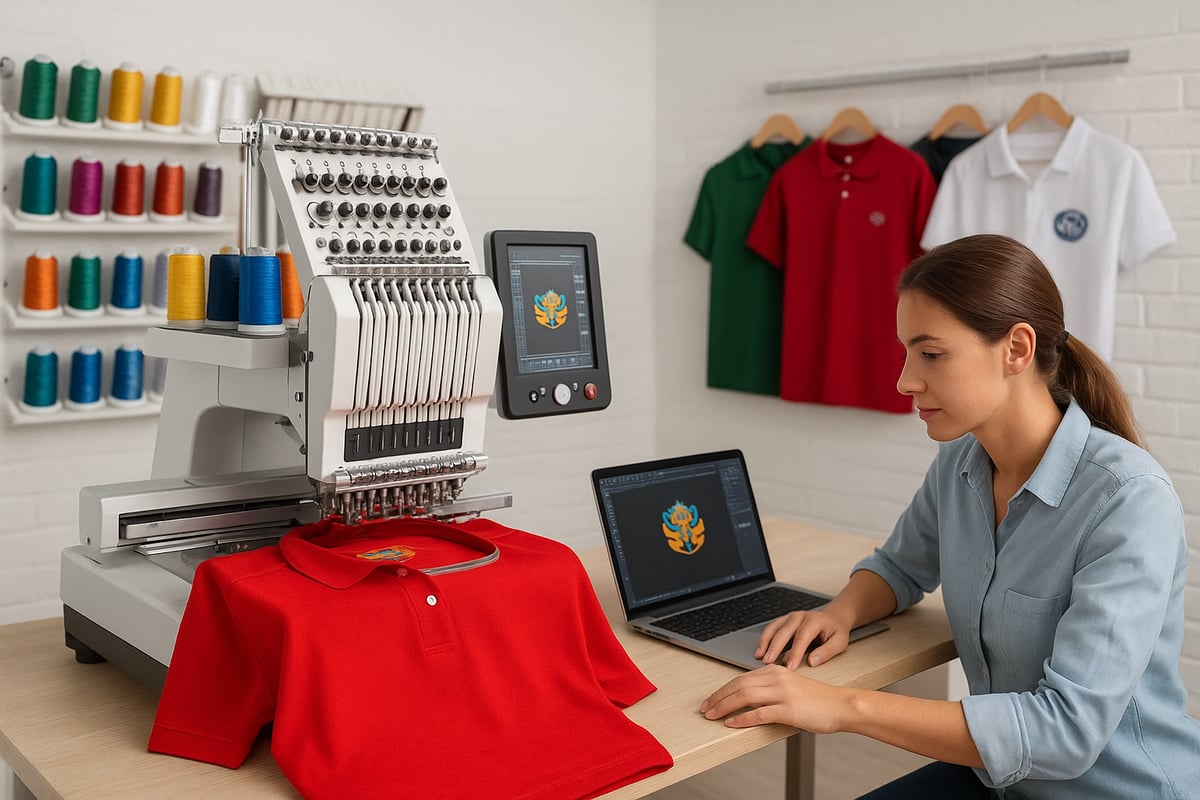
Polo shirts are a classic choice for business uniforms, offering a professional look and reliable surface for embroidery and t shirt printing.
Step 2: Designing for Embroidery
Good design is crucial for embroidery and t shirt printing. Start with a vector file, which ensures scalability and sharpness. Before stitching, designs must be digitised, converting artwork into a format that embroidery machines can read.
- Avoid tiny details and fine lines, as embroidery threads have thickness.
- Gradients and subtle shading are difficult to reproduce with thread.
- Use software such as Wilcom or PulseID for professional digitisation.
Test your artwork on similar fabric to check for clarity and impact. By refining your design at this stage, you can prevent issues later in the embroidery and t shirt printing process.
Step 3: Selecting Threads and Colours
Thread selection has a significant impact on the outcome of embroidery and t shirt printing. Polyester and rayon are the most common thread types, each offering different advantages.
| Thread Type | Durability | Finish | Washability |
|---|---|---|---|
| Polyester | High | Slight sheen | Excellent |
| Rayon | Medium | High sheen | Good |
Match thread colours to Pantone references for brand consistency. Always consider the washability of threads, especially for uniforms and regular-use garments. A careful selection ensures that embroidery and t shirt printing remain vibrant and durable over time.
Step 4: Machine Setup and Hoop Placement
Proper machine setup is essential in embroidery and t shirt printing. Choose between single-head machines for small runs or multi-head machines for larger orders.
- Select the right hoop size to fit the garment and design.
- Ensure the garment is hooped tightly, but not stretched.
- Adjust thread tension for smooth, consistent stitching.
Stability is key. A well-hooped garment prevents shifting and maintains design accuracy. This step in embroidery and t shirt printing sets the foundation for a neat, professional finish.
Step 5: Stitching and Quality Checks
The stitching process brings your embroidery and t shirt printing designs to life. Monitor stitch count and density to avoid puckering or thread breaks.
- High stitch density can cause fabric distortion.
- Low density may result in gaps and weak designs.
- Inspect for loose threads, skipped stitches, and colour consistency.
A thorough quality check ensures the final product meets expectations. Consistent standards in embroidery and t shirt printing help maintain customer satisfaction and brand reputation.
Step 6: Finishing Touches and Aftercare
After embroidery, trim excess threads and remove backing materials. Press the garment lightly to set the stitches and improve appearance.
- Wash embroidered items gently, using mild detergent.
- Iron on the reverse side or use a pressing cloth to avoid damaging threads.
Proper aftercare extends the lifespan of your embroidery and t shirt printing projects. Clear care instructions help recipients maintain their custom apparel, ensuring it looks its best for longer.
T-Shirt Printing Techniques: Methods, Materials, and Best Practices
T-shirt printing has evolved into a diverse field, offering options for every project size, budget, and creative vision. Whether you are new to embroidery and t shirt printing, or looking to refine your technique, understanding the main methods and best practices is essential for professional results.
Screen Printing
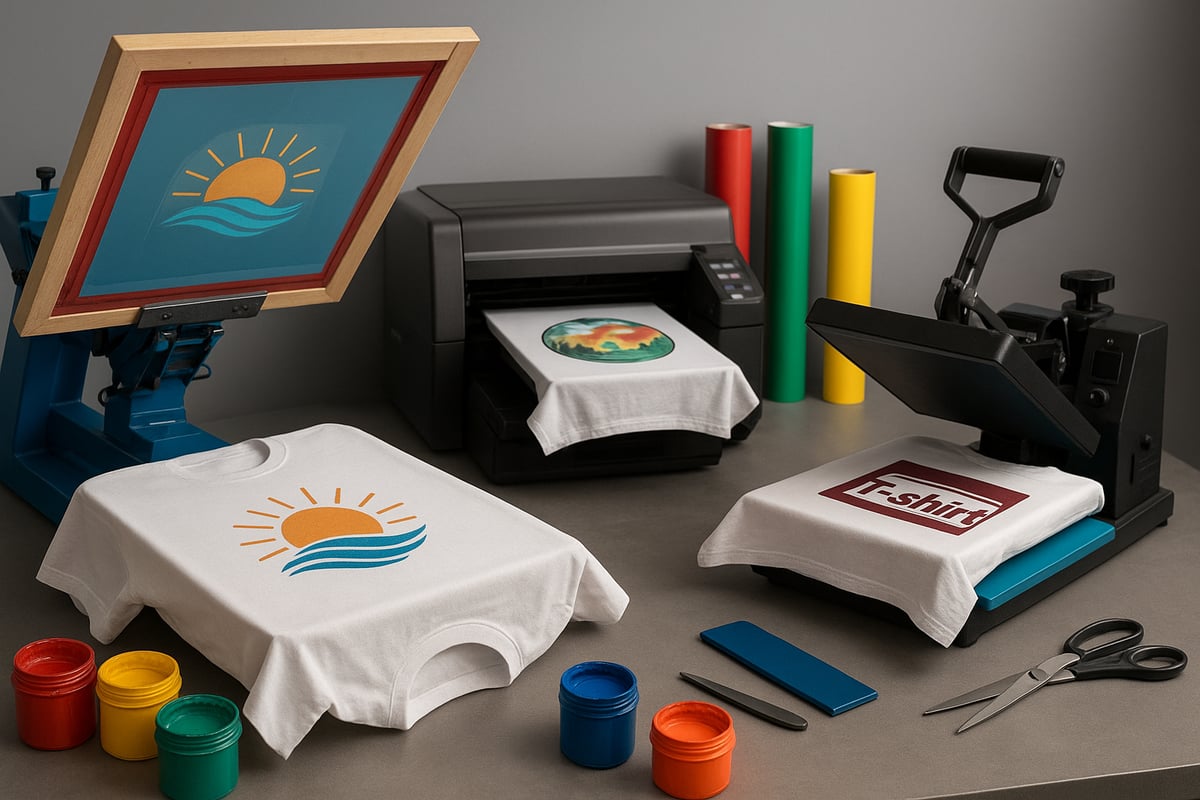
Screen printing is a traditional yet highly effective method in embroidery and t shirt printing. It involves pushing ink through a mesh stencil (screen) onto the fabric, creating bold and vibrant designs.
This technique excels for bulk orders due to its speed and cost efficiency. Designs with few colours and large, flat areas work best. Setup requires creating separate screens for each colour, so complex, multi-colour artwork can increase time and cost.
Benefits:
- Ideal for large runs
- Durable prints with rich colours
- Works on most fabric types
Limitations:
- Not cost-effective for small batches
- Limited colour blending and fine detail
Screen printing remains a staple for event shirts, branded uniforms, and promotional apparel.
Direct-to-Garment (DTG) Printing
DTG printing uses inkjet technology to apply water-based inks directly onto the fabric. This method stands out in the embroidery and t shirt printing world for its ability to reproduce detailed, full-colour images and gradients.
It is especially suited for short runs or one-off designs, as there are no screens to set up. DTG works best on 100% cotton garments, as absorbency affects print quality.
Advantages:
- Unlimited colour options and intricate detail
- Quick setup, ideal for custom orders
Limitations:
- Higher cost per item for large quantities
- Limited compatibility with synthetic fabrics
DTG is a favourite for artists, designers, and personalised gifts, where vibrant imagery is key.
Heat Transfer Printing
Heat transfer printing is a versatile process in embroidery and t shirt printing, using heat and pressure to bond designs onto garments. The main types are vinyl, sublimation, and plastisol transfers.
Vinyl transfers involve cutting designs from coloured sheets, while sublimation uses special inks that become part of the fabric, producing lightweight, long-lasting prints. Plastisol transfers mimic screen prints and work well on various fabrics.
Durability and Feel:
- Vinyl: Smooth, slightly raised finish, very durable
- Sublimation: Soft feel, best on polyester
- Plastisol: Bold and flexible, good for cotton blends
Heat transfer suits small batches, sportswear, and personalised items, offering flexibility and quick turnaround.
Choosing the Right Printing Method
Selecting the best method for embroidery and t shirt printing depends on several factors. Consider your order size, artwork complexity, budget, and desired finish.
| Method | Best For | Limitations |
|---|---|---|
| Screen | Bulk, simple designs | Setup time, colours |
| DTG | Small runs, photos | Fabric choice |
| Heat Transfer | Personalisation, sports | Durability varies |
For a deeper dive into method selection, see Choosing T-Shirt Printing Technology.
Think about your project’s needs. For events and company giveaways, screen printing is often the most cost-effective. For detailed artwork or small orders, DTG or heat transfer provide greater flexibility.
Inks and Materials
The choice of inks and materials is crucial in embroidery and t shirt printing. Two main ink types are used: water-based and plastisol.
- Water-based inks: Eco-friendly, soft feel, suitable for light fabrics.
- Plastisol inks: Vibrant colours, durable, can sit on top of fabric.
Eco-friendly options are increasingly popular. Look for OEKO-TEX certified inks and sustainable garments to meet consumer demand for responsible production.
Garment compatibility is also vital. Cotton works well for most methods, while polyester and blends may require specific inks or pre-treatments to ensure quality results.
Troubleshooting Common Printing Issues
Even with the best embroidery and t shirt printing setup, issues can arise. Common problems include ink bleed, misalignment, and fading.
- Ink bleed: Prevent by using the correct ink and drying temperature.
- Misalignment: Regularly check press calibration and artwork placement.
- Fading: Use quality inks and follow proper curing times.
Establish a quality assurance checklist:
- Inspect print clarity and alignment
- Check for unwanted marks or smudges
- Test wash durability before delivery
Addressing these issues early ensures your finished garments meet high standards and keep customers satisfied.
Design Tips for Impactful Custom Apparel
Design is at the heart of successful embroidery and t shirt printing projects. Whether you are creating uniforms, promotional wear, or personal gifts, impactful design ensures your message stands out and your garments look professional. Effective design balances creativity, clarity, and technical requirements.
Principles of Effective Design
Strong design begins with simplicity. Avoid cluttered graphics or excessive text. High-contrast colours make logos and slogans more visible, especially on busy backgrounds. Scalability is crucial, as your design should look sharp on both small chest logos and large back prints.
Align every element with your brand identity. For example, a school crest requires formality, while an event slogan can be playful. Consistency across all pieces of embroidery and t shirt printing strengthens recognition and impact.
- Keep designs clean and readable
- Use bold contrasts for visibility
- Ensure all elements scale well
Choosing the right approach leads to cohesive, memorable custom apparel.
Preparing Artwork for Embroidery and Printing
Artwork preparation is a vital step in embroidery and t shirt printing. Supply your design in vector format (such as AI or EPS) for clean lines and easy resizing. High-resolution raster images (at least 300dpi) work for detailed prints but may not suit embroidery due to stitch limitations.
Consider the garment size and print area. Avoid very fine lines or tiny text, as these can be lost during stitching or printing. Planning your artwork with the production method in mind prevents common pitfalls and ensures a professional look.
- Use vector files for logos and icons
- Maintain sufficient resolution for clarity
- Match artwork size to print area
Proper preparation saves time and avoids costly errors.
Colour Theory and Placement
Colour choice significantly influences the appeal of embroidery and t shirt printing. Select colours that contrast with the garment for maximum visibility. For example, white thread pops on navy polos, while black ink stands out on light T-shirts. Brand colours should be consistent across all items for a unified appearance.
Placement is equally important. Popular locations include the left chest, sleeve, and back. According to Custom Ink (2025), chest prints remain the favourite for business and school apparel.
| Placement | Best For |
|---|---|
| Left Chest | Logos, names |
| Sleeve | Slogans, numbers |
| Back | Large graphics |
Strategic colour and placement choices help your custom garments get noticed.
Personalisation Trends for 2026
Personalisation is driving growth in embroidery and t shirt printing. Adding names, numbers, and even interactive elements like QR codes or augmented reality features makes garments unique. Demand for customisation is rising, with Mintel (2025) reporting year-on-year increases.
Eco-friendly practices are also shaping design. Many customers now prefer sustainable inks and threads, aligning with Sustainable Custom T-Shirt Printing trends in the UK.
- Name and number customisation
- QR codes for digital engagement
- Sustainable materials in design
Staying ahead of these trends ensures your apparel remains relevant and appealing.
Legal Considerations: Copyright and Permissions
Legal awareness is essential in embroidery and t shirt printing. Always secure rights for any logos, mascots, or fonts used. Using unlicensed artwork can result in costly disputes or rejected orders. For instance, schools must have permission to reproduce their crests, and companies should only use approved branding.
Refer to resources like Customising School Uniforms Insights for more on legal requirements and best practices in school apparel.
- Obtain permission for all artwork
- Use licensed fonts and images
- Understand risks of unauthorised designs
Being diligent with permissions protects your business and reputation.
Sourcing, Production, and Turnaround: What to Expect
When entering the world of embroidery and t shirt printing, selecting the right supplier is the first step to a smooth project. A reliable partner should offer clear communication, positive reviews, and the ability to provide samples. Check their experience with similar projects and ask about their product range. Local suppliers may offer faster turnaround, while online providers often have broader catalogues. Comparing both options ensures you find a supplier who understands the needs of embroidery and t shirt printing for your business or event.
Finding the Right Supplier
Begin your embroidery and t shirt printing journey by researching suppliers who specialise in your required garments. Look for companies with transparent pricing, a robust portfolio, and a willingness to share samples. It is wise to read client testimonials and request references. Ask detailed questions about their embroidery and t shirt printing processes, their typical lead times, and how they handle custom orders. This diligence helps ensure your order is in capable hands.
Order Process: From Quote to Delivery
The order process for embroidery and t shirt printing typically starts with an enquiry or quote request. Next, you will submit your design and approve a digital mockup. Once approved, production begins, followed by a quality check before dispatch. Timelines vary: embroidery may take a few extra days compared to printing, especially for complex designs or large batches. Clear communication at every stage is essential for a smooth experience and timely delivery.
Minimum Orders and Bulk Discounts
Most embroidery and t shirt printing suppliers set minimum order quantities, especially for screen printing and embroidery. These minimums help manage setup costs. Bulk discounts are common, so ordering larger quantities can offer significant savings. For businesses and schools, understanding average order sizes in the UK allows for budget planning. Always ask your supplier about price breaks and whether small runs are possible for special events or limited-edition garments.
Quality Assurance and Returns
Quality control is vital in embroidery and t shirt printing. Suppliers should inspect stitching, print clarity, and garment quality before shipping. Common issues include misprints, thread breaks, or garment defects. Reliable providers offer clear return policies and guarantees to resolve problems quickly. If you receive a flawed item, contact your supplier promptly with photos. A strong quality assurance process minimises errors and ensures customer satisfaction with every order.
Sustainability and Ethical Production
Sustainability is increasingly important in embroidery and t shirt printing. Look for suppliers who are certified by Fair Wear, GOTS, or OEKO-TEX. Many now use eco-friendly practices, such as water-based inks and recycled threads. For more on sustainable materials and processes, visit Eco-friendly inks and threads in embroidery and T-shirt printing. Ethical production not only protects the environment but also responds to consumer demand for responsible apparel.
OK T-Shirt: Your Birmingham-Based Custom Apparel Partner
OK T-Shirt stands out as a trusted name in embroidery and t shirt printing across Birmingham and the UK. They offer a broad range of garments, from T-shirts and hoodies to workwear and school uniforms, all supported by expert design assistance. With over a decade of experience, OK T-Shirt is known for reliable service, quick UK delivery, and high customer satisfaction. Whether you need business uniforms or personalised gifts, their team is ready to help with every step of your order.