Cheap Printed T-Shirts UK: Quality & Value Guide 2026
Discover how to source cheap printed t-shirts UK without compromising…
The embroidery shirt industry is undergoing rapid transformation as we approach 2026, with technology and shifting consumer expectations redefining what it means to succeed. For any embroidery shirt company aiming to stay ahead, adapting quickly is essential.
This article reveals seven actionable tips designed to help your embroidery shirt company thrive, focusing on growth, operational efficiency, and outstanding customer satisfaction. From adopting sustainable practices to leveraging cutting-edge technology, these strategies offer insider perspectives for future-proofing your business.
Embrace innovation and prepare to implement proven methods that set leading brands apart in a competitive market.
The embroidery shirt company landscape is evolving rapidly as 2026 approaches. Businesses must understand the forces shaping the market to stay ahead. From shifting consumer values to digital transformation, several factors are redefining what it means to be a successful embroidery shirt company.
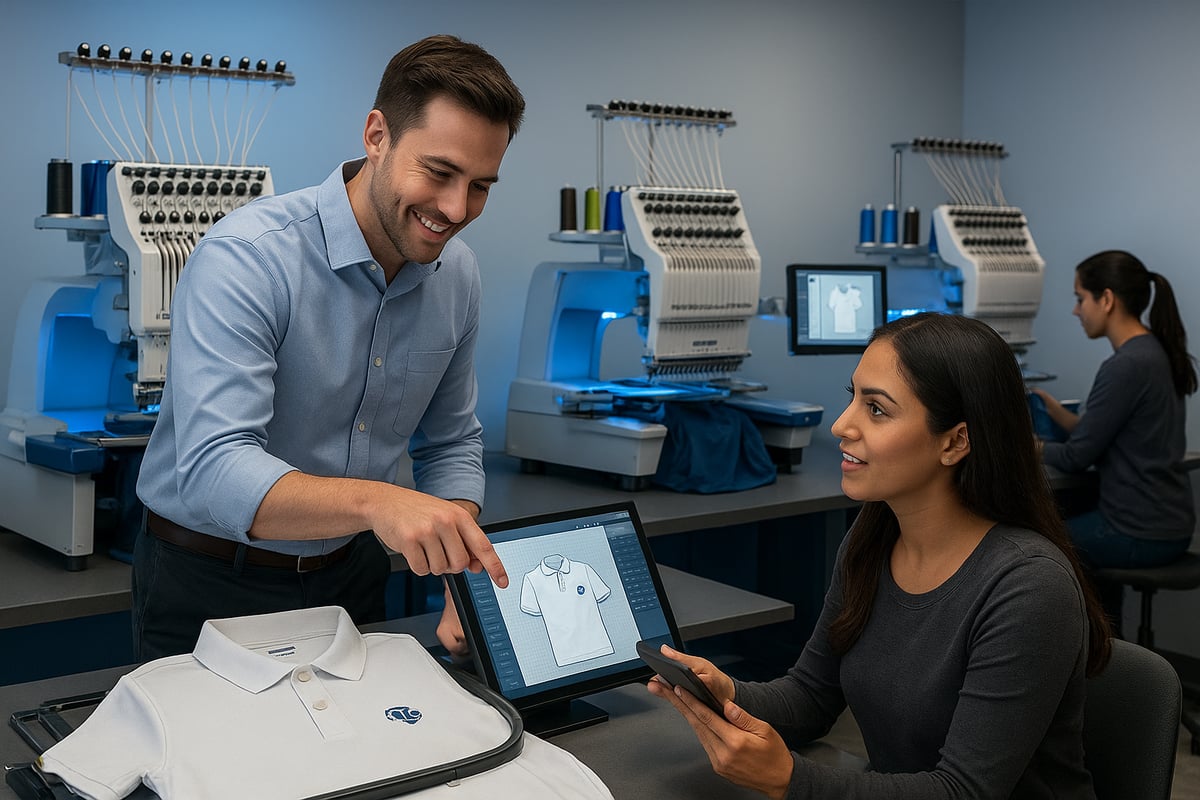
The global custom apparel sector is forecast to maintain a robust compound annual growth rate through 2026, driven by consumers who seek unique, personalised garments. According to Custom Apparel Market Growth Statistics 2026, demand for custom shirts is expanding as more customers value individuality and creative self-expression. For any embroidery shirt company, aligning with these expectations is crucial.
Sustainability has moved from a niche concern to a mainstream demand. Buyers increasingly prefer garments made from organic or recycled materials, reflecting growing environmental awareness. Local production and ethical sourcing are also influencing purchasing decisions, giving smaller, community-focused brands an edge.
Digital transformation is another defining trend. E-commerce platforms, social selling, and online customisation tools have become essential. Brands offering seamless online experiences, instant quotes, and interactive design previews are capturing a wider market. Quick turnaround times and flexible order sizes are now baseline expectations, especially among younger demographics and small business clients.
Branding and storytelling are more important than ever. Consumers want to connect with brands that share their values and tell compelling stories through their products. As a result, embroidery shirt company success is increasingly tied to effective brand communication and transparency. Economic uncertainty and supply chain disruptions remain challenges, yet they also present opportunities for companies agile enough to adapt sourcing and production strategies.
| Trend | Impact on Embroidery Shirt Company |
|---|---|
| Sustainability | Drives material and supplier choices |
| Personalisation | Fuels demand for custom orders |
| E-commerce | Expands customer base |
| Local Production | Boosts local brand loyalty |
| Quick Turnarounds | Increases operational pressure |
Technology is revolutionising the way embroidery shirt companies operate. Next-generation embroidery machines, including multi-head models and automated thread changers, are enhancing output and consistency. AI-driven design software accelerates prototyping, reduces errors, and enables intricate custom designs that were previously difficult to achieve.
Augmented reality and virtual try-on solutions are redefining the customer journey. These tools allow shoppers to visualise embroidered shirts before purchase, leading to higher satisfaction and fewer returns. For an embroidery shirt company, integrating such experiences can set them apart from competitors.
Case studies reveal that companies leveraging automation and digital platforms have seen measurable improvements in efficiency and creativity. Automated workflow tracking and inventory management software help streamline production and reduce lead times. Investments in training for staff to use new technologies ensure these gains are sustainable.
In summary, the embroidery shirt company of 2026 will be defined by its ability to embrace technological advancements while responding to evolving consumer values. Those who adapt quickly will be best positioned for growth and resilience in a fast-changing market.
As the embroidery shirt company landscape evolves at a remarkable pace, staying ahead means more than just keeping up with trends. It demands a forward-thinking approach, a willingness to innovate, and a focus on what truly sets your business apart. The following seven essential tips are designed to help every embroidery shirt company thrive in 2026, driving growth, boosting efficiency, and exceeding customer expectations.
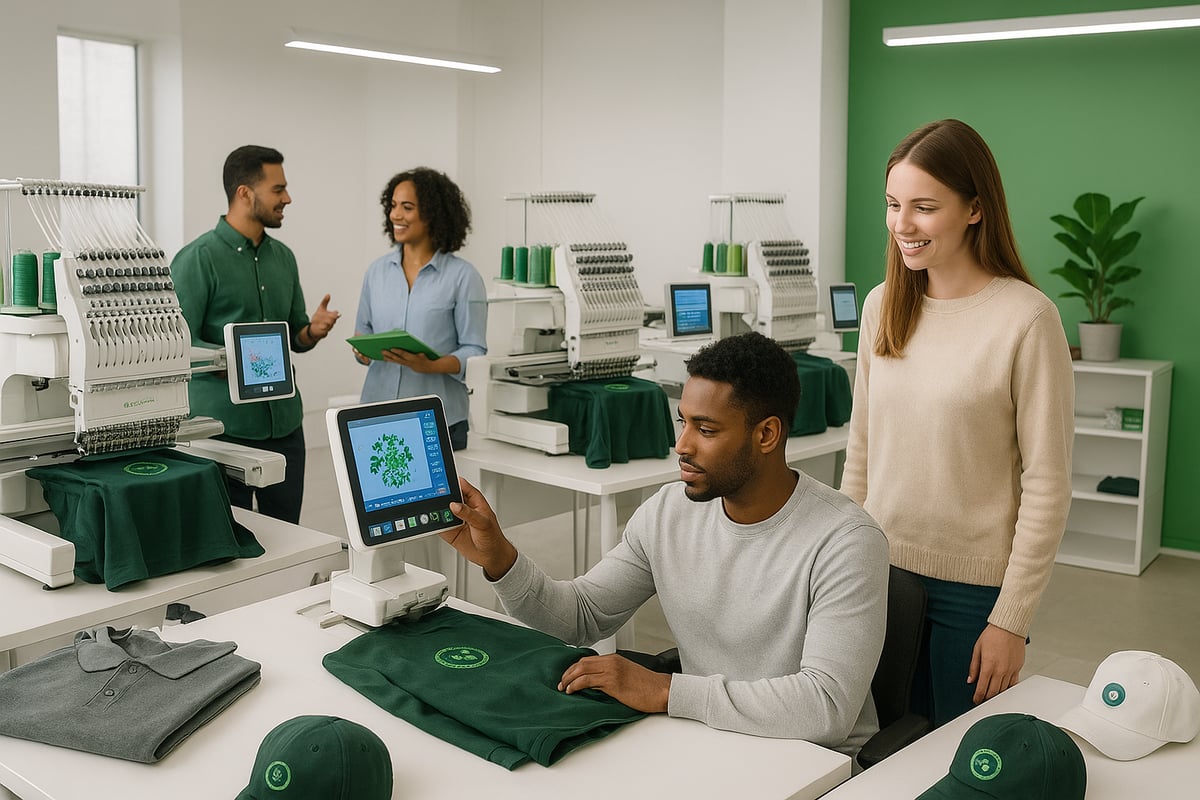
Sustainability is no longer an option for any embroidery shirt company; it is a necessity. The shift toward eco-friendly fashion is being driven by both consumer demand and regulatory pressures. Customers now expect their favourite brands to use organic cotton, recycled threads, and low-impact dyes.
To remain competitive, your embroidery shirt company should prioritise responsible sourcing. Partner with suppliers who share your commitment to sustainability. Reduce water and energy consumption by upgrading machinery and optimising your production flow. Communicate your green initiatives clearly on your website and marketing materials, as transparency builds trust.
According to Sustainable Practices in Custom Apparel, a growing percentage of consumers are willing to pay a premium for sustainable apparel. This trend offers a clear advantage for any embroidery shirt company looking to stand out.
Example: Several brands that have publicly embraced eco-friendly materials have seen a 20% increase in sales over the past year.
Pros and Cons Table
| Pros | Cons |
|---|---|
| Enhanced brand reputation | Potential increase in material costs |
| Access to eco-conscious markets | Greater supply chain complexity |
By embedding sustainability into your embroidery shirt company’s DNA, you position your business for long-term growth and positive brand recognition.
The embroidery shirt company of 2026 is defined by its technological prowess. Upgrading to multi-needle and automated machines increases production speed and minimises errors. These machines can handle more complex designs, opening new creative possibilities.
AI-driven design software is a game changer. It enables rapid prototyping, reduces manual mistakes, and streamlines custom orders. An embroidery shirt company that leverages AI can turn around bespoke projects quickly, delighting customers with precision and innovation.
Example: One UK-based embroidery shirt company doubled its output within a year of investing in new machinery and software, while reducing waste by 18%.
Benefits:
Challenges:
For your embroidery shirt company, the right technology is not just a tool, but a foundation for future success.
In 2026, a strong digital footprint is vital for any embroidery shirt company. Customers demand a seamless online journey, from browsing to checkout. Start with a mobile-optimised website featuring intuitive design upload tools. Integrate live chat for instant support, AR previews for visualisation, and instant quotes for transparency.
Leverage SEO strategies and social media to increase visibility. Influencer partnerships can further expand your reach. According to market reports, online sales now account for over 40% of the custom apparel sector.
Actionable Steps:
Pros and Cons Table
| Pros | Cons |
|---|---|
| 24/7 sales capability | Ongoing marketing investment |
| Wider audience reach | Need for continual website updates |
For an embroidery shirt company, a robust e-commerce platform is the key to unlocking new markets and driving sustained growth.
Expanding your range is essential for every embroidery shirt company seeking to increase revenue and attract new customers. Move beyond shirts to offer hoodies, jackets, caps, and accessories. Provide unique embroidery placements, diverse colour options, and personalisation features.
Target different markets, such as corporate clients, schools, sports teams, and event organisers. Bundling products can increase the average order value and encourage repeat business.
Example: By introducing bundled packages, one embroidery shirt company saw a 30% rise in average transaction size.
Key Steps:
Pros:
Cons:
Diversification ensures your embroidery shirt company can adapt to changing trends and customer needs.
Exceptional service sets an embroidery shirt company apart. Offer real-time order updates, transparent turnaround times, and open lines of communication. Design consultations and after-sales support can turn first-time buyers into loyal advocates.
Collect and showcase customer reviews to build trust. Implement loyalty programmes and personalised follow-ups to encourage repeat orders. Data shows businesses with superior customer service see up to 60% higher retention rates.
Practical Actions:
Pros:
Cons:
By prioritising service, your embroidery shirt company can foster lasting relationships and a strong reputation.
Efficiency is crucial for any embroidery shirt company aiming to deliver quickly and minimise costs. Employ inventory management software for just-in-time production. Build strong relationships with reliable suppliers to avoid delays.
Automate order processing and track workflows to identify bottlenecks. One embroidery shirt company reduced lead times by 25% after investing in process optimisation.
Steps to Implement:
Pros:
Cons:
A well-oiled operation ensures your embroidery shirt company is resilient and responsive in a dynamic market.
Continuous learning is the hallmark of a successful embroidery shirt company. Invest in regular staff training to keep up with new technologies and techniques. Attend trade shows and webinars, and join industry associations to stay informed.
Monitor competitor strategies and market shifts. Encourage innovation and adaptability within your team. Companies that network effectively often gain early access to emerging trends and valuable partnerships.
Example: A leading embroidery shirt company credited its early adoption of digital design tools to insights gained at an industry conference.
Key Actions:
Pros:
Cons:
By prioritising development and networking, your embroidery shirt company ensures it remains future-ready and competitive.
The most successful embroidery shirt company stories in 2026 share a pattern: rapid adaptation, innovation, and a deep understanding of evolving customer needs. By examining industry leaders, we uncover actionable strategies that any embroidery shirt company can apply for measurable growth.
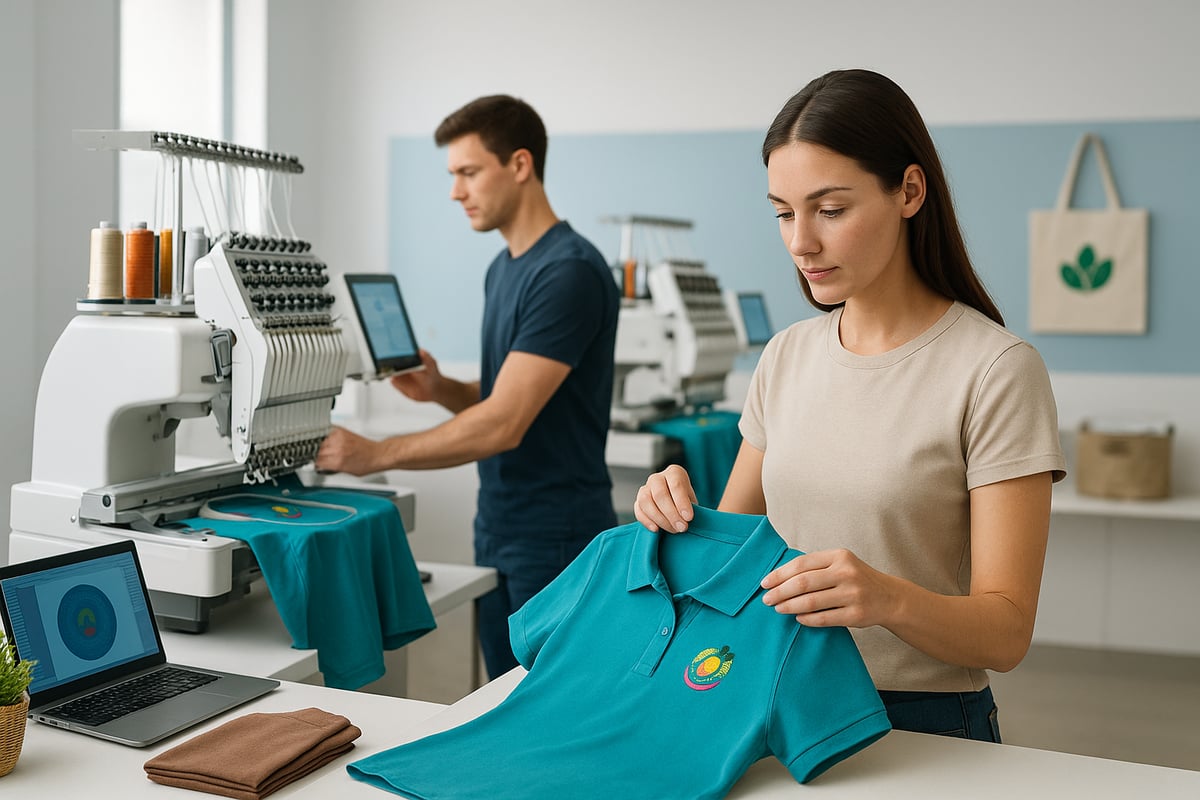
EcoThreads: Setting the Standard for Sustainable Embroidery
EcoThreads, a pioneering embroidery shirt company, has made sustainability their core value. They source organic cotton and recycled threads exclusively, reducing environmental impact and appealing to eco-conscious buyers.
Their focus on green practices includes water-saving equipment and solar-powered facilities. As a result, EcoThreads reported a 30% sales increase in 2025, with 60% of their customers citing sustainability as a key reason for purchase. This embroidery shirt company also leverages storytelling, sharing their journey across social channels to build trust and loyalty.
StitchTech: Harnessing Advanced Embroidery Technology
StitchTech stands out as an embroidery shirt company that invests heavily in next-generation machinery and automation. By integrating multi-head embroidery systems and AI-driven design software, they have doubled their production capacity while reducing errors.
StitchTech's adoption of cutting-edge technology aligns with industry trends, as highlighted in the Technological Advancements in Embroidery Industry 2026 report. Their focus on rapid prototyping enables quick turnaround on custom orders, attracting corporate clients who value speed and precision.
BrandInspire: Elevating Customer Experience and Brand Identity
BrandInspire is an embroidery shirt company renowned for its exceptional customer experience and creative branding. They offer online customisation tools and AR previews, making the design process seamless and engaging.
Their website features a Printing Examples and Inspiration gallery, showcasing real projects and sparking new ideas for clients. This transparency and interactive approach has led to a customer retention rate 20% above the industry average.
| Metric | Industry Benchmark | BrandInspire Result |
|---|---|---|
| Customer Retention Rate | 48% | 58% |
| Average Order Value (£) | 38 | 52 |
| Turnaround Time (days) | 7 | 4 |
BrandInspire’s dedication to communication, fast delivery, and creative support sets them apart from other embroidery shirt company competitors.
Reviewing these leaders reveals a clear path: invest in sustainability, embrace technology, and prioritise customer experience. Every embroidery shirt company can build resilience and growth by adopting these proven strategies, benchmarking against industry leaders, and continuously seeking innovation.
In the fast-paced world of embroidery shirt company operations, agility is no longer optional. The most successful businesses are those that quickly recognise shifts in technology and consumer behaviour, then adapt processes accordingly. Whether it is responding to sudden changes in supply chain dynamics or leveraging new digital tools, staying nimble ensures you never fall behind.
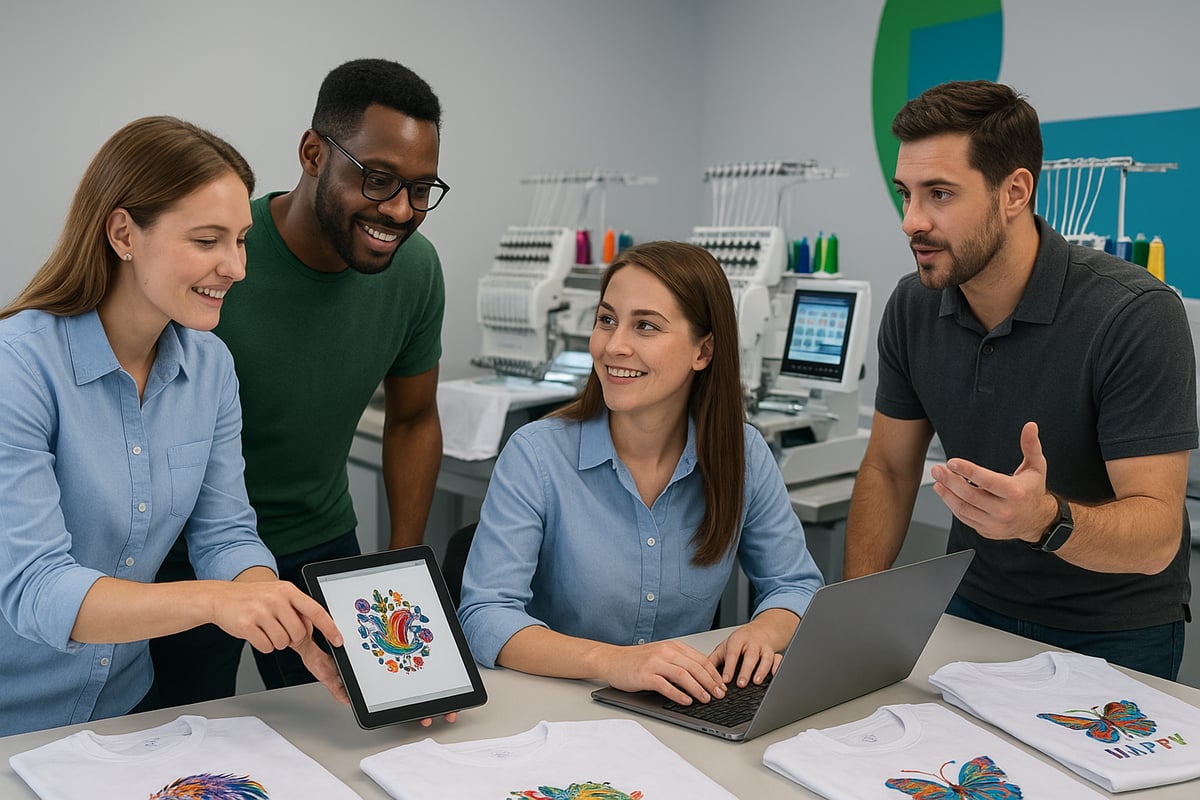
Being an agile embroidery shirt company means monitoring trends and adjusting quickly. This could involve pivoting to sustainable materials or launching rapid-response collections based on viral trends. Companies that thrived during recent disruptions were those able to shift gears, whether by moving production closer to home or adopting remote order management. By remaining flexible, your embroidery shirt company can turn challenges into opportunities, keeping customers engaged and loyal.
No business can predict the future, but scenario planning reduces uncertainty. Map out possible risks, such as supply shortages or technology failures, and create backup plans. Leading embroidery shirt company teams use data-driven forecasting to anticipate demand and resource needs. Proactive risk management protects your brand reputation and helps maintain steady growth, even when the market fluctuates.
Exploring new markets is vital for any embroidery shirt company aiming for longevity. Consider branching into corporate apparel, sports teams, or local events. Diversified product lines, such as embroidered accessories or eco-friendly collections, can open doors to untapped audiences. For inspiration, review how Online Customization Tools in Apparel Industry are driving sector growth, especially as personalisation and online sales rise. This approach boosts resilience and positions your business ahead of industry shifts.
Long-term success requires more than reacting to trends. An embroidery shirt company that embeds innovation into its culture consistently outperforms competitors. Encourage ongoing training, attend industry events, and network with peers. For example, see how About Our Embroidery Expertise highlights a commitment to leadership and continuous improvement. Embedding these values ensures your team is ready to capitalise on emerging opportunities and withstand industry disruptions, supporting steady growth through 2030 and beyond.

OK T-Shirt
126 Beeches Rd
Birmingham
B42 2HQ
