Cheap Printed T-Shirts UK: Quality & Value Guide 2026
Discover how to source cheap printed t-shirts UK without compromising…
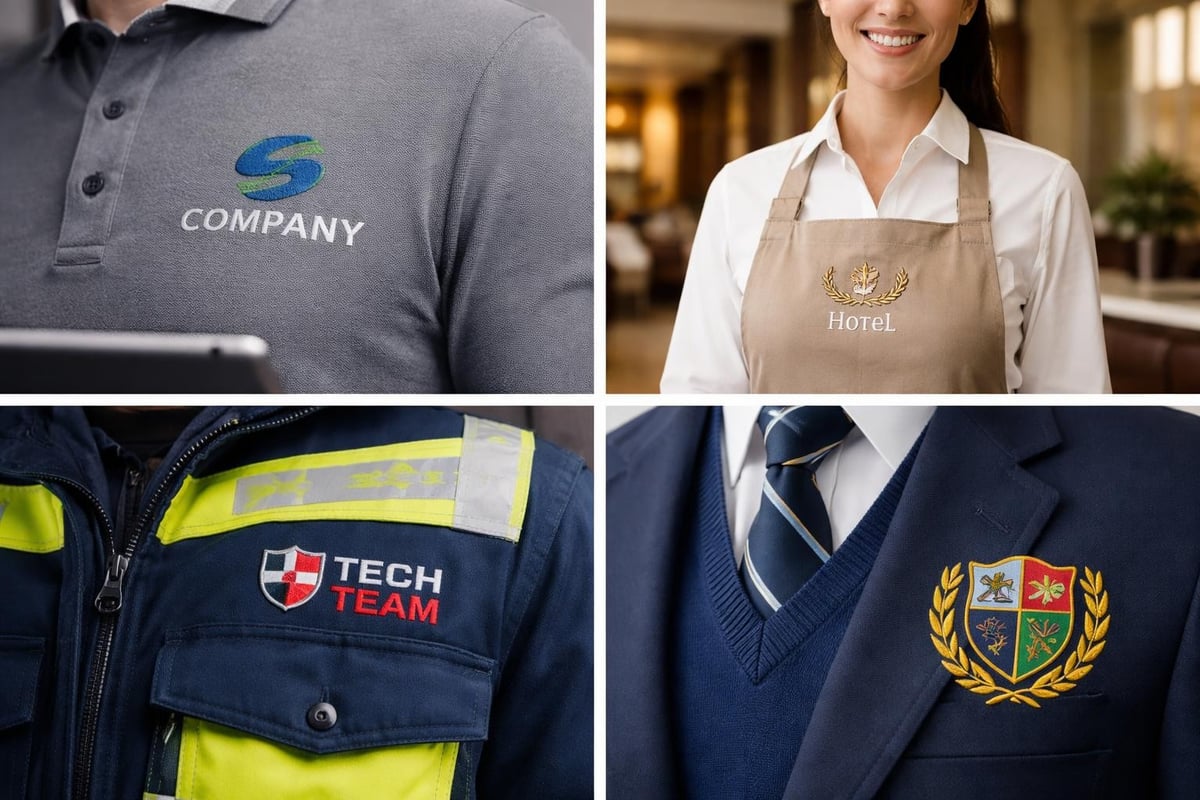
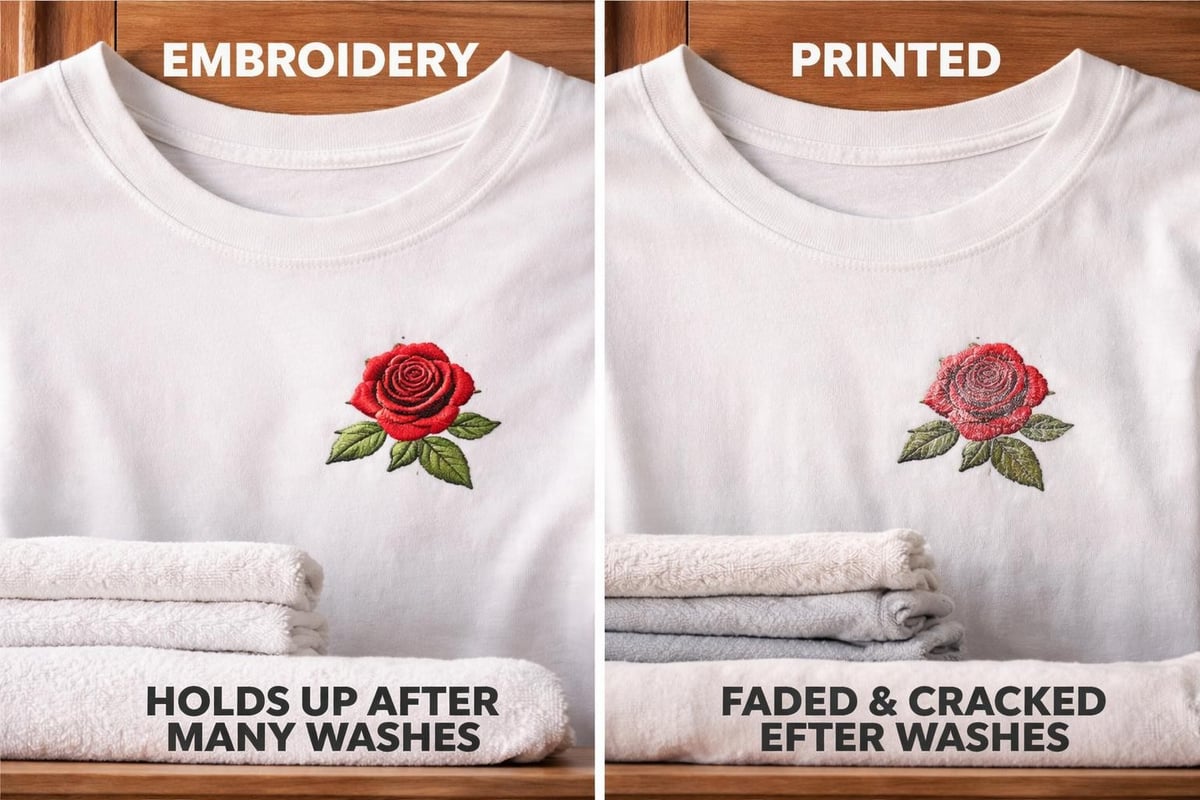
Embroidery shirts represent a timeless approach to branded apparel that continues to dominate the custom clothing market in 2026. Unlike printed designs that can fade or crack over time, embroidered logos and designs are stitched directly into the fabric, creating a three-dimensional, tactile finish that exudes professionalism and durability. From corporate workwear to school uniforms, hospitality attire to promotional merchandise, embroidery shirts offer businesses and organisations a versatile solution for creating lasting impressions. The technique has evolved significantly, combining traditional craftsmanship with modern technology to deliver intricate designs at scale whilst maintaining the premium quality that distinguishes embroidered garments from other customisation methods.
The preference for embroidery shirts in professional settings stems from several compelling advantages that other decoration methods simply cannot match. Durability stands as the foremost benefit, with properly executed embroidery lasting the lifetime of the garment without fading, peeling, or deteriorating through repeated washing cycles. This longevity makes embroidered apparel a cost-effective investment for businesses seeking consistent brand representation.
The perceived value of embroidery significantly exceeds that of printed alternatives. When clients or employees wear embroidery shirts, the raised, textured appearance communicates quality and attention to detail. This premium aesthetic proves particularly valuable for businesses where first impressions matter, such as hospitality venues, corporate offices, and trade show exhibitions.
Different sectors leverage embroidery shirts for distinct purposes:
Research from the commercial embroidery services industry indicates sustained growth driven by businesses recognising the importance of professional presentation. The market continues to expand as organisations invest in quality branded apparel that reflects their values.
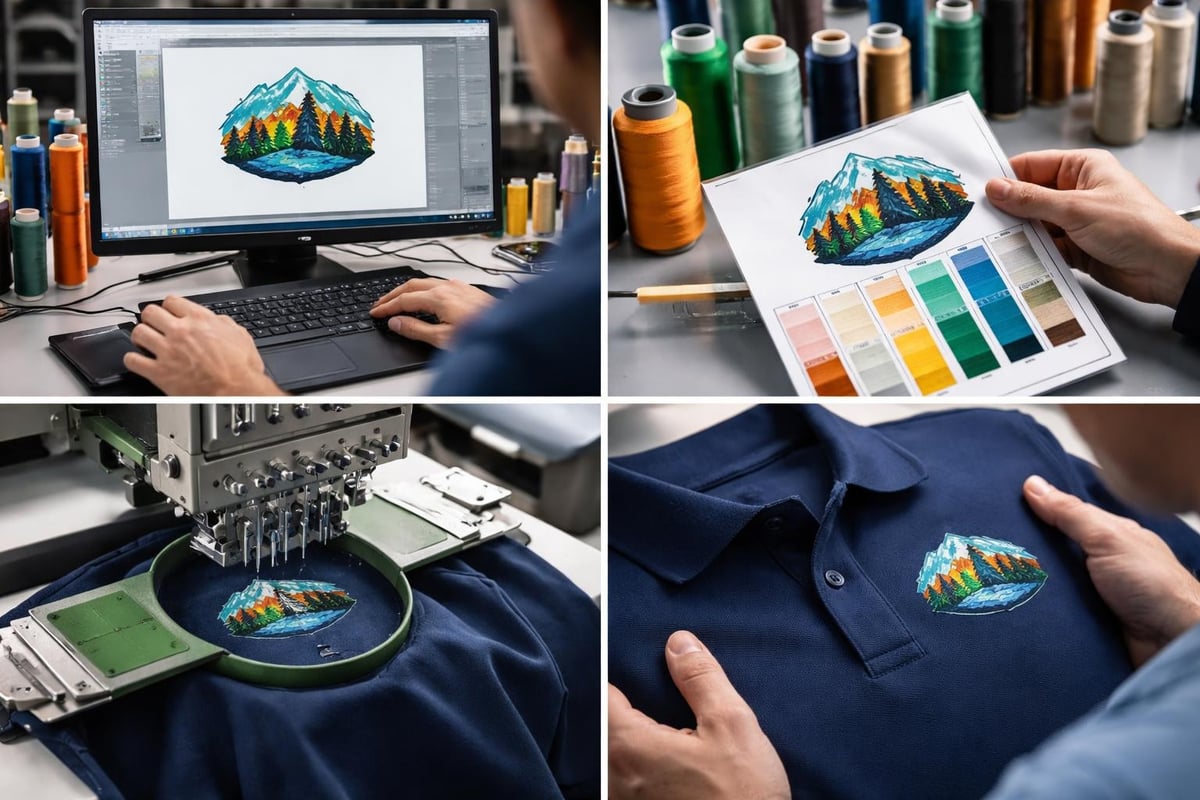
The technical aspects of creating embroidery shirts directly impact the final product's appearance and longevity. Modern commercial embroidery relies on computerised machines that read digital files, typically in formats such as DST or EMB, translating designs into precise stitch patterns. However, the technology only succeeds when paired with expertise in thread selection, fabric preparation, and machine operation.
Thread quality determines how well designs withstand commercial laundering and daily wear. Premium polyester threads resist fading from sunlight and chlorine bleach, maintaining colour vibrancy for years. Some suppliers opt for rayon threads for their lustrous sheen, though these prove less durable in harsh washing conditions. For workwear and frequently laundered items, polyester remains the professional standard.
| Stitch Type | Best Application | Characteristics |
|---|---|---|
| Satin Stitch | Text and borders | Smooth, shiny finish with tight coverage |
| Fill Stitch | Large logo areas | Efficient coverage for substantial spaces |
| Running Stitch | Fine details | Delicate lines and intricate elements |
| 3D Puff | Raised effects | Dimensional appearance using foam backing |
Stitch density requires careful calibration. Too few stitches create gaps revealing the base fabric, whilst excessive density causes puckering, fabric distortion, and potential tearing. Experienced digitisers balance coverage with fabric integrity, adjusting density based on garment weight and weave structure.
The innovative embroidery workflow research demonstrates how computational approaches are advancing traditional techniques, creating new possibilities for dimensional effects and complex patterns that push creative boundaries.
Not all garments accept embroidery equally well. The fabric composition, weave structure, and garment construction significantly influence final results. Understanding these factors ensures optimal outcomes and prevents costly mistakes.
Polo shirts remain the most popular choice for embroidery shirts in business contexts. Their collar and placket create a structured appearance, whilst the piqué knit fabric provides sufficient stability for logo placement without requiring additional backing. Cotton-polyester blends (typically 65/35 or 50/50) offer the ideal balance between comfort and embroidery compatibility.
Woven fabrics like Oxford cloth and poplin accept embroidery beautifully, with the tight weave preventing stitch pull-through and maintaining design integrity. These materials work excellently for formal business shirts where sophisticated branding is required. Conversely, loosely knitted fabrics or stretchy materials present challenges, requiring specialised stabilisers and adjusted stitch patterns.
Garment weight influences backing requirements. Lightweight shirts need tearaway or cutaway stabilisers to prevent puckering and provide foundational support during the embroidery process. Heavier workwear fabrics may require minimal backing, as their inherent structure suffices for most designs.
When selecting embroidery shirts for teams or organisations, consider these practical factors:
The practical embroidery design tips available from industry experts provide valuable guidance on matching designs to garment types for optimal results.
Strategic logo placement transforms ordinary shirts into effective brand ambassadors. The position and scale of embroidered designs follow established conventions that maximise visibility whilst maintaining aesthetic balance. Poor placement decisions undermine even the most beautifully executed embroidery.
Left chest placement remains the universal standard for professional embroidery shirts. Positioned approximately 7-9 cm from the shoulder seam and centred on the left panel, this location provides clear brand visibility during face-to-face interactions. Standard sizing ranges from 8-10 cm wide, ensuring legibility without overwhelming the garment.
| Location | Typical Size | Best Use Case |
|---|---|---|
| Left chest | 8-10 cm wide | Corporate wear, everyday branding |
| Full back | 25-30 cm wide | Team identification, large logos |
| Sleeve | 5-7 cm wide | Additional branding space, military-style |
| Collar | 2-3 cm wide | Subtle brand reinforcement |
| Right chest | 8-10 cm wide | Dual logo applications, names |
Full back embroidery creates dramatic impact for sports teams, event staff, and promotional campaigns. This placement accommodates larger designs, allowing for detailed artwork that wouldn't work at chest scale. However, the substantial thread count and machine time required increase costs considerably compared to standard chest placement.
Many organisations combine multiple placements for comprehensive branding. A company logo on the left chest paired with an employee name on the right chest, or a department identifier on the sleeve, creates layered brand communication without visual clutter. For businesses seeking maximum impact at industry events, embroidered apparel helps companies stand out through professional presentation that distinguishes them from competitors.
Understanding embroidery pricing helps businesses make informed decisions when ordering custom shirts. Unlike screen printing with its setup charges that decrease per-unit costs at higher volumes, embroidery pricing follows a different model based on stitch count, colours, and complexity.
Stitch count serves as the primary pricing determinant. Simple text-based designs might require 3,000-5,000 stitches, whilst detailed logos can exceed 15,000-20,000 stitches. Most suppliers charge per thousand stitches, with rates varying based on order volume and design complexity. This means intricate designs cost more regardless of physical size.
Thread colour changes add expense due to machine stops required for thread replacement. Designs using four or five colours cost more than single-colour versions of identical size. Smart design adaptation can reduce colours whilst maintaining brand recognition, optimising cost efficiency without sacrificing impact.
When budgeting for embroidery shirts, consider these components:
Despite appearing more expensive than printing for small text or simple designs, embroidery shirts deliver superior return on investment through extended lifespan. A printed shirt might last 20-30 washes before visible degradation, whilst embroidered equivalents maintain appearance through hundreds of wash cycles. This longevity particularly benefits workwear applications where garments endure harsh conditions.
Organisations should also consider the brand perception value that embroidery conveys. The premium appearance justifies the investment for client-facing roles where professional presentation directly impacts business outcomes. For comprehensive custom clothing solutions, businesses can explore the full range at OK T-Shirt.
Proper maintenance extends the life of embroidery shirts whilst preserving their professional appearance. Although embroidery proves more durable than most decoration methods, following care guidelines ensures optimal longevity and prevents common issues like thread loosening or fabric puckering around stitched areas.
Washing instructions for embroidered garments differ slightly from standard clothing care. Turn shirts inside out before washing to protect embroidered surfaces from abrasion against other garments or the drum. Use gentle or permanent press cycles rather than heavy-duty settings, and avoid overcrowding the machine, which increases friction and stress on threads.
Temperature management matters significantly. Wash embroidery shirts in cool or warm water (30-40°C) rather than hot cycles, which can cause fabric shrinkage that distorts embroidery and loosens stitches. Similarly, use moderate dryer temperatures or, preferably, air-dry garments to prevent heat-related damage.
For commercial laundry operations processing workwear or hospitality uniforms, establish dedicated protocols for embroidered items. Professional launderers should classify embroidery shirts separately from heavily soiled garments requiring aggressive washing, extending garment life whilst maintaining brand presentation standards.
The embroidery industry continues evolving, incorporating new technologies and responding to changing business needs. In 2026, several trends shape how organisations approach embroidery shirts and branded apparel strategies.
Sustainability considerations increasingly influence purchasing decisions. Businesses committed to environmental responsibility seek embroidery shirts manufactured from organic cotton, recycled polyester, or responsibly sourced materials. The revival of traditional embroidery for sustainability demonstrates how time-honoured techniques align with modern ecological values, offering durable alternatives to fast fashion.
Personalisation extends beyond company logos to individual names, roles, or achievements. Advanced embroidery software enables efficient variable data embroidery, creating unique garments within production runs. This customisation strengthens team identity and employee engagement whilst maintaining brand consistency.
The integration of artificial intelligence into design processes represents a significant advancement. Research into Generative AI for embroidery patterns showcases how technology assists in creating innovative designs whilst respecting traditional craftsmanship. These tools help businesses develop unique branded apparel that stands apart from generic corporate wear.
Hybrid decoration combines embroidery with other techniques for striking effects. A printed background with embroidered highlights creates depth and visual interest whilst managing costs. This approach works particularly well for complex designs where full embroidery would prove prohibitively expensive or technically challenging.
Quality expectations continue rising as businesses recognise that employee uniforms and branded apparel directly influence customer perceptions. Investing in premium embroidery shirts signals professionalism and attention to detail, differentiating organisations in competitive markets.
Despite technological advances, embroidery production presents technical challenges requiring expertise and problem-solving capabilities. Understanding these potential issues helps businesses set realistic expectations and work effectively with embroidery suppliers.
Registration problems occur when designs don't align properly with garment features. Polo shirt plackets, pocket positions, and seams require careful design placement to avoid awkward intersections. Experienced digitisers anticipate these structural elements, adjusting designs to accommodate garment construction.
Thread breaks during production interrupt workflow and can leave visible imperfections if not properly repaired. High-quality threads, correctly tensioned machines, and sharp needles minimise breaks. However, complex designs on challenging fabrics may experience occasional interruptions requiring skilled operator intervention.
Reputable embroidery providers implement systematic quality assurance:
The challenges and growth strategies discussed in embroidery business insights reveal how experienced providers navigate industry-specific obstacles whilst scaling operations to meet increasing demand.
Fabric puckering results from improper hooping, inadequate stabilisation, or excessive stitch density. This common issue diminishes professional appearance and sometimes renders garments unusable. Preventing puckering requires matching stabiliser types to fabric weights, maintaining proper hoop tension, and optimising digitising parameters for specific materials.
Choosing the right supplier for embroidery shirts impacts product quality, delivery timelines, and overall satisfaction. Several factors distinguish professional embroidery services from basic operations unable to meet demanding business requirements.
Experience and expertise manifests in portfolio quality, client testimonials, and problem-solving capabilities. Suppliers with extensive backgrounds understand fabric behaviours, design limitations, and production optimisation. They offer valuable guidance on design adaptation, garment selection, and placement strategies that maximise impact.
Equipment quality directly influences output consistency and production capacity. Modern multi-head commercial machines produce superior results compared to single-head domestic equipment. Ask potential suppliers about their machinery, maintenance protocols, and backup systems ensuring deadline reliability.
| Evaluation Criteria | Questions to Ask | Why It Matters |
|---|---|---|
| Turnaround time | What's standard? Rush available? | Ensures timely delivery for events |
| Minimum order | Required quantities? | Matches your volume needs |
| Design services | In-house digitising? Design help? | Supports artwork development |
| Quality guarantee | Replacement policy? Inspection process? | Protects your investment |
| Sample provision | Can you see samples first? | Validates quality before commitment |
Location and logistics affect both turnaround times and environmental impact. Local suppliers offer faster delivery, easier communication, and reduced transportation emissions. Businesses in Birmingham and surrounding areas benefit from choosing regional specialists who understand local market needs and provide responsive service.
Communication quality predicts working relationship success. Responsive suppliers who answer questions thoroughly, provide clear quotes, and offer proactive updates typically deliver better overall experiences. Industry data from embroidery market surveys confirms that customer service quality correlates strongly with long-term client retention.
Embroidery shirts serve strategic purposes beyond simple logo visibility. Thoughtfully designed branded apparel programmes strengthen internal culture whilst communicating professionalism to external audiences. Organisations maximising these benefits approach embroidered workwear as integrated brand strategy rather than mere uniform provision.
Team cohesion improves when employees wear consistent, quality branded apparel. Embroidery shirts create visual unity that reinforces shared purpose and organisational belonging. This psychological benefit proves particularly valuable for businesses with distributed teams or customer-facing roles where professional presentation impacts service perception.
Brand consistency across all touchpoints establishes trust and recognition. When logo presentation remains identical across business cards, signage, websites, and embroidery shirts, audiences develop stronger brand associations. Maintaining colour accuracy, proportion correctness, and placement consistency requires attention to brand guidelines and quality control.
Effective embroidered workwear programmes consider multiple garment types serving different functions:
Businesses investing in comprehensive uniform programmes report improved employee satisfaction and stronger external brand perception. The professional appearance facilitated by quality embroidery shirts positions organisations as established, reliable partners worth trusting with significant commitments.
For complete branded clothing solutions spanning various garment types and decoration methods, exploring diverse options through specialised suppliers ensures finding the perfect match for specific business needs and budgets.
Embroidery shirts deliver unmatched durability, professional appearance, and long-term value for businesses seeking quality branded apparel. Whether you need corporate polo shirts, workwear uniforms, or school clothing, the right embroidery partner makes all the difference. With over a decade of experience in custom embroidered clothing and a commitment to fast turnaround times, OK T-Shirt provides Birmingham businesses and organisations with expert embroidery services that elevate brand presentation and ensure lasting quality.
OK T-Shirt
126 Beeches Rd
Birmingham
B42 2HQ
