Cheap Printed T-Shirts UK: Quality & Value Guide 2026
Discover how to source cheap printed t-shirts UK without compromising…
Embroidered T-shirts are taking centre stage in 2026, blending tradition with cutting-edge technology to create garments that truly stand out. The appeal of embroidery t shirt printing continues to grow, offering unmatched durability and a premium finish for personal wear, business branding, or promotional campaigns.
This expert guide walks you through every step, from understanding the basics to preparing your designs and navigating the technical process. You will also discover up-to-date cost insights and best practices for achieving professional, high-quality results.
Ready to make your mark with standout, long-lasting T-shirts? Stay ahead of the curve with expert advice tailored for 2026.
Embroidered apparel has become a staple for those seeking quality and longevity in custom garments. Embroidery t shirt printing uses threads stitched directly onto fabric, creating a textured, premium result that stands out from other decoration techniques. This section breaks down what sets embroidery apart, explores the latest industry developments, compares it to other popular methods, and highlights real-world applications.
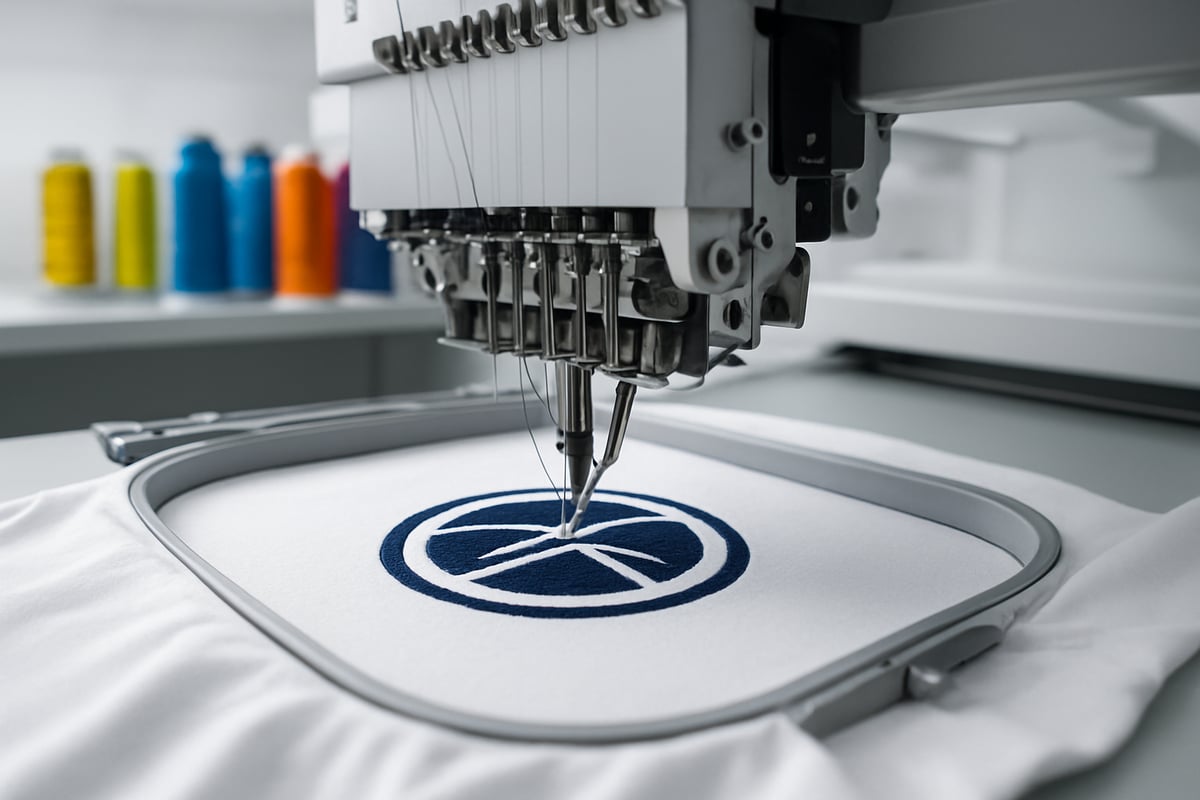
Embroidery t shirt printing is a decorative process where designs are stitched onto garments using coloured threads. Unlike screen printing or direct to garment (DTG) methods, embroidery physically embeds the design into the fabric, resulting in a durable and tactile finish.
The technique is prized for its resilience, vibrant colours, and ability to deliver a premium look and feel. Embroidery t shirt printing is especially effective for logos, initials, or artwork that benefits from texture and dimension.
The landscape of embroidery t shirt printing has evolved rapidly by 2026. Modern embroidery machines now feature multi-head capabilities and sophisticated automation, making large-scale production faster and more precise.
Brands are increasingly choosing embroidery for uniforms, promotional wear, and fashion collections due to its perceived value and professional appearance. The shift toward sustainable practices is also notable, with more companies sourcing ethical threads and adopting eco-friendly production techniques for embroidery t shirt printing.
Choosing the right decoration technique depends on your goals. Embroidery t shirt printing delivers a textured, robust result, while alternatives like screen printing, DTG, and heat transfer offer different advantages.
| Method | Durability | Appearance | Best Use Cases | Cost |
|---|---|---|---|---|
| Embroidery | High | Textured, premium | Uniforms, branding | Medium-High |
| Screen Printing | Medium | Flat, vibrant | Large runs, graphics | Low-Medium |
| DTG | Medium | Soft, detailed | Photorealistic art | Medium |
| Heat Transfer | Low-Medium | Flat, flexible | Small runs, complex art | Low |
For a detailed breakdown, see Embroidery vs. DTG T-Shirt Printing. Embroidery t shirt printing is preferred when durability and a professional finish are essential.
Embroidery t shirt printing is widely used for corporate uniforms, sports kits, promotional garments, and schoolwear. Leading brands leverage embroidery for identity and recognition, as it withstands repeated washing and daily wear.
Businesses and schools frequently choose embroidery t shirt printing for its consistent quality and longevity. Real-world examples show improved brand perception and team unity, making it a trusted option for those seeking standout results.
Preparing your design is a crucial first step in embroidery t shirt printing. The right approach ensures your finished product is both visually impressive and long-lasting. Let us walk through each stage, from artwork selection to file submission, so your embroidered T-shirts truly stand out.
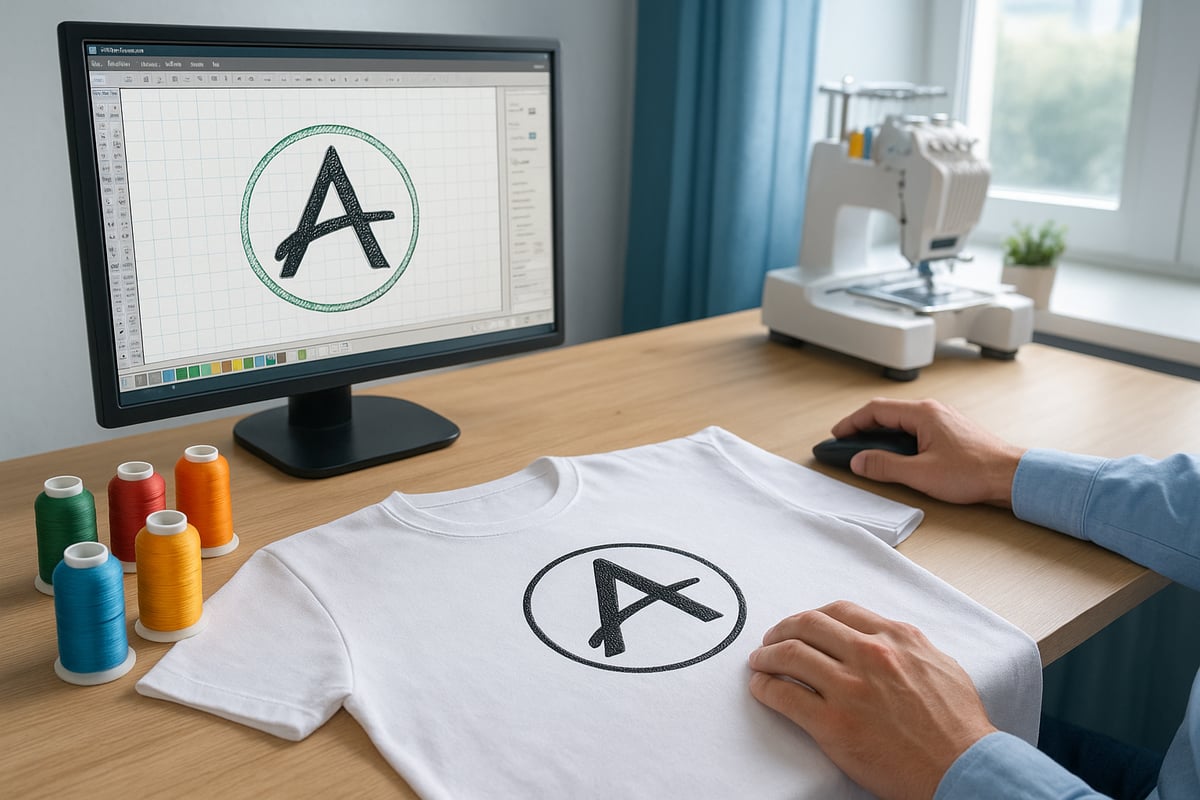
The foundation of successful embroidery t shirt printing is selecting suitable artwork. Simple, bold designs work best, as embroidery cannot replicate fine gradients or tiny details. Opt for high-resolution images to ensure crisp stitch lines and avoid distortion.
Consider these factors:
Common pitfalls include using gradients, very small elements, or overly complex shapes. By choosing a clean, scalable design, you set the stage for professional results in embroidery t shirt printing.
Digitising is the process of converting your chosen design into a stitch-ready file for embroidery t shirt printing. This step requires specialist software or professional digitising services to map out how the machine will recreate your artwork with thread.
The quality of digitising directly affects the final embroidery. Poor digitising can cause misaligned stitches, puckering, or thread breaks. Investing in professional services is recommended, especially for logos or intricate artwork. For a deeper insight into best practices, consider the Logo digitizing for embroidery guide, which explains how to prepare logos and artwork for top-quality results.
Remember, digitising fees are typically a one-off cost and can be reused for future orders, making it a worthwhile step in embroidery t shirt printing.
Thread choice impacts both the appearance and durability of your embroidery t shirt printing. Match your brand or design colours as closely as possible, often using Pantone references for precision. Communicate your colour requirements clearly to your embroidery provider.
Main thread types include:
Always consider wash resistance and the longevity of thread types. Selecting the right threads ensures your embroidery t shirt printing remains vibrant and professional after many wears.
Where you position your design affects both aesthetics and practicality in embroidery t shirt printing. Popular placements include the left chest for logos, centre front for bold statements, sleeves, or the upper back. Each location has its own visual impact and purpose.
General size guidelines:
Balance is key. The design should be large enough to be seen clearly, but not so big that it overwhelms the T-shirt. Proper placement and sizing help achieve a polished, on-brand look in embroidery t shirt printing.
To ensure a smooth workflow, submit your design in the correct format for embroidery t shirt printing. Preferred embroidery file formats include .DST, .PES, and .EXP, which contain stitch information. If your artwork is not yet digitised, vector files such as .AI, .EPS, or .PDF are ideal for conversion.
Tips for file preparation:
Communicate clearly with your embroidery provider about your design intentions and any specific guidelines. Proper file submission streamlines production and helps achieve the best results in embroidery t shirt printing.
Mastering the embroidery t shirt printing process requires attention to detail at every stage. Each step plays a crucial role in ensuring your final garments are professional, durable, and visually striking. Let us guide you through each phase of the process, from garment selection to expert finishing touches.
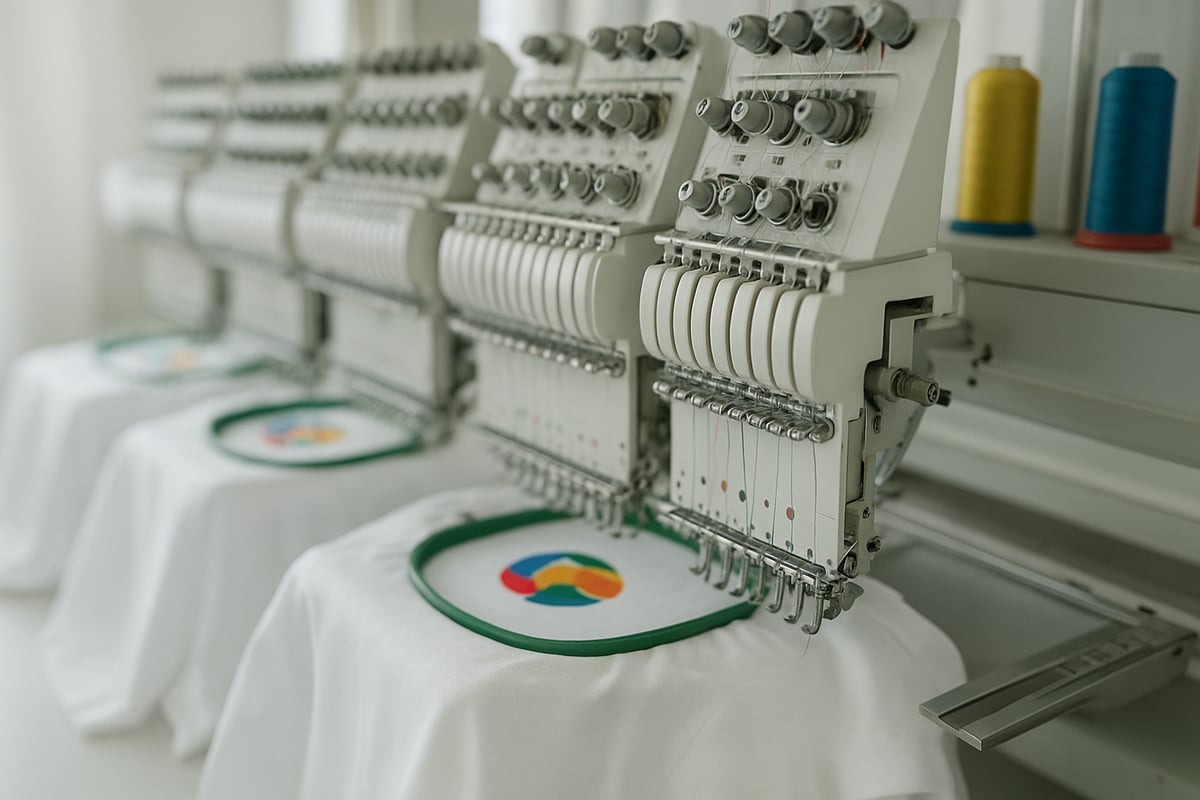
The foundation of successful embroidery t shirt printing is choosing the right garment. Select T-shirts made from quality cotton, blends, or performance fabrics that can withstand the embroidery process.
Before stitching, garments should be washed to remove sizing agents and pressed to create a smooth surface. Proper hooping is essential, as it keeps the fabric taut and stable during stitching.
Check for compatibility with embroidery to avoid issues like puckering or distortion. Always ensure the chosen T-shirt fabric is suitable for your intended design and use.
Setting up embroidery machines correctly is vital for consistent results in embroidery t shirt printing. Choose the appropriate hoop size for your design placement and adjust the tension to prevent fabric movement.
Thread the machine with your chosen colours, and ensure bobbins are wound evenly. Program the machine for the specific T-shirt type, considering fabric thickness and stretch.
Calibration includes setting the correct speed and needle type for the material. Accurate setup helps avoid thread breaks, skipped stitches, and misalignment during production.
With the machine ready, upload the digitised design file for your embroidery t shirt printing project. Most machines accept formats like .DST, .PES, or .EXP.
Conduct a test run on a similar fabric to check for issues with stitch density, pull compensation, or colour changes. Make adjustments as needed for clarity and precision.
Testing helps identify potential problems before production begins, saving time and materials. Always review the test piece for accuracy and make any necessary refinements.
Once testing is complete, begin the embroidery t shirt printing process on your garments. Monitor the machine as it operates to ensure smooth stitching and even thread tension.
For bulk orders, multi-head embroidery machines can run several T-shirts at once, increasing efficiency. Watch for thread breaks, skipped stitches, or machine errors during operation.
Consistency is key. Regularly check each T-shirt during production to guarantee that every piece meets the same high standard as your test sample.
After embroidery, remove the stabiliser backing from the reverse side of the T-shirt. Carefully trim excess threads and inspect the garment for any defects.
Quality control is essential in embroidery t shirt printing. Examine each item for thread breaks, missed stitches, or misaligned designs. Compare your results to professional standards by reviewing examples in our Printing Examples and Embroidery Gallery.
Cleaning the garment and removing any marks from the hoop or stabiliser will ensure your finished product looks its best.
Proper packaging protects your embroidered T-shirts and adds to the professional presentation. Fold each garment neatly, and consider using tissue paper or branded inserts for retail or corporate clients.
Label garments as required, and select suitable packaging for bulk or express orders. For embroidery t shirt printing businesses, timely and secure shipping is crucial to maintain client satisfaction.
Check all order details before dispatch to ensure accuracy. Fast, reliable delivery sets your service apart in a competitive market.
To achieve premium results in embroidery t shirt printing, avoid common pitfalls like puckering and misalignment. Select the right stabiliser for your fabric type—tear-away for stable cotton, cut-away for stretchy blends.
Choose threads with proven colourfastness and wash durability. Maintain your machines regularly, cleaning lint and checking needles to prevent technical issues.
Attention to these details ensures your embroidered T-shirts remain vibrant and intact wash after wash, leaving a lasting impression on your clients.
Understanding the cost structure behind embroidery t shirt printing helps you make informed decisions whether you are ordering for a business, school, or personal project. Pricing is influenced by several core factors, each contributing to the overall value and quality you receive. By knowing what drives costs, you can better plan your budget and ensure your garments deliver both durability and impact.
The primary cost driver in embroidery t shirt printing is stitch count, which directly relates to the time and materials required for each design. More stitches mean more thread, longer machine time, and higher costs.
Other key elements include:
These factors combine to shape your final quote, so clear communication with your provider is essential.
Before embroidery t shirt printing can begin, your artwork must be digitised. Digitising converts your image into a stitch-ready file, mapping out every thread path for the machine. Typical digitising fees start around £15 per design, but the price varies based on the detail, size, and intricacy of your logo.
Highly detailed artwork or larger designs may incur higher fees due to the extra time required for accurate digitising. However, once your design is digitised, you can reuse the file for future orders without paying again, making it a worthwhile investment for repeat branding.
Besides the standard per-garment cost, embroidery t shirt printing may involve extra fees, especially for custom or complex requirements. Common additional charges include:
Discuss these potential charges upfront to avoid surprises and ensure your budget covers all necessary services.
Embroidery t shirt printing providers commonly use tiered pricing models. Minimum order quantities, such as 20 pieces, are standard for most suppliers. Larger bulk orders benefit from reduced per-unit costs, making them ideal for team kits or corporate uniforms.
Small runs or express service requests may attract surcharges due to setup and scheduling constraints. Turnaround times can also impact pricing, with faster delivery usually costing more. Always confirm minimums and timelines when placing your order to balance speed, quantity, and cost.
To help you compare options, here is a typical pricing table for embroidery t shirt printing:
| Item | Average Price (excl. VAT) | Notes |
|---|---|---|
| T-shirt (embroidered) | £7.50–£12.00 | Depends on brand, qty |
| Sweatshirt | £10.50+ | Higher for premium |
| Hoodies | £12.50–£18.00 | Style and fabric matter |
| Digitising fee | £15.00+ | One-time per design |
| Artwork edits | £17.50+ | If needed |
Industry averages vary, so always request a detailed quote. Value-added services, such as express delivery or design support, can further enhance your order, making your investment in embroidery t shirt printing worthwhile.
Staying ahead in embroidery t shirt printing requires a keen focus on quality, creativity, and sustainability. Mastering each stage from garment selection to final delivery ensures results that stand out in 2026’s competitive market.
Choosing the right base garment is the cornerstone of successful embroidery t shirt printing. Opt for T-shirts with a tight weave and mid to heavy fabric weight, as these support detailed stitching and prevent distortion. Brands like Stanley/Stella and Fruit of the Loom offer excellent options renowned for their embroidery compatibility.
Prioritise garments certified by WRAP or the Fair Wear Foundation to ensure ethical sourcing. Sustainable cotton and recycled blends are increasingly popular, appealing to environmentally conscious clients. Always check that your chosen T-shirt can withstand repeated embroidery machine passes without puckering.
The quality of embroidery t shirt printing depends on several factors working in harmony. Start with professional digitising, as accurate conversion of artwork to stitch files is crucial for crisp, clean results. Select threads that match your design’s Pantone references and suit the fabric type, with polyester offering durability and wash resistance.
Use the right stabiliser for each garment—tear-away for lighter fabrics and cut-away for heavier materials. Regular machine maintenance, including needle changes and tension checks, is essential for consistent output. By following these steps, you ensure every T-shirt looks sharp and lasts longer.
In 2026, embroidery t shirt printing is embracing bold motifs, textured effects, and custom placements. Popular trends include oversized logos, tonal stitching, and combining embroidery with digital printing for unique hybrid designs. Personalisation remains strong, with monograms and team names giving garments a bespoke touch.
AI-driven design tools are making it easier to create intricate patterns and streamline workflows. For a deeper look at what’s shaping the industry, see the latest embroidery trends in 2026, including sustainable thread innovations and advanced automation.
Sustainability is now a non-negotiable in embroidery t shirt printing. Choose garments with WRAP or Fair Wear Foundation certification, ensuring fair labour practices and responsible sourcing. Eco-friendly threads, such as those made from recycled polyester or organic cotton, minimise environmental impact.
Reduce waste by optimising designs for minimal thread use and selecting reusable packaging. Clearly communicate your commitment to sustainability in client proposals and marketing, helping customers make informed, ethical choices.
Meeting deadlines is essential in embroidery t shirt printing. Standard turnaround times range from three to fourteen days, depending on order size and garment availability. Express services may be possible for urgent jobs, but always clarify potential surcharges.
Factors such as artwork approval, digitising complexity, and garment stock can affect timelines. Use order tracking tools and proactive communication to keep clients informed at every stage, building trust and reducing last-minute surprises.
Even with experience, embroidery t shirt printing can present challenges. Common problems include puckering, thread breaks, and misaligned designs. Address puckering by adjusting hoop tension and using appropriate stabilisers for the fabric.
If threads break frequently, check needle sharpness and ensure correct threading. For misalignment, recalibrate the machine and verify file accuracy. When issues persist, consult your embroidery provider or seek specialist advice to maintain high standards.
OK T-Shirt in Birmingham stands out in embroidery t shirt printing, offering custom embroidery and printing solutions backed by more than a decade of experience. They specialise in T-shirts, hoodies, workwear, and school uniforms, delivering fast turnaround and high-quality products.
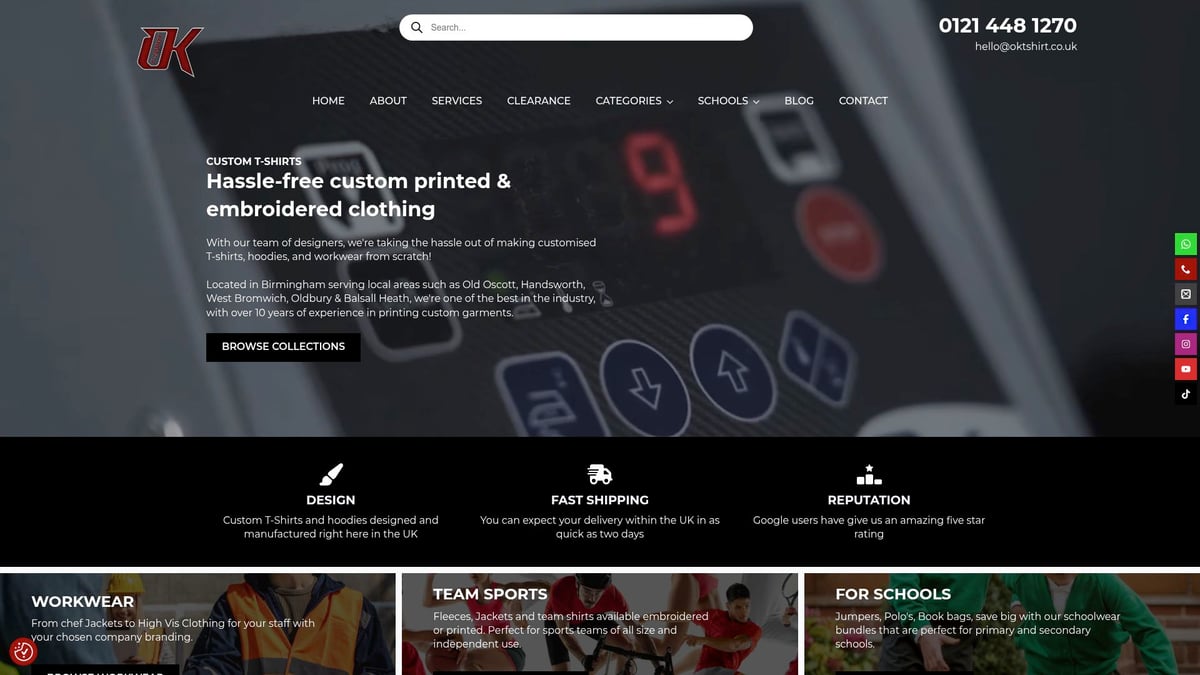
Clients benefit from in-house design support and a reputation for reliable service, trusted by local schools, businesses, and sports teams. With a five-star Google rating and UK-wide delivery, OK T-Shirt is the go-to provider for durable, professional results. Contact their team for personalised quotes and expert guidance on your next project.
Curious about embroidery t shirt printing? Here are answers to some of the most common questions, helping you make informed decisions for your next project.
What’s the minimum order for embroidery t-shirt printing?
Most providers set a minimum order, often starting at 10 or 20 shirts. This is due to setup and digitising costs, making small runs less cost-effective.
How long does the embroidery process take?
Standard turnaround times range from 3 to 14 days depending on order size, design complexity, and current workload. Express options are available for urgent orders.
Can I embroider complex or multi-coloured designs?
Yes, modern machines handle multi-coloured logos and detailed patterns. However, extremely fine details or gradients may not translate well into stitches, so designs should be clear and bold.
How do I care for embroidered t-shirts?
Wash inside out at low temperatures and avoid harsh detergents or bleach. Air drying helps maintain the embroidery’s appearance and prevents shrinkage.
What file formats are accepted for designs?
Preferred formats include .DST, .PES, .EXP, and vector files like .AI or .EPS. Always check with your provider for specific requirements to ensure smooth production.
Is embroidery suitable for all t-shirt fabrics?
Embroidery works best on thicker cotton, polycotton, or performance blends. Very thin or stretchy fabrics may pucker or distort, so always consult your supplier about garment compatibility.
How does embroidery pricing compare to other methods?
Embroidery pricing is usually based on stitch count and design complexity, while other methods like screen printing or heat transfer may charge by colour or print area. For a detailed comparison, see Embroidery vs. Heat Transfer for Workwear.
Any tips for first-time embroidery t shirt printing customers?
Start with a simple logo and high-quality artwork. Request a sample or proof before full production to check quality. Communicate clearly with your provider about deadlines and expectations for the best results.
OK T-Shirt
126 Beeches Rd
Birmingham
B42 2HQ
