Cheap Printed T-Shirts UK: Quality & Value Guide 2026
Discover how to source cheap printed t-shirts UK without compromising…
Personalised fashion has become a defining trend in 2026, with more people than ever embracing unique styles and self-expression. Thanks to digital platforms and innovative printing technology, it is now easier than ever to get a tee shirt printed to match your vision.
Custom tee shirts are perfect for any occasion. Whether you are planning a corporate event, launching a brand, searching for a memorable gift, or simply wanting to showcase your personality, the possibilities are endless.
Professional printing services offer more than just convenience. They deliver superior quality and durability, ensuring your designs stay vibrant wash after wash. The range of creative options available continues to expand, giving you the freedom to experiment.
This expert guide will show you exactly how to get a tee shirt printed in 2026, from the initial design to the final product.
You will discover essential tips on design choices, printing techniques, selecting the right provider, managing costs, and caring for your custom tee shirts.
The world of custom apparel has evolved rapidly, and anyone looking to get a tee shirt printed in 2026 will find an industry transformed by technology, sustainability, and creativity. Digital advancements have made high-quality printing more accessible, while eco-friendly practices are now a central focus for both consumers and providers. Market trends show a strong demand for unique, personalised garments, reflecting a broader shift towards individual expression and conscious consumption.
People choose to get a tee shirt printed for many reasons. Whether it is for branding a business, uniting teams at events, making a fashion statement, raising funds, or simply expressing personal style, custom tee shirts fit the bill. The UK custom apparel industry is booming, with a projected value exceeding £7 billion by 2026 (Statista). This growth is fuelled by the flexibility and impact of custom garments, making them a staple for everything from charity runs to influencer merchandise.
If you want to get a tee shirt printed, it is important to understand the printing methods available in 2026. Direct-to-garment (DTG) printing delivers detailed, colourful designs ideal for small runs. Screen printing remains popular for bulk orders, thanks to its cost-effectiveness and durability. Sublimation is perfect for all-over prints on polyester fabrics, while heat transfer offers versatility for intricate artwork. Embroidery stands out for a premium finish on logos and text. Technological innovations such as AI-assisted design tools, rapid production systems, and sustainable inks are raising the bar for quality and efficiency. For a deeper dive into the process and options, consult this Custom T-Shirt Printing Guide.
Consumer demand for personalisation is reshaping how people get a tee shirt printed. From corporate uniforms and hen or stag parties to school leavers’ hoodies and influencer drops, real-world examples highlight the versatility of custom printing. The ability to create small batches or one-off pieces means that everyone can find a solution to match their needs. Custom tee shirts are also a cost-effective marketing and identity tool, giving businesses and groups a visible presence without a huge outlay. As expectations continue to rise, providers are responding with faster turnaround times, eco-friendly materials, and limitless design possibilities.
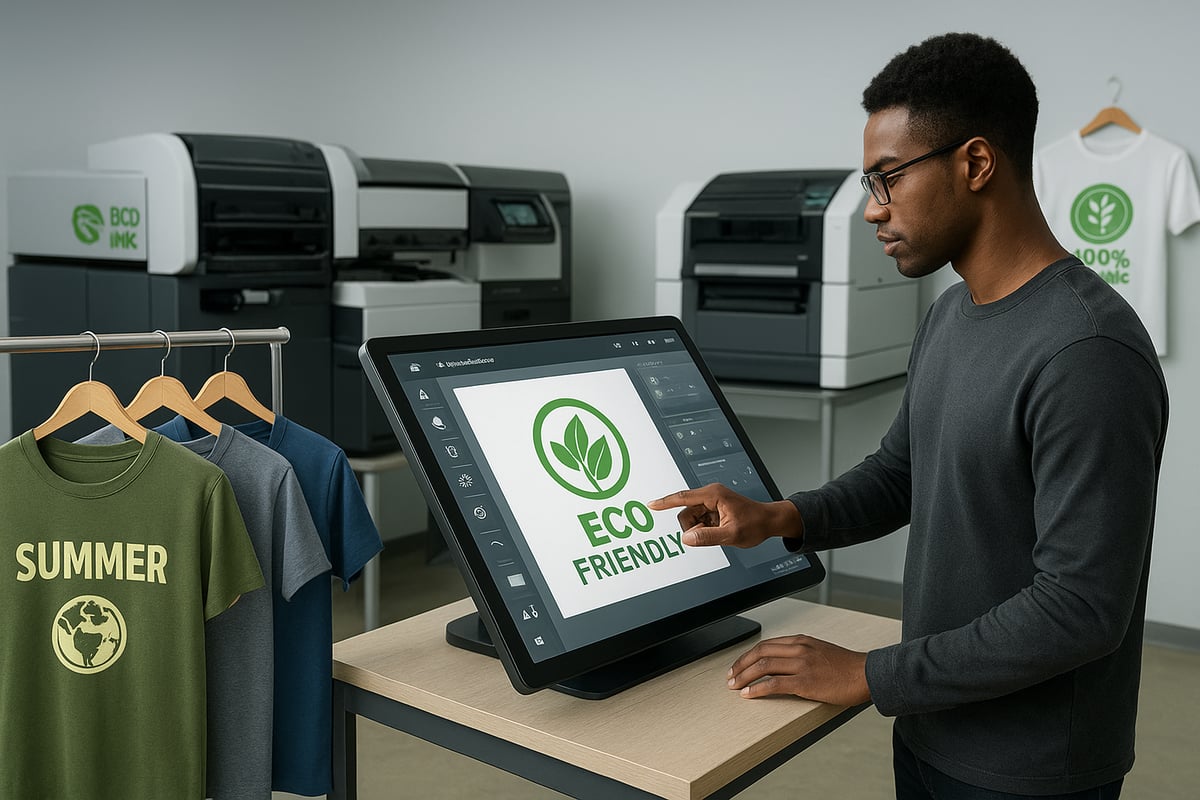
Before you get a tee shirt printed, thoughtful planning is essential. A well-prepared design not only looks impressive but also ensures the final product meets your expectations and stands out in any setting. This step-by-step approach will help you clarify your goals, create or source the right artwork, and make smart choices about colours and placement.
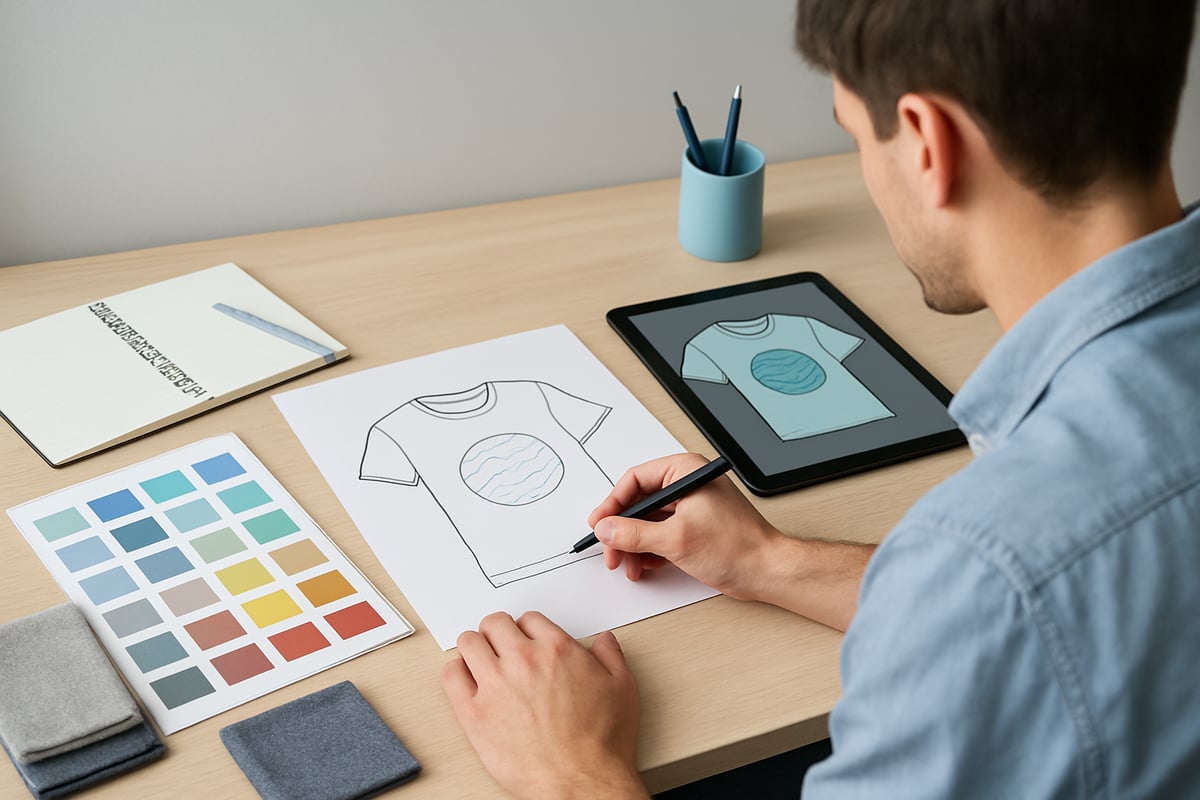
The first step to get a tee shirt printed is to identify why you need it and who will wear it. Are you promoting a business, preparing for an event, gifting to friends, or expressing personal style? Each purpose calls for a different approach.
Consider your target audience. Their age, interests, and group size will shape your design choices. For example, a youth sports team might prefer bold graphics and vibrant colours, while a tech conference could require a sleek, minimal look. Aligning the design with your message ensures it resonates with the recipient.
Did you know that 68% of consumers say design relevance influences their purchase decision? This shows that a clear purpose and audience focus can make your tee shirt more memorable and effective. For inspiration and to see how others have succeeded, explore some T-Shirt Printing Success Stories for ideas that match your goals.
Purpose-driven designs are not only more impactful, but they also help you communicate your message clearly and confidently. Before you get a tee shirt printed, take time to clarify your objectives and understand your audience.
Once your purpose is clear, the next step to get a tee shirt printed is crafting or sourcing the right artwork. You have several options:
No matter your approach, ensure your artwork meets common print requirements. Here's a quick reference:
| Requirement | Details |
|---|---|
| Resolution | 300 DPI minimum for clarity |
| File Format | PNG or SVG preferred |
| Colour Profile | RGB for digital, CMYK for print |
If you are not a designer, don't worry. Platforms like Canva and Adobe Express offer user-friendly templates. Many print shops also provide proprietary design tools, making it easier than ever to get a tee shirt printed with professional results.
High-quality artwork is crucial. It guarantees sharp prints and vibrant colours. For scalability and clarity, vector graphics are often preferred, especially for logos or text-heavy designs. Investing in quality at this stage pays off in the finished product.
Remember, a strong design foundation is key to a successful print. Take your time with this step and aim for the best possible result before you get a tee shirt printed.
Your choice of colours and print placement can make or break your design when you get a tee shirt printed. Start by considering your brand guidelines, desired contrast, and how your chosen print method handles colours. For example, DTG printing excels with detailed, colourful artwork, while screen printing is ideal for solid, bold colours.
Popular placement options include:
According to a recent survey, 57% of customers prefer designs centred on the chest. Strategic placement not only enhances visual appeal but also improves wearability. For group orders like teams or events, adding names or slogans to sleeves can add a personal touch.
Careful colour selection and thoughtful placement ensure your tee shirt stands out and lasts longer. Before you get a tee shirt printed, review your options and choose what best fits your vision and audience.
Choosing the right base garment and print technique is essential when you want to get a tee shirt printed. The right combination ensures your custom apparel looks great, feels comfortable, and stands the test of time.
Whether you are printing for a business, event, or personal use, taking the time to select quality materials and methods makes all the difference.
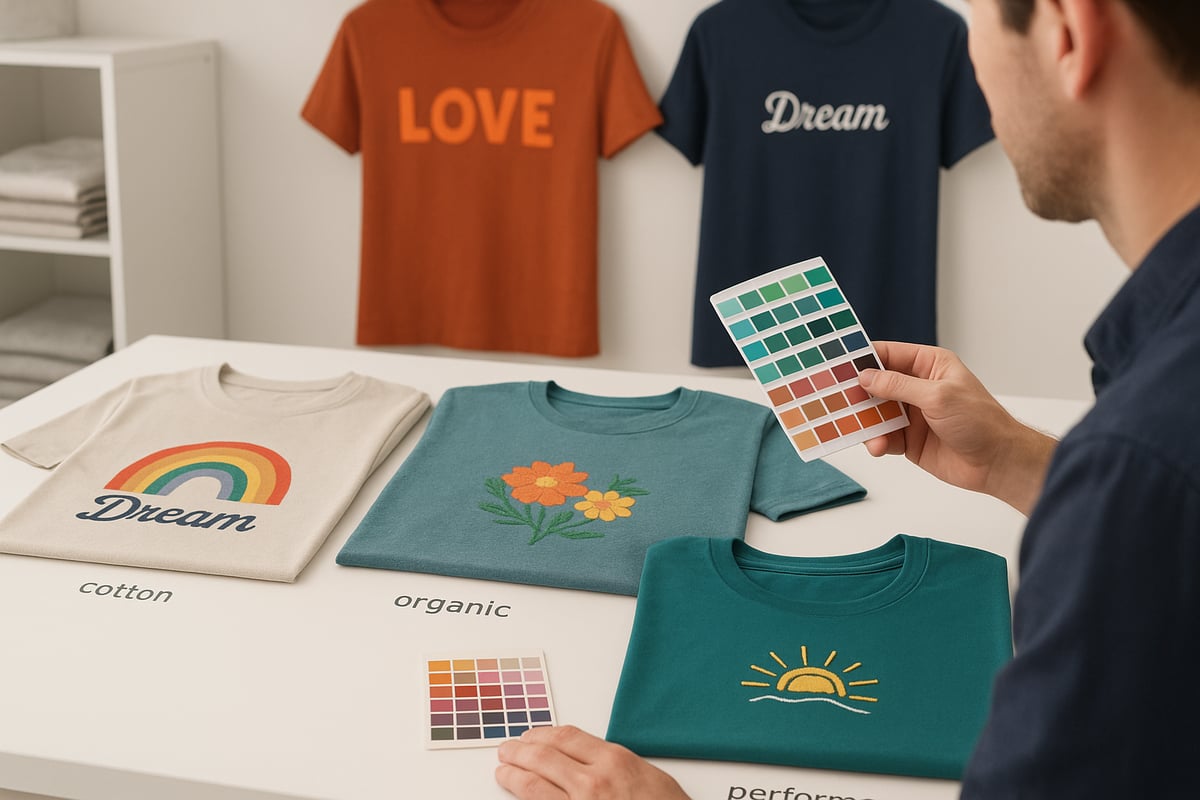
The foundation of any great print job is the tee shirt itself. Before you get a tee shirt printed, consider the fabric, fit, and sizing to match your needs.
Popular Fabric Types:
| Fabric | Features | Best For |
|---|---|---|
| 100% Cotton | Soft, breathable, classic feel | Everyday wear, events |
| Cotton-Poly Blend | Durable, less shrinkage | Workwear, team uniforms |
| Performance Fabric | Moisture-wicking, quick-dry | Sports, outdoor activities |
| Organic Cotton | Eco-friendly, soft | Sustainable fashion, gifting |
Fit and style options have expanded in 2026. You can choose from unisex, fitted, oversized, and even gender-specific cuts. For kids’ events or school uniforms, sizes and fits are more inclusive than ever.
When you get a tee shirt printed, durability and comfort matter. Organic cotton tees, for example, have grown 23 percent in market share from 2024 to 2026, showing their popularity among eco-conscious buyers.
Refer to sizing guides and ensure your provider offers extended sizes. The right fit boosts satisfaction and wearability.
If you are unsure where to start, explore the Round Neck T-Shirt Options for a variety of quality base garments suitable for custom printing.
The next step when you get a tee shirt printed is choosing the right printing technique. Each method offers distinct advantages depending on your design, quantity, and budget.
Printing Techniques Comparison:
| Technique | Best For | Pros | Cons |
|---|---|---|---|
| DTG | Small runs, full colour | Detailed prints, fast setup | Higher cost per unit |
| Screen Print | Bulk, simple designs | Cost-effective, durable | Limited colours, setup |
| Sublimation | Polyester, all-over | Vibrant, edge-to-edge prints | Polyester only |
| Heat Transfer | Complex, short runs | Versatile, good for photos | Less durable |
| Embroidery | Text, logos | Premium, long-lasting | Limited detail, cost |
DTG (Direct-to-Garment) is perfect for one-off gifts or intricate artwork. Screen printing remains the go-to for large events or promotions, with 42 percent of bulk orders in 2025 using this method. Sublimation is ideal for all-over prints on polyester, while heat transfer suits detailed images but may not last as long.
Embroidery adds a premium touch, especially for corporate polos or school uniforms. The right method depends on your design needs and budget.
Always match your chosen technique to your goals when you get a tee shirt printed. For example, embroidery is often selected for logos, while DTG suits creative, colourful designs.
Sustainability is a major consideration when you get a tee shirt printed in 2026. Eco-friendly inks, such as water-based or biodegradable options, are now widely available. Many providers hold certifications like OEKO-TEX or are members of the Fair Wear Foundation, ensuring ethical production.
Recycled and organic materials are increasingly accessible, offering both quality and a reduced environmental footprint. Sixty percent of UK consumers now consider sustainability when buying custom apparel, reflecting growing demand for responsible choices.
Event organisers often choose recycled tees for charity runs, enhancing their brand image while supporting the planet. When you get a tee shirt printed, opting for sustainable materials and processes not only appeals to eco-conscious customers but also future-proofs your brand.
Prioritising both quality and sustainability ensures your custom tees look great and align with modern values.
Selecting the right partner when you want to get a tee shirt printed is crucial for ensuring quality, reliability, and a smooth experience. With the custom apparel market thriving in 2026, there are more options than ever before, ranging from local print shops to nationwide online providers. Navigating this landscape requires careful research and comparison to find a provider that aligns with your needs and expectations.
To get a tee shirt printed with confidence, start by exploring both online and local printing providers. Each option offers distinct advantages. Online shops typically provide a wider range of products and automated design tools, while local businesses may offer hands-on support, faster turnaround, and the ability to inspect samples in person.
When evaluating providers, prioritise these key criteria:
| Criteria | Why It Matters |
|---|---|
| Experience | Proven track record ensures expertise |
| Customer Reviews | 78% of buyers check reviews before committing |
| Portfolio | Shows quality and style range |
| Turnaround Time | Important for urgent or event-driven orders |
| Customer Service | Responsive support resolves issues quickly |
For urgent event orders, comparing lead times is essential. A local provider can sometimes deliver within days, which can be a deciding factor if you need to get a tee shirt printed at short notice. Always check recent customer feedback and ask to see physical samples if possible. This approach helps ensure you select a provider who delivers on their promises and supports you throughout the process.
If you are searching for a trusted partner to get a tee shirt printed in the UK, OK T-Shirt stands out with more than a decade of experience in custom printed and embroidered clothing. Their extensive product range includes T-shirts, hoodies, workwear, school uniforms, and more, catering to individuals, businesses, and organisations alike.
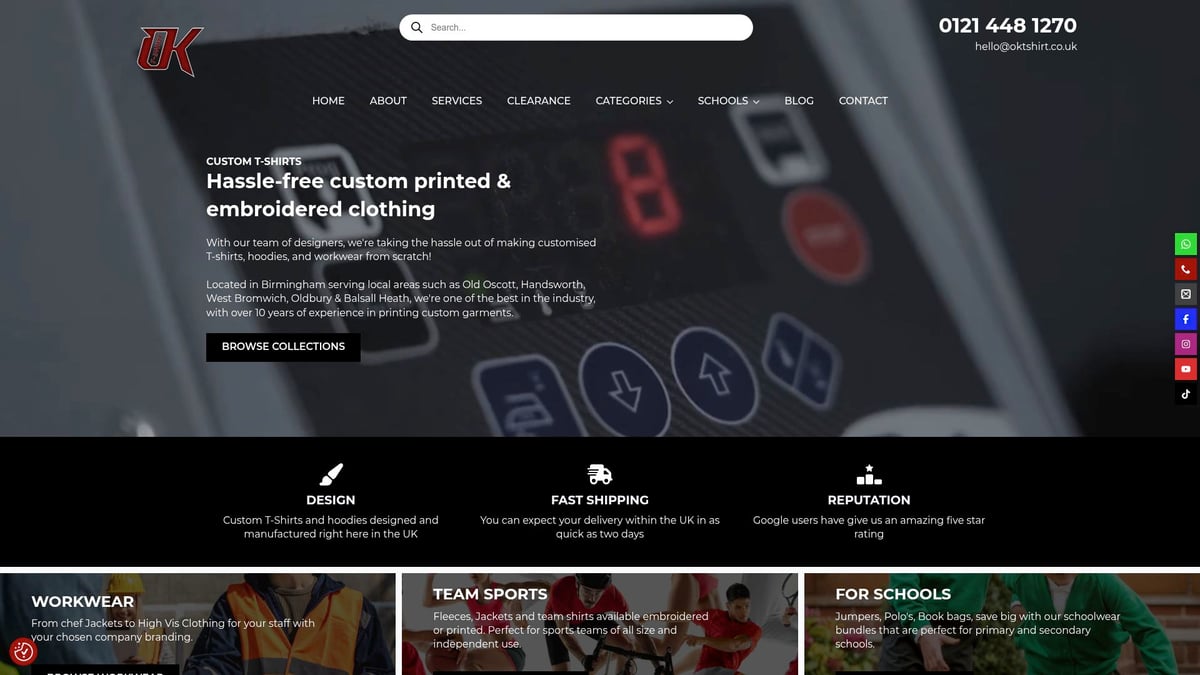
OK T-Shirt offers end-to-end support, from design consultation to final delivery, making the process seamless whether you are ordering a single tee or managing a large group order. They provide bulk discounts, quick UK shipping, and have earned a five-star Google rating thanks to their local production and commitment to quality. For schools and youth groups, their Kids’ Printed T-Shirts Collection makes it easy to coordinate group apparel with style and ease.
Local clients benefit from fast turnaround and hassle-free customisation, while larger organisations appreciate the reliable service and competitive pricing. OK T-Shirt’s proven track record ensures your experience will be both efficient and enjoyable.
Pricing is a key consideration when you get a tee shirt printed. Several factors influence the final cost:
| Factor | Impact on Cost |
|---|---|
| Quantity | Lower price per unit |
| Print Method | Varies by technique |
| Material | Premium costs more |
The average price for a custom tee in the UK ranges from £10 to £20, with additional savings available for school bundles or corporate orders. Transparent pricing policies from reputable providers help you avoid hidden fees, ensuring you know exactly what to expect when you get a tee shirt printed.
Effective communication is vital throughout the process to get a tee shirt printed successfully. Share your requirements clearly and confirm all specifications, such as artwork, garment type, and sizing, before production starts.
Most providers offer digital proofs or mock-ups for your approval. Some may even provide physical samples for large orders. Carefully review these proofs and request revisions if needed. Approving the final design ensures accuracy and satisfaction. Good communication reduces the risk of errors, delays, and ensures you receive the finished product exactly as envisioned.
Getting ready to get a tee shirt printed in 2026 is more streamlined than ever, but success depends on careful preparation and clear communication at every stage. This section guides you through preparing your order, handling payment and delivery, ensuring excellent support, and learning from real-world examples. By following these steps, you’ll avoid common pitfalls and maximise value.
To get a tee shirt printed efficiently, start by gathering all the essential details. Create a checklist including artwork files, garment specifications, a sizing breakdown, and the total order quantity. Most print providers offer submission guidelines, so review these to ensure your files meet their requirements.
Incomplete information is the main cause of delays. According to the Print Industry Report 2025, 92 percent of order setbacks result from missing details. For group orders, provide a detailed size chart to avoid confusion. Preparation not only speeds up the process but also ensures that your final tee shirts match your expectations.
When you get a tee shirt printed, understanding payment and delivery options is crucial. Providers usually accept online payments, invoices, or even instalments for large orders. Choose shipping methods that suit your timeline, such as standard, express, or local pickup.
Most UK print shops, 85 percent according to a 2026 industry survey, offer tracked shipping so you can monitor your order’s progress. Event planners often opt for express delivery to stay on schedule. Reliable shipping is essential to ensure your tee shirts arrive on time for your event or campaign.
| Payment Options | Shipping Methods | Tracking Available |
|---|---|---|
| Online, Invoice, Instalments | Standard, Express, Local Pickup | Yes (85 percent of providers) |
After you get a tee shirt printed, responsive customer support makes all the difference. Top providers offer live chat, phone, and email support to address questions or resolve issues like misprints, returns, or exchanges.
Look for satisfaction guarantees and clear policies. For example, many shops allow returns if there are errors or defects. Quick, effective communication builds trust and encourages repeat business. When support is accessible, you gain peace of mind throughout the process.
Many organisations have successfully leveraged the process to get a tee shirt printed for branding, events, or fundraising. Businesses use custom tees to boost brand visibility, while schools and sports teams benefit from coordinated bulk orders.
Charity campaigns often see increased engagement with printed apparel. In fact, 73 percent of event organisers report improved outcomes with branded tees, as highlighted in the Custom T-Shirt Printing Market Analysis Report 2025. These real-world examples show the tangible value and impact of custom printing when executed well.
Caring for your printed tee shirts is essential if you want your designs to look fresh, vibrant, and professional for as long as possible. Whether you get a tee shirt printed for a special event or as part of your daily wardrobe, following the right aftercare steps can greatly extend the life and quality of your custom apparel.
To keep your printed tee shirts looking their best, always check the care label before the first wash. Most providers recommend cold water washing, which helps prevent fading and cracking, especially if you get a tee shirt printed using DTG or screen printing.
Turn your tee shirts inside out before washing. This simple step minimises abrasion and protects the printed surface during the wash cycle. Choose a gentle cycle and mild detergent, steering clear of bleach or harsh chemicals that can damage both the fabric and the print.
Here is a quick reference table for washing by print method:
| Print Method | Wash Temp | Cycle | Special Tips |
|---|---|---|---|
| DTG | Cold | Gentle | Avoid tumble drying |
| Screen Printing | Warm | Gentle | Line dry for best results |
| Sublimation | Cold | Delicate | Use mild detergent |
| Heat Transfer | Cold | Gentle | Wash inside out |
| Embroidery | Warm | Normal | Avoid fabric softeners |
Proper care can extend the life of your prints by up to 50 percent, making it even more worthwhile to get a tee shirt printed for any occasion.
How you store your printed tee shirts matters just as much as how you wash them. After you get a tee shirt printed, make sure to fold it neatly to avoid creases that can cause the design to crack over time.
Store your tee shirts in a cool, dry space, away from direct sunlight, which can cause colours to fade prematurely. For those with larger collections or retail stock, consider using climate-controlled storage to maintain both fabric and print quality.
Avoid hanging tees for long periods, as this can stretch the fabric and distort the printed design. Short-term hanging is fine, but for long-term preservation, folding is best.
Even with the best care, printed tees can eventually show signs of wear. If you get a tee shirt printed and notice minor fading or small cracks, there are simple ways to extend its life.
For small cracks, place parchment paper over the print and gently iron on a low setting. This can help reseal some print types. For faded areas, fabric markers matched to your design can touch up minor flaws.
If the damage is more significant, consider seeking professional repair or contacting your original print provider for advice. Sometimes, a reprint is the best option, especially for cherished designs or large batches.
A little extra care can keep your favourite custom tees in rotation for years to come.
Eventually, even the best-cared-for printed tee shirts reach the end of their wearable life. When this happens, it is crucial to recycle or upcycle them responsibly. Around 350,000 tonnes of clothing go to landfill each year in the UK, so making sustainable choices matters.
Consider donating gently used tees to charity, or repurpose them as tote bags, quilts, or cleaning cloths. For those interested in sustainability, explore the latest Eco-Friendly and Sustainable T-Shirt Printing Trends 2025 to see how new printing methods are reducing environmental impact.
By recycling or upcycling when you get a tee shirt printed, you help support a more circular and environmentally friendly fashion industry.

OK T-Shirt
126 Beeches Rd
Birmingham
B42 2HQ
