Cheap Printed T-Shirts UK: Quality & Value Guide 2026
Discover how to source cheap printed t-shirts UK without compromising…
Custom T-shirts remain a timeless favourite, and in 2026, the demand for personal and branded garments is stronger than ever. Whether you are an individual looking to make a statement, a business boosting its brand, or an organisation uniting a team, having t shirts printed opens up endless creative and practical possibilities. This essential guide covers everything you need to know, from the latest design trends and printing technologies to finding the right supplier, understanding costs, and making sustainable choices. Discover how innovations make the process easier, more affordable, and more impactful, and take the first step towards bringing your ideas to life.
T-shirt printing has become a cornerstone of modern fashion and branding, evolving rapidly to meet the demands of 2026. For anyone interested in having t shirts printed, understanding current trends and technologies is essential. Today’s market offers more creative freedom, efficiency, and choice than ever before. Whether you are an individual, business, or organisation, the right approach ensures your printed T-shirts stand out for all the right reasons.
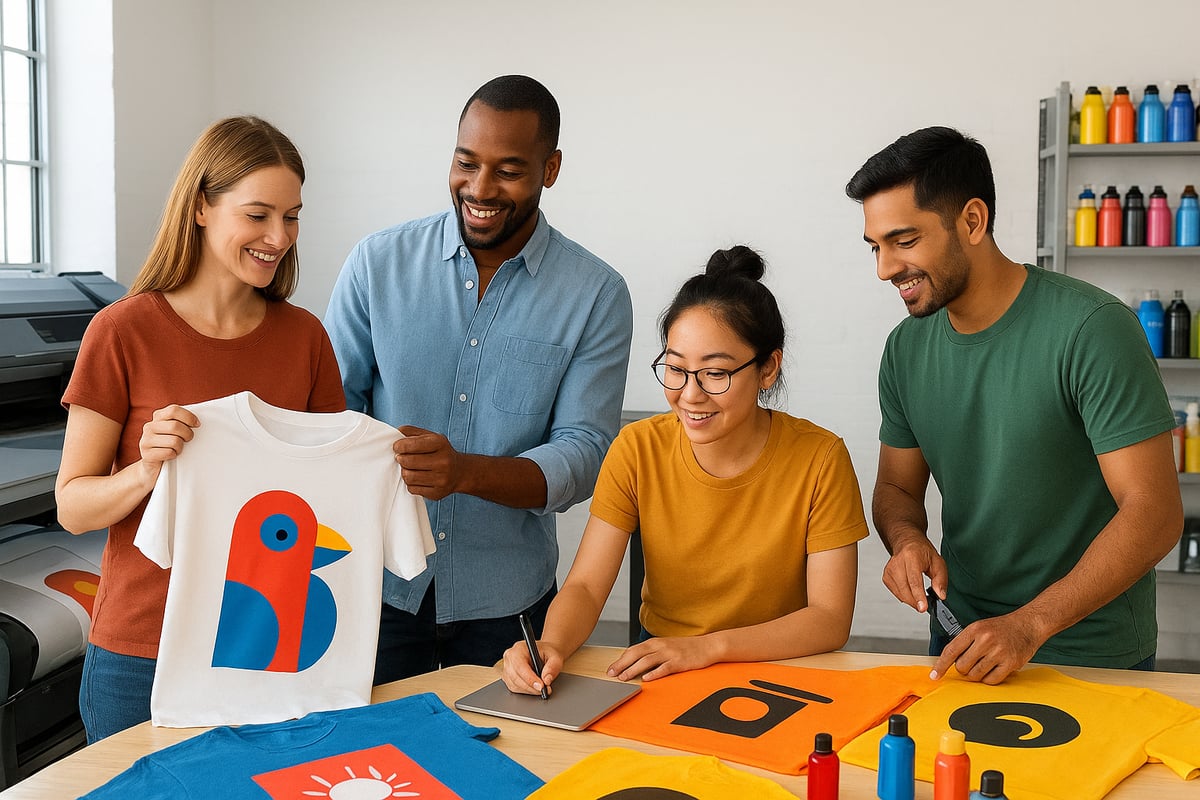
Over the past decade, the landscape for having t shirts printed has transformed dramatically. The UK’s custom apparel market is projected to reach £1.2 billion by 2026, reflecting a surge in demand for personalised and branded clothing across multiple sectors. This growth is driven by businesses seeking unique promotional wear, social causes leveraging limited edition prints, and individuals expressing their identity through custom garments.
Print-on-demand services have gained significant traction, allowing creators and small businesses to offer one-off designs without holding inventory. Event-specific and limited run T-shirts have also become popular, especially for festivals, sports, and charities looking to make a memorable impact. The flexibility and speed of modern printing mean you can now have t shirts printed in small or large quantities, tailored precisely to your needs.
Data shows that the appetite for customisation is stronger than ever. Whether it’s for team uniforms, branded workwear, or personal fashion statements, the possibilities are expanding. This shift is further fuelled by digital platforms that streamline the design-to-print journey, making custom T-shirt printing more accessible and versatile for everyone.
When it comes to having t shirts printed, the choice of printing method can make all the difference. The main techniques include screen printing, direct-to-garment (DTG), sublimation, heat transfer, and embroidery. Each method offers unique benefits and is suited to specific requirements.
| Method | Best For | Pros | Cons |
|---|---|---|---|
| Screen Print | Bulk orders | Durable, cost-effective | Limited colours, setup time |
| DTG | Complex, small runs | Detailed, no colour limits | Higher cost per unit |
| Sublimation | All-over prints | Vivid, long-lasting | Polyester only |
| Heat Transfer | Short runs, promo | Fast, versatile | Less durable |
| Embroidery | Premium branding | Textured, professional look | Costly, limited detail |
Recent advancements include eco-friendly inks and higher digital print resolutions, enhancing both quality and sustainability. For a deeper dive into selecting the best method for your needs, see Choosing T-Shirt Printing Technology.
Matching your design, budget, and order size to the right technique is crucial for achieving the desired outcome. For instance, screen printing excels for large corporate events, while DTG is ideal for small batches with intricate graphics. Embroidery remains a top choice for premium uniforms and durable branding.
Design trends in 2026 are redefining what it means to have t shirts printed. Minimalism is leading the way, with clean lines and bold typography dominating both personal and corporate designs. Retro graphics inspired by the 80s and 90s are making a comeback, while personalisation options, such as custom names or messages, are more sought after than ever.
A key development is the integration of augmented reality (AR) elements, where printed graphics come alive through smartphone apps, offering interactive experiences. Social movements and pop culture continue to influence design themes, making T-shirts a canvas for self-expression and activism.
According to recent surveys, 65% of UK consumers prefer sustainable or locally-themed designs, reflecting growing social and environmental awareness. Viral T-shirt campaigns have demonstrated how impactful a well-designed print can be for brand awareness or fundraising. Staying attuned to these trends ensures your approach to having t shirts printed is both current and compelling.
Getting started with having t shirts printed can feel overwhelming, but breaking the process into clear steps makes it manageable for everyone. Whether you are an individual, a business, or an organisation, this guide will walk you through each stage, ensuring your T-shirt project runs smoothly from start to finish.

The first step in having t shirts printed is to clarify why you need them and who they are for. Are you promoting your business, uniting a sports team, running a charity event, or creating a personal gift?
Consider the quantity required, your available budget, and your project timeline. For example, a local charity might need 250 shirts for volunteers, while a small business could require a short run for a product launch. Defining your purpose early ensures your decisions remain focused and your investment delivers maximum impact.
When having t shirts printed, the design is everything. You can work with a professional designer or use online tools like Adobe Illustrator, Canva, or specialist T-shirt mock-up apps.
Ensure your artwork is in the correct format, such as high-resolution vector files (AI, EPS, or PDF), to avoid pixelation. Always use original artwork or properly licensed images to steer clear of copyright issues. A great design reflects your message, brand, or event, so take the time to get it right before moving forward.
Selecting the best technique for having t shirts printed depends on your design, budget, and order size. The main methods include screen printing, direct-to-garment (DTG), sublimation, heat transfer, and embroidery.
| Method | Best For | Pros | Cons |
|---|---|---|---|
| Screen Print | Bulk orders | Durable, vibrant | Setup costs, not ideal for small runs |
| DTG | Complex designs | Detail, small batches | Limited colour vibrancy on dark fabrics |
| Embroidery | Premium branding | Professional look | Higher cost, limited detail |
For large corporate orders, screen printing is cost-effective. For small batches with intricate graphics, DTG is ideal. Match your method to your project's needs for the best outcome.
The fabric you choose for having t shirts printed affects quality, comfort, and print results. Options include organic cotton, recycled blends, and performance wear. Each material has its benefits—organic cotton is soft and sustainable, while performance fabrics are moisture-wicking for active use.
Think about sizing, fit, and colour choices that suit your audience. If printing for a youth group, you might need a range of sizes and bold colours. For corporate uniforms, neutral tones and classic fits often work best. Always request samples if unsure.
Choosing the right supplier is a crucial part of having t shirts printed. Start with online research, checking reviews and testimonials. Request samples to judge print and fabric quality firsthand. Look for certifications that demonstrate ethical and sustainable practices.
Ask about turnaround times, minimum order quantities, and the range of customisation options. According to industry data, 80% of UK buyers rate quality and reliability as top priorities. Select a supplier that aligns with your standards and can deliver on your requirements.
The next phase of having t shirts printed involves submitting your order and approving a proof. Carefully review artwork placement, colours, and spelling on the digital proof your supplier sends. Confirm order forms and clarify payment terms before proceeding.
To avoid common mistakes, double-check every detail. For a comprehensive overview of the process, visit the Guide to Ordering Custom T-Shirts. Taking these steps ensures your finished shirts meet expectations and are ready on schedule.
Once your order arrives, inspect every box to confirm you received what you requested. Check print quality, garment condition, and order accuracy. This step is vital in having t shirts printed, as errors can occur during production or shipping.
Store shirts in a clean, dry space to preserve prints. Plan your distribution in advance to ensure everyone receives their T-shirt promptly, especially for events. Following up with your supplier about any issues demonstrates professionalism and supports a successful project outcome.
Selecting the right partner when having t shirts printed can make all the difference to your project’s success. Whether you are ordering for a business, event, or organisation, the UK market offers a wide range of suppliers. However, not all printing services deliver the same level of quality, reliability, and value.
Choosing a local partner can help ensure faster turnaround, more responsive customer service, and stronger support for British industry. Understanding what sets a great supplier apart is the first step in making an informed decision.
When having t shirts printed, focus on several key factors to identify the best UK partner. Print quality should always be your top priority. Crisp, accurate colours and durable finishes ensure your garments make the right impression and stand the test of time.
A broad selection of garment types and styles is essential, from budget-friendly basics to premium organic cotton. Leading suppliers offer not only T-shirts but also hoodies, polos, and accessories, making it easier to fulfil diverse needs.
Customer service is another crucial element. Prompt responses, clear communication, and helpful advice throughout the ordering process will provide peace of mind. Fast turnaround times are particularly important if you are working to tight event deadlines.
Sustainability and ethical manufacturing are becoming increasingly important when having t shirts printed. Look for certifications such as Fairtrade, GOTS, or OEKO-TEX, which demonstrate a supplier’s commitment to responsible sourcing and production. Local manufacturing can further reduce environmental impact and support UK jobs.
To summarise, the best partners combine quality, range, service, speed, and sustainability. Always check for independent reviews, request samples, and ask about eco-friendly options before making your choice.
If you are considering having t shirts printed for your next project, OK T-Shirt stands out as a leading choice in the UK. With over a decade of experience, they specialise in custom printing and embroidery for T-shirts, hoodies, workwear, school uniforms, and more.
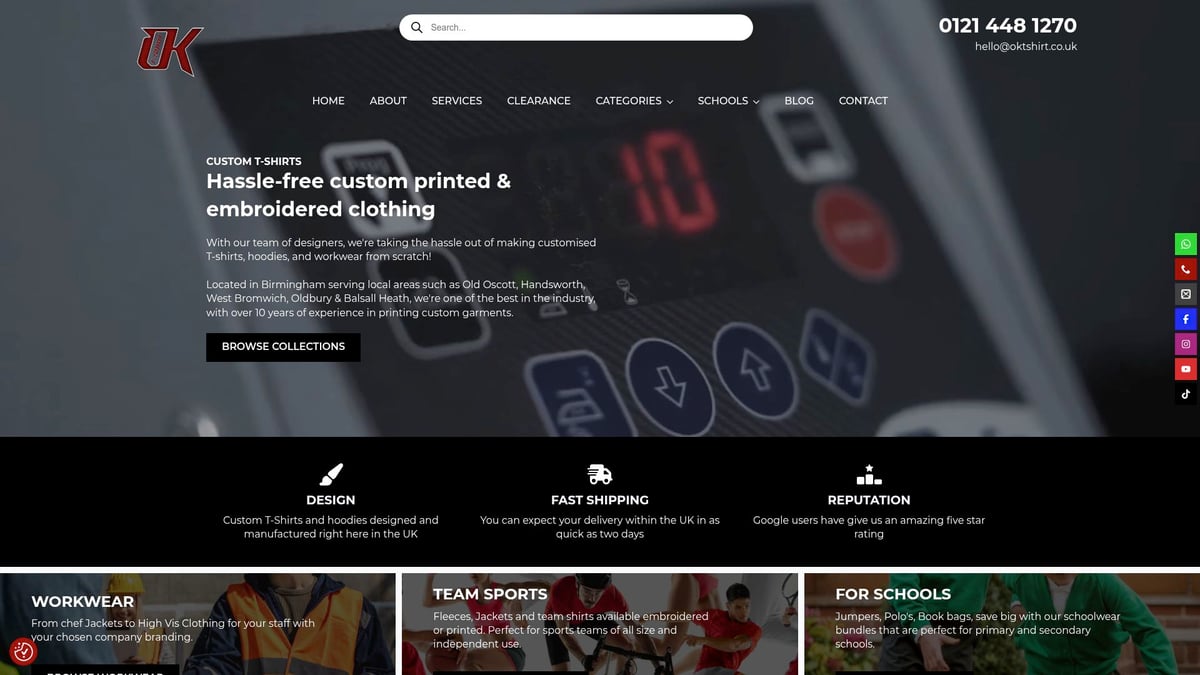
Their process is designed to be hassle-free, with expert design support available for both individuals and organisations. OK T-Shirt’s local Birmingham production enables fast, reliable shipping across the UK, often within two days, so you never have to worry about missing a deadline.
Customer feedback highlights their commitment to quality and service. As an approved supplier for local schools and businesses, OK T-Shirt has earned a reputation for reliability and value. They offer competitive pricing alongside generous bulk discounts, making them ideal for both small and large orders.
Sustainability is a core value, with eco-friendly materials and printing options available for clients who prioritise environmental responsibility when having t shirts printed. Whether you need a handful of bespoke designs or thousands of branded garments, OK T-Shirt’s flexible approach and proven track record make them a trusted partner. For enquiries or sample requests, their friendly team is always ready to help.
Understanding the true cost of having t shirts printed is crucial for making informed decisions. Whether you are ordering for a business, event, or personal use, knowing what drives pricing will help you set expectations and avoid surprises.
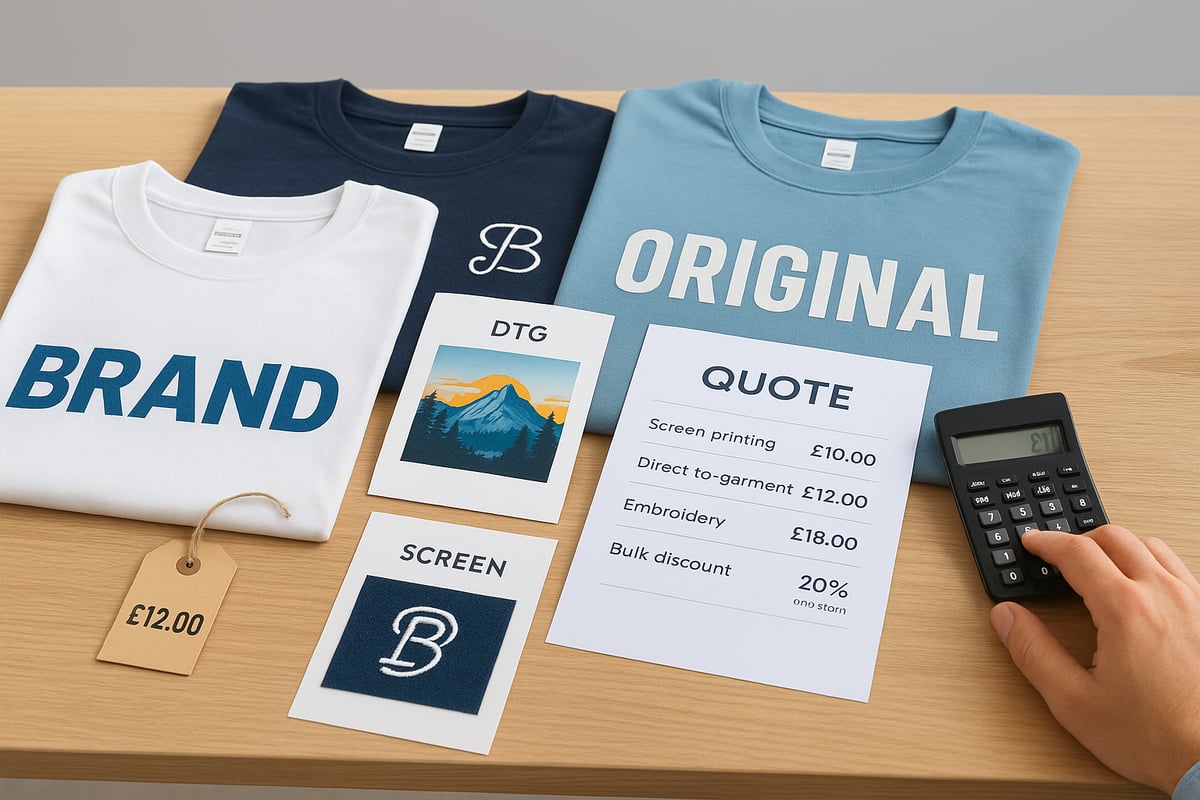
Multiple elements influence the price when having t shirts printed. The main factors include garment type, print method, design complexity, and order volume. For example, a basic cotton T-shirt will cost less than an organic or performance fabric. Similarly, screen printing offers better value for large runs, while direct-to-garment (DTG) is more cost-effective for small batches with intricate designs.
Here is a quick comparison of typical cost drivers:
| Cost Factor | Impact on Price | Example Range (per T-shirt) |
|---|---|---|
| Garment Type | Premium = higher cost | £5.99–£20.00 |
| Print Method | DTG, screen, embroidery vary | £1.00–£5.00 (printing only) |
| Design Complexity | More colours/details = higher | £0.50–£2.00 |
| Order Volume | Bulk discounts for large orders | Up to 30% off |
Bulk orders and repeat business can significantly lower the per-unit cost when having t shirts printed. Always ask suppliers about volume discounts or loyalty pricing.
Do not overlook hidden costs. These may include setup fees for screen printing, rush order charges, and shipping. Carefully review quotes to ensure all expenses are itemised before committing to having t shirts printed.
Maximising value is about more than just finding the lowest price. When having t shirts printed, it pays to compare quotes carefully. Check what is included, such as artwork setup, garment quality, and delivery timeframes. Some suppliers offer bundle deals or off-season discounts, which can stretch your budget further.
Quality should never be compromised for price. According to recent industry insights, 73% of UK consumers plan to invest in higher-quality fashion items in 2026, showing a clear preference for well-made products and premium materials (source). This trend highlights the value of choosing reputable suppliers, even if the upfront cost is slightly higher.
To get the most for your money when having t shirts printed, consider these tips:
Ultimately, the best value comes from a combination of fair pricing, product durability, and a smooth ordering experience. Take the time to evaluate your options carefully before having t shirts printed.
Sustainability has become a central consideration for anyone having t shirts printed in 2026. With growing awareness of environmental and ethical issues, both individuals and organisations are seeking ways to ensure their custom apparel aligns with responsible practices.
When having t shirts printed, the choice of materials and processes plays a vital role in reducing environmental impact. Organic cotton, recycled polyester, and blends made from sustainable fibres are now widely available. These options require less water, fewer chemicals, and create a softer, more comfortable garment.
Certifications such as Fairtrade, GOTS (Global Organic Textile Standard), and OEKO-TEX are essential indicators of ethical sourcing and manufacturing. They guarantee that materials are produced without harmful substances and that workers are treated fairly.
| Certification | What It Ensures | Why It Matters |
|---|---|---|
| Fairtrade | Fair wages, safe conditions | Supports ethical labour |
| GOTS | Organic fibres, eco-friendly | Reduces chemical use |
| OEKO-TEX | Tested for harmful substances | Ensures wearer safety |
Transparency is another key factor. Reputable suppliers will openly share details about their supply chain, material origins, and production standards. Always ask for proof of certification and seek out companies that prioritise sustainable innovation.
Modern printing techniques further support sustainability. Water-based inks, digital processes, and energy-efficient equipment are now common in the industry. To explore these advancements in detail and learn how they shape the future of having t shirts printed, visit Sustainability in Custom T-Shirt Printing.
Choosing local production for having t shirts printed offers clear benefits. By keeping manufacturing and distribution within the UK, you reduce shipping distances, lower your carbon footprint, and support the local economy. Many UK-based print shops now focus on eco-friendly practices and quick turnaround times, making it easier to act responsibly.
Print-on-demand services are another innovation that helps minimise waste. Instead of printing large, unsold batches, garments are produced only when ordered. This model significantly reduces excess inventory and associated waste.
Consumer demand for sustainability is stronger than ever. Recent research shows that 60% of UK buyers prefer sustainable apparel, and a growing number are willing to pay more for ethically produced products. For more insights into consumer attitudes and how they influence decisions around having t shirts printed, see UK consumers’ willingness to pay more for sustainable products.
Leading brands are setting new standards by combining eco-friendly materials, ethical labour, and innovative printing methods. Whether you are printing for business, events, or personal use, making conscious choices can have a lasting positive impact.
Having t shirts printed can be a straightforward process, but many individuals and businesses encounter avoidable setbacks along the way. By understanding the most frequent mistakes, you can save both time and money, ensuring your custom T-shirt project delivers the results you want.
When having t shirts printed, design issues are among the biggest pitfalls. Overcomplicating your artwork can lead to muddled prints, especially if intricate details get lost in translation. Simplicity often delivers better results, as busy graphics may not translate well with certain printing methods.
Another common mistake is neglecting garment and print compatibility. For example, using a design intended for screen printing on a synthetic performance shirt can cause poor adhesion or colour distortion. Always ensure your chosen print method matches the material and style of your T-shirt.
Lead times are frequently underestimated. Having t shirts printed for an event or campaign requires careful scheduling. Failing to factor in production and shipping can mean missing critical deadlines.
Choosing price over quality is another risk. While it may be tempting to select the lowest quote, this often results in dissatisfaction with print durability, colour vibrancy, or garment comfort. Additionally, not accounting for all costs, such as setup fees or rush charges, can lead to unexpected budget overruns.
To make having t shirts printed a success, attention to detail is essential. Always double-check your artwork and order specifics before approving any proofs. This includes verifying colours, print placement, and spelling, as even minor errors can become costly.
Requesting samples or digital mock-ups from your supplier helps you visualise the final product and catch potential issues early. When working with a new printer, start with a small order to assess quality before committing to larger volumes.
Clear and consistent communication with your supplier is crucial. Discuss timelines, expectations, and any special requirements up front. This proactive approach minimises misunderstandings and keeps the process on track.
Learning from real-world examples can also be valuable. Review case studies or testimonials to understand how others have navigated the process of having t shirts printed. Insights from those who have achieved successful outcomes or faced challenges can inform your own approach.
By following these steps, you will greatly reduce the risk of mistakes, ensuring your custom T-shirt project is both smooth and successful.

OK T-Shirt
126 Beeches Rd
Birmingham
B42 2HQ
