
Personalised fashion is transforming wardrobes across the UK, with 2026 set to be the year of creative self-expression. If you have ever wanted to make your own shirt uk, this guide will take you step by step through the process, no matter your experience level.
We will explore the creative freedom you gain, the technical skills you will build, and the practical tips you need to create a shirt that is truly your own. Ready to bring your vision to life? Let us begin your journey into custom shirt making.
Why Make Your Own Shirt in the UK?
The idea to make your own shirt uk is gaining remarkable momentum. As more people in the UK seek individuality and sustainability in their wardrobes, custom shirt making is at the forefront of a creative movement. This section explores why this trend is booming, the unique benefits, potential challenges, and real-world stories that inspire makers across the country.
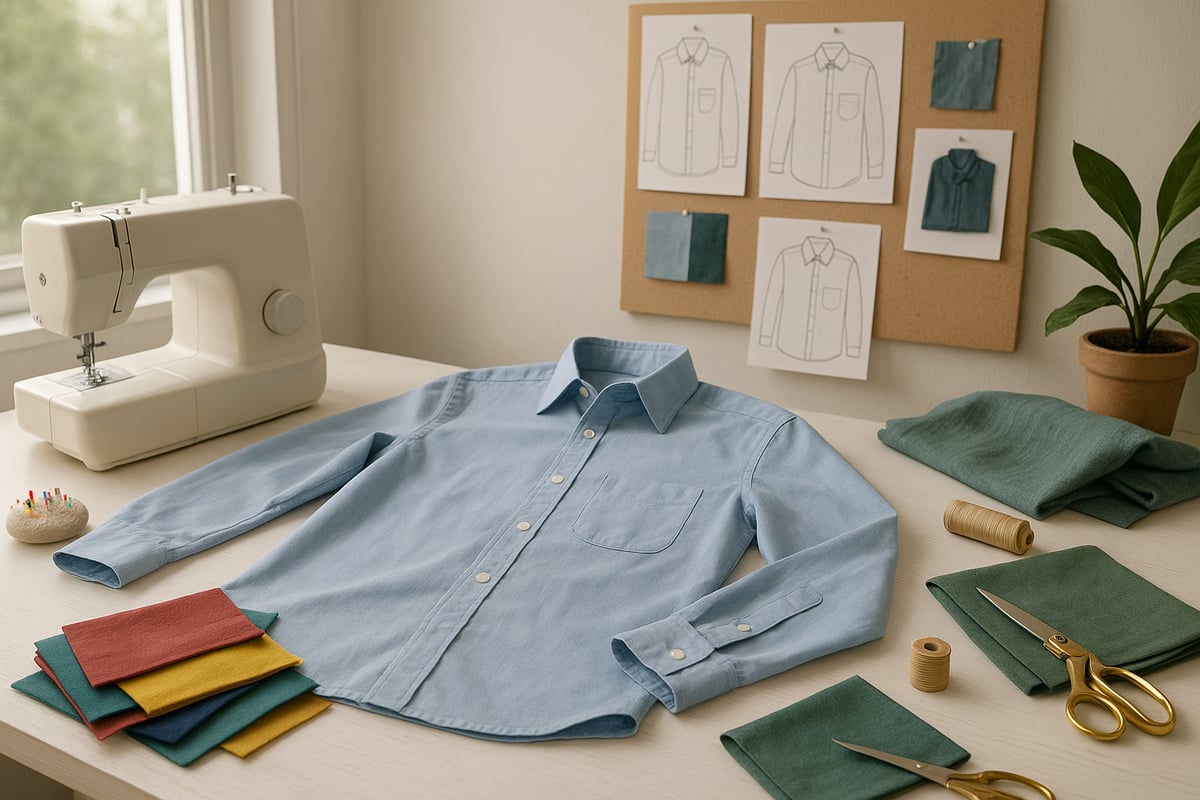
The Personalisation Boom: Trends for 2026
The custom clothing market in the UK is set for impressive growth in 2026, with recent UK custom clothing market statistics 2026 highlighting a surge in demand. Social media platforms and influencer culture drive this trend, showcasing DIY fashion as both aspirational and achievable.
Consumers are becoming more eco-conscious, recognising the environmental benefits of creating garments at home. By choosing to make your own shirt uk, you help reduce fast fashion waste and support a slower, more mindful approach to style. The rise of local and independent designers further fuels creativity, while the cost of making a shirt at home is often lower than purchasing a branded designer item.
Benefits of DIY Shirt Making
When you make your own shirt uk, you gain unmatched creative control. You decide on the style, colour, and fit that best suit your needs and preferences. This process allows you to express your personality and values through every stitch.
DIY shirts are perfect for gifts, special occasions, businesses, or team events. The satisfaction of wearing something truly unique is incomparable. Many makers find that crafting their own garments brings a sense of accomplishment and pride, reinforcing the appeal of this trend.
- Full creative freedom
- Custom fit for any body type
- Ideal for personal and group projects
Challenges and Considerations
Embarking on the journey to make your own shirt uk comes with its own set of challenges. Beginners face a learning curve as they master new techniques and manage time investment. Sourcing high-quality materials in the UK can require research and patience.
Balancing cost and quality is essential. While making shirts at home can be cost-effective, premium fabrics and tools may increase expenses. Planning ahead and starting with simpler designs can help manage both budget and expectations.
- Time and skill development needed
- Material sourcing considerations
- Cost vs. quality balance
Real-World Examples
Across the UK, independent creators and small businesses are embracing the make your own shirt uk movement. Case studies reveal how individuals have transformed hobbies into thriving brands, or simply enjoyed the process for personal fulfilment.
Data shows a significant rise in Google searches for “make your own shirt uk” since 2023, reflecting growing public interest. These stories demonstrate that with creativity, the right resources, and dedication, anyone can join this trend and succeed.
Planning Your Custom Shirt: Design, Materials & Tools
Planning is the foundation for success when you want to make your own shirt uk. Before you start cutting fabric or threading a needle, it's essential to decide on your style, design, materials, and tools. This section will guide you through every step, ensuring your custom shirt journey is creative, practical, and rewarding.
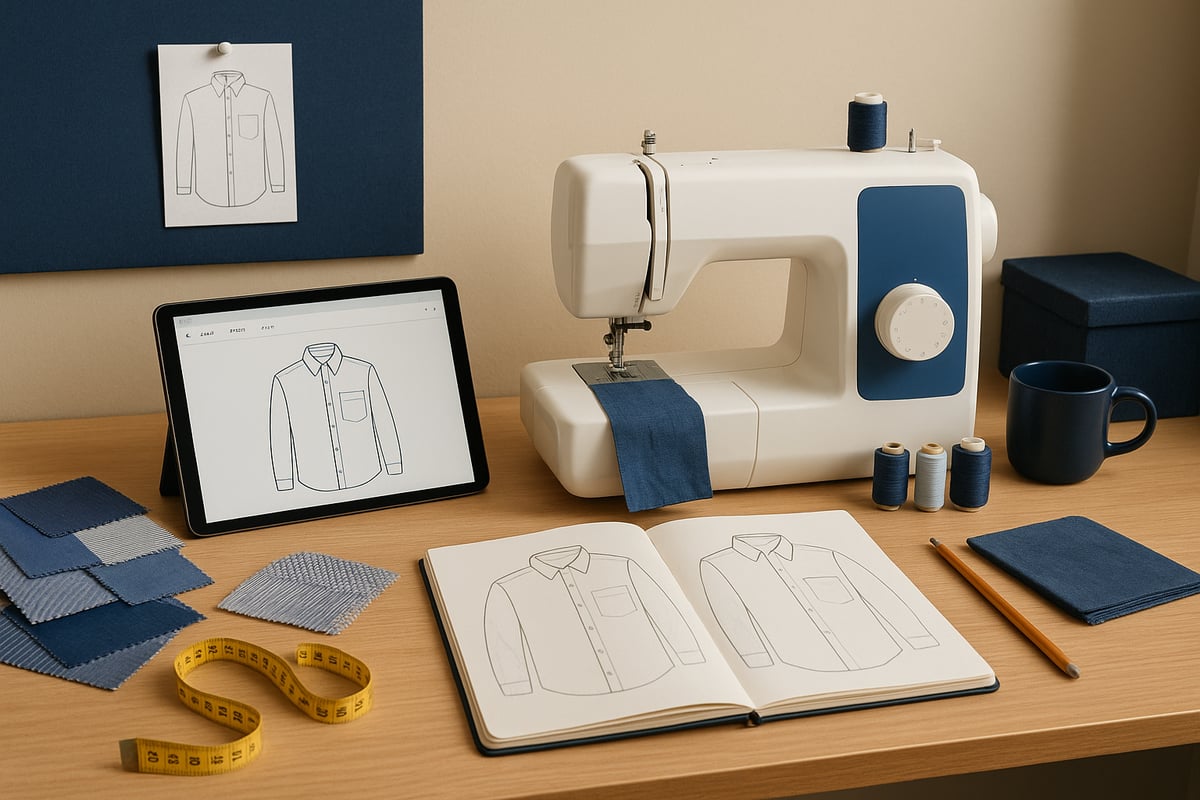
Choosing Your Shirt Style and Fit
The first decision when you make your own shirt uk is selecting the right style and fit. UK favourites include classic T-shirts, smart polos, crisp button-downs, oversized relaxed fits, and figure-hugging tailored shirts. Each style suits different occasions and personal preferences.
Consider your body type and how you'll wear your shirt. For example, fitted options work well for business or formal settings, while oversized or relaxed fits are popular for casual wear. Gender-neutral and inclusive sizing is on the rise, making it easier to find or create patterns that suit everyone.
List of popular UK shirt styles:
- T-shirt: Versatile and easy to customise
- Polo: Smart-casual, suitable for events and uniforms
- Button-down: Classic for work or formal occasions
- Oversized: Comfortable and trendy
- Fitted: Sharp silhouette for tailored looks
Take time to explore what resonates with your personality and needs. The right choice sets the tone for your entire make your own shirt uk project.
Designing Your Shirt: Inspiration and Tools
Once you have your style in mind, bring your vision to life with thoughtful design. Start by seeking inspiration from platforms like Pinterest, Instagram, and leading UK fashion blogs. Collect images, colour palettes, and motifs that catch your eye.
Sketching your ideas helps clarify your vision. You don't need to be an artist; simple outlines and notes are enough. Digital mock-ups are also invaluable. Tools like Online design tools for custom shirts make it easy to experiment with layouts, graphics, and text before you commit.
Iterate on your design until you're confident. If you're making shirts for a team or event, gather feedback early. This planning phase ensures your make your own shirt uk project reflects your personality and purpose.
Selecting Materials: Fabrics and Notions
Choosing the right fabric is crucial for comfort, durability, and style. Common options for shirts in the UK include:
| Fabric Type | Features | Pros | Cons |
|---|---|---|---|
| Cotton | Breathable, natural | Comfortable, easy to sew | May shrink if untreated |
| Polyester | Synthetic, durable | Wrinkle-resistant, cheap | Less breathable |
| Cotton-Poly Blend | Mixed fibres | Balanced, easy care | Can pill over time |
| Organic Cotton | Eco-friendly | Sustainable, soft | Higher cost |
| Bamboo | Sustainable, soft | Antibacterial, moisture-wick | Limited availability |
For sustainability, consider organic cotton or bamboo. You can find quality fabrics at local haberdasheries or online from reputable UK suppliers.
Remember to gather essential notions: thread, buttons, interfacing, and labels. Check UK-based shops for a wide selection and advice. Every detail matters when you make your own shirt uk.
Tools and Equipment You’ll Need
Equipping yourself with the right tools makes the process smoother. At a minimum, you'll need:
- Fabric scissors and pins
- Measuring tape and seam ripper
- Sewing machine (entry-level models are fine)
- Iron for pressing seams
Optional tools for customisation:
- Embroidery kits
- Fabric paints or markers
- Transfer paper for prints
Budgeting is important. Expect to spend £30–£100 on basic tools and initial supplies in 2026, with additional costs for premium fabrics or advanced equipment. Many UK craft stores offer starter kits, making it easier to begin your make your own shirt uk adventure with confidence.
Step-by-Step Guide: How to Make Your Own Shirt in the UK
Embarking on the journey to make your own shirt uk is both rewarding and empowering. Whether you are a complete beginner or an experienced sewist, following a clear, structured process will help you achieve a professional result. This section will guide you through each essential stage, from turning your idea into a pattern to adding the final personal touches.
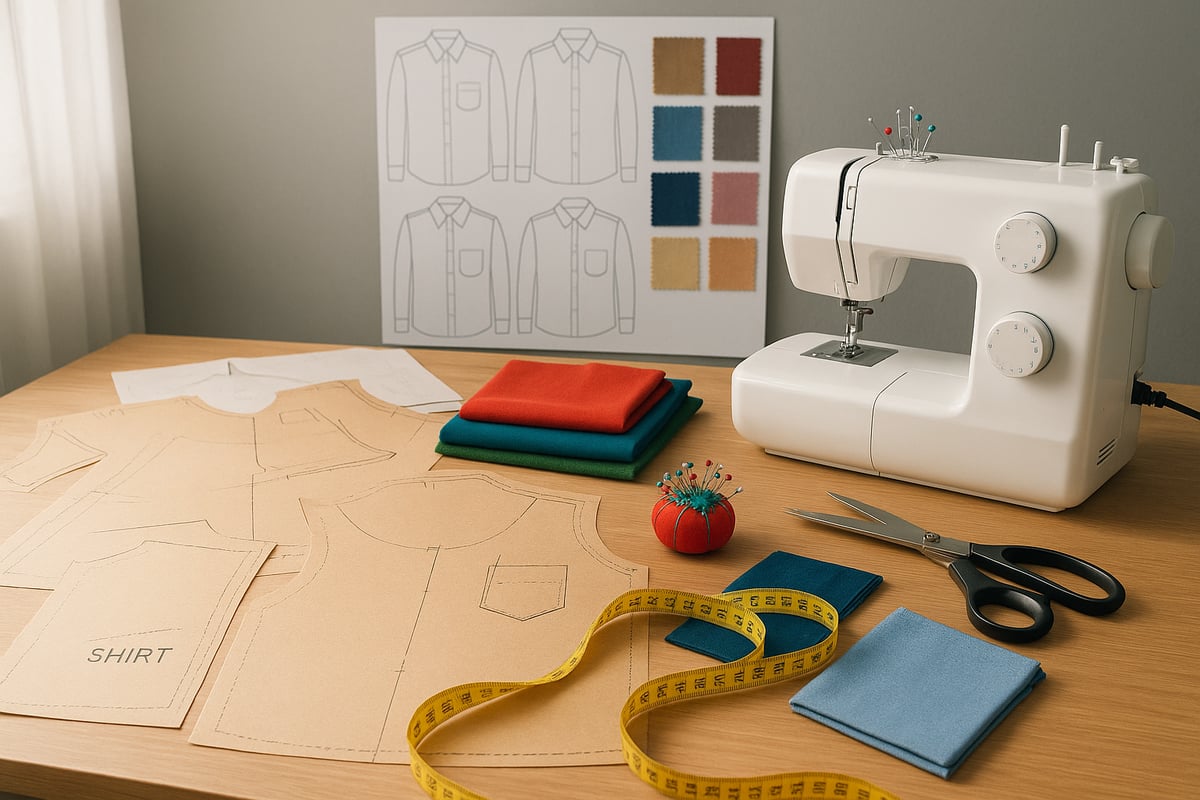
Step 1: Preparing Your Design and Pattern
Every successful attempt to make your own shirt uk starts with a strong design and pattern. Begin by sketching your ideas on paper or using digital tools such as Canva or Adobe Express. Consider the style, fit, and purpose of your shirt. Are you creating a casual T-shirt, a smart polo, or a classic button-down?
Next, decide whether to use a commercial pattern or draft your own. Commercial patterns are ideal for beginners, offering detailed instructions and multiple size options. Drafting your own pattern allows for complete customisation, perfect for those with specific fit requirements or unique design elements.
Compare pattern options in the table below:
| Option | Skill Level | Customisation | Instructions Included |
|---|---|---|---|
| Commercial Pattern | Beginner | Moderate | Yes |
| Self-Drafted | Advanced | High | No |
Adjust your pattern for your chosen fabric and body measurements. Take your time to ensure accuracy, as this foundation will influence the entire process.
Step 2: Cutting and Preparing Fabric
With your pattern ready, it is time to choose and prepare your fabric. Lay your fabric flat on a clean, smooth surface, ensuring there are no wrinkles. Pin your pattern pieces securely, aligning the grain lines as indicated. Carefully cut along the edges, using sharp fabric scissors for clean lines.
Mark important areas such as darts, notches, and seam allowances with tailor’s chalk or washable fabric markers. This step is crucial for assembling your shirt accurately later on.
If you need high-quality blanks, you can shop for blank T-shirts and other shirt styles within the UK, ensuring you start with the best base for your project.
Minimise fabric waste by planning your layout thoughtfully. Save any offcuts for future projects or small repairs. This approach not only supports sustainability but also helps you get the most value when you make your own shirt uk.
Step 3: Assembling Your Shirt
Now comes the exciting phase of bringing your shirt to life. Start by pinning and sewing the main seams, such as the shoulders and sides. Use a straight stitch for most seams, ensuring consistency throughout. Attach the sleeves, aligning them carefully with the armholes.
Focus on precision when assembling collars, cuffs, and hems. These details contribute significantly to the final look and comfort. For added strength and a neat finish, consider using an overlocker or a zigzag stitch on raw edges.
Take your time with each step. Consistent seam allowances and careful pressing between stages will help you achieve a polished result as you make your own shirt uk.
Step 4: Customising Your Creation
Personalisation is what makes the process to make your own shirt uk truly special. Choose from a range of techniques to make your shirt one of a kind.
- Screen printing: Create bold, graphic designs.
- Heat transfers: Add intricate images and logos.
- Digital printing: Perfect for detailed, full-colour artwork.
- Embroidery: Hand or machine embroidery for texture and elegance.
- Fabric paints and appliqué: Express your creativity with colour and pattern.
Experiment by combining methods, such as adding embroidered initials to a printed shirt. Use patches or upcycled materials for a sustainable twist. Each customisation reflects your unique style and vision.
Embrace the freedom to experiment. The more you explore, the more confident you will become in your ability to make your own shirt uk stand out from the crowd.
Step 5: Finishing Touches and Quality Checks
The final stage in the journey to make your own shirt uk is all about refinement. Begin by pressing all seams and edges with an iron set to the appropriate temperature for your fabric. This step ensures a crisp, professional appearance.
Inspect your shirt for loose threads, uneven stitching, or any fit issues. Trim excess threads and reinforce any weak areas with extra stitches. Try on your shirt and make minor adjustments as needed for comfort and fit.
Finally, review the care instructions for your chosen materials. Proper washing and ironing will help preserve your creation, allowing you to enjoy your bespoke shirt for years to come.
Example Timeline and Project Management Tips
Managing your time effectively is crucial when you decide to make your own shirt uk. For beginners, expect the process to take between 6 and 10 hours, spread across several sessions. Experienced makers may complete a shirt in 3 to 5 hours.
Stay organised by creating a checklist of each step. Allocate time for design, sourcing materials, cutting, sewing, customising, and final checks. Use a project planner or digital tool to track your progress.
Motivation can wane during longer projects. Set small, achievable goals and celebrate each milestone. If you encounter setbacks, remember that every mistake is a valuable learning opportunity. Over time, your skills and confidence will grow, making each new attempt at making your own shirt uk even more rewarding.
Custom Printing & Embroidery Services: When to Go Pro
Choosing between DIY and professional services is a key step when you want to make your own shirt uk. While making shirts at home gives you creative freedom, there are times when going pro is the best option. Understanding the pros and cons of each approach can help you make an informed decision.
DIY vs. Professional Services: Pros and Cons
When you make your own shirt uk, the DIY route lets you control every aspect of your design. You can experiment with unique fabrics, colours, and finishes. However, complex prints, bulk orders, or intricate embroidery may be better suited to professionals.
DIY Advantages:
- Full creative control
- Lower costs for simple, single shirts
- Personal satisfaction from making something by hand
Professional Services Advantages:
- Access to advanced equipment and techniques
- Consistent results for large quantities
- Expert finishing and durability
Consider your design’s complexity and your timeline. For detailed artwork or bulk orders, professional services can save time and ensure high quality. For more on what professional printers offer, see Custom T-Shirt Printing Services. Always compare the cost, especially if you plan to make your own shirt uk for events or businesses.
How to Choose the Right Service Provider
If you decide not to make your own shirt uk entirely by hand, selecting a reliable provider is essential. Look for companies with strong reputations, positive reviews, and a portfolio of previous work. Turnaround time is also crucial, especially for tight deadlines.
Key criteria include:
- Material and garment options
- Printing or embroidery techniques available
- Eco-friendly processes and ethical sourcing
- Transparent pricing and clear communication
UK-based providers often offer personalised support and fast shipping. Review examples of their work and ask about guarantees for print quality and garment longevity. Remember to ask if they can handle special requests, such as sustainable fabrics or custom sizing, which are increasingly important to those who want to make your own shirt uk.
Custom Printed Clothing by OK T-Shirt
OK T-Shirt is a leading provider for anyone looking to make your own shirt uk with a professional touch. Their expertise covers both custom printed and embroidered shirts, serving individuals, businesses, and schools across the UK.
Why choose OK T-Shirt?
- High quality materials and garments
- Fast turnaround times for urgent orders
- A wide range of shirt styles and sizes
- Professional finish for both prints and embroidery
Whether you need a single custom shirt or hundreds for a team, OK T-Shirt delivers reliable results. Their services suit creative individuals, small businesses, and large organisations alike. By combining your design ideas with expert production, you can achieve a unique look without compromise.
Creative Customisation Ideas & Inspiration for 2026
Personalisation is expected to shape the future of UK fashion, with more people eager to make your own shirt uk. As the trend evolves in 2026, creative customisation is not just about style, it is about expressing individuality and making a statement. Whether you are a first-time DIYer or an experienced maker, the possibilities are endless for adding your own twist to every shirt.
Trending Shirt Design Ideas in the UK
In 2026, UK shirt design trends reflect both individuality and cultural pride. When you make your own shirt uk, consider these popular motifs:
- Retro graphics: Nostalgic designs inspired by 80s and 90s pop culture.
- Sustainability slogans: Bold statements supporting eco-friendly fashion.
- Local pride: Regional icons, city skylines, or British humour.
- Abstract art: Unique patterns and colour splashes for visual impact.
For real-world inspiration, explore T-Shirt Printing Examples that showcase how others bring their visions to life. These designs demonstrate what is possible when you make your own shirt uk, from minimalist to maximalist styles.
Events also drive creative trends. Custom shirts for stag and hen parties, charity runs, school leavers, or sports teams allow for playful and meaningful personalisation. The emphasis is on standing out and sharing your story through wearable art.
Techniques to Try
To truly make your own shirt uk, experiment with a mix of techniques that add texture and depth.
- Combine print and embroidery: Layer screen prints with stitched details for a tactile finish.
- Upcycling: Refresh old shirts by adding patches, fabric paint, or new trims.
- AI-generated art: Use digital tools to create one-of-a-kind graphics that reflect your personality.
A simple comparison of techniques:
| Technique | Best For | Skill Level |
|---|---|---|
| Screen Printing | Bold graphics | Beginner |
| Embroidery | Texture, monograms | Intermediate |
| Fabric Painting | Freehand designs | Beginner |
| Digital Printing | Photorealistic images | All levels |
Trying different methods allows you to keep each project fresh. The journey to make your own shirt uk means you can tailor every detail to your taste, from subtle accents to statement pieces.
Showcasing Your Creations
Once you make your own shirt uk, sharing your work is essential for feedback and inspiration. Photograph your shirts in natural light, highlighting unique features such as custom embroidery or bold prints. Social media platforms like Instagram and Pinterest are perfect for building a visual portfolio.
Consider these tips for effective sharing:
- Use consistent backgrounds and lighting for your photos.
- Write engaging captions that explain your creative process.
- Tag relevant accounts and use trending hashtags to reach wider audiences.
If you dream of turning your passion into a brand, start by documenting your journey. Many small UK businesses began when makers decided to make your own shirt uk and share their results online. Building a following can lead to collaborations, commissions, or even a thriving custom shirt enterprise.
Where to Buy Supplies & Find Support in the UK
Finding the right resources is essential when you want to make your own shirt uk. Whether you are searching for premium fabrics, community support, or financial assistance, the UK offers a wealth of options to help you on your creative journey.
Top UK Shops for Shirt-Making Supplies
The first step to make your own shirt uk is sourcing the right materials. The UK has an impressive selection of fabric shops, both online and in-store. For classic shirting, UK fabric suppliers for shirt making offer a wide range of cotton, linen, and luxury blends, making them a top choice for many creators.
Popular physical stores include Liberty London, MacCulloch & Wallis, and The Cloth House, each known for their curated collections. Online, check out Minerva Crafts and The Fabric Store for trendy prints and sustainable options.
| Shop Name | Type | Specialty |
|---|---|---|
| Acorn Fabrics | Online | Classic shirting fabrics |
| Liberty London | Physical | Designer prints |
| Minerva Crafts | Online | Variety, eco-friendly |
If you aim for sustainability as you make your own shirt uk, look for organic cotton, bamboo blends, or recycled fibres, all widely available through major UK suppliers.
Online Communities and Learning Resources
Learning and sharing are crucial when you make your own shirt uk. There is a vibrant online community ready to support you at every stage. Join Facebook groups like “Sewing in the UK” or forums such as The Sewing Directory to connect with fellow enthusiasts.
YouTube channels like “Sew Over It” and “The Fold Line” offer tutorials tailored to UK makers. For in-depth guidance, consider online courses from Craftsy or Udemy, where you can master essential skills from pattern cutting to finishing techniques.
Engage with these communities to get feedback on your projects, discover new techniques, and stay inspired. Whether you are a beginner or looking to refine your skills, these resources make your own shirt uk journey feel collaborative and fun.
Local Workshops and Maker Spaces
Hands-on experience can transform your make your own shirt uk ambitions into real skills. Across the UK, local workshops and maker spaces provide access to equipment, guidance, and a creative environment.
Major cities like London, Birmingham, and Manchester host sewing clubs and community studios. Places such as The Goodlife Centre and Ministry of Craft run beginner-friendly shirt-making workshops. Maker spaces often offer membership-based access to sewing machines, cutting tables, and even embroidery equipment.
Attending these sessions is a fantastic way to improve your skills, meet like-minded makers, and get practical help. If you are serious about make your own shirt uk, joining a local group can fast-track your progress and boost your confidence.
Grants and Funding for Creative Projects
If you want to turn your make your own shirt uk passion into a business or community project, funding can make a difference. The UK offers several grants to support creative ventures.
Arts Council England provides funding for both individuals and groups working in fashion and craft. Local councils also offer micro-grants for community-based projects. When applying, outline your objectives, budget, and how your project benefits the local community.
Look out for workshops on grant writing, often hosted by creative hubs or online platforms. With the right support, your make your own shirt uk idea could grow into a thriving enterprise or impactful community initiative.