Cheap Printed T-Shirts UK: Quality & Value Guide 2026
Discover how to source cheap printed t-shirts UK without compromising…
Personalized clothing has evolved from a simple novelty into a powerful form of self-expression and brand identity. Whether you're creating custom apparel for your business, school event, sports team, or personal wardrobe, adding a name on tshirt transforms an ordinary garment into something uniquely meaningful. This comprehensive guide explores everything you need to know about creating professional, durable, and visually appealing name designs on custom t-shirts, from choosing the right printing method to selecting fonts and placement strategies that ensure your personalized apparel stands out.
The technique you choose for adding a name on tshirt directly impacts the final quality, durability, and cost of your custom garment. Each printing and embroidery method offers distinct advantages depending on your specific requirements.
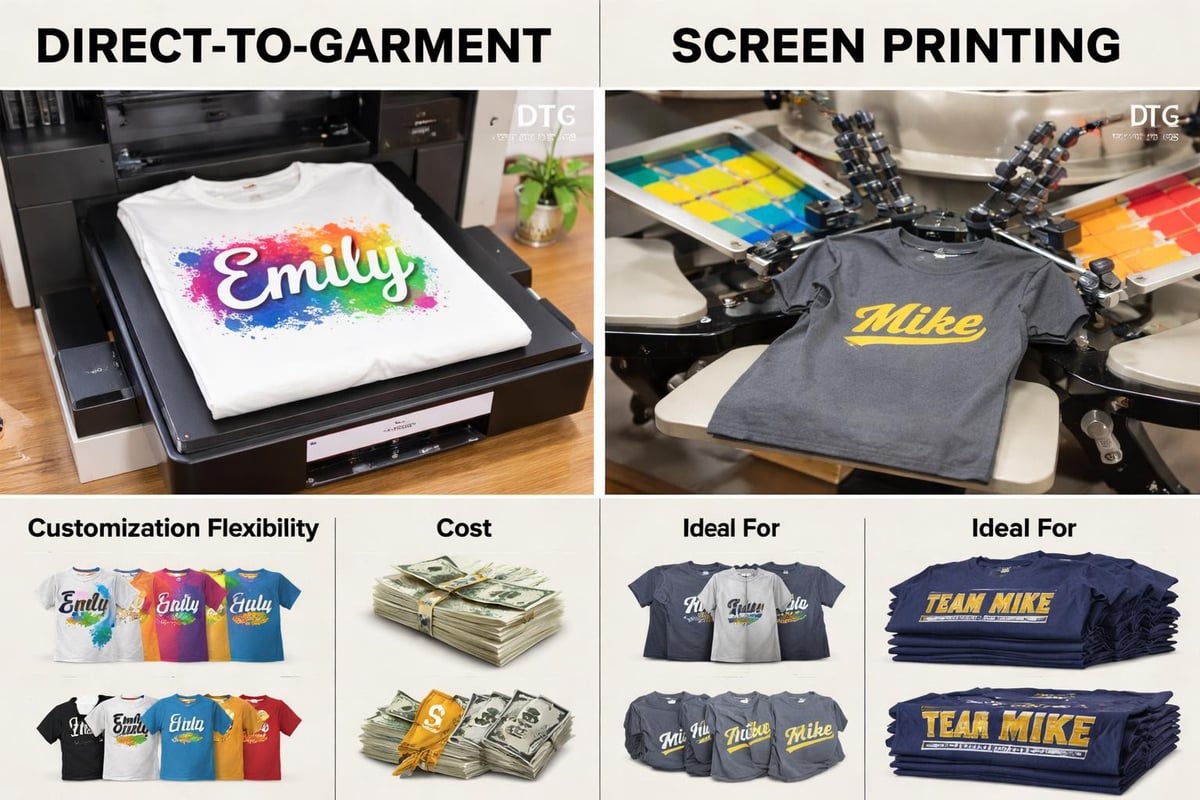
Screen printing remains one of the most popular methods for adding names to t-shirts, particularly when producing bulk orders with the same design. This technique works exceptionally well for team uniforms or corporate events where multiple shirts feature individual names in the same font and placement.
Key advantages of screen printing include:
However, screen printing requires separate screens for each color and design variation. For highly customized orders where every name on tshirt differs, this method can become expensive and time-consuming. Custom t-shirt design trends for 2024 emphasize the importance of choosing methods that balance quality with personalization flexibility.
DTG printing has revolutionized how businesses approach name personalization, functioning similarly to an inkjet printer for fabric. This technology allows for complete customization without setup fees or minimum order quantities.
| Feature | DTG Printing | Screen Printing |
|---|---|---|
| Setup Cost | None | Moderate to High |
| Per-Unit Cost | Higher | Lower (bulk) |
| Customization | Unlimited | Limited |
| Color Complexity | Unlimited | Per screen |
| Minimum Order | 1 piece | 12+ recommended |
| Durability | Good | Excellent |
DTG excels when creating unique designs where each name on tshirt is different, making it perfect for family reunions, individual gifts, or small business launches. The inkjet transfer technique provides the foundation for understanding how DTG technology transfers designs directly onto fabric fibers.
Embroidered names deliver an upscale, professional appearance that printed designs cannot replicate. This method creates three-dimensional lettering by stitching thread directly into the fabric, resulting in exceptional durability and tactile appeal.
Embroidery works best for:
The investment in embroidered names on tshirt typically costs more per garment but delivers superior longevity. Professional embroidery services can accommodate various thread colors, fonts, and placement options, with monogramming remaining particularly popular for business casual attire.
Heat transfer vinyl offers a middle ground between printing and embroidery, particularly for small batches or home customization projects. This method involves cutting names from vinyl sheets and heat-pressing them onto fabric.
HTV provides excellent versatility for creating a name on tshirt with specialty finishes like metallic, glitter, or holographic effects. While not as durable as screen printing or embroidery for heavy-wear applications, properly applied HTV can last through numerous wash cycles when cared for correctly. Understanding how to choose the best printing method helps determine whether HTV suits your specific project requirements.
Strategic placement of names significantly affects both aesthetic appeal and garment functionality. Understanding standard placement zones helps create balanced, professional-looking custom apparel.
The left chest area represents the most traditional location for adding a name on tshirt, particularly for business uniforms and polo shirts. This placement typically measures 3-4 inches wide and sits approximately 4-5 inches down from the shoulder seam.
Best practices for chest placement include:
Front chest names work exceptionally well when combined with company logos on the opposite side, creating cohesive corporate branding. School uniforms and team sports jerseys frequently utilize this placement for easy identification during activities.
Athletic jerseys and team uniforms commonly feature names across the upper back or shoulder area, often positioned above a larger number. This placement allows for larger lettering that remains visible from a distance.
When designing a name on tshirt for the back shoulder area, consider leaving sufficient space between the name and collar to prevent bunching or discomfort. Letters typically range from 2-4 inches in height, depending on the garment size and overall design composition.
Larger name designs work beautifully across the full back of t-shirts, particularly for events, family reunions, or statement pieces. This placement allows for creative typography, decorative elements, and larger letter sizes that make bold impressions.
The center of the full back placement should align approximately 2-3 inches below the collar seam, with designs extending 10-14 inches wide depending on garment size. This positioning ensures the name remains visible and centered when the shirt is worn.
Font choice dramatically influences how a name on tshirt appears and functions. The right typography enhances readability while reflecting the intended style and purpose of the garment.
Sans-serif typefaces like Arial, Helvetica, and Futura provide clean, modern appearances with excellent readability at any size. These fonts work particularly well for:
The simplicity of sans-serif fonts ensures names remain legible even when printed or embroidered at smaller sizes, making them practical choices for professional applications.
Serif fonts like Times New Roman, Garamond, and Baskerville convey classic elegance and formality. While less common for athletic applications, these typefaces excel in academic settings, formal events, and upscale branding.
A name on tshirt using serif typography works best at medium to large sizes where the decorative elements remain distinguishable. School uniforms, particularly for private institutions, often utilize serif fonts to convey academic tradition and prestige.
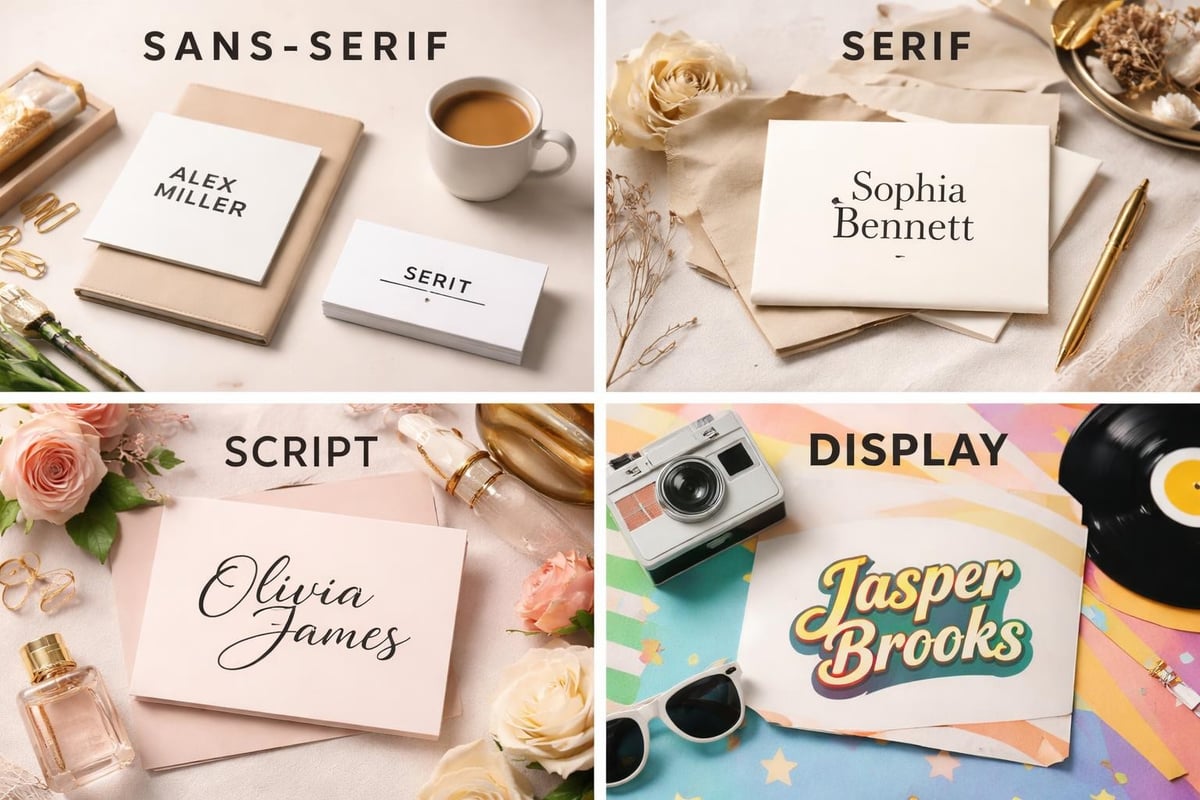
Script fonts add personality and artistic flair to name personalization, perfect for casual events, family gatherings, or gift items. However, these decorative typefaces require careful consideration regarding readability and production method.
Important considerations for script fonts:
The top custom t-shirt trends for 2025 highlight increasing demand for personalized typography that blends digital precision with handcrafted aesthetics.
Bold, decorative fonts make statements and capture attention, ideal for event t-shirts, promotional apparel, or creative projects. These typefaces work best for larger placements where intricate details remain visible and impactful.
When using display fonts for a name on tshirt, ensure the style aligns with the overall design theme and target audience. Sports teams might choose athletic block letters, while music festivals often prefer grunge or artistic styles that reflect their brand identity.
Color choices for names affect both visual impact and production considerations. Strategic color selection ensures names stand out while maintaining cohesive design aesthetics.
The fundamental principle for readable name designs involves creating sufficient contrast between text and background colors. Dark names on light shirts and light names on dark shirts provide optimal visibility.
| Background Color | Recommended Name Colors | Avoid |
|---|---|---|
| White/Light | Black, Navy, Dark Red | Yellow, Light Gray |
| Black/Dark | White, Yellow, Light Blue | Dark Gray, Navy |
| Red | White, Yellow, Black | Orange, Pink |
| Royal Blue | White, Yellow, Silver | Light Blue, Purple |
Consider how a name on tshirt will appear in various lighting conditions, particularly for safety wear or event apparel used outdoors or in low-light environments.
Incorporating multiple colors into name designs creates visual interest but requires careful planning based on the chosen production method. Screen printing charges per color, while DTG and embroidery accommodate multiple colors more flexibly.
Effective multi-color strategies include:
Modern printing and embroidery technologies enable specialty color finishes that elevate standard name personalization. Metallic threads, glow-in-the-dark inks, and reflective vinyl create unique effects perfect for specific applications.
Safety workwear benefits from reflective names that enhance visibility in low-light conditions. Event t-shirts for evening activities might incorporate neon and glow-in-the-dark designs that create memorable impressions and practical functionality.
Proper sizing ensures names remain readable and aesthetically balanced on any garment style or size. Understanding proportional relationships prevents designs from appearing too small or overwhelming.
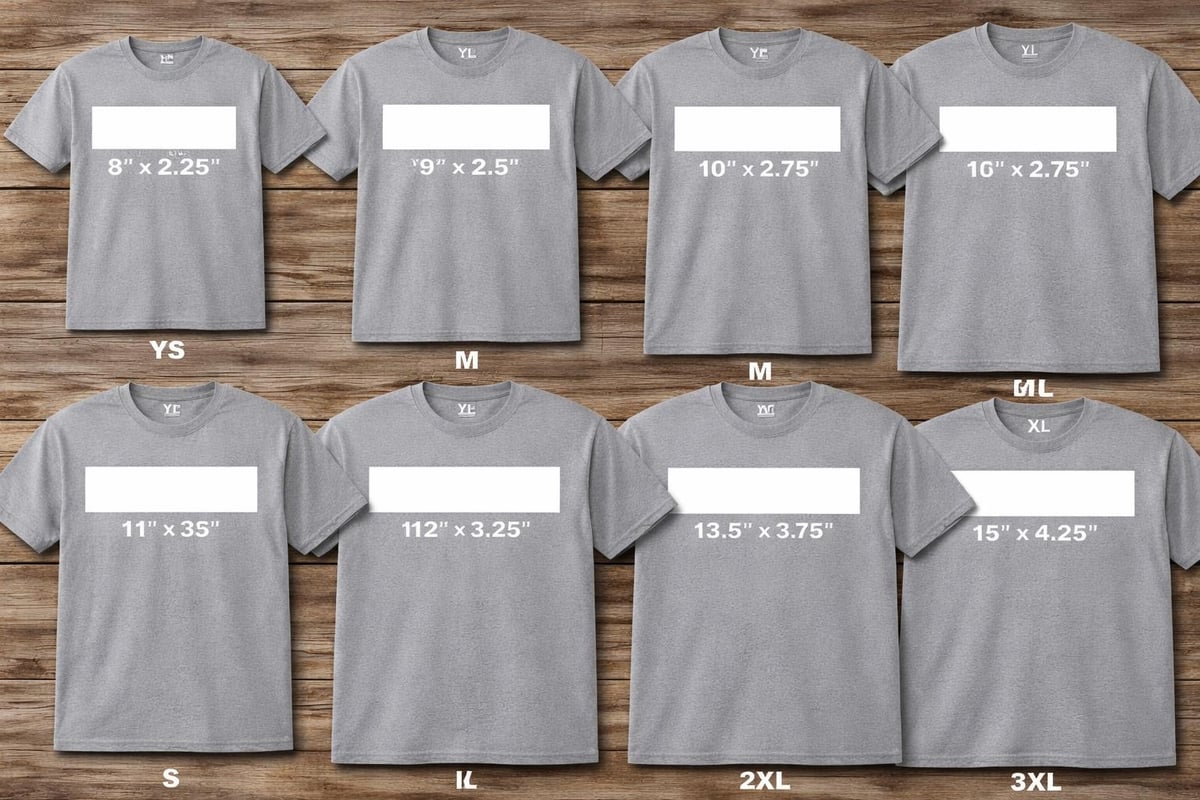
Industry standards provide helpful starting points for determining appropriate name sizes based on placement location and garment type:
Chest placement: 3-4 inches wide, 1-1.5 inches tall
Back shoulder: 10-12 inches wide, 2-3 inches tall
Full back: 10-14 inches wide, 3-5 inches tall
These dimensions work for adult medium sizes and should be scaled proportionally for smaller or larger garments. Youth and children's sizes typically require 20-30% size reduction to maintain appropriate proportions.
A name on tshirt must scale appropriately across size ranges to maintain consistent visual impact. What appears perfect on a medium shirt might seem too large on a small or too small on a 3XL.
Creating size-specific designs ensures optimal appearance across your entire inventory. Professional custom apparel providers typically maintain different design files for youth, adult, and extended sizes, adjusting letter heights and overall dimensions accordingly.
Different use cases require tailored approaches to name personalization that address specific functional and aesthetic requirements.
Professional workwear demands clean, consistent name presentations that reinforce brand identity. Businesses typically standardize fonts, colors, and placement across all employee garments to maintain cohesive visual branding.
When creating a name on tshirt for corporate use, consider including job titles or department names alongside individual names. This additional information aids customer interactions and internal organization, particularly in larger companies or customer-facing roles.
Team jerseys balance individual identification with collective branding. Names typically appear on the back shoulder or upper back area, often accompanied by player numbers and team logos.
Athletic applications prioritize durability and flexibility, as sports garments endure frequent washing, stretching, and physical activity. Screen printing and high-quality embroidery provide the resilience required for intensive athletic use while maintaining professional appearance throughout the season.
School apparel serves dual purposes of identification and fostering community belonging. Names help teachers and administrators quickly identify students while creating sense of ownership over uniform items.
Many schools explore our school uniform options that incorporate embroidered names for long-term durability. The investment in quality name personalization reduces replacement costs and maintains professional appearance throughout academic years.
Events ranging from charity runs to corporate team-building activities use named t-shirts to create memorable experiences and foster participant engagement. These applications often embrace creative freedom in font selection, color schemes, and placement options.
Event organizers frequently incorporate participant names alongside event branding, dates, and thematic graphics. The trends in custom t-shirt designs for 2024 emphasize bold statements and personalization that make event apparel collectible keepsakes rather than disposable promotional items.
Ensuring every name on tshirt meets quality standards requires systematic testing and quality control processes throughout production.
Always review digital proofs before authorizing full production runs. This critical step allows you to verify:
Professional custom apparel providers offer detailed proof approval processes that include digital mockups showing exactly how finished garments will appear. Taking time to carefully review these proofs prevents costly mistakes and ensures customer satisfaction.
For large orders or new design launches, producing sample garments helps identify potential issues before full-scale production. Test samples undergo washing and wear cycles to verify durability, color fastness, and overall quality.
This testing phase proves particularly valuable when introducing new printing methods, specialty materials, or complex designs. A single sample investment prevents entire batch failures and maintains your reputation for quality custom apparel.
Quality control doesn't end when production completes. Systematic inspection of finished garments ensures every piece meets established standards before reaching customers.
Inspection checklist items include:
Proper care instructions help customers maintain the appearance and longevity of their personalized apparel. Providing clear guidance demonstrates professional service and reduces premature wear complaints.
Different personalization methods require specific care approaches to maximize durability:
Screen printed names: Wash inside-out in cold water, tumble dry low, avoid bleach
DTG printed names: Machine wash cold, hang dry or low heat, turn inside-out
Embroidered names: Machine wash warm, tumble dry medium, no special precautions needed
HTV names: Wash inside-out in cold water, hang dry preferred, avoid high heat
Including care tags or instruction cards with each order helps customers understand proper maintenance for their specific name on tshirt method.
When not being worn, personalized t-shirts should be stored properly to prevent premature wear or damage to name designs. Folding rather than hanging prevents stretching, while storing in cool, dry locations prevents moisture-related deterioration.
For embroidered names, avoid stacking heavy items on top of folded garments, as prolonged pressure can flatten thread details. Printed names benefit from avoiding direct sunlight during storage, which can cause premature fading over time.
The custom apparel industry continuously evolves with new technologies, design aesthetics, and consumer preferences shaping how people approach name personalization.
Clean, simple name designs align with broader minimalist fashion trends gaining popularity throughout 2026. Single-color names in sophisticated sans-serif fonts create timeless appeal that transcends temporary style fluctuations.
This approach to adding a name on tshirt emphasizes quality over complexity, allowing the personalization to enhance rather than dominate overall garment aesthetics. The emphasis on minimalist designs reflects growing consumer appreciation for understated elegance.
Nostalgic design elements continue influencing custom apparel, with vintage-inspired fonts and distressed finishes creating throwback appeal. Names rendered in 1970s-style script or 1980s athletic block letters tap into cultural nostalgia while maintaining contemporary relevance.
These retro approaches work particularly well for reunion events, anniversary celebrations, or brands seeking to establish heritage authenticity. The resurgence of punk aesthetics and retro designs demonstrates enduring appeal of vintage-inspired personalization.
Advances in printing technology enable increasingly sophisticated name personalization options. AI-generated custom fonts, variable data printing for mass customization, and augmented reality preview tools transform how customers design and order custom apparel.
The integration of AI-collaborative art extends beyond graphics into typography creation, allowing customers to generate unique fonts specifically designed around individual names or brand identities.
Environmental consciousness influences personalization choices, with customers increasingly requesting water-based inks, organic cotton garments, and sustainable production methods. Adding a name on tshirt using eco-friendly processes appeals to environmentally aware consumers without compromising quality or appearance.
Professional custom apparel providers now offer comprehensive sustainable options, from garment selection through printing methods and packaging materials, addressing growing demand for environmentally responsible personalization.
Streamlined ordering processes ensure accurate, efficient production of personalized apparel while maintaining high customer satisfaction.
Gathering accurate name information from multiple individuals requires organized systems that prevent errors and confusion. Spreadsheet templates, online forms, or dedicated ordering platforms help collect:
Clear communication during information collection prevents production delays and ensures every name on tshirt appears exactly as intended.
Understanding how order quantities affect per-unit pricing helps customers make informed decisions about their custom apparel investments. Most providers offer tiered pricing with lower per-garment costs for larger orders.
| Quantity Range | Price Per Shirt | Best For |
|---|---|---|
| 1-11 pieces | Premium pricing | Individual gifts, samples |
| 12-23 pieces | Mid-tier pricing | Small teams, events |
| 24-49 pieces | Volume discount | Departments, clubs |
| 50+ pieces | Best pricing | Large organizations, retail |
Production timelines vary based on personalization method, order complexity, and current production schedules. Standard turnaround times typically range from 7-14 business days, with rush services available for urgent needs.
Complex projects involving embroidery, multiple print locations, or extensive customization may require additional production time. Professional providers communicate realistic timelines during the ordering process, ensuring customers receive their personalized apparel when needed.
Creating the perfect name on tshirt involves balancing aesthetic preferences with practical considerations like printing method, durability requirements, and intended use. Whether you're outfitting a corporate team, personalizing athletic jerseys, or creating memorable event apparel, understanding these design principles ensures professional results that stand the test of time. With over 10 years of experience in custom printed and embroidered clothing, OK T-Shirt brings Birmingham-based expertise to every personalization project, combining fast turnaround times with exceptional quality that makes your custom apparel truly distinctive.
OK T-Shirt
126 Beeches Rd
Birmingham
B42 2HQ
