Cheap Printed T-Shirts UK: Quality & Value Guide 2026
Discover how to source cheap printed t-shirts UK without compromising…
Personalised clothing is changing how we express ourselves and update our wardrobes in 2025. The trend for custom apparel is booming, fuelled by new technologies and a growing desire for individuality. Whether you want to make a statement, promote your business, or create lasting memories at special events, standing out has never been more important.
This essential handbook will guide you through the world of personalised clothing. You will learn about the latest personalisation options, how to choose the right garments, expert design tips, sustainability choices, and emerging trends. Get ready to make confident, informed decisions about your personalised clothing journey in 2025.
Personalised clothing is no longer a niche interest. In 2025, it has become a central part of fashion and branding, reflecting individual tastes and collective identities. This section explores the dynamic market forces, consumer motivations, and ethical considerations shaping the personalised clothing landscape.

Demand for personalised clothing has soared across all age groups in the UK. Social media platforms, from Instagram to TikTok, showcase influencers and celebrities setting trends with unique, custom pieces. This visibility has led to a boom in items such as custom slogan tees, embroidered hoodies, and branded activewear.
The desire for self-expression is at the heart of this movement. People want to stand out and share their stories through what they wear. As a result, personalised clothing is now seen everywhere, from music festivals to charity events, reflecting both individuality and group identity.
Advancements in digital printing and embroidery are making personalised clothing more accessible and affordable. Online design tools allow users to visualise and customise garments instantly, while AI-driven platforms recommend styles based on trends and personal preferences.
Market data highlights this rapid growth. According to UK Customizable Clothing Market Growth, the market is projected to grow from USD 2.14 billion in 2024 to USD 4.79 billion by 2033, with a CAGR of 9.33 percent during 2025 to 2033.
| Year | UK Personalised Clothing Market Value (USD Billion) |
|---|---|
| 2024 | 2.14 |
| 2033 | 4.79 |
These technological and market trends are shaping the future of personalised clothing.
A variety of motivations drive the popularity of personalised clothing. Key reasons include:
Millennials and Gen Z are the leading adopters, valuing authenticity and personal connection. Products such as personalised school uniforms and corporate workwear are especially popular in these groups. The appeal of personalised clothing continues to grow as these demographics seek both style and meaning in their wardrobes.
Businesses and event organisers increasingly turn to personalised clothing for marketing and unity. Custom uniforms help staff stand out and reinforce brand identity, while sports teams and clubs use personalised kits to foster team spirit.
Local SMEs have seen success using branded apparel at trade shows and community events. Company spending on branded clothing has increased significantly in recent years, reflecting a shift towards experiential marketing. Personalised clothing is now a key asset for both large corporations and small businesses looking to make a memorable impression.
Sustainability is an essential concern in the personalised clothing sector. Consumers are seeking eco-friendly materials such as organic cotton and recycled polyester. Ethical manufacturing practices and transparent supply chains are becoming standard expectations.
Data shows a rise in consumer preference for sustainable garments, driven by environmental awareness. Brands offering ethical options stand out in the market. As demand grows, the personalised clothing industry is responding with innovative materials and responsible production processes, ensuring fashion can be both unique and sustainable.
Personalised clothing is more diverse and accessible than ever, offering options to suit every style, need, and occasion. From everyday essentials to specialist uniforms, the world of personalised clothing caters to individuals, teams, schools, and businesses seeking to make a statement or strengthen group identity.

Printed and embroidered T-shirts and hoodies remain the most popular forms of personalised clothing in 2025. These wardrobe staples are chosen for their versatility and ability to showcase unique designs, slogans, or brand identities. Everyday apparel is ideal for everything from fashion-forward statements to group events, charity fundraisers, or team celebrations.
Festival and charity event T-shirts, as well as custom slogan hoodies, are in high demand. If you want to explore how these garments are shaping trends and branding in the UK, Personalised T-Shirts and Hoodies offers a comprehensive look at their impact.
Personalised clothing in this category is perfect for expressing individuality or promoting a cause.
Custom workwear and uniforms provide a professional appearance while reinforcing brand identity for businesses of all sizes. Personalised clothing options include polos, jackets, aprons, and hi-vis wear, all tailored with logos, staff names, or unique colour schemes.
In sectors like hospitality and construction, branded uniforms foster team unity and make staff easily recognisable. Many companies use personalised clothing to enhance their public image and ensure consistency across locations.
This approach is especially valuable for small businesses aiming for a cohesive and trustworthy presence.
Personalised clothing is indispensable for sports teams and clubs, supporting both team spirit and sponsorship opportunities. From jerseys and training tops to tracksuits, every item can be customised with player names, numbers, and club logos.
Local football and rugby teams often invest in fully branded kits, boosting morale and creating a strong sense of belonging. Sponsors also benefit from increased visibility through these custom designs.
Personalised clothing for sports ensures every team stands out on and off the field.
Customisation is a growing trend in school and college apparel. Personalised clothing includes embroidered school uniforms, leavers’ hoodies, and clubwear, all designed to reflect school identity and celebrate milestones.
Graduation and alumni garments are increasingly popular, with unique touches like embroidered badges and student names. These items foster community spirit and provide lasting keepsakes for students.
Personalised clothing in educational settings helps build pride and a sense of unity among pupils and staff.
The personalised clothing market extends far beyond garments, offering a wide range of accessories and novelty items. Popular choices include hats, bags, socks, and even face masks, all tailored for specific events, promotional campaigns, or as thoughtful gifts.
Custom tote bags are especially favoured for events and giveaways, providing both practical value and memorable branding. Novelty items offer creative ways to showcase logos, slogans, or artwork for personal or business use.
Personalised clothing accessories complete the experience, allowing for full customisation from head to toe.
Selecting the ideal personalised clothing involves more than picking a T-shirt and adding a logo. Each decision, from garment choice to design upload, shapes the final result. This step-by-step guide helps you make informed choices at every stage, ensuring your personalised clothing stands out for all the right reasons.
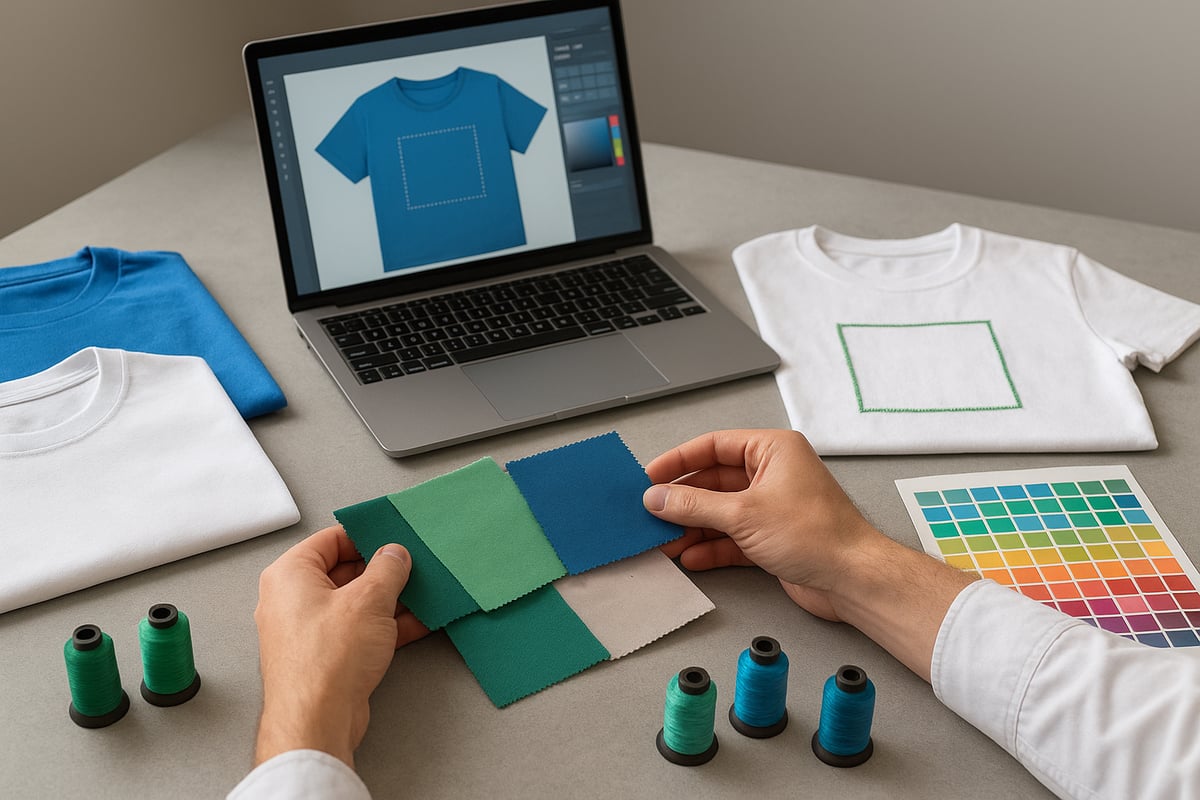
Start by clarifying the reason for your personalised clothing project. Are you creating items for a business launch, a sports team, a special event, or as a unique gift? Understanding the intended use influences every choice that follows.
Think about the audience. For a fun event like a stag or hen party, bold graphics and playful slogans work well. For corporate uniforms, focus on professionalism and brand consistency. Personalised clothing should reflect the needs and preferences of its wearers.
Next, consider which garments best suit your purpose. T-shirts, hoodies, and polos are popular, but options like jackets or aprons may be more suitable for certain industries. Assess fabric types, such as cotton for comfort, blends for durability, or technical fabrics for sports.
Fit and durability are crucial. For everyday wear, look for breathable materials. For workwear, heavier cotton or reinforced fabrics offer longevity. Choosing the right garment ensures your personalised clothing remains comfortable and practical.
The method you choose impacts both appearance and longevity. Common techniques include screen printing, direct-to-garment (DTG) printing, embroidery, and heat transfer. Each has its own strengths:
| Technique | Pros | Cons |
|---|---|---|
| Screen Print | Cost-effective for bulk orders | Limited colour detail |
| DTG | High detail, photo-quality prints | Best on cotton, slower process |
| Embroidery | Durable, premium finish | Not ideal for complex images |
| Heat Transfer | Versatile, suitable for small runs | May crack or fade over time |
For school uniforms and similar items, see this Guide to Customising School Uniforms for detailed pros and cons of each method.
Strong design is at the heart of memorable personalised clothing. Use high-resolution images, clear fonts, and well-chosen colours for best results. Placement matters, too—ensure logos are visible on both light and dark garments.
Online design tools and templates make it easier to experiment before you commit. Always preview your design on the selected garment type to confirm the look is exactly as you intend.
Getting the right size is vital, especially for teams or group events. Use sizing charts provided by your supplier and consider ordering samples if possible. For large orders, bulk purchasing often brings cost savings and ensures consistency across garments.
Planning ahead helps avoid last-minute issues. For events, order a mix of the most common sizes and allow extra time for any adjustments.
Before production, review digital proofs and, if possible, request a physical sample. Check every detail: spelling, logo placement, colour accuracy, and image resolution. A simple checklist can prevent costly mistakes:
Taking time at this stage ensures your personalised clothing meets expectations.
Budgeting for personalised clothing depends on garment type, personalisation technique, and order quantity. Embroidery and premium fabrics tend to cost more, while bulk orders often lower the price per item.
Delivery timelines vary. Standard production might take one to two weeks, but express services are available for tight deadlines. Always confirm lead times with your supplier to avoid disappointment.
The world of personalised clothing in 2025 is brimming with creativity and innovation. Whether you are designing for yourself, a business, or a special event, staying ahead of the latest trends ensures your custom garments make an impact. Explore the freshest inspirations and expert advice to create memorable pieces that truly reflect individuality.
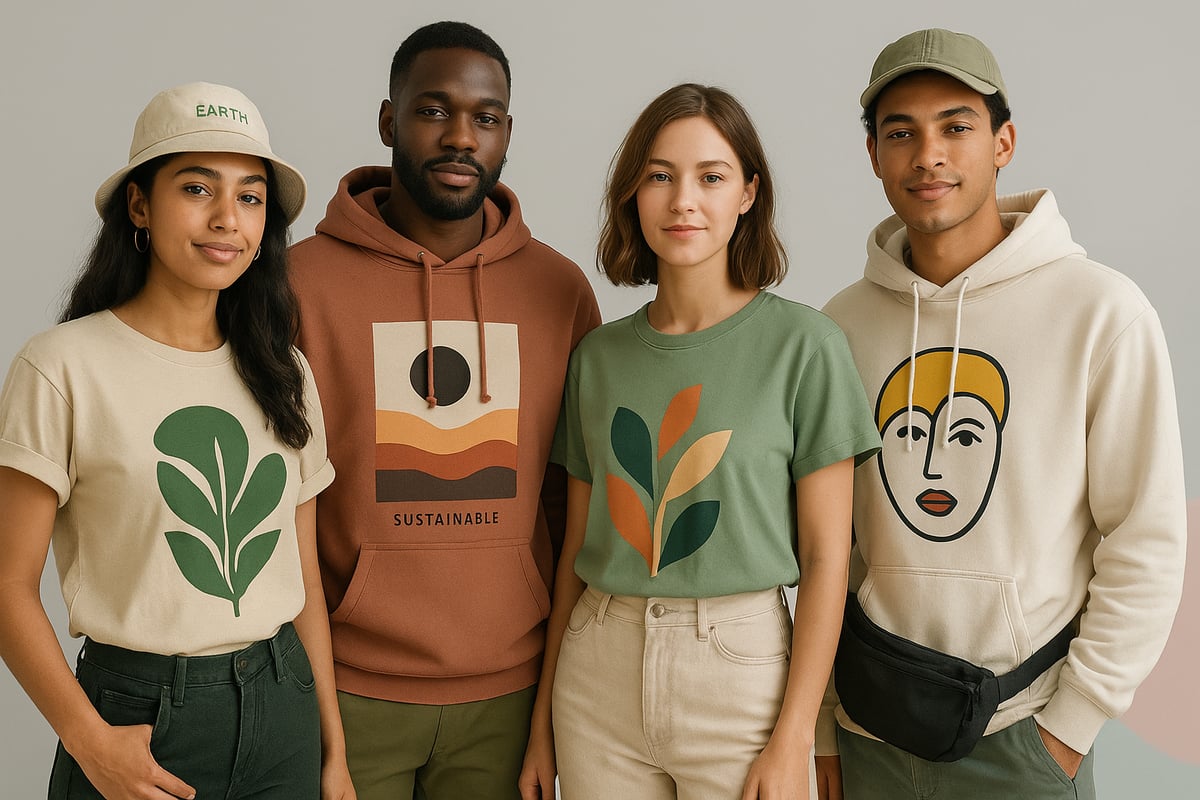
Personalised clothing is embracing bold new directions in 2025. Popular motifs include striking typography, retro-inspired graphics, and minimalist logos. Designers are drawing inspiration from pop culture, sports, and social movements, resulting in pieces that feel both current and meaningful.
These trends ensure that personalised clothing remains a powerful tool for self-expression. Whether you are after nostalgia or making a statement, there is a design trend to suit every taste and purpose.
Colour is central to the appeal of personalised clothing. This year, expect to see a mix of pastels, vibrant neons, and grounding earth tones. Pairing the right colour with quality materials enhances both the look and longevity of your garments.
Material choice is just as crucial. Organic cotton and recycled polyester are in high demand, reflecting the shift towards sustainability. For further insight on eco-friendly options, see the Rise of Sustainable Custom Tshirt Printing. Matching your design to the right fabric ensures comfort and durability.
Personalised clothing shines when tailored to the occasion. From weddings and birthdays to corporate events and festivals, the right design can elevate any gathering. Limited edition prints and seasonal themes are especially popular.
Considering the event’s mood and audience helps you create personalised clothing that is both memorable and appropriate. Always think about the occasion when selecting colours, motifs, and garment styles.
Inclusivity is a growing focus in personalised clothing design. Brands are creating garments that cater to all body types and abilities, ensuring everyone feels comfortable and represented.
By prioritising accessible features, personalised clothing becomes more welcoming and practical. This approach not only broadens appeal but also demonstrates a commitment to thoughtful, user-centred design.
Industry experts recommend balancing creativity with practicality in personalised clothing. Aim for clear, uncluttered graphics and colour combinations that enhance, not overwhelm, the garment.
Learning from common pitfalls helps ensure your personalised clothing stands out for all the right reasons. Take time to review proofs and seek feedback before finalising your order.
Sustainability is now at the heart of the personalised clothing industry. Consumers are increasingly aware of the environmental impact of their wardrobe choices, driving brands to adopt greener practices and ethical standards. In this section, you will discover how to make more responsible decisions when ordering personalised clothing, from selecting eco-friendly materials to supporting fair labour practices.
The demand for sustainable personalised clothing has led to a surge in organic, recycled, and biodegradable fabric options. Organic cotton, bamboo, and recycled polyester are now widely available for custom garments. These materials use less water and fewer chemicals during production, reducing the overall environmental footprint.
Water-based inks and low-impact dyes have become standard in digital printing and garment decoration. Innovations in fibre development are driving the industry forward, as seen in the latest Sustainable Textile Innovations. Choosing these options ensures your personalised clothing has a smaller environmental impact, while still delivering vibrant, long-lasting results.
Ethical sourcing is a crucial aspect of responsible personalised clothing. Leading suppliers now prioritise transparency in their supply chains, offering certifications such as Fairtrade and GOTS (Global Organic Textile Standard). These certifications guarantee fair wages, safe working conditions, and environmentally friendly production.
In the UK, a growing percentage of consumers actively seek ethical brands when ordering personalised clothing. By supporting suppliers with clear standards and third-party certifications, you contribute to a more just and equitable industry. Look for brands that publish their ethical commitments and regularly audit their manufacturing partners.
Traditional fashion models often result in surplus stock and waste. In contrast, the personalised clothing sector is embracing on-demand production, which only manufactures items as they are ordered. This approach cuts down on unsold inventory and reduces landfill waste.
Many brands now offer recycling and upcycling initiatives, encouraging customers to return old personalised clothing for repurposing. These schemes help close the loop, extending the life cycle of garments and minimising environmental harm. Choosing on-demand and recycling-friendly providers is an effective way to support a circular economy.
As a consumer, you play a vital role in the sustainability of personalised clothing. Select garments made from certified organic, recycled, or biodegradable materials. Pay attention to care instructions, such as washing at lower temperatures and air-drying, to prolong the life of your custom pieces.
Dispose of unwanted personalised clothing responsibly, either by donating, recycling, or upcycling. Making conscious choices at every stage, from purchase to disposal, ensures your wardrobe stays both stylish and sustainable.
Personalised clothing is entering a new era, with innovation shaping every aspect of the industry. In 2025, technology, sustainability, and shifting consumer needs are driving remarkable change. Let us explore the key trends set to redefine personalised clothing and what they mean for your wardrobe and business.
The integration of technology into personalised clothing is gaining momentum. Garments now feature NFC tags and QR codes, enabling instant access to exclusive content or event information with a simple scan. Health sensors are also being woven into fabrics, providing real-time wellness data for the wearer.
Imagine attending a festival where your T-shirt unlocks behind-the-scenes videos or special offers. For businesses, branded uniforms can deliver training materials or company news directly through a quick scan. This convergence of fashion and tech is elevating the value and functionality of personalised clothing.
Artificial intelligence is transforming how personalised clothing is designed and produced. AI-driven platforms analyse user preferences, generating custom graphics and design recommendations within seconds. Automation is streamlining fulfilment, ensuring orders move rapidly from concept to completion.
Online tools now let you visualise your ideas instantly, while automated production lines reduce errors and speed up delivery. Whether you are a business or an individual, these advancements make it easier than ever to bring your vision for personalised clothing to life with minimal hassle.
Advances in technology are allowing for truly bespoke personalised clothing. Hyper-personalisation means fit, style, and design can all be tailored to individual preferences. 3D body scanning is becoming more accessible, ensuring garments fit perfectly and feel comfortable.
This shift is making personalised clothing more inclusive, catering to different body types and unique requirements. Mass customisation platforms enable users to tweak every detail, from fabric choice to colour and print, resulting in clothing that reflects personal identity and stands out from the crowd.
Sustainability is at the forefront of personalised clothing innovation. Emerging materials like lab-grown fibres and biodegradable prints are reducing the environmental footprint of fashion. Closed-loop production systems are being adopted, allowing garments to be recycled or composted at the end of their lifecycle.
Fashion brands are also experimenting with recycled ocean plastics and algae-based textiles. The field of Biodesign in Fashion is opening doors to microbial leather and other eco-friendly solutions, making it easier for consumers to choose sustainable personalised clothing without compromising on quality or style.
Consumers in 2025 expect more from personalised clothing than ever before. There is a growing demand for faster turnaround times, higher quality, and unique experiences. Online custom clothing orders are projected to rise, fuelled by platforms offering same-day design-to-doorstep services.
According to UK E-Commerce Apparel Market Trends, the market is set for significant growth, driven by AI and fast fashion models. As expectations evolve, brands must stay agile, delivering innovative personalised clothing solutions that meet the needs of a dynamic and discerning audience.
OK T-Shirt
126 Beeches Rd
Birmingham
B42 2HQ
