
Self-expression and individuality are at the heart of fashion’s biggest trend in 2025, making it the perfect time to explore the world of personalised printed shirts. This essential guide will clarify every aspect, from selecting the best materials and mastering design, to ordering, care, and maintenance. You will discover the latest shirt styles, advanced printing techniques, and step-by-step personalisation tips. Whether you want to stand out at events, promote a brand, or embrace sustainable choices, this guide will provide the insider knowledge you need to make your mark with personalised printed shirts.
The Rise of Personalised Printed Shirts in 2025
The world of fashion in 2025 is being transformed by a renewed focus on creativity and individual expression. Personalised printed shirts are at the forefront, offering wearers a chance to showcase their unique style. This evolution is not only reshaping wardrobes but also redefining how people connect with their clothing.
Evolution of Personalised Fashion
Printed shirts have a rich history, dating back to the early 20th century when screen printing first emerged. Over the decades, these garments became cultural icons, worn to make statements, support causes, or celebrate pop culture.
In recent years, the shift from mass production to individual customisation has accelerated. Consumers now demand clothing that reflects their identity, not just what is available on the high street. This trend has been amplified by social media platforms, where influencers and celebrities regularly debut their own personalised printed shirts, setting trends overnight.
By 2025, personalised printed shirts are more than just fashion items; they represent a movement towards self-expression and authenticity. The ability to choose designs, colours, and messages has made these shirts a symbol of individuality and empowerment.
Market Growth & Consumer Demand
The custom apparel market is experiencing rapid expansion, driven largely by millennials and Gen Z. These groups value personalisation, sustainability, and the ability to stand out. According to Global custom apparel market growth, the global market for custom apparel is projected to reach record levels in 2025, reflecting strong consumer interest.
Personalised printed shirts are in high demand for various occasions. People order them for events, team uniforms, business branding, and as unique gifts. The convenience of online design tools and print-on-demand services has made it easier than ever to create custom apparel.
Brands and individuals alike recognise the versatility of personalised printed shirts. They have become essential for anyone looking to make a memorable impression, whether at a family reunion or a corporate event.
Technological Advancements
Advancements in technology are revolutionising how personalised printed shirts are designed and produced. Digital printing offers vibrant colours and intricate details, making it suitable for complex graphics and photographic images. AI-driven design tools allow users to experiment with layouts, fonts, and colour schemes, ensuring their shirts truly reflect their vision.
Augmented reality (AR) is another game-changer. Shoppers can now preview how their design will look on a shirt before placing an order, reducing uncertainty and enhancing satisfaction. Many leading brands have integrated these technologies into their online platforms, offering a seamless customisation experience.
These innovations have lowered barriers to entry, enabling small businesses and individuals to participate in the personalised printed shirts market with minimal investment and maximum creativity.
Why Personalised Shirts Stand Out
Personalised printed shirts offer several compelling benefits. They give wearers a unique identity, allowing for creative freedom in design and messaging. The emotional connection formed with a custom shirt often surpasses that of mass-produced items.
For businesses, personalised printed shirts serve as powerful marketing tools. A local café, for example, might use custom shirts to boost brand recognition and foster team spirit. Data shows a significant increase in online searches for personalised printed shirts in the past year, highlighting their growing popularity.
Ultimately, these shirts provide an accessible way for anyone to express themselves, connect with others, and stay on trend in 2025.
Types of Personalised Printed Shirts and Materials
Personalised printed shirts offer limitless ways to showcase creativity and individuality. Choosing the right shirt type and material is essential for achieving the perfect look, feel, and lasting impression. Let’s break down the essential options and considerations for 2025.
Shirt Styles and Fits
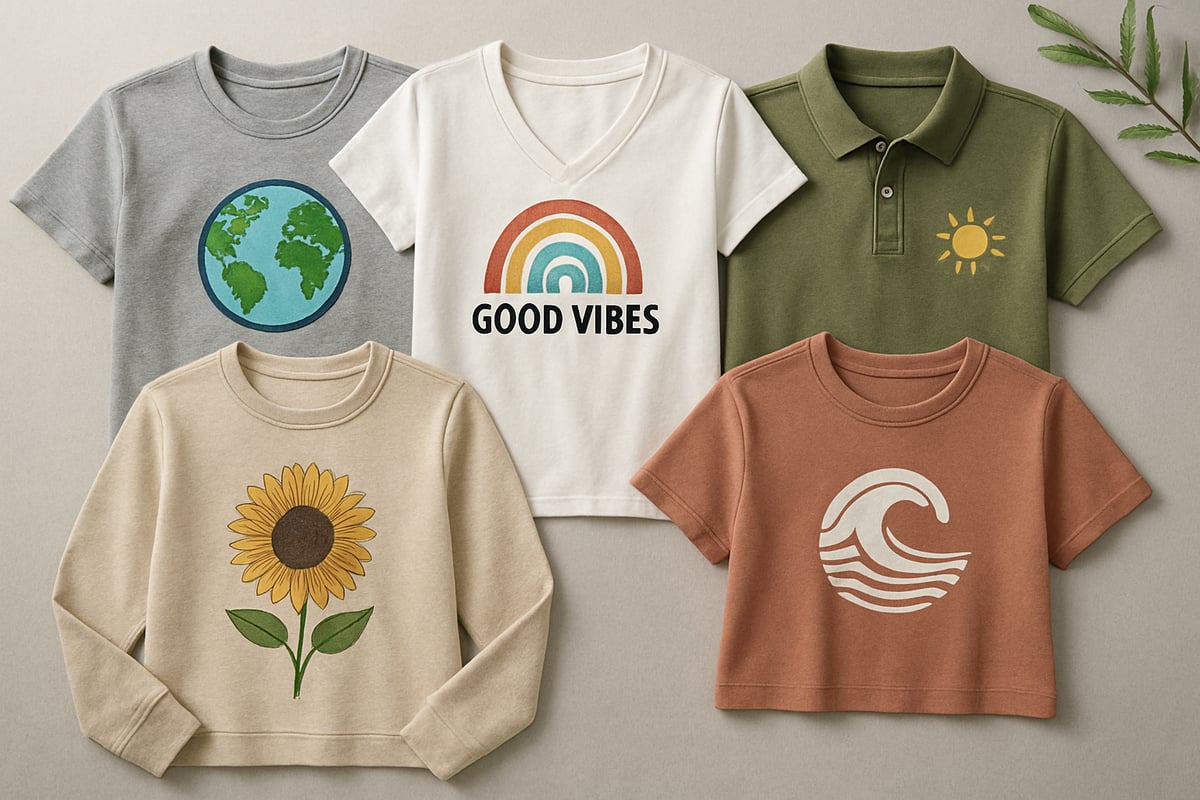
When selecting personalised printed shirts, the first decision is the style and fit. Popular options include:
- Crew neck: Timeless and versatile for both casual and event wear.
- V-neck: Offers a modern, flattering silhouette.
- Polo: Smart-casual, ideal for business branding or sports teams.
- Long sleeve: Perfect for cooler weather or layering.
- Crop tops: Trendy for youth and fashion-forward audiences.
Fits vary for unisex, men’s, women’s, and kids’ shirts. Unisex cuts are relaxed and suitable for most, while tailored fits cater to specific body shapes. For events, crew necks are a popular choice due to comfort, while polos are preferred for professional settings.
When exploring the many Types of T-Shirts Available, consider the occasion and audience. A team-building event may require cohesive unisex styles, whereas a sports club might opt for moisture-wicking performance shirts. Each fit and style influences how your design appears and how comfortable the wearer feels. Personalised printed shirts excel in versatility, making it easy to find the perfect option for any group or individual.
Material Choices and Their Impact
Material selection is crucial for personalised printed shirts. The most common fabrics are:
- 100% cotton: Soft, breathable, and ideal for everyday wear.
- Polyester: Durable, quick-drying, and excellent for sports or active use.
- Blends: Combine cotton’s comfort with polyester’s resilience.
- Sustainable fabrics: Organic cotton, bamboo, and recycled fibres are increasingly popular.
Each material affects comfort, print quality, and longevity. Cotton is prized for softness and vibrant prints, while polyester excels in durability and shape retention. Blends offer a balanced solution, making them a frequent choice for versatile applications.
Consumer trends in 2025 show a marked shift towards eco-friendly materials. Many seek organic cotton or recycled options to align with sustainability goals. The right material ensures personalised printed shirts remain comfortable and visually striking after repeated use. Always check care instructions, as some fabrics require gentler washing to maintain print integrity.
Printing Compatibility
Not all materials are equally suited for every printing method. The best results for personalised printed shirts depend on matching fabric to technique:
- Cotton: Works well with screen printing, digital printing, and embroidery. Delivers bold colours and detail.
- Polyester: Optimal for sublimation printing, as the ink bonds well for lasting vibrancy.
- Blends: Compatible with most methods, but results may vary based on fibre ratio.
Material choice directly impacts colour vibrancy and print lifespan. For example, digital printing on cotton yields crisp, photo-quality images, while sublimation on polyester ensures designs stay bright after many washes.
Common mistakes include choosing heavy fabrics for summer events or selecting incompatible materials for complex designs. Always consult your print provider for recommendations, ensuring your personalised printed shirts look their best and last as intended.
Modern Printing Techniques Explained
In 2025, the world of personalised printed shirts is shaped by innovative printing methods that deliver stunning results for every need. Understanding how each technique works is essential for anyone looking to achieve the perfect custom shirt, whether for events, branding, or personal style.
Screen Printing vs. Digital Printing
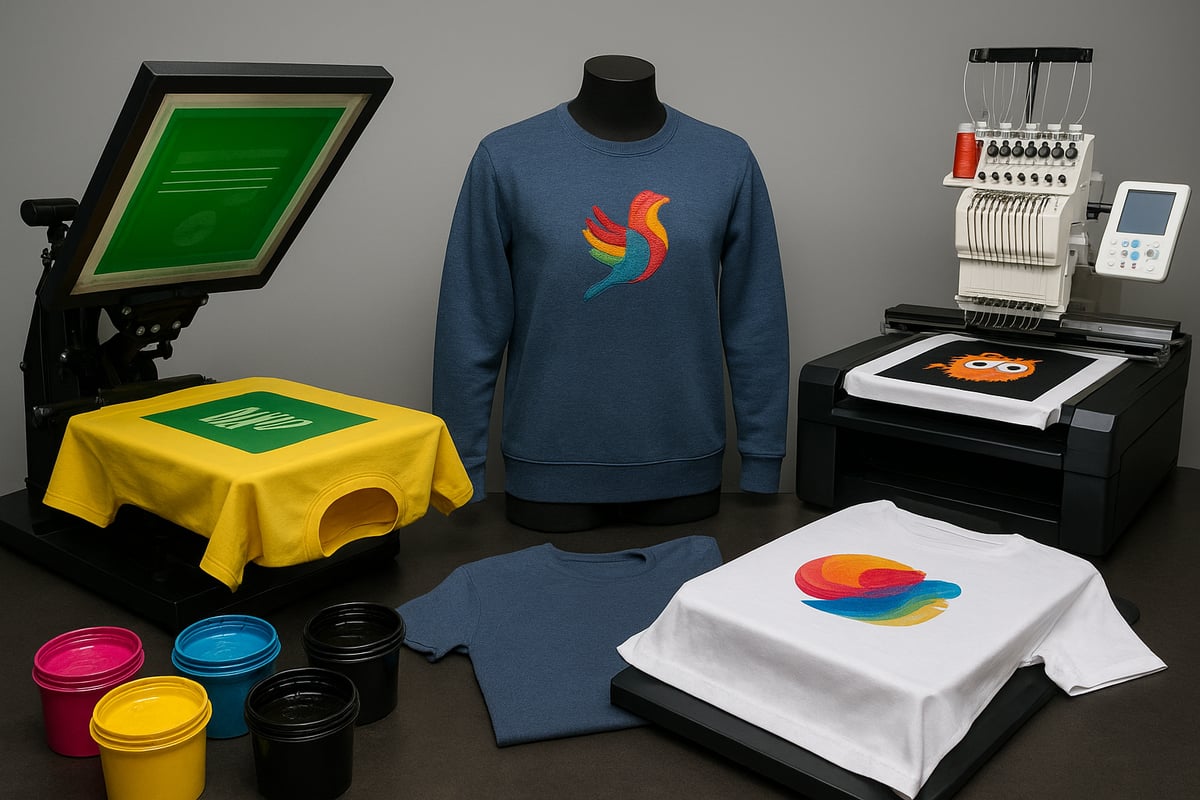
When it comes to personalised printed shirts, two of the most popular methods are screen printing and digital printing. Both offer unique advantages, but the best choice depends on your goals and design.
Screen printing involves pressing ink through a mesh screen onto the shirt. This method is ideal for large batches with simple, bold designs. It provides excellent colour vibrancy and durability, making it a favourite for sports teams and events.
Digital printing, also known as direct-to-garment (DTG), uses specialised inkjet technology to print designs directly onto fabric. This technique excels at producing photo-realistic images and intricate details, perfect for one-off shirts or small batches.
| Feature | Screen Printing | Digital Printing |
|---|---|---|
| Best for | Bulk orders | One-offs, small runs |
| Design complexity | Simple, bold | Detailed, multi-colour |
| Colour vibrancy | High | Very high |
| Durability | Excellent | Good |
| Cost-effectiveness | High (bulk) | High (small batches) |
Choosing between these two depends on your design and quantity. For personalised printed shirts with complex graphics, digital printing is often the preferred option, while screen printing remains the standard for large, uniform orders.
Sublimation, Embroidery, and Other Methods
Beyond the mainstays, several other techniques play a vital role in the world of personalised printed shirts. Sublimation printing uses heat to transfer dye directly into polyester fabrics, resulting in vivid, all-over prints that never crack or peel. This is ideal for sportswear and vibrant, edge-to-edge designs.
Embroidery offers a tactile, premium finish by stitching designs directly onto the garment. This method is perfect for logos and branding where texture and longevity matter most. Vinyl printing and heat transfer involve applying cut or printed designs with heat and pressure, suitable for bold graphics and quick turnaround.
Direct-to-garment (DTG) printing is gaining ground for its ability to handle full-colour images on cotton shirts. According to market data, DTG and sublimation are rapidly increasing their share as customers demand more variety in personalised printed shirts.
Each method has its own strengths, and understanding these options helps you select the right technique for your project.
Choosing the Right Printing Technique
Selecting the best process for personalised printed shirts involves several factors. Consider design complexity, order size, budget, and required turnaround. For instance, screen printing suits simple graphics in bulk, while digital and DTG excel at detailed, colourful images for smaller orders.
Key decision points include:
- Design intricacy and number of colours
- Fabric type and compatibility
- Quantity needed and budget constraints
- Desired print durability and feel
Common misconceptions include the belief that all prints fade quickly. In reality, modern techniques, when matched to the right material, can deliver long-lasting results. Consulting with a reputable provider, such as Custom T-Shirt Printing Birmingham, ensures you receive expert guidance tailored to your needs.
Choosing wisely not only improves the quality of your personalised printed shirts but also ensures satisfaction from the first wear to the last wash.
Step-by-Step Guide to Designing Your Personalised Shirt
Designing personalised printed shirts is both an art and a science. Whether you are a business, school, or individual, following a structured process ensures your final shirt is stylish, comfortable, and meaningful.
Step 1: Define Your Purpose and Audience
Begin by clarifying why you need personalised printed shirts. Is it for a sports team, corporate promotion, family event, or personal use? Knowing your purpose helps tailor every decision.
Identify your target audience. Consider age, gender, interests, and preferences. For example, shirts for a youth sports club may need bright colours and breathable fabrics, while a corporate giveaway might require subtle branding and classic styles.
List your objectives. Do you want to promote unity, advertise a brand, or simply express yourself? This clarity shapes your design and material choices.
A clear purpose ensures your personalised printed shirts resonate with wearers and achieve your intended outcome.
Step 2: Choose the Right Shirt and Material
Selecting the ideal shirt type and material is crucial for both comfort and appearance. Popular options include crew neck, v-neck, polo, long sleeve, and crop tops. Consider the intended use, climate, and audience preferences.
Here is a quick comparison of common materials:
| Material | Comfort | Durability | Print Quality | Eco-Friendly |
|---|---|---|---|---|
| Cotton | High | Medium | Excellent | Yes |
| Polyester | Medium | High | Good | Limited |
| Blends | High | High | Good | Varies |
| Bamboo | High | Medium | Good | Yes |
For summer events, lightweight cotton is a top choice. For sports or active wear, moisture-wicking polyester or blends may be better. Eco-friendly options like organic cotton or bamboo are increasingly popular for personalised printed shirts.
Avoid heavy fabrics for outdoor summer events and consider the print method compatibility of your chosen material.
Step 3: Craft Your Design
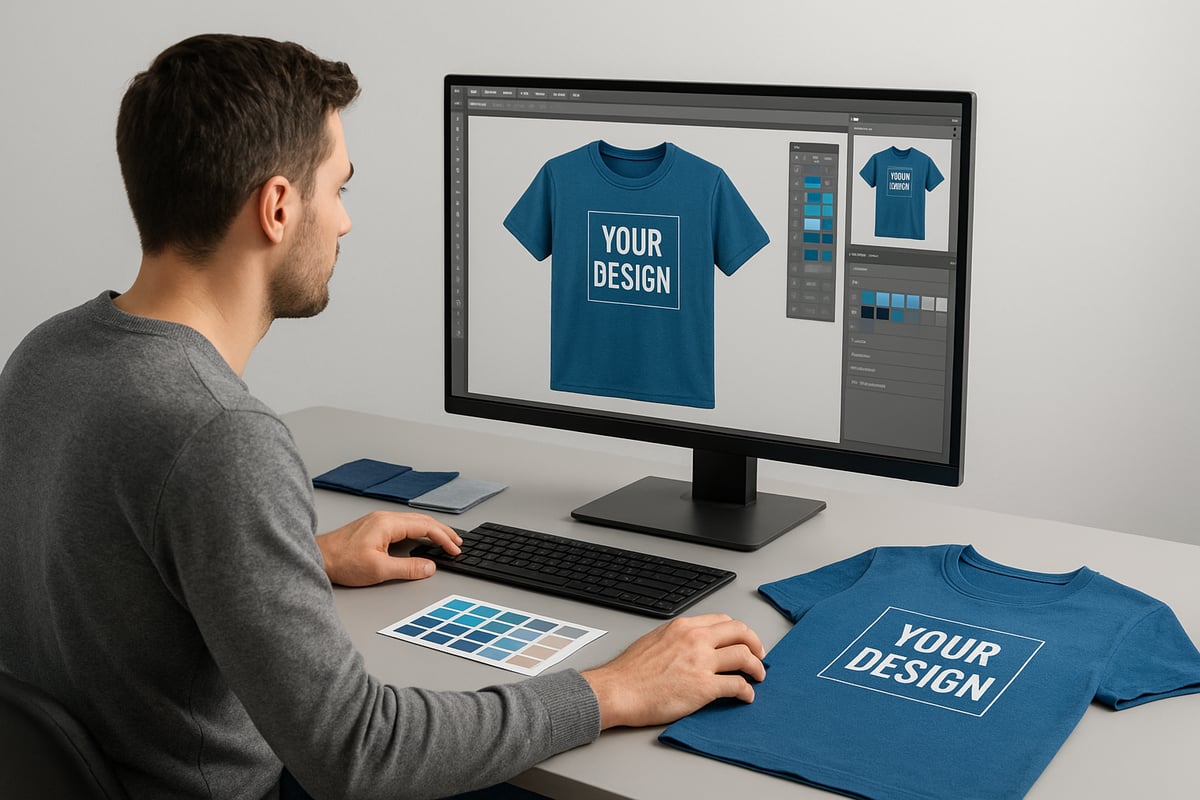
A successful design is both eye-catching and aligned with your purpose. Use clear graphics, bold typography, and concise slogans. Consider the colour palette, ensuring high contrast between text and background for readability.
Explore online design platforms and templates for inspiration. If you need ideas or want to see what works in practice, check out Shirt Printing Examples and Inspiration.
Key tips:
- Keep designs simple for small logos or large orders.
- Test your design at actual size before printing.
- Use high-resolution images for the best results.
By focusing on these elements, your personalised printed shirts will stand out and deliver your message effectively.
Step 4: Select the Printing Technique
Choosing the right printing method depends on your design, budget, and order size. The main options include screen printing, digital printing, embroidery, sublimation, vinyl, and heat transfer.
- Screen printing: Ideal for large orders and simple designs.
- Digital printing: Best for complex, photo-realistic artwork or smaller batches.
- Embroidery: Offers a premium, textured finish for logos and monograms.
- Sublimation: Suitable for all-over prints on polyester fabrics.
Check print compatibility with your chosen material and design complexity. For premium results, embroidery is suitable for company polos or high-end gifts.
Using the right technique ensures your personalised printed shirts match your expectations in both look and feel.
Step 5: Place Your Order and Review Proofs
Once your design and materials are finalised, communicate clearly with your print provider. Provide detailed specifications, including colours, sizes, and quantities.
Always request a digital proof or sample before full production. Carefully review for spelling, alignment, and colour accuracy.
Common errors to avoid:
- Overlooking typos in slogans.
- Ignoring placement on the shirt.
- Failing to check colour accuracy on different screens.
Taking care at this stage helps you avoid disappointment and ensures your personalised printed shirts turn out exactly as intended.
Step 6: Care and Maintenance
Proper care extends the life and vibrancy of your personalised printed shirts. Always follow the care instructions specific to both the material and print type.
General tips:
- Wash shirts inside out in cold water.
- Avoid bleach and harsh detergents.
- Iron on the reverse side, avoiding printed areas.
Different materials and printing methods may have unique requirements. For example, embroidery is generally more durable, while digital prints may require gentler washing.
With the right care, personalised printed shirts can maintain their colour and structure for years, providing lasting value and enjoyment.
Personalised Shirt Style Inspiration and Trends for 2025
Personalised printed shirts are at the heart of 2025's fashion revolution, offering a unique canvas for self-expression and creativity. This year, style inspiration is more dynamic than ever, with custom shirts reflecting the pulse of society, technology, and individual flair.
Trending Designs and Themes
In 2025, the most sought-after personalised printed shirts feature striking retro graphics, minimalist patterns, and bold, oversized typography. These designs are inspired by both nostalgia and a forward-thinking aesthetic, blending vintage elements with futuristic vibes.
Pop culture continues to shape shirt trends, with references to films, music, and viral internet moments appearing on garments everywhere. Activism also plays a prominent role, as many choose shirts to voice support for social causes or environmental awareness. Sustainability motifs, such as nature-themed prints and recycled fabric tags, are especially popular.
Recent data highlights that top searched design trends for personalised printed shirts include eco-friendly statements and abstract art. The surge in custom apparel is driven by consumers’ desire for unique, meaningful fashion, as detailed in the print-on-demand market trends, which show a sharp rise in demand for distinctive, responsibly-made products.
Customisation for Groups and Events
Group customisation is thriving, with personalised printed shirts becoming a staple for weddings, family reunions, corporate events, and sports teams. Coordinated shirts help create a sense of belonging and elevate the theme of any gathering.
For example, wedding parties often opt for matching shirts with personalised slogans, while companies choose branded shirts for team-building activities. Sports teams favour vibrant colours and dynamic graphics that foster team spirit. Even milestone birthdays and charity runs are marked with creative group designs that stand out in any crowd.
The versatility of personalised printed shirts allows organisers to select styles and fits suitable for every occasion, ensuring comfort and a memorable look for everyone involved. This trend highlights how customisation brings people together while celebrating individual roles within a group.
Personal Style Statements
Personalised printed shirts are powerful tools for making a personal style statement in 2025. Individuals are using custom shirts to reflect their identity, beliefs, and sense of humour, mixing them with wardrobe staples for a signature look.
Tips for creating standout shirts include choosing a unique colour palette, incorporating meaningful symbols, and experimenting with layering. Influencers and everyday people alike are sharing their stories online, showing how a well-designed shirt can become a conversation starter or a symbol of personal values.
By embracing personalised printed shirts, anyone can craft a wardrobe that speaks directly to who they are, whether through subtle details or bold declarations. This movement empowers everyone to wear their story with pride, inspiring new trends and creative ideas each season.
Sustainability and Ethical Considerations in Personalised Shirts
Sustainability is a defining factor in the world of personalised printed shirts for 2025. Customers are more aware than ever of their environmental impact, and brands are responding with greener options. Ethical production and eco-conscious processes are now central to the appeal of personalised printed shirts, shaping both industry standards and consumer choices.
Eco-Friendly Materials and Processes
The move towards eco-friendly materials in personalised printed shirts is accelerating rapidly. Organic cotton, recycled polyester, and bamboo blends are now widely available, offering both comfort and a lower environmental footprint. Water-based inks and low-impact dyes further reduce pollution, while brands increasingly meet standards like GOTS, OEKO-TEX, and Fair Trade.
| Certification | What It Means | Why It Matters |
|---|---|---|
| GOTS | Organic fibre standard | Ensures organic sourcing |
| OEKO-TEX | Tested for harmful substances | Safer for skin and planet |
| Fair Trade | Ethical labour, fair pay | Supports workers’ rights |
Shoppers are also driving a consumer shift to natural fabrics, choosing sustainable personalised printed shirts over synthetic options. In 2025, over 60% of brands now offer eco-friendly shirts, reflecting the high demand for conscious fashion choices. Using these materials not only helps the environment but also creates a story of care and responsibility behind each shirt.
Ethical Production and Local Sourcing
Ethical production is a top priority for those purchasing personalised printed shirts. Fair labour practices, safe working conditions, and transparent supply chains are now expected as standard. Certifications such as Fair Trade offer assurance that workers are treated well and paid fairly.
Local sourcing is becoming more popular, as it reduces transport emissions and supports community businesses. Choosing a local print provider often means greater traceability, quicker turnaround, and a more personal touch. Some brands highlight their ethical initiatives by sharing stories of their workers or investing in community projects.
When buying personalised printed shirts, look for companies that disclose their supply chain details and hold recognised ethical certifications. Supporting such brands ensures your shirts are produced with respect for people and the planet.
Reducing Waste and Overproduction
Waste reduction is crucial in the personalised printed shirts industry. Print-on-demand models have become the norm, allowing brands to produce only what is needed. This approach minimises unsold inventory and waste, making a significant difference to sustainability outcomes.
Consumers can play their part by ordering only what they need and recycling worn-out shirts responsibly. Many print providers now offer recycling or take-back schemes for old garments, helping to close the loop. When choosing personalised printed shirts, consider the end-of-life impact and opt for materials that can be reused or recycled.
Making thoughtful choices at each step, from ordering to disposal, ensures personalised printed shirts remain both stylish and sustainable for years to come.