Cheap Printed T-Shirts UK: Quality & Value Guide 2026
Discover how to source cheap printed t-shirts UK without compromising…
In 2026, what you wear speaks volumes, and a personalised tee lets you share your unique story with the world.
Personalised tees remain the top choice for those who want to express creativity, individuality, and make a statement that truly stands out.
This essential handbook explores the latest trends, innovative materials, and customisation techniques shaping the market.
Discover how to design, source, and care for your perfect tee, whether it is for yourself, your business, or a special event. Use this guide to confidently create or select the ideal personalised tee for any occasion in 2026.
The personalised tee continues to redefine modern fashion in 2026. What was once a simple garment is now a dynamic canvas shaped by technology, ethics, and individual expression. Let us explore how the personalised tee is evolving, from innovative fabrics to cultural statements, making it a staple in every wardrobe.
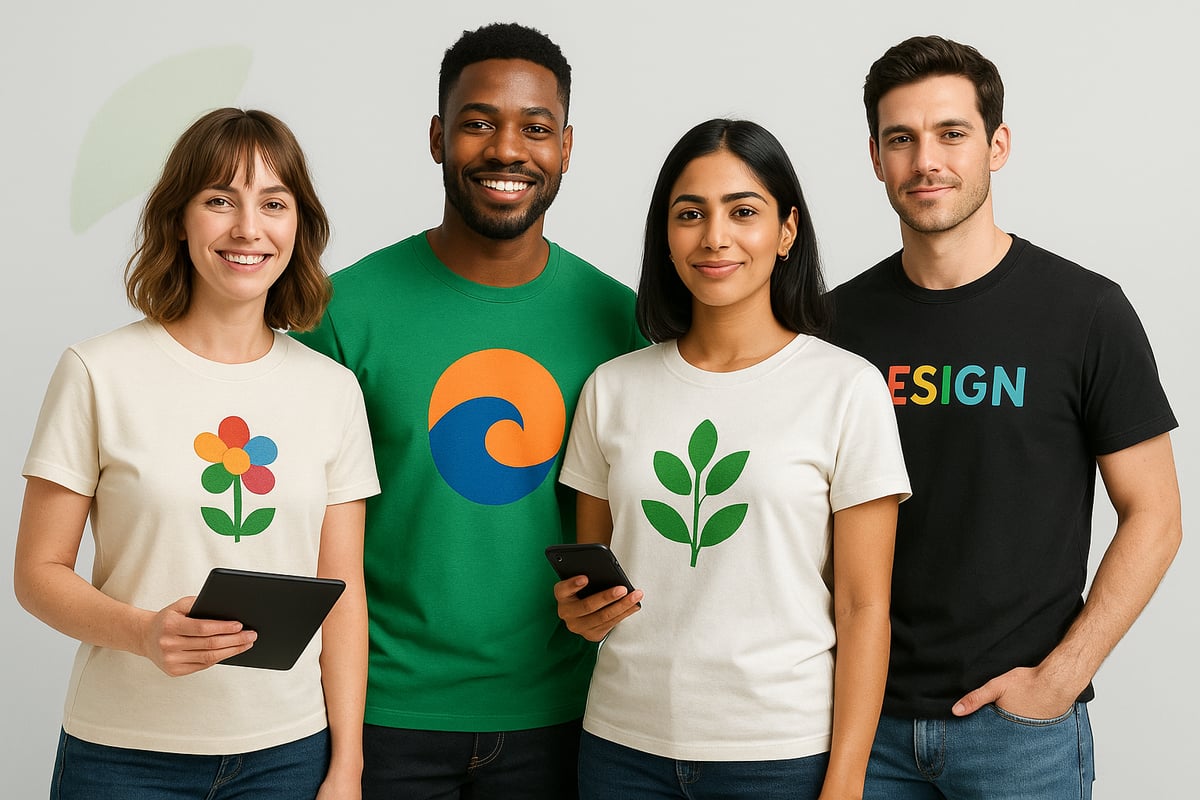
Personalisation is now central to the fashion industry's identity. Consumers crave individuality, driving a surge in demand for the personalised tee. According to a 2024 industry survey, 68% of shoppers prefer customised apparel, highlighting a shift towards self-expression. Social media platforms amplify this trend, as users share their unique tee designs and outfit choices, inspiring others to follow suit. If you are curious about the deeper impact, The evolution of personalised T-shirts offers a detailed look at how these garments are shaping modern style.
Sustainability is a top priority in 2026. The personalised tee market is embracing new materials such as organic cotton, bamboo, and recycled polyester. Major brands now offer tees made entirely from recycled fibres, appealing to eco-conscious consumers. These fabrics not only provide superior comfort and durability but also reduce environmental impact. Choosing an eco-friendly personalised tee reflects both style and responsibility.
Technology is transforming how we create the perfect personalised tee. AI-powered design platforms guide users through customisation, from selecting fonts to suggesting colour palettes. Augmented reality (AR) allows shoppers to virtually try on tees, ensuring the perfect fit before purchase. Brands are increasingly adopting AR for online shopping, making the design process interactive and accessible. This tech shift means anyone can design a standout personalised tee with ease.
Fashion in 2026 favours oversized and boxy personalised tee fits, reflecting a relaxed, modern aesthetic. Gender-neutral and adaptive designs are also gaining traction, making tees more inclusive than ever before. When it comes to graphics, both bold statement prints and minimalist designs are trending. This variety ensures that there is a personalised tee to suit every taste and body type.
The personalised tee has become a powerful medium for cultural commentary and self-expression. Many people use their tees to promote causes, share humour, or tell personal stories. A 2025 report found that 42% of Gen Z consumers use fashion to convey their values. Wearing a personalised tee is more than a style choice; it is a statement about who you are and what you stand for.
Exclusivity is a growing trend in the personalised tee market. Limited edition drops, often created in collaboration with artists or influencers, drive excitement and demand. These partnerships result in unique designs and small-batch releases, making each personalised tee a collector's item. Consumers are drawn to the rarity and storytelling behind these exclusive collaborations.
Customisation is no longer limited to just screen printing. Today's personalised tee might feature embroidery, patches, or even a mix of different techniques for a layered effect. Hybrid tees, combining printed graphics with stitched elements, are particularly popular. This blend of methods allows for more creative freedom and adds texture and depth to each piece.
Designing your ideal personalised tee in 2026 is a creative journey with practical steps. Whether you are making one for yourself, your team, or as a unique gift, following a structured approach ensures your vision comes to life. Use this step-by-step guide to navigate every decision with confidence, from concept to final delivery.
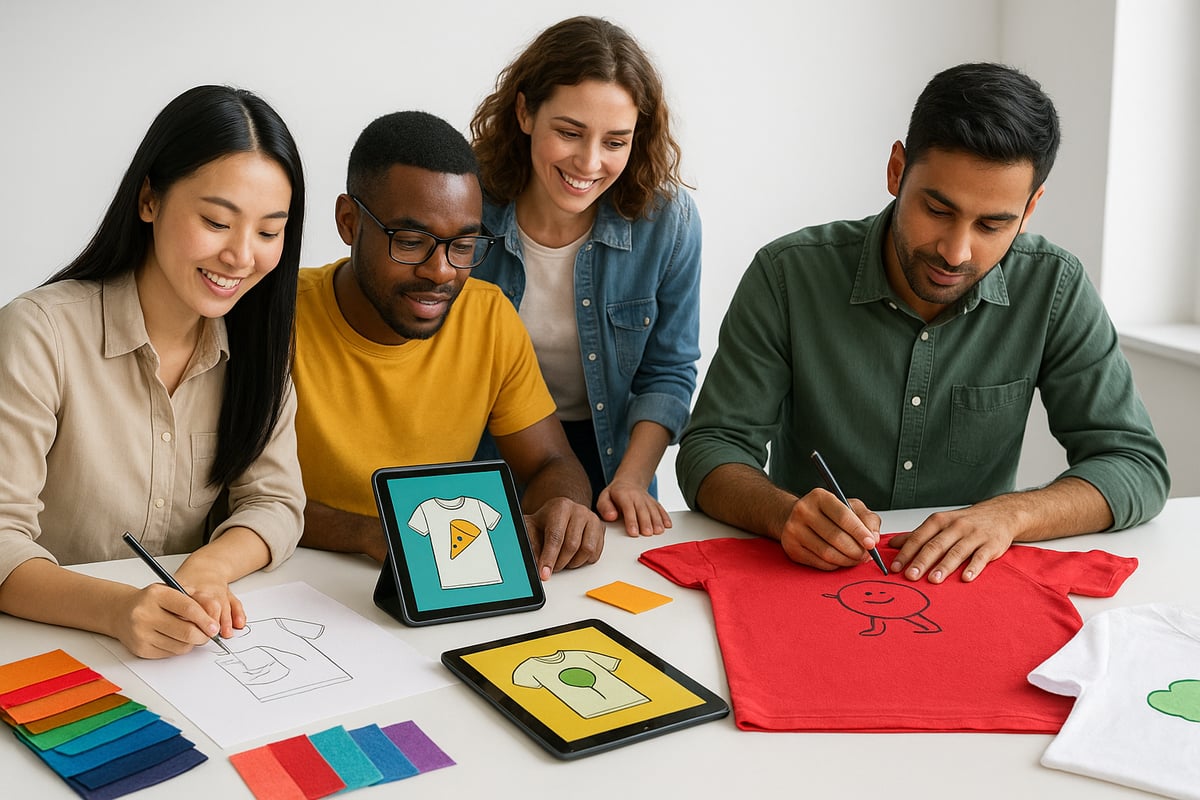
Start by clarifying why you need a personalised tee and who will wear it. Is it for a charity run, a birthday, workplace branding, or a special event? Knowing your purpose shapes every design choice. Think about your audience’s style, age, and values. For example, a tee for a school leavers' event may use bold graphics and fun colours, while a corporate order might require subtle branding and a classic fit. Identifying these details early ensures your personalised tee resonates with its intended wearer.
The right style and material set the foundation for a comfortable, appealing personalised tee. Compare crew necks, V-necks, longline, cropped, or athletic fits to match your needs. Cotton is popular for softness, while blends and performance fabrics offer moisture-wicking or stretch. If comfort is your top priority, you are not alone—54% of buyers choose comfort over style in recent surveys. Consider eco-friendly options like organic cotton or recycled materials for added sustainability and a positive brand message.
Bring your personalised tee to life with a standout design. Use online design tools, templates, or collaborate with a professional designer. High-resolution graphics and clear, readable fonts are essential for sharp, impactful results. Explore colour psychology—blues evoke trust, reds energy, and greens calmness. Make sure your design aligns with your purpose and audience. For memorable tees, simplicity often trumps complexity, ensuring your message and visuals are instantly recognisable.
Choosing the right customisation technique affects the look, feel, and durability of your personalised tee. Screen printing is ideal for bold, large orders, while direct-to-garment (DTG) excels with detailed images in short runs. Vinyl printing works well for names and numbers, while embroidery adds a textured, premium touch. To compare these methods in detail, consult this Guide to custom T-shirt printing methods. Your choice should reflect your design, budget, and expected wear.
Selecting the right colours and inclusive sizing ensures your personalised tee appeals to everyone. Match hues to your brand, event, or personal style, considering how colours appear on different fabrics. Today’s market increasingly offers XS to 5XL and adaptive fits, meeting diverse needs. In fact, there has been a 37% rise in brands providing extended sizes in 2026. This inclusivity not only enhances comfort but also broadens your tee’s reach and appeal.
Before placing your order, review every detail of your personalised tee. Request digital proofs from your supplier and, if possible, order a physical sample. Check placement, alignment, and colours to avoid costly mistakes. Common issues include off-centre prints or unreadable text, so take time to proof carefully. This step safeguards your investment and ensures your personalised tee matches your expectations when it arrives.
With your design finalised, submit your order and keep track of production milestones. Most suppliers provide order confirmations, estimated lead times, and updates as your tees progress through printing or embroidery. Delivery timelines can vary, so plan ahead for events or launches. Clear communication with your provider ensures you receive your personalised tees on schedule and in perfect condition, ready to make an impression.
Choosing the ideal method for your personalised tee is crucial to achieving the perfect look, feel, and durability. Each technique offers distinct advantages, depending on your design, order size, and intended use. Explore the most popular options below to make an informed decision for your next order.
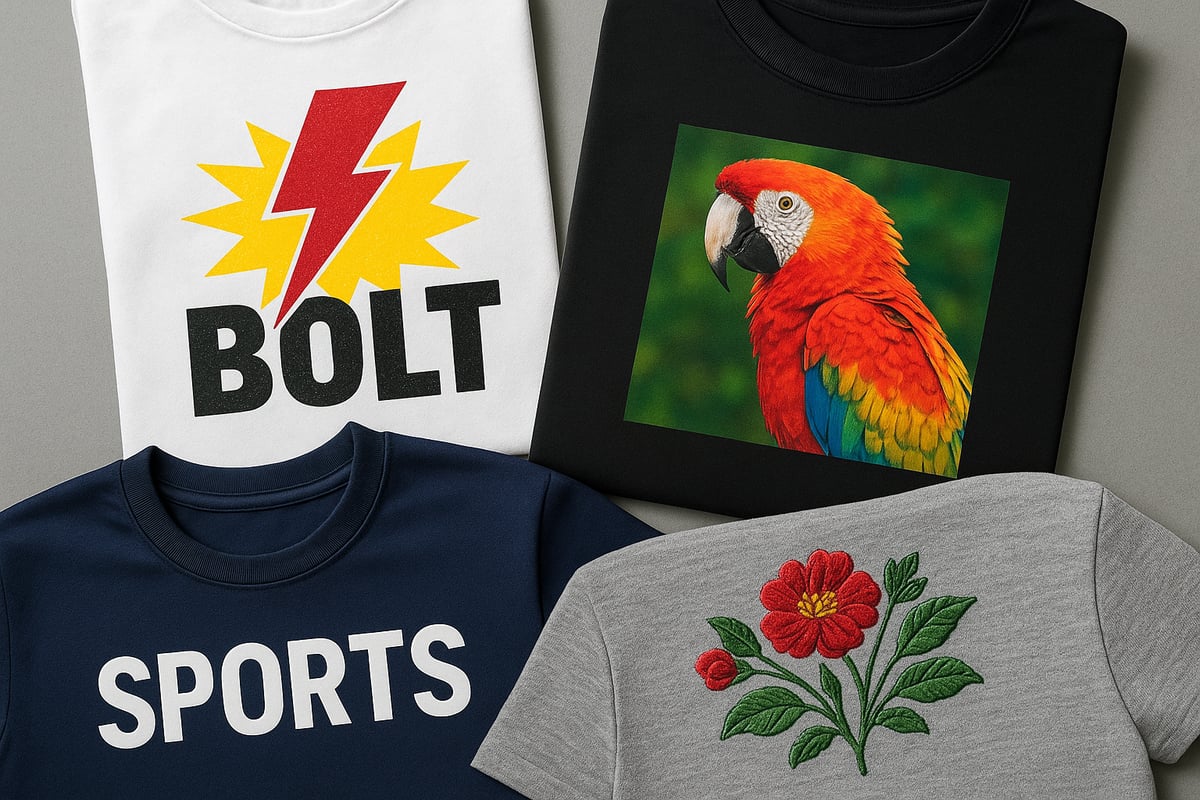
Screen printing remains a top choice for producing a personalised tee, especially when ordering in bulk. This method uses mesh screens to transfer ink onto fabric, resulting in vibrant, long-lasting colours.
It excels with bold graphics and simple colour palettes. While setup costs can be higher, the per-unit price drops significantly for large runs. However, screen printing is less suited for highly detailed images or small orders.
Screen printing gives your personalised tee a professional finish that stands up to frequent wear.
DTG printing is ideal for creating a personalised tee with complex, full-colour images. This digital process prints directly onto fabric, much like an inkjet printer for clothing.
DTG shines with intricate designs and gradients, making it perfect for artwork and photographs. There are no minimum order requirements, so it is cost-effective for small batches. However, DTG works best on 100% cotton tees and may not match screen printing's durability over time.
DTG is a flexible solution for personalised tee designs that demand detail and variety.
Vinyl printing and heat transfer techniques add custom names, numbers, or logos to your personalised tee with precision. A machine cuts out designs from coloured vinyl sheets, which are then heat-pressed onto the fabric.
These methods are fast and versatile, suitable for sportswear or short-term promotional tees. However, vinyl prints can crack or peel after repeated washing and may feel less breathable.
For a personalised tee needing standout text or simple graphics, vinyl is a reliable option.
Embroidery elevates a personalised tee with a premium, textured finish. Designs are stitched directly into the fabric using high-quality threads, resulting in a professional look.
This technique is highly durable, resisting wear and washing well. Embroidery is best for logos, monograms, and smaller designs, but it is less suitable for large, detailed images due to stitching limitations.
Choose embroidery for a personalised tee that conveys quality and distinction.
Modern personalised tee production often combines multiple methods for unique effects. Hybrid tees might feature both screen printing and embroidery, or experiment with puff prints, glow-in-the-dark inks, and metallic finishes.
These innovations allow for creative freedom, blending tactile and visual elements. Mixed-media tees are particularly popular for fashion collaborations and limited editions.
Hybrid techniques push the boundaries of what a personalised tee can be.
Selecting the best method for your personalised tee depends on your design, quantity, and budget. For event tees, screen printing is cost-effective, while embroidered logos suit corporate polos. DTG is perfect for small runs with detailed images.
If you are considering a personalised tee as a gift or for branding, explore more about personalised tees for branding and gifts to match your needs.
Review your priorities—vivid colour, fine detail, tactile feel, or rapid turnaround—to make the right choice.
Understanding cost and production timelines is essential when ordering a personalised tee. Below is a summary to guide your decisions:
| Technique | Average Cost (per tee, 2026) | Typical Turnaround |
|---|---|---|
| Screen Printing | £6–£12 (bulk discounts) | 5–10 days |
| DTG Printing | £10–£18 | 3–7 days |
| Vinyl/Heat | £8–£15 | 2–5 days |
| Embroidery | £12–£20 | 7–14 days |
| Hybrid/Other | £14–£25 | 7–21 days |
Each personalised tee technique balances price, speed, and finish differently. Plan ahead to ensure your order meets your expectations.
Finding the right source for your personalised tee is crucial for both satisfaction and quality. Whether you want to order a single shirt or supply an entire event, the marketplace is filled with options. Let us break down the best places to source your next customised creation.
Global online platforms are go-to destinations for anyone seeking a personalised tee. Marketplaces like Printful and Spreadshirt offer a vast selection of garments, colours, and customisation options. Their interfaces are user-friendly, making it easy to upload designs or use built-in tools.
The main advantage of these platforms is convenience. You can order from anywhere, ship worldwide, and access a wide range of sizes and styles. However, quality can vary between providers, and longer shipping times are common, especially for international orders.
Local print shops bring a personal touch to sourcing your personalised tee. These businesses often offer hands-on service and faster turnaround times compared to large online platforms. For those in Birmingham, the custom tee scene is thriving, with shops providing in-person consultations and sample viewing.
Supporting local businesses means you can discuss your vision face-to-face and resolve any issues quickly. This approach is ideal if you need urgent orders or want to ensure your design is exactly as you imagined.
Specialist providers focus on niche markets such as sports teams, workwear, or school uniforms. They bring in-depth knowledge and tailored solutions for unique requirements. These experts often assist with design support, offer bulk discounts, and assign dedicated account managers for larger projects.
Choosing a specialist ensures your personalised tee is fit for purpose, whether you need performance fabrics for athletes or durable prints for school events. Their experience can streamline the process and guarantee professional results.
Before placing an order, always evaluate the quality and service of your chosen personalised tee provider. Start by reading customer reviews and testimonials, which offer real-world insights into reliability and satisfaction. Requesting a sample order helps you assess material feel, print clarity, and fit.
Good customer support is essential. Responsive communication and clear order updates make the process smoother and more reassuring. Providers with transparent return policies and guarantees further demonstrate their commitment to quality.
Managing large or recurring orders for uniforms, events, or corporate branding requires a strategic approach. Many personalised tee suppliers offer bulk order management systems and dedicated support teams. Schools and companies can benefit from streamlined reordering, consistent branding, and cost savings through volume discounts.
Look for providers with experience in handling complex logistics and who can accommodate changes in design or sizing as your needs evolve.
Sustainability is now a top priority for many seeking a personalised tee. Leading providers offer organic cotton, Fairtrade-certified, or recycled materials to minimise environmental impact. Ethical sourcing practices, such as fair wages and safe working conditions, enhance your brand reputation and align with modern consumer values.
Choosing a provider committed to sustainability ensures your custom tees are both stylish and responsible. This approach supports long-term environmental goals and appeals to eco-conscious audiences.
If you are searching for a trusted local expert, OK T-Shirt stands out in Birmingham and across the UK. With over ten years of experience in custom printing and embroidery, they offer a wide range of personalised tee options, from T-shirts to hoodies and uniforms.
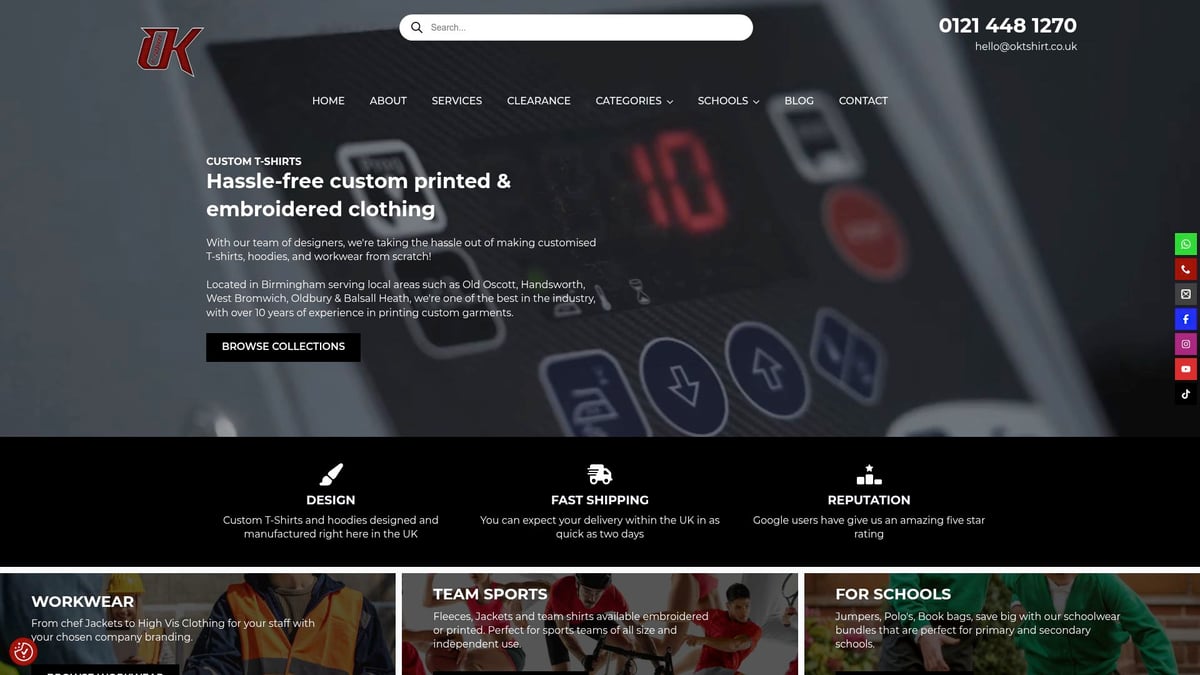
OK T-Shirt provides fast UK shipping, in-house design support, and flexible order quantities. Their five-star customer satisfaction and dedication to schools and businesses make them a reliable choice for any project.
Choosing a sustainable personalised tee in 2026 is about much more than style. Today’s consumers expect their clothing to reflect both personal values and environmental responsibility. Let’s explore how the personalised tee market is embracing eco-friendly innovation, ethical practices, and conscious consumerism.
The personalised tee industry has seen a major shift towards greener materials. Organic cotton, bamboo, and recycled polyester are now widely used, offering softness, durability, and a lighter environmental footprint. Many brands are investing in water-based inks and energy-efficient printing to reduce pollution.
For a deeper look at how UK producers are leading the way, see Sustainable custom T-shirt printing in the UK. This approach ensures your personalised tee is both comfortable and conscious.
Behind every personalised tee, ethical labour is essential. Responsible brands insist on safe working conditions, fair wages, and transparent supply chains. Certifications help consumers identify trustworthy producers.
| Certification | Focus |
|---|---|
| Fairtrade | Fair wages, community investment |
| GOTS | Organic textiles, worker rights |
| OEKO-TEX | Chemical safety in textiles |
Look for these certifications when choosing your next personalised tee.
Traditional fashion often leads to overproduction, but the modern personalised tee industry is cutting waste through on-demand models. By only producing what’s needed, companies prevent excess stock and reduce landfill waste. Recent data shows print-on-demand has cut waste by 30 percent, making every personalised tee a smarter choice for the planet.
Sustainability also means choosing a personalised tee designed to last. High-quality fabrics and robust printing or embroidery help extend wear. Caring for your tee properly, such as washing inside out and avoiding high heat, can increase its lifespan by up to 40 percent. This reduces the need for frequent replacement and keeps your wardrobe eco-friendly.
Modern shoppers are more informed than ever. Before buying a personalised tee, many research brands for their environmental and social impact. Transparent sourcing, clear sustainability commitments, and ethical practices can heavily influence purchasing decisions. As this trend grows, brands are investing in responsible production and honest communication.
Packaging is the final step in the sustainable personalised tee journey. Companies are adopting biodegradable bags, recycled boxes, and carbon-neutral shipping methods. Some brands even offer plastic-free delivery, ensuring your personalised tee arrives with minimal environmental impact.
With these advances, choosing a personalised tee in 2026 means making a statement for both style and sustainability.
A well-cared-for personalised tee not only looks great but also lasts longer, keeping your unique style fresh for years. Proper care helps maintain colours, preserves custom prints or embroidery, and supports sustainability by reducing waste. Let us explore how to keep your personalised tee in optimal condition.
Begin by turning your personalised tee inside out before washing. This simple step protects the design from friction and fading. Use cold water and a gentle detergent to prevent shrinking and maintain print clarity.
Avoid tumble drying whenever possible. Air drying your personalised tee helps preserve both fabric and design. If you must use a dryer, opt for a low heat setting. Remember, heat can weaken custom graphics and cause cracking over time.
Iron your personalised tee inside out to protect the artwork or embroidery. Keep the iron on a low setting and avoid direct heat contact with prints. For embroidered designs, place a thin cloth over the area before applying heat.
When storing, fold your personalised tee to prevent stretching. Hanging is suitable for heavier materials, but avoid wire hangers, which can distort the shape. Store in a cool, dry place to keep colours vibrant and fibres strong.
Accidents happen, but quick action can save your personalised tee. Blot stains gently with a damp cloth rather than rubbing, which can damage prints. Use a mild soap or stain remover that is safe for coloured fabrics.
For stubborn marks, soak the affected area in cold water before washing as usual. Always test cleaning products on a small, hidden area first to avoid unexpected reactions with custom inks or embroidery threads.
Extend the life of your personalised tee by repairing small holes or loose seams. Hand-stitching or fabric glue works well for minor fixes. For more significant damage, consider upcycling your tee into a tote bag, patch, or even cleaning cloths.
Choosing sustainable repair options supports an eco-friendly wardrobe. Many brands are now using sustainable materials in custom t-shirt production, making it easier to recycle or repurpose old tees responsibly.
Preserve the colour and vibrancy of your personalised tee by washing with similar shades and using colour-safe detergents. Avoid bleach, as it can damage both fabric and design. Washing inside out and in cold water further extends the life of your tee.
Proper care can increase the lifespan of a personalised tee by up to 40 percent, according to industry studies. Gentle handling ensures your prints remain crisp and your embroidery stays intact, maintaining that fresh, personalised look.
Even with the best care, every personalised tee eventually shows signs of wear. Look for faded colours, cracked prints, stretched necklines, or thinning fabric. These are clear indicators it might be time to retire or recycle your favourite tee.
Consider donating or recycling old personalised tees through textile collection services. This sustainable approach keeps materials out of landfill and supports a circular fashion economy. By caring for and responsibly replacing your personalised tee, you contribute to a greener future.

OK T-Shirt
126 Beeches Rd
Birmingham
B42 2HQ
