Cheap Printed T-Shirts UK: Quality & Value Guide 2026
Discover how to source cheap printed t-shirts UK without compromising…
Custom T-shirts are more popular than ever in 2026, capturing creativity and personal style for individuals and groups alike. This print me shirt guide is your go-to resource for creating standout tees that turn heads and make memories. Whether you want to express yourself, promote a brand, or unite a team, you will find expert insights, practical tips, and the latest advice here. Discover trends, choose the perfect shirt, explore printing techniques, master the ordering process, care for your tees, and embrace sustainability. Let us guide you every step of the way to custom T-shirt success.
Custom T-shirt printing has become a defining trend in 2026, capturing the imagination of both individuals and organisations. As more people seek unique ways to express themselves, the print me shirt industry continues to thrive and innovate. Let's explore how this exciting field has evolved, the customisation options available, and who is driving demand for custom tees today.
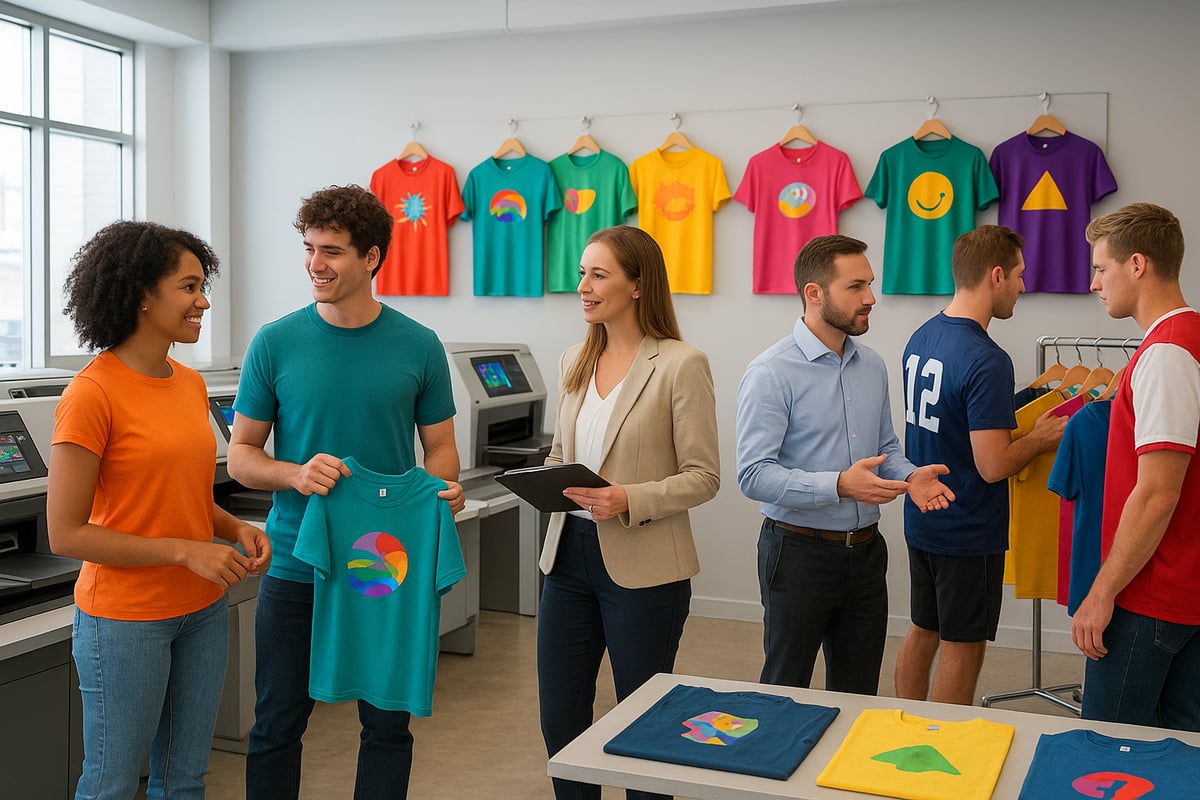
Over the past decade, the custom T-shirt market has seen exponential growth. In 2026, the print me shirt sector is valued at billions globally, with the UK experiencing a steady rise in demand. According to the Custom T-shirt Printing Market Growth Forecast, the global market is projected to expand significantly through 2034.
Pop culture has played a massive role in this evolution. Viral campaigns, such as charity tees or limited-edition fan merchandise, have captured the public’s attention. Major sports events and music festivals often spark fresh design trends, with commemorative shirts selling out rapidly. For instance, eco-themed designs and nostalgic graphics are currently trending, reflecting wider social movements.
Data shows that younger consumers, especially Gen Z and Millennials, are driving much of the market's growth. Their desire for personalisation and self-expression has led to a surge in on-demand printing and bold new design ideas. The print me shirt phenomenon is no longer a niche but a mainstream staple.
Today's print me shirt options are more versatile than ever. Printing techniques include direct-to-garment (DTG), which excels with full-colour, detailed designs. Screen printing remains popular for bulk orders due to its cost-effectiveness and durability. Embroidery offers a premium, textured finish, ideal for logos or uniforms. Heat transfer is perfect for small runs and special effects.
Here’s a quick comparison table:
| Technique | Cost | Durability | Finish | Best For |
|---|---|---|---|---|
| DTG | Moderate | Medium | High detail | Small orders, art tees |
| Screen Print | Low (bulk) | High | Bold, solid | Bulk, team shirts |
| Embroidery | Higher | Very High | Textured, premium | Workwear, polos |
| Heat Transfer | Low | Medium | Versatile | Events, custom effects |
Recent innovations include eco-friendly inks, digital fine-detail printing, and on-demand production. Unique options like glow-in-the-dark prints, metallic foils, and puff inks are making custom tees even more appealing. The print me shirt industry is constantly evolving to offer customers new creative possibilities.
The print me shirt market serves a diverse audience. Individuals often order for special occasions, such as birthdays, reunions, or personal statement pieces. Businesses use custom tees for branding, staff uniforms, or promotional giveaways, recognising their value for visibility and team spirit.
Schools, sports teams, and clubs rely on custom shirts to build unity, support fundraising, or create a sense of belonging. In 2026, data indicates that the most common order sizes range from small batches for personal events to bulk orders for corporate or school functions. The print me shirt trend appeals to all ages, with tailored options for kids, adults, and inclusive sizing.
Whether you are celebrating, promoting, or uniting a group, the print me shirt approach offers unmatched flexibility and impact. This diversity of use keeps the custom T-shirt industry growing and dynamic.
Creating a standout print me shirt is an exciting journey that rewards careful planning at every stage. Whether you are designing for a one-off event, a business, or simply to express your style, following a structured process ensures your custom T-shirt turns out exactly as you envisioned. Let us guide you through each essential step for a seamless and successful experience.
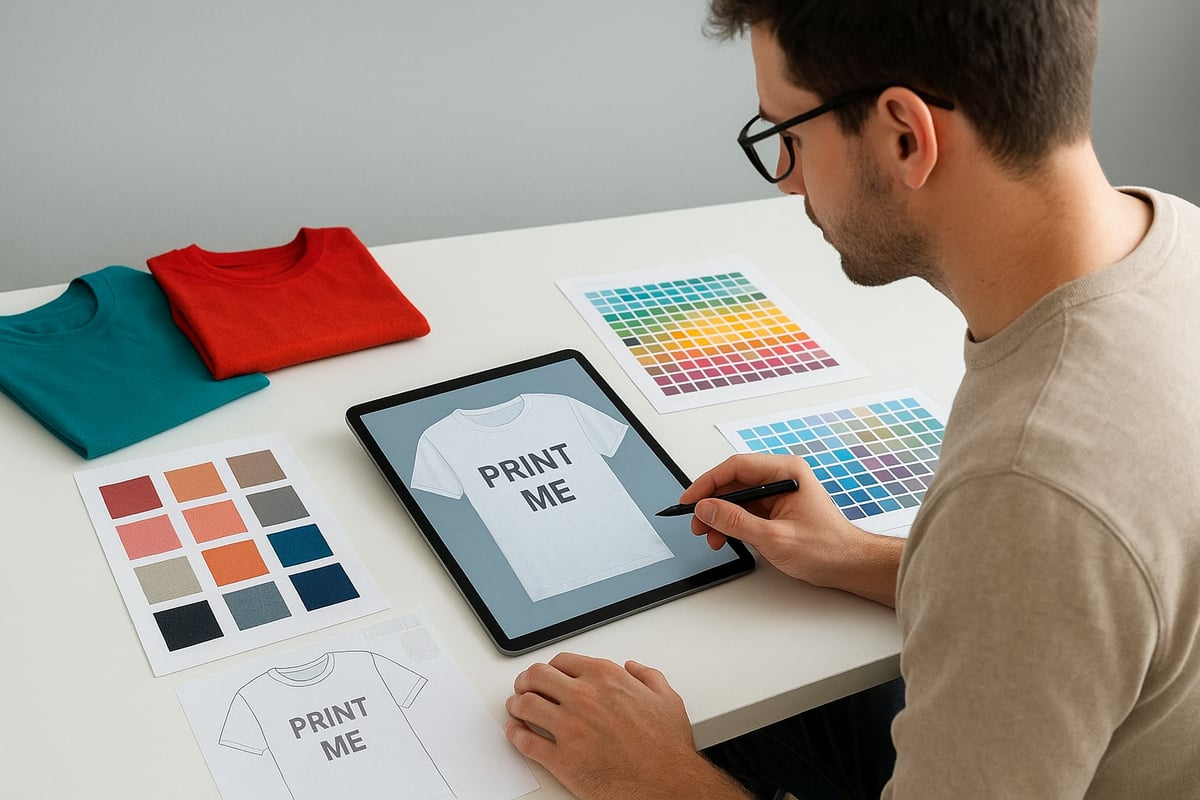
Start your print me shirt project by clarifying its purpose. Are you promoting an event, launching a brand, or gifting friends and family? Knowing the end goal will shape every design and production choice.
Identifying your audience is equally important. Consider age, gender, interests, and group size. For example, a family reunion tee should appeal across generations, while a startup launch might demand a modern, professional look.
Ask yourself:
By defining these factors early, you lay a strong foundation for a meaningful and effective print me shirt.
The style and fit of your print me shirt determine comfort, appearance, and wearability. Popular options in 2026 include classic cuts, slim fits, oversized, cropped, and athletic styles. Each serves a different aesthetic and practical purpose.
Fabric choice matters too. Cotton offers breathability, while polyester and blends provide durability and moisture wicking. Organic options are ideal for those seeking sustainability. Always check sizing charts and consider whether unisex or fitted cuts suit your group best.
For inspiration and to compare available styles, browse the Custom T-Shirt Product Range, where you will find diverse fits and fabrics ideal for any project. Making the right selection here contributes greatly to satisfaction with your print me shirt.
Selecting base colours for your print me shirt is more than a visual choice. Light colours work well for intricate designs, while dark shades make bold graphics pop. Always consider how colours interact with your chosen print method for maximum clarity.
When placing your order, factor in minimum quantities and bulk discounts. Many suppliers offer price breaks at certain thresholds. It is wise to order a few extras to cover unexpected needs or last-minute changes.
Tips for this stage:
Thoughtful colour and quantity choices help ensure your print me shirt meets expectations and avoids unnecessary waste.
Budgeting is a crucial part of the print me shirt process. The total cost depends on shirt quality, print technique, order size, and whether you require custom artwork or premium finishes.
Request detailed quotes from multiple suppliers. Be sure to ask about set-up fees, artwork charges, and potential discounts for larger orders. Compare what is included, such as design proofs or free delivery, to avoid hidden costs.
A simple pricing table can help you visualise options:
| Order Size | Basic Cotton | Organic Blend | Premium Print |
|---|---|---|---|
| 10 | £9/shirt | £12/shirt | £15/shirt |
| 50 | £7/shirt | £10/shirt | £13/shirt |
| 100+ | £6/shirt | £9/shirt | £12/shirt |
Careful budgeting ensures you get the best value and quality for your print me shirt order.
Timely delivery is vital, especially if your print me shirt is for an event or deadline. Standard production times can range from a few days to several weeks, depending on order size and complexity.
Ask suppliers about rush options if you are on a tight schedule. Always allow extra time for proofing, revisions, and shipping. Delays can occur, so plan for contingencies.
Tips for smooth timelines:
By managing timelines carefully, you can ensure your print me shirt arrives exactly when needed, ready to impress.
Creating a print me shirt in 2026 is more exciting than ever. The latest trends, advanced tools, and expert guidance make it easy to design T-shirts that capture attention and express individuality. Whether you are crafting shirts for business, events, or personal style, understanding the essentials of design will help your custom tees stand out.

The print me shirt landscape is shaped by bold creativity and innovation in 2026. Popular graphics include retro-inspired motifs, minimalist illustrations, and expressive typography. AI-generated designs are making waves, allowing for truly personalised artwork and unique effects. Themes like sustainability, social causes, and pop culture references dominate top-selling shirts.
Data from recent market reports show that eco-conscious designs and witty slogans are particularly in demand. For ongoing inspiration and a closer look at what’s trending, explore T-Shirt Design Stories and Trends. This resource is packed with real-world examples and expert commentary.
Viral campaigns, charity tees, and fan merchandise all influence the direction of print me shirt trends. Staying informed about what resonates with wider audiences will help your design remain relevant and engaging.
Preparing artwork for your print me shirt requires attention to detail. Start by choosing the right file type: vector files (such as .ai or .eps) are ideal for sharp lines and scalability, while high-resolution raster images (like .png at 300 dpi) work well for detailed graphics. Always use the correct colour profile, such as RGB for digital mockups and CMYK for print.
To ensure vibrant, crisp prints, avoid low-resolution images or compressed files. Use design templates provided by your printer to visualise how your artwork will appear on the T-shirt. Double-check for transparency, alignment, and any potential issues with small text or intricate details.
Organise your files clearly, naming each layer and version for easy communication with your print me shirt supplier. Following these guidelines helps avoid costly delays and ensures your vision is accurately realised.
When planning your print me shirt, decide if you need a professional designer or if online tools will suffice. For complex, custom artwork, hiring a designer can bring your vision to life with expertise and originality. Many platforms offer access to freelance designers who specialise in T-shirt graphics.
Alternatively, online design tools have advanced significantly by 2026. These platforms provide user-friendly interfaces, pre-made templates, and real-time previews. Some even feature AI assistance for layout and colour suggestions. Popular options include Canva, Adobe Express, and specialist T-shirt design sites.
Communicate your ideas clearly, providing references and feedback promptly. Whether working with a designer or using a tool, clarity ensures your print me shirt matches your expectations.
The placement and sizing of prints can make or break your print me shirt design. Classic options include centre chest, full front, or back prints. Sleeve, pocket, and all-over prints are also gaining popularity for those seeking something different.
Best practices involve considering logo placement for visibility and impact. For text, ensure readability by choosing appropriate font size and contrast. Use mockups to test how designs look on various shirt sizes and styles.
Creative placements, such as off-centre prints or wrap-around graphics, can help your print me shirt stand out. Always confirm sizing with your printer to maintain consistency across your order.
A truly standout print me shirt design considers accessibility and inclusivity. Choose fonts that are easy to read and avoid colour combinations that may be challenging for those with visual impairments. Include imagery and messaging that reflect diverse audiences and body types.
Designing for all sizes, from kids to plus-size adults, ensures everyone feels represented. Consider adaptive features for those with specific needs, such as sensory-friendly fabrics or tagless designs.
By prioritising inclusivity, your print me shirt not only looks great but also resonates with a wider community, making your custom tees meaningful and memorable.
Selecting the right printing technique is crucial when planning your print me shirt project. The method you choose impacts the look, feel, durability, and cost of your custom tee. Knowing the strengths and limitations of each option ensures your design comes to life exactly as you envision.

There are several main printing techniques to consider for a print me shirt, each offering unique benefits. Let us break them down:
| Method | Pros | Cons | Best For |
|---|---|---|---|
| DTG (Direct-to-Garment) | Full-colour, detailed prints; no minimums | Less durable on heavy washes | Small orders, complex designs |
| Screen Printing | Vibrant colours, cost-effective for bulk | Setup costs, limited detail | Large orders, bold graphics |
| Embroidery | High-end finish, long-lasting | Higher cost, limited detail | Workwear, logos, uniforms |
| Heat Transfer | Versatile, fast turnaround | Can peel/crack over time | Short runs, one-off designs |
| Sublimation | All-over prints, soft feel | Requires polyester fabrics | Sports kits, full-coverage art |
For your print me shirt, DTG is ideal for intricate, colourful artwork, while screen printing excels with classic, bold designs. Embroidery is preferred for logos on workwear due to its durability and premium look. Heat transfer and sublimation are best for quick customisation or when you need vibrant all-over imagery.
Sustainability is now a top priority for many print me shirt customers. Eco-friendly inks, organic cotton, recycled polyester, and water-based printing are all gaining ground. When choosing your printer, look for certifications like OEKO-TEX and GOTS, which ensure materials and processes meet strict environmental standards.
Modern consumers increasingly demand sustainable options, driving innovation in this space. If you are seeking both eco and specialty solutions, explore offerings like Sustainable Printing and Apparel, which highlight workwear and custom apparel that align with responsible practices.
Prioritising sustainability for your print me shirt not only benefits the environment but also appeals to conscious customers and supports ethical production across the industry.
A print me shirt is not just about standard tees. Speciality needs include high-visibility workwear, moisture-wicking sports kits, and performance fabrics. Customisation options extend to children’s sizes, plus-size garments, and adaptive wear for accessibility.
For high-impact workplaces, embroidery or screen printing on hi-vis fabrics ensures both safety and brand identity. Sports teams often benefit from sublimation due to its breathability and all-over print capabilities. Plus, printers now offer inclusive sizing and adaptive features, ensuring everyone can enjoy a personalised print me shirt that fits comfortably and looks professional.
Whether you need a standout uniform or a tee for a specific event, today’s printing methods make it possible to customise for any requirement.
Ordering your custom T-shirts in 2026 is a streamlined experience, yet knowing what to expect is vital for a smooth journey. The print me shirt process involves several stages, from initial enquiry to final delivery. Each step ensures your design vision is realised with precision and care.
Starting your print me shirt order requires gathering key details. Have your design files, quantity breakdowns, preferred sizes, and chosen colours ready. This information helps suppliers provide accurate quotes.
It is wise to request quotes from multiple providers. Compare prices, turnaround times, and included services. Many suppliers offer digital proofs or even physical samples for approval before production. When you are ready, use a reputable supplier’s ordering platform, such as the Shop All Customisable Apparel page, to submit your print me shirt request.
Take note of minimum order requirements and clarify any additional fees. Early preparation helps avoid surprises and ensures your order meets expectations.
After submitting your print me shirt details, you will receive a digital or physical proof for review. This step is critical. Closely inspect the artwork for clarity, colour accuracy, and correct placement.
Common mistakes to check for include typos, incorrect sizing, and mismatched colours. Most suppliers allow a set number of revisions, so communicate any changes clearly and promptly. Approving your proof confirms you are satisfied and allows production to begin.
Take your time during this stage. A careful review prevents costly errors and ensures your print me shirt is exactly as envisioned.
Once approved, your print me shirt enters production. The process varies by printing method, but reputable suppliers follow strict quality control protocols. Technicians monitor print alignment, colour consistency, and garment integrity throughout.
Quality assurance checks may include test prints, thread inspections for embroidery, and durability testing. If issues arise, suppliers typically pause production to resolve them. On average, production takes several days, depending on order size and complexity.
You will often receive updates on your print me shirt’s progress. This transparency helps manage expectations and builds trust with your supplier.
When production finishes, your print me shirt order is carefully packed for shipping. Most suppliers offer both standard and express delivery. Standard shipping is suitable for most timelines, while express options are ideal for urgent events.
You will receive a tracking number to monitor your package. For UK orders, delivery typically ranges from 2 to 5 working days. International orders may take longer, so plan accordingly. If delays occur, contact your supplier immediately for updates.
Properly tracking your print me shirt shipment ensures you are prepared for arrival and can address any issues promptly.
Throughout your print me shirt journey, expect clear communication from your supplier. Professional providers offer updates at each stage and are available to answer queries.
If you encounter problems, such as misprints or delivery issues, reach out to customer support. Most suppliers have dedicated teams to resolve concerns and ensure satisfaction. After-sales service may include replacement, refunds, or reprinting if standards are not met.
Building a relationship with a reliable supplier enhances your print me shirt experience, making future orders even smoother.
Custom T-shirts are more than just clothing, they are a personal statement. To keep your print me shirt looking its best for years, following proper care and maintenance is essential. Understanding the right washing, drying, and storage techniques will help preserve both the print and fabric, ensuring vibrant colours and a comfortable fit.
The way you wash your print me shirt significantly affects its lifespan. Always turn your T-shirt inside out before washing, and use cold or lukewarm water with mild detergent. Harsh chemicals or bleach can damage prints and fabric fibres.
Keep the wash cycle gentle, especially for tees with embroidery or special finishes. Avoid overloading the machine, which can cause friction and fading. When drying, air drying is ideal. If you must use a tumble dryer, select a low heat setting to prevent shrinking and print cracking.
For those interested in sustainable care, consider using eco-friendly detergents and reviewing Sustainable T-Shirt Printing Practices for further tips on maintaining custom tees with minimal environmental impact. Never iron directly over printed areas, as heat may distort the design.
Proper storage is key to keeping your print me shirt looking fresh. Fold T-shirts neatly to avoid creases and stress on printed areas. Store them in a cool, dry place away from direct sunlight, as UV rays can cause colours to fade over time.
Avoid hanging custom tees for long periods, as this may stretch the fabric, especially around the neck and shoulders. If you must hang them, use padded hangers to maintain the shirt’s shape. Keep your shirts away from damp areas to prevent mildew and odours.
Rotate your T-shirts regularly, so no single print me shirt gets excessive wear. This helps maintain both the print and the fabric, ensuring your favourites stay in top condition for longer.
Even with the best care, your print me shirt may eventually show signs of wear. Minor snags or loose threads in embroidered designs can often be carefully trimmed or repaired by hand. For printed designs that begin to crack or fade, professional reprinting services are available.
Sometimes, reordering a new shirt with the original design is more cost-effective than attempting a repair, especially for complex or all-over prints. Check if your supplier offers discounts for reprints or small batch orders.
If your T-shirt is beyond repair, consider upcycling it into tote bags or cleaning cloths to minimise waste. Many eco-conscious brands now offer T-shirt recycling programmes, making it easier to dispose of old custom tees responsibly while keeping your wardrobe updated with a fresh print me shirt.
Sustainability and ethics are at the heart of the modern print me shirt industry. With growing awareness of environmental and social impact, more customers now seek custom tees that look good and do good. This section explores how to make responsible choices when creating your next print me shirt, focusing on materials, production, waste, and future trends.
When planning a print me shirt, consider organic cotton, recycled polyester, or bamboo blends. These materials reduce environmental impact compared to conventional fabrics. Choosing a supplier who uses water-based inks, energy-efficient processes, and minimal packaging makes a big difference. Look for certifications like OEKO-TEX or GOTS to verify eco claims.
To stay ahead, research the latest sustainable printing technologies. For example, Eco-Friendly Printing Techniques in 2025 highlights advances such as digital waterless printing and biodegradable inks. These innovations help reduce resource use and toxic waste.
Selecting an ethical print me shirt supplier means going beyond sustainability to address social responsibility. Ethical production ensures fair wages, safe conditions, and transparent supply chains. Always ask your printer about their labour standards and whether they audit their factories.
Check for certifications, such as Fair Wear Foundation or SA8000, which indicate strong social standards. With consumer demand for ethical products rising, the print me shirt industry is seeing more brands commit to fair labour practices. Transparent supply chains are becoming a major factor in customer choice.
Ordering the right quantity is key to reducing waste in your next print me shirt project. Many printers now offer on-demand production, meaning shirts are made only when needed. This approach helps avoid overproduction and unwanted stock.
Recycling and upcycling are gaining popularity. Old print me shirt designs can be transformed into tote bags, cleaning cloths, or even stylish patchwork pieces. Some printers partner with T-shirt recycling initiatives, giving garments a second life and reducing landfill waste.
The future of print me shirt sustainability is bright, with new materials and methods emerging every year. Innovations include biodegradable prints, closed-loop manufacturing, and circular supply chains that keep resources in use for as long as possible.
As the industry evolves, expect more brands to invest in traceable fabrics and transparent production. Consumer interest in eco-friendly and ethical custom apparel will keep driving progress. By choosing a responsible print me shirt partner, you contribute to a greener, fairer future for fashion.
OK T-Shirt
126 Beeches Rd
Birmingham
B42 2HQ
