Cheap Printed T-Shirts UK: Quality & Value Guide 2026
Discover how to source cheap printed t-shirts UK without compromising…
Imagine turning your favourite memories into statement pieces you can wear every day. As personalisation continues to shape fashion, printing pictures on t shirts has become more accessible and exciting than ever before. This expert guide will walk you through everything you need to know in 2026, from the latest printing methods and design tips to choosing the right materials, step by step processes, and care instructions. Ready to achieve professional quality results? Dive in and discover how to start your own custom T-shirt project today.
In 2026, the world of printing pictures on t shirts looks remarkably different from just a few years ago. The fusion of digital innovation and creative design has transformed how individuals, brands, and businesses bring images to life on fabric. Let's explore how the industry evolved, which printing methods now dominate, and what innovations are shaping the future of personalised apparel.
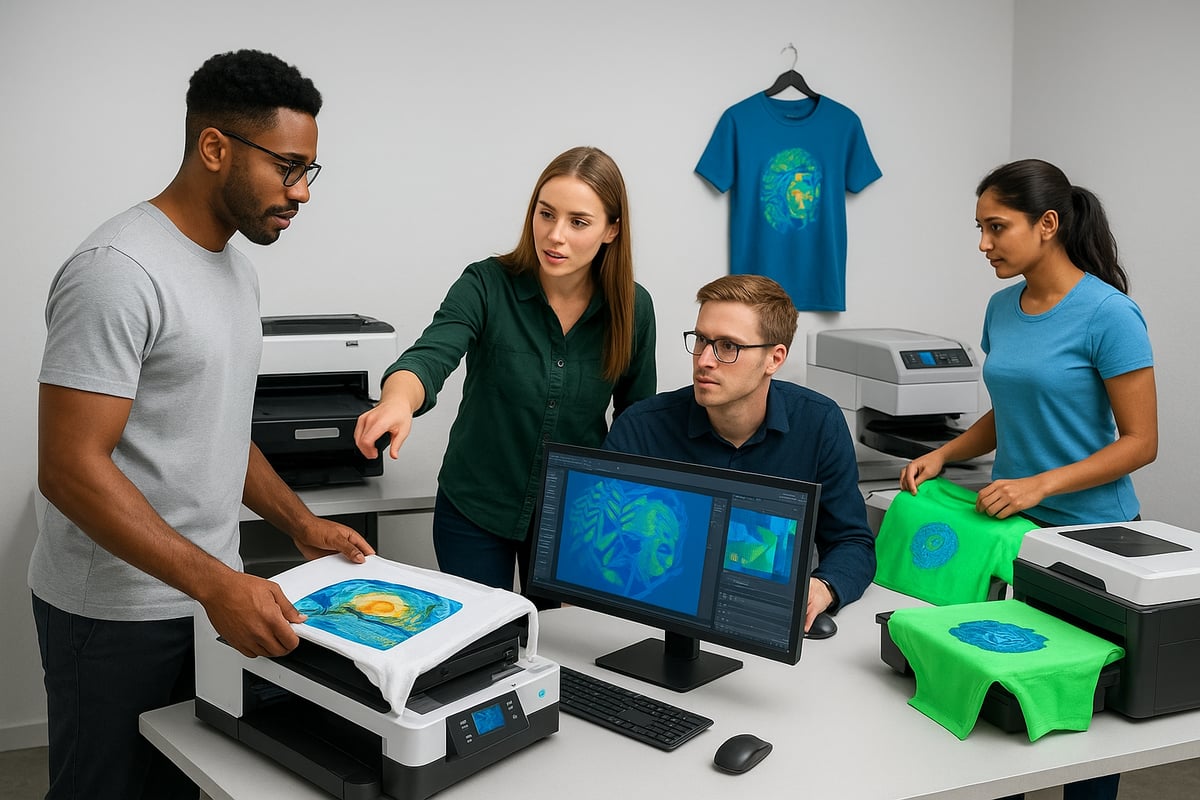
Over the past six years, printing pictures on t shirts has undergone a revolution. Digitalisation and automation have significantly enhanced both print quality and production speed. What was once a process reserved for large print shops is now accessible to hobbyists and small businesses alike.
Major advancements include smarter, faster direct-to-garment printers and eco-friendly ink formulations. Automation now handles tasks that previously required manual skill, reducing errors and ensuring consistency. According to recent industry analyses, global investment in digital printing equipment has soared, making high-resolution prints more affordable and reliable.
For a detailed look at these technological leaps, Advancements in T-Shirt Printing Machines provides insights into how new machines and processes have reshaped the industry. The result is a landscape where customisation and professional quality are within reach for everyone interested in printing pictures on t shirts.
A variety of methods are available for printing pictures on t shirts, each with distinct advantages. Direct-to-Garment (DTG) printing now features improved ink and supports even the most intricate images. Screen printing remains popular for large orders, thanks to enhanced multi-layer techniques and cost efficiency. Sublimation printing boasts a broader colour spectrum and compatibility with polyester fabrics, while heat transfer methods have evolved with new hybrid materials.
Below is a comparison of the main techniques:
| Method | Pros | Cons | Best Use Cases |
|---|---|---|---|
| DTG | High detail, fast setup | Higher per-shirt cost | Small runs, photos |
| Screen | Economical in bulk, durable | Complex setup, less detail | Large orders, logos |
| Sublimation | Vivid colours, long-lasting | Polyester only, setup needed | Sportswear, art tees |
| Heat Transfer | Versatile, easy for DIY | Less durable, can peel | Personalised gifts |
Choosing the right method for printing pictures on t shirts depends on your project's size, design, and fabric.
The latest innovations have further elevated printing pictures on t shirts. AI-driven design tools now optimise print layouts and suggest improvements, streamlining the creative process. Smart printers feature automated colour calibration, ensuring every print matches the designer's vision.
Eco-conscious solutions are also at the forefront. Water-based inks, energy-efficient machines, and waste reduction protocols are now standard in leading print shops. These changes not only improve sustainability but also deliver vibrant, long-lasting prints, making environmentally friendly printing pictures on t shirts more accessible than ever.
Selecting the ideal technique for printing pictures on t shirts requires careful consideration. Factors include the complexity of your image, the type of fabric, your budget, and the required durability. For instance, fashion brands often favour DTG for detailed graphics, while sports teams choose sublimation for performance wear.
Recent market data shows DTG now holds 38% of the UK market share, with screen printing at 29%, reflecting a shift towards flexibility and speed. Small businesses, schools, and event organisers all benefit from options tailored to their unique needs. By understanding your requirements, you ensure the perfect result every time you embark on printing pictures on t shirts.
Transforming your image into a stunning T-shirt starts well before you hit 'print.' Preparing your artwork properly is essential for professional results when printing pictures on t shirts. From image resolution to legal permissions, every step shapes the final product.
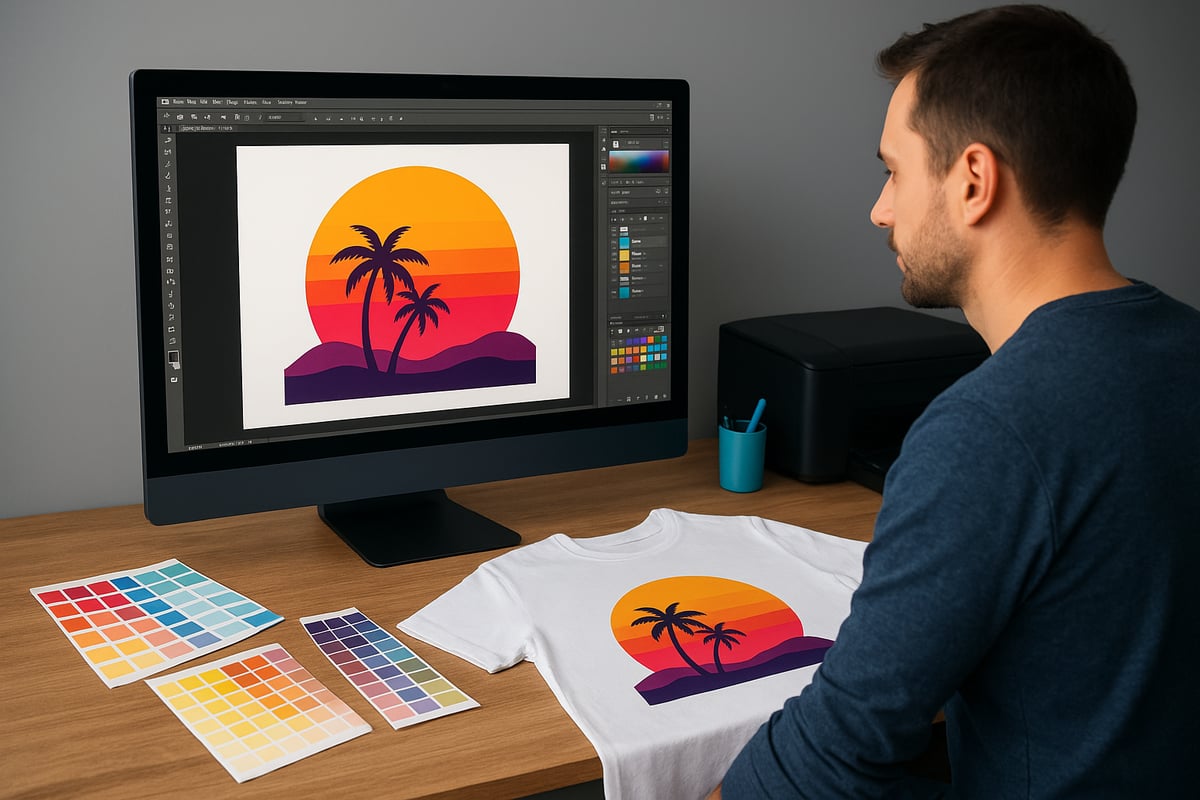
When printing pictures on t shirts, start with a high resolution image. Aim for a minimum of 300 DPI (dots per inch) to avoid pixelation and ensure sharp, detailed prints. Lower resolutions can lead to blurry results, especially on larger print areas.
Choose the right file format for best results:
A transparent background is essential if you want the design to blend seamlessly with the T-shirt colour. Always preview your image at actual print size to spot any flaws before printing pictures on t shirts.
Accurate colour management is crucial for printing pictures on t shirts. Convert your design from RGB (for screens) to CMYK, which most printers use, to ensure the printed colours match your digital preview. Calibrate your monitor regularly, as uncalibrated screens may show colours inaccurately.
Use colour profiles and soft proofing tools in your design software to simulate print results. Save your file in the correct format and double-check the resolution. If you are unsure which format or settings to use, refer to T-shirt printing techniques for guidance on matching your image to the print method.
Strong design choices are key to successful printing pictures on t shirts. Pay attention to contrast, as bold differences between image and shirt colour help your design stand out. Consider the composition and scale your image to fit various T-shirt sizes without losing detail.
Popular placements include:
Incorporate text or graphics carefully, ensuring they are legible and complement the image. Test your design on mockups to see how it looks on different shirt colours and fits. These steps help you achieve eye-catching results when printing pictures on t shirts.
Before printing pictures on t shirts, confirm you have the right to use the image. Using original artwork or purchasing a licence for stock images is safest. Avoid copying images from the internet, as this can lead to legal action. Recent court cases highlight the risks of unauthorised image use, with hefty fines for infringement.
If you need artwork, explore resources offering royalty-free or licensed images. Always keep documentation of permissions or licences. Protecting yourself legally ensures your printed T-shirts can be shared, sold, or worn with confidence.
Many issues with printing pictures on t shirts stem from avoidable errors. Watch out for:
Review failed print examples and learn from them. Always proof your image at full size and double-check all settings before sending to print. Careful preparation minimises costly mistakes and guarantees your T-shirt looks as good in person as it does on screen.
Ready to bring your favourite memories and designs to life? This step-by-step guide will walk you through the complete process of printing pictures on t shirts, from picking the perfect garment to caring for your finished masterpiece. Whether you're a hobbyist or a business owner, these practical steps will ensure your results are crisp, vibrant, and long-lasting.
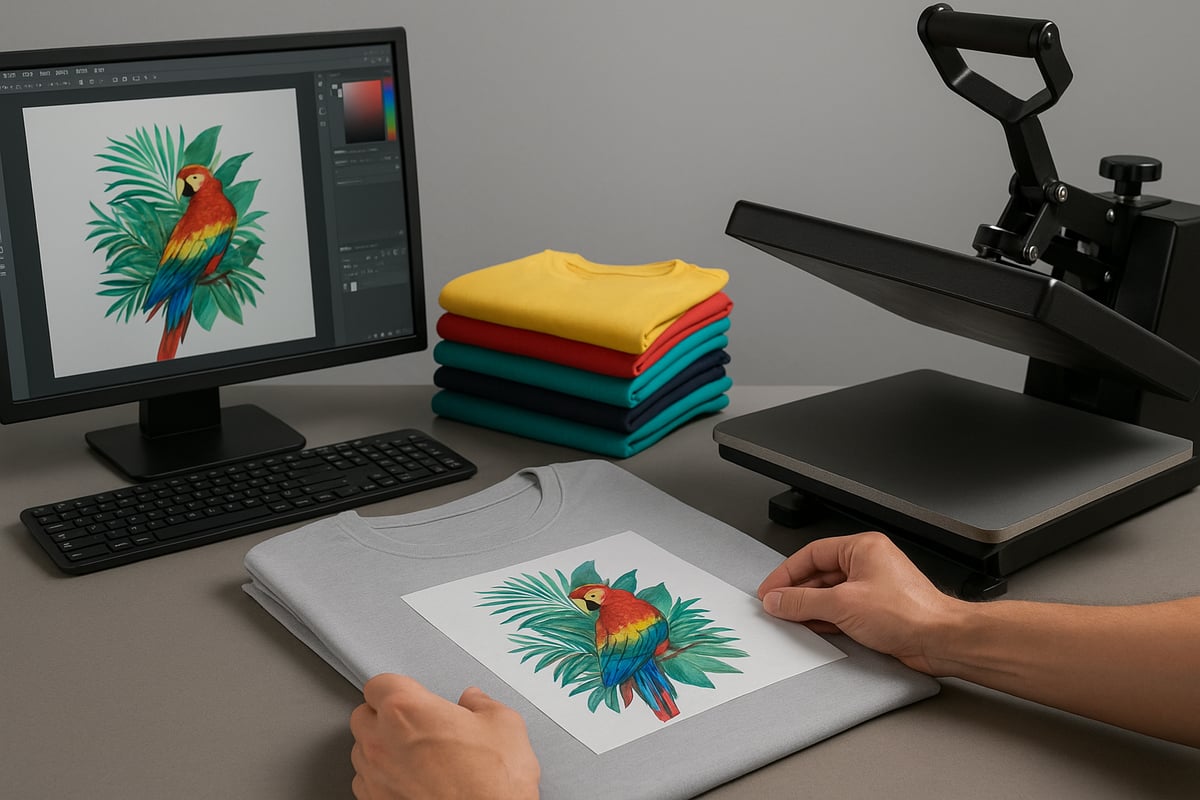
Choosing the right T-shirt is the foundation for successful printing pictures on t shirts. Start by considering fabric type. 100% cotton offers softness and high print clarity, while blends provide durability and reduced shrinkage. Polyester is ideal for sublimation printing due to its ability to hold vibrant colours.
Pay attention to garment weight for comfort and print visibility. The fit matters too, with options like unisex, women's, or children's cuts. If you’re designing for younger audiences, you might explore Kids’ custom T-shirts for suitable sizes and styles. Colour selection is crucial, as lighter T-shirts provide a neutral canvas for most designs.
Sustainability is increasingly important. Organic and recycled materials are now widely available, allowing you to align your project with eco-conscious values.
The next step in printing pictures on t shirts is preparing your image file for optimal results. Begin by editing your photo or artwork using professional design software such as Photoshop or Illustrator. Adjust brightness, contrast, and crop as needed to fit the intended print area.
Ensure your image resolution is at least 300 DPI for sharp detail. Save your file in a format that preserves quality, such as PNG or TIFF. If your design features a transparent background, confirm it is maintained in the export settings.
For vector graphics, use formats like AI or SVG to retain scalability. Double-check your file dimensions against the T-shirt size you have chosen to avoid distortion.
Selecting the right printing method is essential when printing pictures on t shirts. Assess your design complexity, fabric choice, order size, and budget.
Compare cost and turnaround time. For example, DTG is fast for single shirts, while screen printing is more economical for large batches. Consider the finish and durability each method offers for your specific project.
Once you’ve chosen your method, set up the print process for printing pictures on t shirts. Decide between home printing and professional print shops based on your needs and equipment.
For home setups, prepare your workspace with the required printer, heat press, or screen printing kit. Always pre-wash and iron your T-shirt to remove any residues and wrinkles. Apply any necessary pre-treatment for DTG or heat transfer methods.
Carefully align your image on the shirt, using rulers or guides to ensure precise placement. Mark the print area lightly with chalk or tape if needed.
Now, it’s time to execute the print. Each method for printing pictures on t shirts has unique steps:
Prepare a checklist of materials and equipment before starting. Monitor the process for issues like ink bleeding or colour mismatch. If you encounter misprints, adjust settings and run a test print before proceeding with the full batch.
Post-print finishing is crucial for ensuring longevity when printing pictures on t shirts. After printing, allow adequate curing or drying time based on your chosen method.
Inspect each shirt for alignment, colour accuracy, and any defects. Trim excess transfer material if needed. For screen-printed shirts, run a gentle heat press to set the ink and enhance durability.
Quality checks at this stage prevent customer returns and maintain your reputation for excellence. Package the finished T-shirts in clean, dry conditions to avoid smudging or fading.
Proper care extends the life of your finished product. When washing T-shirts after printing pictures on t shirts, turn them inside out and use a gentle, cool wash cycle. Avoid harsh detergents and bleach, which can damage prints.
Iron the T-shirt inside out or place a cloth over the design to protect it from direct heat. Air drying is preferable, but if using a tumble dryer, select a low-heat setting.
With careful handling, your printed T-shirts will retain their colour and vibrancy for years to come, making your unique creations wearable works of art.
Selecting the ideal T-shirt is essential for achieving vibrant, long-lasting results when printing pictures on t shirts. Material, construction, sizing, and cost all influence print quality and the overall look of your finished product. Let’s explore how to make the best choice for your next custom project.
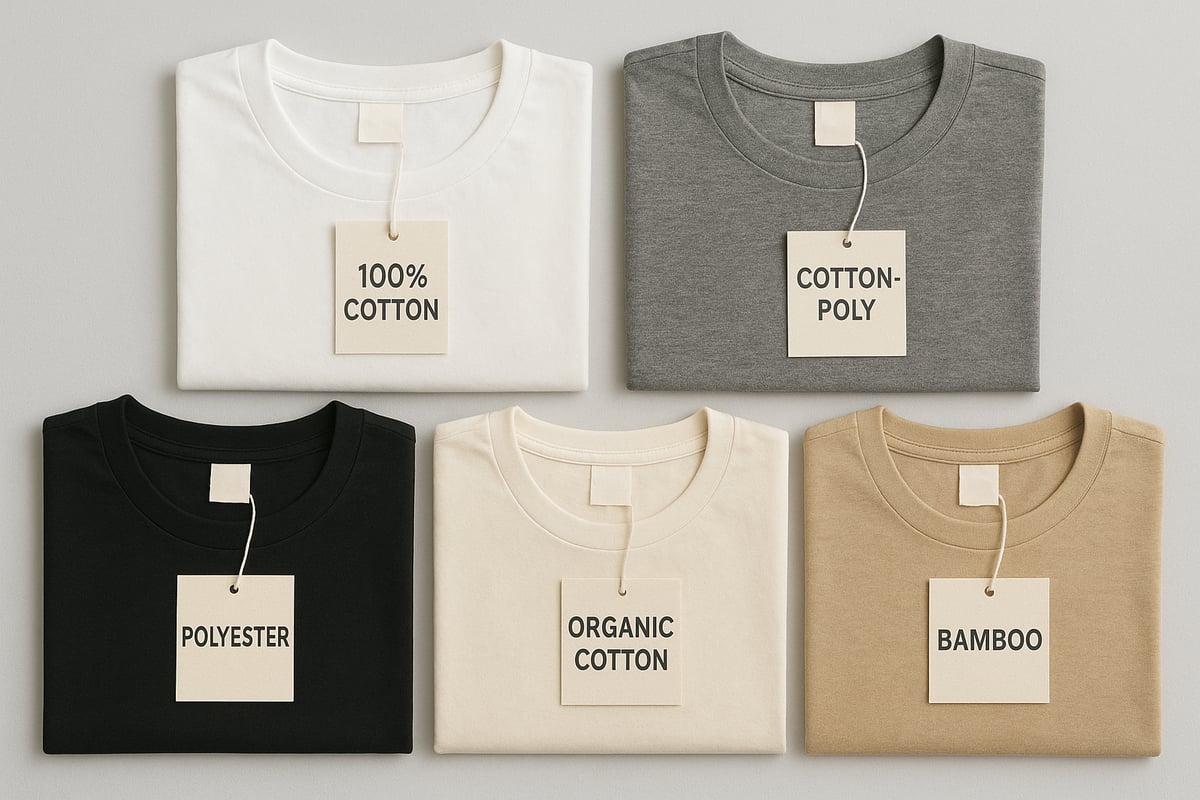
The fabric you choose has a significant impact on how printing pictures on t shirts turns out. 100 percent cotton is popular for its softness and excellent absorption of ink, making it perfect for direct-to-garment (DTG) printing. Cotton blends offer durability and less shrinkage, though prints may appear slightly less vibrant.
Polyester and performance fabrics are best suited for sublimation printing, which produces rich, long-lasting colours. Eco-friendly options, such as organic cotton, bamboo, and recycled fibres, are gaining popularity due to their minimal environmental impact. For further reading on sustainable practices and materials, see the Eco-Friendly T-Shirt Printing Trends.
Here’s a quick comparison:
| Fabric Type | Print Quality | Durability | Eco-Friendly | Best For |
|---|---|---|---|---|
| 100% Cotton | Excellent | Good | Varies | DTG, Screen |
| Cotton Blends | Good | Excellent | Varies | DTG, Heat Transfer |
| Polyester | Very Good | Excellent | Moderate | Sublimation |
| Organic/Bamboo | Good | Good | Excellent | DTG, Screen |
Choosing the right fabric ensures your design stands out and lasts.
T-shirt construction affects how your design appears when printing pictures on t shirts. Seamless T-shirts are ideal for large prints, as they offer a smooth canvas with fewer interruptions. Side-seamed shirts are more fitted and help maintain shape, which is useful for form-fitting styles.
Necklines, such as crew or V-neck, influence where your image can be placed. Sleeves also offer creative print opportunities, like adding logos or custom text. When planning print placement, always consider seams and stitching, as they can distort or interrupt the design.
Choose construction features that complement your artwork and enhance the finished look.
Sizing and fit are crucial when printing pictures on t shirts, as the same design can look vastly different across unisex, women’s, and kids’ styles. Unisex fits are versatile and suit most body types, while women’s and kids’ fits may require resizing or repositioning the artwork for optimal visual impact.
According to 2025 UK sales statistics, classic crew necks and relaxed fits remain the most popular T-shirt styles. Always review size charts and consider the target audience to ensure your design is displayed to its best advantage.
Adapting your artwork for each fit will help maintain professional results and customer satisfaction.
Material choice directly affects the cost of printing pictures on t shirts. Standard cotton shirts are generally the most affordable, while premium and eco-friendly garments come at a higher price due to quality and sustainability factors.
Bulk ordering can lower the unit price significantly, and many suppliers offer custom bundle options for mixed sizes or colours. Here is a basic price comparison:
| Material Type | Average Price (per shirt) | Bulk Discount Potential |
|---|---|---|
| Standard Cotton | £2.00–£4.00 | High |
| Premium Blends | £4.00–£6.00 | Moderate |
| Eco-Friendly Fabrics | £6.00–£8.00 | Moderate |
Balancing quality, sustainability, and budget ensures you get the best value for your printing project.
Choosing between home and professional services for printing pictures on t shirts depends on your needs, budget, and expectations. Both approaches offer unique advantages and limitations, so understanding these can help you make the right decision.
For many, printing pictures on t shirts at home is an appealing option. Entry-level direct-to-garment and heat transfer presses are now more affordable and user-friendly. DIY printing provides flexibility, creative control, and instant results for small batches or personal projects.
However, home setups have limitations. Print size is often restricted, and achieving consistent colour accuracy or long-lasting results can be challenging. Proper tools, such as a heat press, quality printer, and compatible inks, are essential for best outcomes.
When you want superior quality or need to produce large volumes, professional services for printing pictures on t shirts are the top choice. Commercial printers offer advanced technologies, ensuring vibrant colours, durability, and precision.
You also benefit from expert guidance, efficient turnaround, and comprehensive support. For organisations, schools, or businesses, professional print shops can handle uniform and workwear orders, as seen in workwear and uniform printing, providing consistent branding and finish.
Understanding the costs of printing pictures on t shirts is vital for making an informed choice. DIY printing requires an upfront investment in equipment and supplies, but ongoing costs per shirt may be lower for small runs.
| Option | Initial Cost | Per-Shirt Cost | Best For |
|---|---|---|---|
| DIY | High | Low | One-offs, hobbies |
| Professional | None | Medium-High | Bulk, businesses |
Professional services often offer discounts for bulk orders, and you avoid maintenance or technical issues.
Deciding between DIY and professional printing pictures on t shirts depends on your goals. Consider these points:
Checklist:
For those seeking expert help with printing pictures on t shirts, OK T-Shirt in Birmingham offers a full spectrum of custom solutions. Their team provides fast turnaround, a wide garment selection, and design support for every need.
From schools and sports teams to local businesses, clients trust OK T-Shirt for high-quality prints and embroidery. The company’s local expertise ensures your project receives personal attention and precision. Contact OK T-Shirt to get a competitive quote and bring your T-shirt vision to life.
The world of printing pictures on t shirts is rapidly evolving, with new trends shaping the future of personalised apparel. Staying informed about these changes is essential for anyone looking to achieve standout results.
Personalisation continues to drive the popularity of printing pictures on t shirts across the UK and Europe. Consumers now expect unique, made-to-order garments, and brands are responding with on-demand services that reduce waste and inventory. According to recent market research, the custom T-shirt printing sector is projected to reach new heights by 2026, reflecting both consumer demand and technological advances. For more details on market growth and industry projections, see Custom T-Shirt Printing Market Growth.
Brands are leveraging digital platforms to let customers design and preview their own shirts. This trend is making printing pictures on t shirts more accessible than ever before.
Sustainability is now central to printing pictures on t shirts. Innovations include water-based inks, biodegradable materials, and closed-loop printing systems that minimise waste. Many UK printers are adopting organic cotton, bamboo, and recycled fibres to meet growing consumer demand for ethical fashion choices.
These eco-conscious advances not only benefit the environment but also appeal to customers who value responsible manufacturing. The shift towards greener solutions is expected to accelerate in the coming years.
Artificial intelligence is transforming how people approach printing pictures on t shirts. AI-powered design tools offer instant suggestions, optimise image placement, and even identify potential issues before printing. Workflow automation allows for faster production and improved customisation options.
To understand how AI and digital design are reshaping the industry, read AI and Digital Design in T-Shirt Printing. These innovations are set to make high-quality, bespoke T-shirt printing more efficient and reliable.
Creative effects are taking printing pictures on t shirts to a new level. Techniques like glow-in-the-dark prints, 3D puff inks, and metallic finishes are now available through advanced printing methods. Leading fashion brands are experimenting with these effects to create memorable, tactile designs.
As technology advances, expect even more unique options to emerge, giving designers and customers greater freedom to express themselves through wearable art.
By 2026, printing pictures on t shirts at home will be easier than ever. Compact, affordable printers are becoming more accessible to consumers, allowing for professional-quality results without the need for a commercial setup. User-friendly interfaces and improved print durability make home printing a viable option for hobbyists and small businesses alike.
Industry experts predict that as technology continues to advance, the gap between home and professional printing will narrow, making custom T-shirt creation part of everyday life.

OK T-Shirt
126 Beeches Rd
Birmingham
B42 2HQ
