Cheap Printed T-Shirts UK: Quality & Value Guide 2026
Discover how to source cheap printed t-shirts UK without compromising…
Thinking of creating custom tees in 2026? The right print can make all the difference. With printing t solutions more advanced than ever, custom T-shirt printing is booming for individuals, businesses, and events alike.
This guide is designed to give you expert, up-to-date advice for printing t shirts that stand out. You will discover the essentials of printing basics, design tips, choosing materials, the step-by-step process, cost factors, and what trends to expect in the future. Whether you want professional results or just a unique look, you will find actionable guidance here.
Custom T-shirt printing t has transformed significantly in recent years. Whether you are creating tees for personal use, business branding, or special events, understanding the latest developments is crucial. Let us explore how printing t evolved, current methods, market trends, and the pitfalls to avoid for the best results.
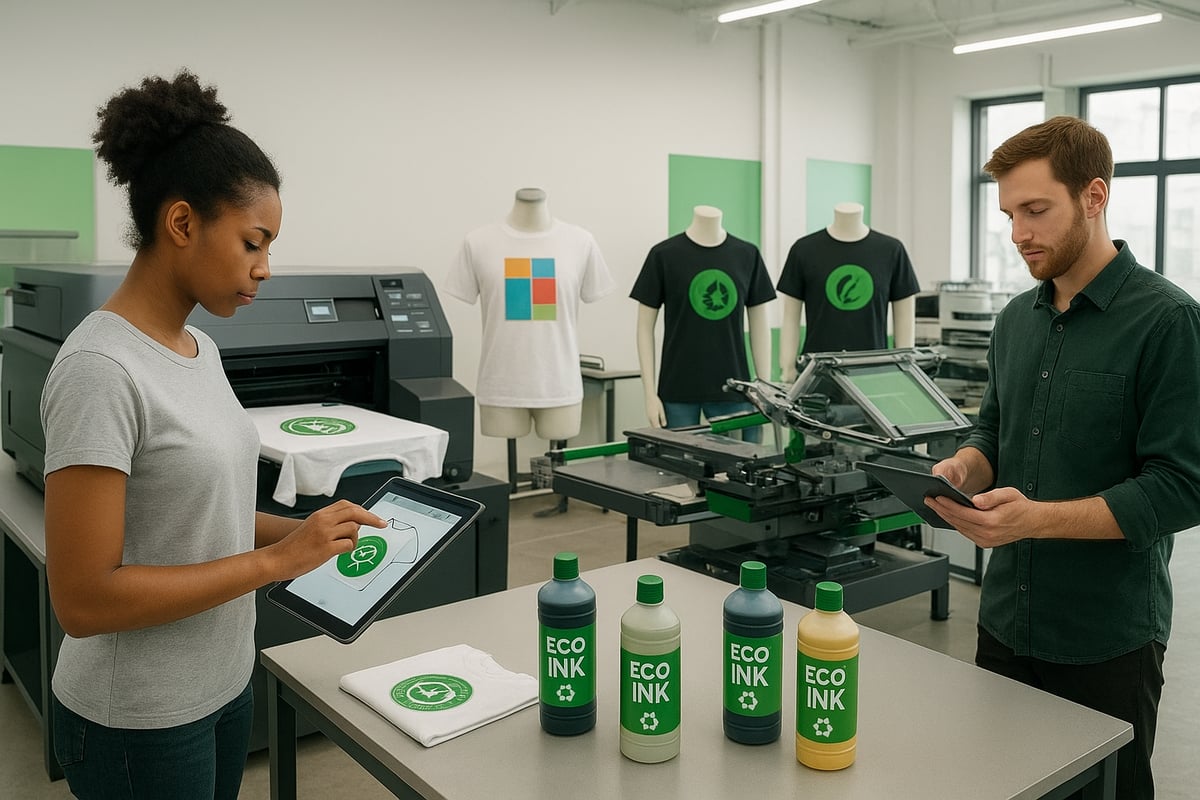
The journey of printing t has been marked by remarkable innovation. From basic screen printing to today's digital marvels, the industry has embraced rapid change. Digital printing now offers sharp, colourful results with shorter lead times.
Eco-friendly technologies are also at the forefront, with water-based inks and energy-efficient machines gaining traction. Small-batch orders and personalised prints are on the rise, thanks to sophisticated online platforms. AI-driven design tools help users create unique designs quickly, while automation streamlines production. Sustainability is no longer optional, as both businesses and consumers demand greener solutions in printing t.
When it comes to printing t, several methods stand out in 2026. Screen printing remains popular for its vibrant colours and longevity, especially in bulk orders. Direct-to-Garment (DTG) printing excels at detailed, multi-colour artwork and is ideal for small runs. Heat transfer and sublimation offer versatility for complex designs, though they may not suit every fabric.
Embroidery is the go-to for stitched logos and premium finishes. Hybrid methods, blending digital and traditional techniques, are gaining ground for their flexibility. For a deeper dive into these techniques and real-world examples, visit T-Shirt Printing Methods Explained. Choosing the right method depends on your project, fabric, and design goals in printing t.
Each printing t technique has unique advantages and limitations. Screen printing delivers durability and value for larger orders, but setup costs can be high. DTG is perfect for small batches, offering fast turnaround and excellent detail, but may lack the durability of screen prints.
Heat transfer and sublimation shine with photographic images and custom effects, yet can struggle with certain fabrics. Embroidery stands out for its tactile quality, but is best for simple, bold designs. Consider turnaround time, cost per unit, minimum order quantities, and environmental impact when deciding on your ideal printing t method.
| Method | Durability | Cost | Best Use Cases | Eco Impact |
|---|---|---|---|---|
| Screen Print | High | Medium-Low | Bulk orders, bold logos | Moderate |
| DTG | Medium | Medium | Small runs, detailed art | Low |
| Sublimation | Medium | Medium | Poly tees, photo prints | Low |
| Embroidery | Highest | High | Workwear, uniforms | Moderate |
The UK custom T-shirt market is experiencing strong growth, with a projected 8 percent CAGR from 2022 to 2026. Small businesses and event organisers are increasingly turning to printing t for branded apparel and promotional campaigns.
Demand for organic and recycled materials is surging, reflecting the public’s focus on sustainability. Competitor data shows bulk discounts reaching up to 38 percent, and express delivery has become a standard expectation. These trends highlight the importance of speed, flexibility, and environmental responsibility in today’s printing t landscape.
Achieving the perfect printing t result requires careful planning. A frequent mistake is submitting artwork with low resolution, which can lead to blurry prints. Selecting an unsuitable printing method for your chosen garment often results in poor durability or colour mismatch.
Underestimating lead times, especially for large orders, can disrupt event schedules. Ignoring fabric compatibility may cause prints to crack or fade prematurely. Finally, overlooking proper aftercare instructions can shorten the lifespan of your printed tees. By staying aware of these pitfalls, you ensure your printing t project is a long-lasting success.
Designing your own custom tee is both exciting and rewarding, but the right approach can turn a simple idea into a standout piece. To achieve professional results with your printing t project, you need to understand the essentials of impactful design, artwork preparation, colour choices, placement, and collaboration. Below, discover expert tips to help you create a tee that is both memorable and wearable.
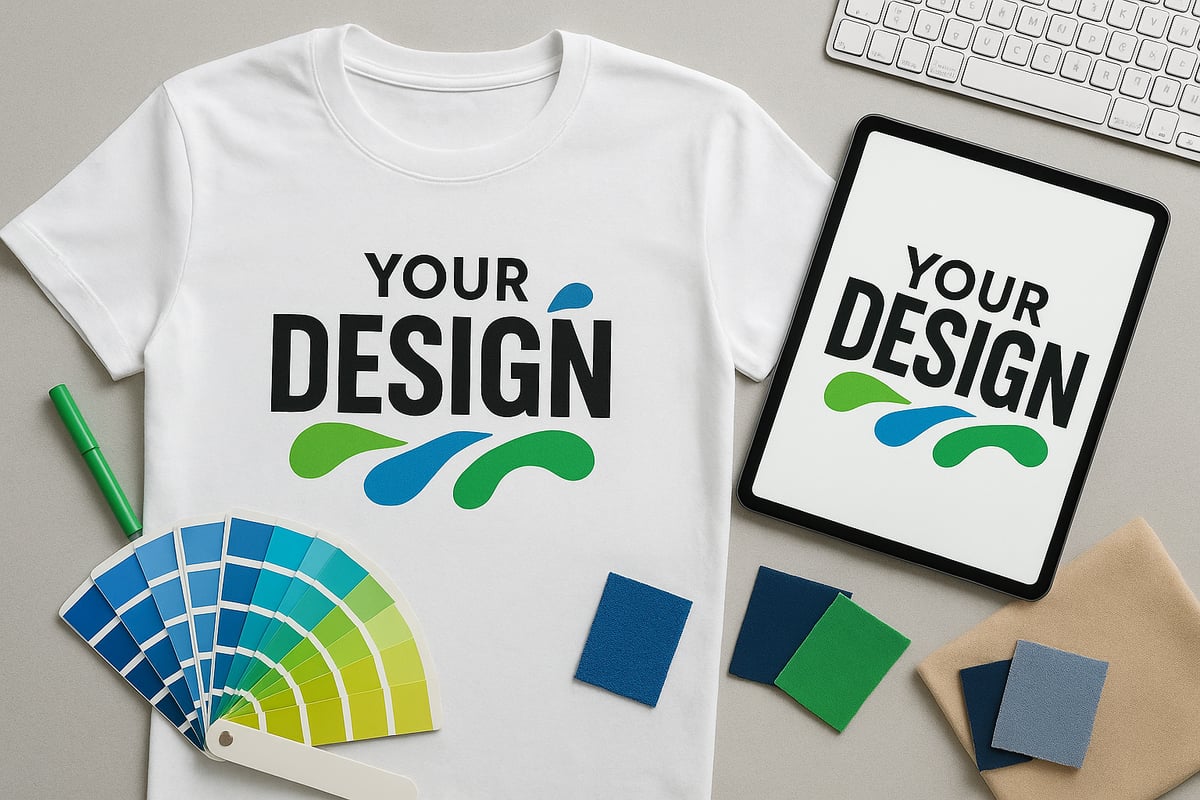
A successful printing t project starts with a design that captures attention and communicates your message clearly. Focus on unique artwork that stands out from the crowd. Use bold colours and easy-to-read fonts to ensure your tee is visually appealing even from a distance.
Balance the image size and placement to avoid overcrowding or awkward layouts. Today, AI design tools offer inspiration and help refine your ideas. Popular trends in 2026 include minimalist motifs, retro graphics, and eco-themed visuals. For more inspiration and real-world examples, explore T-Shirt Design Trends and Stories, where you will find creative approaches and the latest styles.
To avoid disappointment with your printing t results, always prepare your artwork using the correct file formats. Vector files (such as .AI or .EPS) are preferred for sharp lines, while high-resolution raster images (300 DPI or higher) are suitable for photographs. Choose CMYK colour mode to match print output accurately.
Ensure transparency is properly set and avoid pixelation by using large, clear images. Many print providers offer templates—use them to check sizing and placement. Common mistakes include submitting low-resolution images or leaving fonts unconverted, which can compromise the final print quality.
Selecting the right colours and effects can elevate your printing t from ordinary to outstanding. For brand consistency, use Pantone matching to ensure colours remain true across all garments. Experiment with special inks, such as metallic, neon, or glow-in-the-dark, to create unique finishes.
Consider using gradients, halftones, or layering to add depth and interest. Always account for the garment’s base colour—light shirts display colours differently than dark ones. According to UK print shops, navy, black, and classic white remain the most requested colours, but brighter shades are on the rise for 2026.
Careful attention to sizing and placement ensures your printing t looks great on every body type. Standard print areas include the centre front, back, and sleeves. For logos and text, maintain alignment and consistent spacing to achieve a polished look.
Adapt your design for different T-shirt sizes, from XS to 5XL, so it appears balanced on all garments. Use online mock-up tools to visualise the final result before committing to print. Many providers, such as TShirt Studio, offer size options and placement guides to support your planning.
Even experienced designers can make mistakes that affect printing t quality. Avoid overcomplicating your artwork—too much detail can be lost in the print process. Always include bleed and safe zones to prevent important elements from being trimmed.
Account for possible garment shrinkage, which may impact placement and sizing. Test your design on a sample garment whenever possible to catch issues early. Customer feedback highlights the importance of simplicity and clarity for designs that truly resonate.
If you are new to printing t or want a truly professional result, consider working with an experienced designer. Professional input brings fresh ideas, technical expertise, and a keen eye for detail. When briefing your designer, clearly explain your vision, target audience, and any essential brand elements.
Collaboration tools like shared digital boards or cloud folders streamline communication and revisions. One small business achieved campaign success by using design support to refine their concept and achieve a cohesive look. Expect to budget for design services, but the results often justify the investment.
Choosing the right materials is essential for professional results when it comes to printing t. The fabric you select not only affects the look and feel but also the durability and print quality. Let us explore the main fabric options and what makes each one stand out.
When selecting materials for printing t, the most popular choice remains 100% cotton due to its softness, breathability, and ease of printing. Cotton is ideal for everyday wear and provides a classic feel. Polyester and poly-cotton blends are preferred for their durability and moisture-wicking properties, making them suitable for sports or workwear.
Eco-friendly options, including organic cotton and recycled fabrics, are gaining ground among environmentally conscious consumers. GSM (grams per square metre) indicates fabric weight and density, with higher GSM offering a heavier, more premium feel. For a variety of fabric options and styles, the T-Shirt Product Range provides an excellent overview.
Selecting the perfect style is just as important as fabric choice for printing t. Unisex tees are versatile for group orders, while fitted and oversized cuts cater to specific fashion preferences. Classic round necks remain popular, but V-neck and scoop necklines offer a modern twist.
Sleeve length, from short to long, and specialty cuts like raglan or cropped designs, allow for further customisation. Fashion-forward and sustainable options are trending, giving you more choices to suit your needs. Refer to product guides for advice on matching style with your intended use.
Getting the right fit is crucial when ordering printing t, especially for teams or events. UK and EU sizing standards vary, so always check size charts provided by your supplier. Inclusive sizing, from XS to 5XL, ensures everyone is catered for.
Pre-shrunk fabrics help maintain fit after washing, reducing returns and complaints. Customer reviews often highlight comfort and fit as top priorities, so consider ordering samples for bulk orders. Accurate sizing leads to higher satisfaction and repeat business.
Not all fabrics are equally suited to every printing t method. Cotton works well with screen printing and direct-to-garment (DTG), delivering vibrant colours and sharp detail. Polyester and blends require careful selection of inks to prevent bleeding or fading, especially with sublimation.
Performance fabrics may need specialised inks or embroidery for lasting results. Thicker materials handle embroidery well, while lightweight tees benefit from DTG or heat transfer. Comparing options like Gildan Heavy Cotton and Stanley Stella Organic helps you match print method to material.
Bulk ordering printing t brings significant cost advantages, with discounts of up to 38% for large quantities. This is ideal for businesses, schools, or events needing consistent branding. Many suppliers let you mix sizes, colours, or styles within one order for flexibility.
Customisation options extend to adding names, numbers, or logos for teams and organisations. Express shipping and quick turnaround times are increasingly available, ensuring you meet tight deadlines. Bundle deals and package offers maximise value for your project.
OK T-Shirt in Birmingham stands out as a trusted partner with over a decade of experience in custom printed and embroidered clothing. Their extensive range includes T-shirts, hoodies, workwear, school uniforms, and accessories to suit any need.
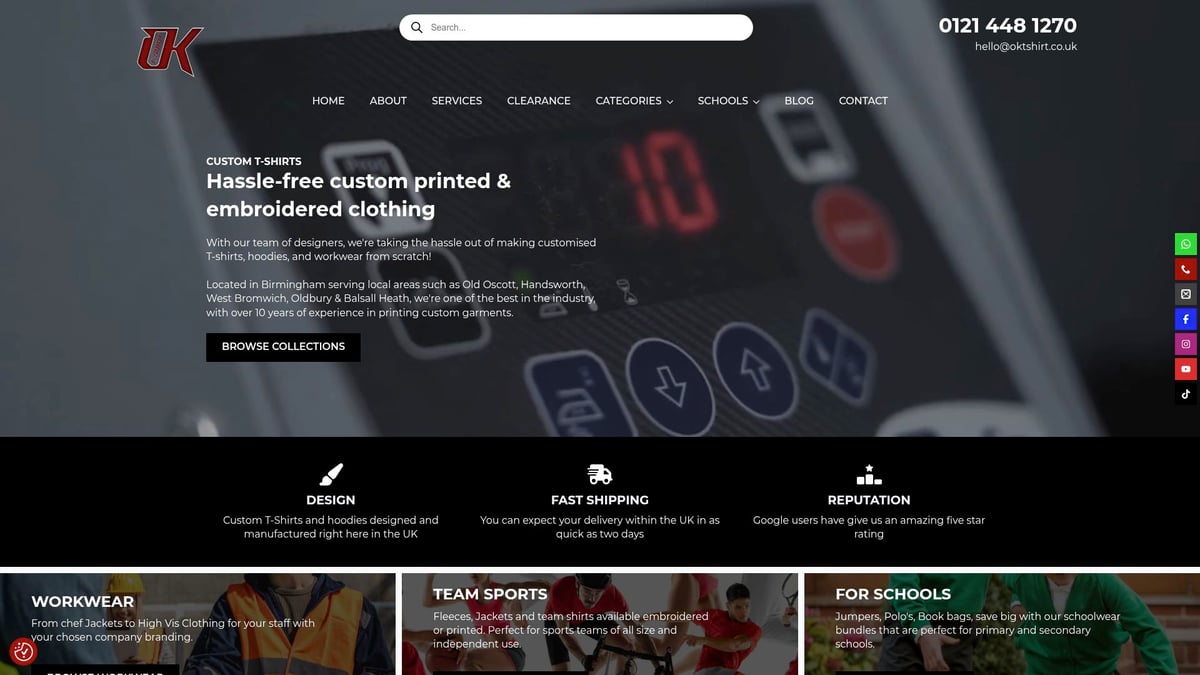
With fast UK shipping, many orders arrive in just two days. Their in-house design support makes customisation easy and hassle-free. Businesses, schools, sports teams, and individuals rely on their quality, reliability, and five-star customer service. For professional, durable, and personalised solutions, OK T-Shirt is a top choice.
Embarking on a printing t project can feel daunting, but a clear, methodical approach ensures professional results. Whether you are designing tees for an event, business, or personal use, following each step closely will help you achieve the best outcome. Let’s break down the process into manageable stages so you can move from concept to finished product with confidence.
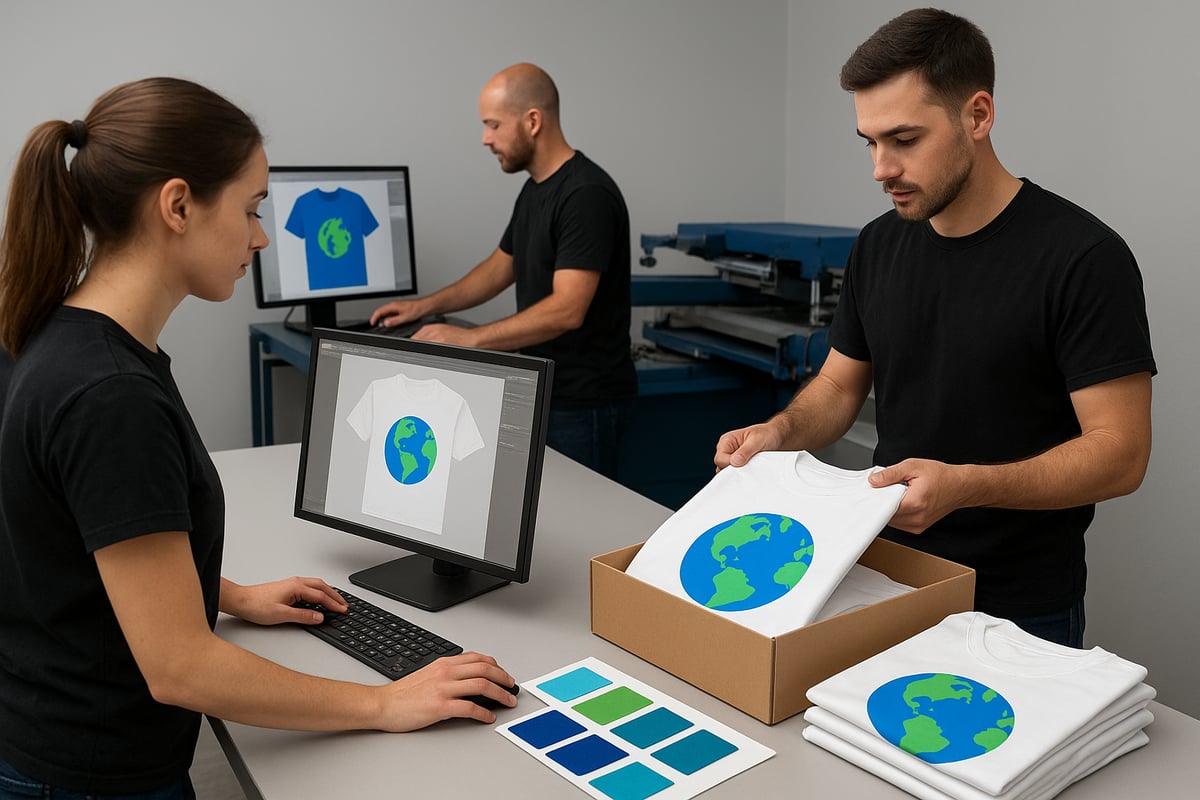
Begin your printing t journey by clarifying the objective. Are you creating tees for a corporate event, a sports team, or a personal project? Understanding your purpose will influence design choices and the level of customisation needed.
Next, establish a realistic budget. Factor in the number of shirts, print method, garment quality, and any design or delivery costs. For example, basic tees may start at £10, while premium options can reach £22.50 each. Remember to include potential express fees or bulk discounts when calculating your overall printing t expenses.
Selecting the right print method is vital for your printing t success. Screen printing works well for large orders with simple designs, while Direct-to-Garment excels for detailed, colourful artwork and small runs. Consider your artwork and quantity when making a choice.
Research reputable suppliers by checking reviews and portfolios. If you are based in Birmingham, Custom T-Shirt Printing Birmingham offers a reliable local solution with fast turnaround. Always compare quality, turnaround times, and customer service to find the best fit for your printing t needs.
Your artwork preparation is crucial for a smooth printing t process. Ensure your files are high-resolution, ideally in vector format for sharp results. Confirm colour modes (CMYK for printing), and use supplier templates when available.
Submit your design through the supplier’s online portal or by email, following their file requirements closely. Request a digital proof or mock-up to visualise the final outcome. Double-check all details, as errors here can delay your printing t order.
Upon receiving proofs, review every detail. Check for colour accuracy, correct placement, and that all sizes and quantities match your needs. If changes are needed, communicate them promptly.
Once satisfied, approve the proofs and confirm the order. Be sure you understand your supplier’s revision policies, as this can affect your printing t timeline. A careful check at this stage prevents mistakes in production and ensures your expectations are met.
With your printing t order approved, production begins. The process varies by print method: screen printing involves creating stencils, while DTG prints directly onto garments. Quality control checks are vital—look for consistent alignment, vibrant colours, and flawless garments.
Production times typically range from two to seven days, depending on quantity and method. Maintain communication with your supplier throughout, so you stay informed about your printing t progress and can address any issues swiftly.
Your printing t order will usually arrive within a few days, especially with express shipping. Track your delivery and inspect the items as soon as they arrive.
Check for any misprints, damages, or discrepancies in your order. If issues arise, contact your supplier immediately to resolve them. Familiarise yourself with return and reprint policies to ensure your printing t investment is protected and you receive the quality you expect.
Proper aftercare extends the life of your printing t products. Wash printed tees inside out in cool water, and avoid high-heat drying or ironing directly on the design. Special inks or embroidery may require additional care.
For businesses, provide customers with clear aftercare instructions. This helps prevent premature wear and keeps your printing t creations looking their best for longer. Simple maintenance routines make a significant difference in durability and satisfaction.
Understanding the cost, quality, and sustainability factors in printing t is essential for anyone seeking professional results. With new technologies and evolving consumer preferences, knowing what to look for can make your next custom project both affordable and impactful.
When budgeting for printing t, several factors influence the final price. The main variables are print method, garment type, order quantity, and design complexity. For example, screen printing is cost-effective for bulk orders, while direct-to-garment (DTG) suits small batches and detailed artwork.
Here is a quick comparison of typical UK pricing:
| Quantity | Screen Printing | DTG | Embroidery |
|---|---|---|---|
| 1–10 | £15–£30 | £12–£25 | £18–£32 |
| 11–50 | £8–£18 | £10–£18 | £12–£22 |
| 51–100+ | £6–£14 | £8–£14 | £10–£18 |
Extra charges may include setup fees, express shipping, or complex designs. Always ask for a detailed quote before confirming your printing t order.
Quality is non-negotiable in printing t, as it directly affects appearance and longevity. High quality prints are sharp, vibrant, and resistant to fading or cracking. Key indicators include ink saturation, print alignment, and consistency across garments.
To assess garment quality, check for fabric weight (GSM), softness, and stitching. Top UK suppliers often display certifications or offer sample swatches. Customer reviews and ratings, such as Trustpilot scores, provide valuable insight into both print and garment standards.
A reputable provider will also guarantee their printing t, ensuring any issues are resolved promptly.
Sustainability is now a major priority in printing t. Many brands and customers prefer organic cotton, recycled fabrics, and water-based inks. These choices reduce environmental impact without sacrificing quality or durability.
Look for suppliers who use renewable energy, minimise waste, and offer eco-certified products. According to eco-friendly trends in T-shirt printing, demand for green materials and processes is rising rapidly in the UK. Ask your provider about their environmental policies to ensure your printing t aligns with your values.
Choosing the right supplier can make or break your printing t experience. Reliable companies communicate clearly, offer transparent pricing, and provide design support. Check online reviews, case studies, and customer testimonials to gauge reputation.
A trustworthy supplier will guide you through the process, from design to delivery, and help you navigate any challenges. Look for clear return and reprint policies as well as responsive customer service. These factors ensure your printing t project is completed to a high standard, on time, and within budget.
The world of printing t is evolving rapidly, shaped by technology, sustainability, and changing consumer demands. Looking ahead to 2026 and beyond, several trends are set to define the industry. From smarter machines to greener practices, here is what you need to know to stay ahead.
Printing t is embracing a new era of innovation. In 2026, AI-driven design tools are empowering both professionals and beginners to create standout graphics with ease. Automation is streamlining workflows, from design upload to final print. Direct-to-garment (DTG) and hybrid printing techniques now deliver photorealistic colours and detail on a wider range of fabrics.
Smart textiles, such as interactive or temperature-sensitive inks, are becoming more accessible, offering unique possibilities for fashion and branding. For a closer look at these advancements, see the latest innovations in T-shirt printing technology for 2025.
This wave of progress ensures printing t remains at the cutting edge, providing customers with higher quality and more creative options.
Demand for personalised printing t solutions has never been higher. On-demand production platforms now allow anyone to design and order one-off or micro-batch tees with real-time previews. This shift is transforming how businesses, event organisers, and individuals approach merchandising.
Live design tools let users see their creations instantly, eliminating guesswork and speeding up the process. The flexibility to order exactly what you need, when you need it, reduces waste and meets the fast-paced needs of modern brands.
As printing t becomes more responsive, expect even greater customisation and shorter turnaround times for both small and large orders.
Sustainability is now central to the printing t industry. Consumers are seeking more than just style—they want transparency, ethical sourcing, and eco-friendly materials. UK suppliers are increasingly offering organic cotton, recycled blends, and water-based inks.
Certifications like Fairtrade, GOTS, and OEKO-TEX are becoming standard, providing assurance of responsible production. Companies are also investing in greener manufacturing processes and traceable supply chains.
Looking forward, printing t providers will likely face stricter environmental standards, pushing the industry toward even more sustainable practices.
The global market for printing t is set for robust growth through 2030, with the UK leading in innovation and demand. E-commerce, fashion, and corporate branding continue to drive expansion, while new technologies make custom apparel more accessible than ever.
Recent data suggests the UK custom T-shirt market is projected to grow at a strong pace, fuelled by events, small businesses, and a trend towards unique, high-quality garments. For detailed figures and market forecasts, visit the UK custom T-shirt market growth statistics.
With opportunities for schools, teams, and entrepreneurs, printing t will remain a dynamic and profitable sector for years to come.

OK T-Shirt
126 Beeches Rd
Birmingham
B42 2HQ
