Cheap Printed T-Shirts UK: Quality & Value Guide 2026
Discover how to source cheap printed t-shirts UK without compromising…
Unlock the secrets to flawless printing tops in 2026, where fashion meets cutting-edge innovation. This expert handbook will equip you with the knowledge to master every aspect of printing tops, from the latest design trends to groundbreaking technology.
Explore advanced printing methods, discover the best materials, and learn strategies for standout custom designs. Stay ahead with insights on sustainability and a step-by-step guide to the entire process. Whether you are a designer, business owner, or enthusiast, this guide provides practical, actionable advice to help you create printing tops that truly stand out.
Printing tops is entering a new era in 2026, with innovation driving every stage from technology to design. The industry is evolving rapidly, shaped by advances in digital methods, changing consumer tastes, and a strong focus on sustainability. Understanding these trends is essential for anyone looking to create standout, future-proof printed tops.
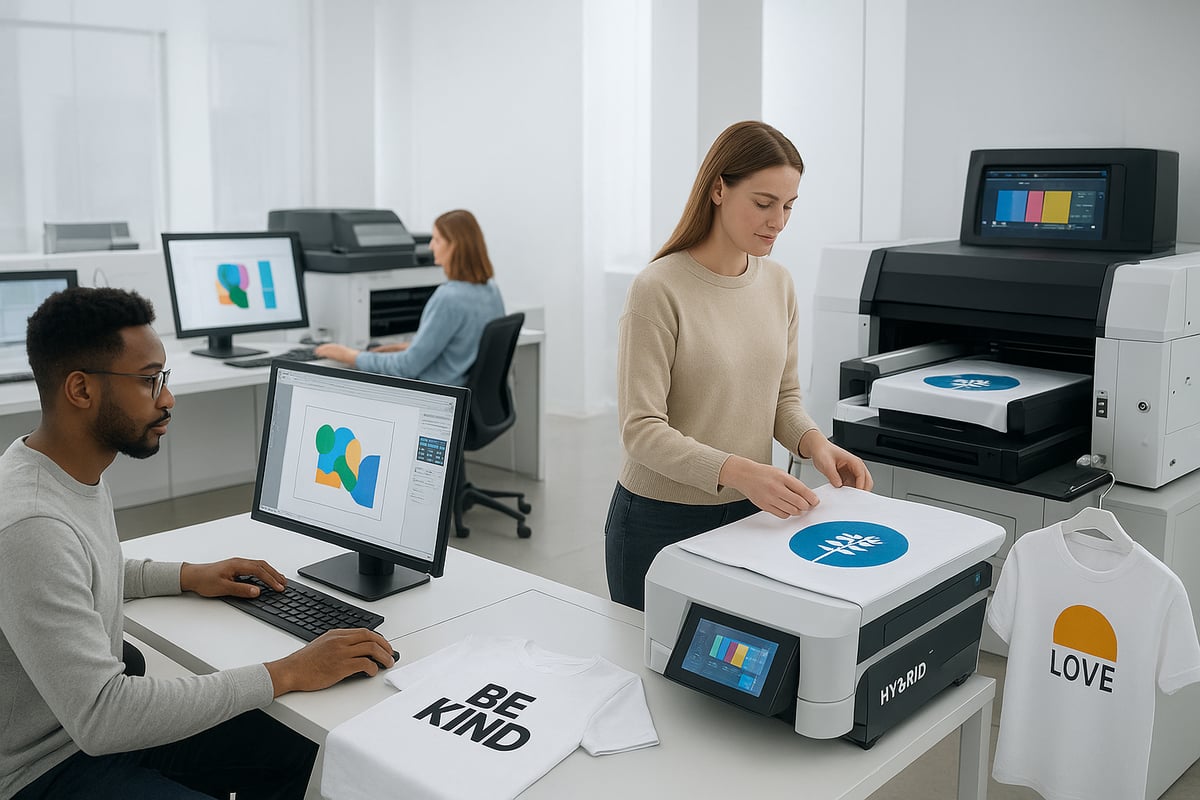
The landscape for printing tops is being transformed by advanced technologies. Direct-to-Garment (DTG) printing has become more versatile, offering greater design flexibility and the ability to produce vibrant, detailed prints on demand. Eco-friendly digital printing methods are now the standard, reducing waste and environmental impact.
Hybrid printing, which combines the strengths of screen and digital processes, is gaining ground for its ability to create unique textures and special effects. Automation and artificial intelligence are streamlining workflows, enabling faster turnaround and higher consistency in print quality. Smart textiles, such as tops embedded with wearable tech, are opening new creative possibilities for brands and consumers alike.
These innovations make printing tops more accessible, efficient, and sustainable than ever before.
In 2026, printing tops reflects a blend of minimalist and bold aesthetics. Minimalist graphics with clean lines appeal to those who value subtlety, while large, statement prints cater to individuals seeking to make an impact. Retro and Y2K-inspired designs are resurging, with nostalgic motifs and playful colours dominating collections.
Personalisation is at the heart of current trends, from printed names and numbers to augmented reality features that interact with smartphones. In fact, 65 percent of custom apparel orders in 2025 included some form of unique personalisation, highlighting its importance in the market.
Designers are using data-driven insights to predict trends and tailor printing tops to evolving tastes, ensuring each piece feels relevant and distinctive.
The demand for sustainable and ethically produced printing tops continues to rise. Consumers are increasingly aware of the environmental impact of their choices, favouring brands that prioritise eco-friendly materials and responsible production practices. Local production is also gaining traction, offering quicker turnaround times and supporting regional economies.
Leading UK brands have reported a 30 percent year-on-year growth in custom printed tops, driven by personalisation and sustainability. For a deeper understanding of these industry shifts, the Custom T-Shirt Printing Market Analysis offers comprehensive insights into trends and forecasts for the sector.
These market changes present both opportunities and responsibilities for those involved in printing tops.
Navigating the world of printing tops in 2026 comes with its own challenges. Balancing cost, speed, and quality remains a constant struggle in a highly competitive market. Fashion cycles are changing faster than ever, requiring brands to be agile and responsive.
Opportunities abound in niche markets such as esports and micro-influencer branding, where unique, small-batch runs are in high demand. By investing in flexible production and embracing new technologies, businesses can turn challenges into growth. Staying ahead in printing tops means adapting quickly, maintaining quality, and always listening to what consumers want.
Selecting the right materials is crucial for achieving exceptional results when printing tops. The fabric you choose not only influences print clarity and feel but also impacts durability, comfort, and sustainability. Let us explore the best options for 2026, ensuring your printing tops project stands out for all the right reasons.
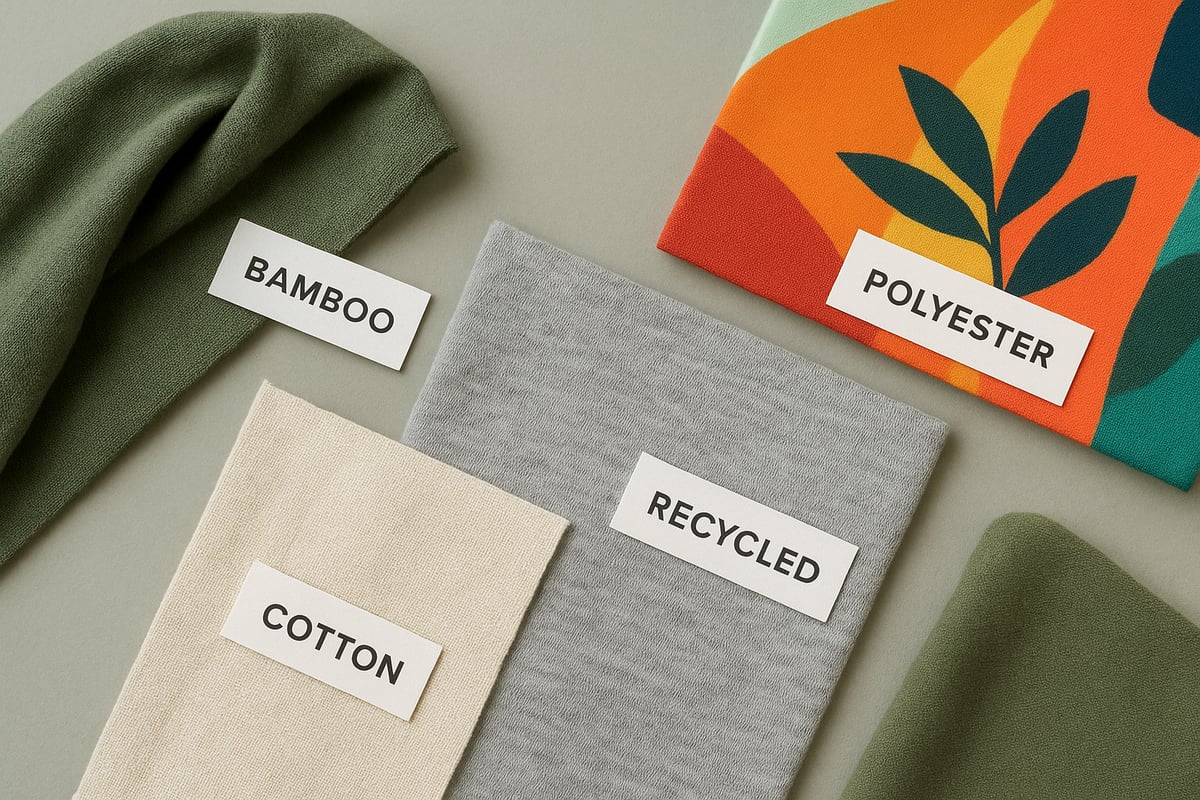
When it comes to printing tops, fabric selection makes a significant difference. Cotton remains the classic favourite, prized for its softness and ability to hold vibrant inks. Ring-spun cotton, in particular, offers a smoother surface, ideal for detailed prints.
Polyester is the top choice for sportswear, thanks to its durability and moisture-wicking properties. It pairs well with sublimation, a method that produces long-lasting, colourful results. Blended fabrics, such as cotton-poly blends, balance comfort and resilience, making them versatile for various printing tops styles.
Organic and recycled fabrics are gaining traction, especially among eco-conscious brands. These materials support high-quality prints while meeting modern sustainability standards.
Print quality and fabric performance go hand in hand when producing printing tops. Different fabrics yield varying results in terms of sharpness, colour vibrancy, and longevity.
For example, DTG prints last 30 percent longer on ring-spun cotton compared to regular cotton. Polyester excels with sublimation, offering bold, fade-resistant designs. However, natural fibres like cotton may experience some shrinkage, affecting print alignment if not pre-washed.
Breathability and washability are essential factors too. Fabrics that maintain their structure after repeated washing ensure your printing tops look fresh wear after wear.
| Fabric Type | Print Method | Durability | Breathability |
|---|---|---|---|
| Cotton | DTG, Screen | High | Excellent |
| Polyester | Sublimation | Very High | Good |
| Blends | DTG, Screen, Heat | High | Very Good |
| Organic/Recycled | DTG, Screen | High | Excellent |
Sustainability is now front and centre in the world of printing tops. The demand for GOTS-certified organic cotton and recycled polyester is soaring. According to Statista, 40 percent of UK consumers prefer sustainable fabrics.
Closed-loop manufacturing methods and waterless dyeing are also on the rise. Schools and organisations are increasingly seeking eco-friendly options for uniforms and sports kits. For those interested in sustainable choices, the Sustainable School Uniform Tops collection demonstrates how responsible sourcing can align with high-quality printing tops.
Recycling misprints and scraps further minimises waste, supporting a circular approach to apparel production.
Balancing cost and quality is a constant consideration for anyone ordering printing tops. Cotton and blended fabrics are typically more affordable, making them popular for bulk orders like school uniforms. In contrast, organic and smart fabrics come at a premium due to their environmental credentials and advanced features.
Consider this comparison:
Ultimately, the right choice depends on the intended use and your priorities for printing tops—whether that is lasting quality or sustainability.
Looking ahead to 2026, innovative materials are set to transform printing tops. Smart fabrics with embedded sensors are emerging, opening new possibilities for interactive and functional clothing. Bamboo and hemp blends are becoming mainstream, valued for their softness and eco-friendliness.
Waterless dyeing technologies are being adopted, drastically reducing water consumption in the printing tops process. These advancements ensure your next order not only looks good but also supports a greener future.
Staying informed about upcoming fabric trends allows you to make forward-thinking decisions and keep your printing tops collection ahead of the curve.
Creating custom printing tops is both an art and a science. Each stage, from concept to delivery, plays a crucial role in the final product's quality, durability, and appeal. Follow this step-by-step guide to master the process and deliver standout results every time.
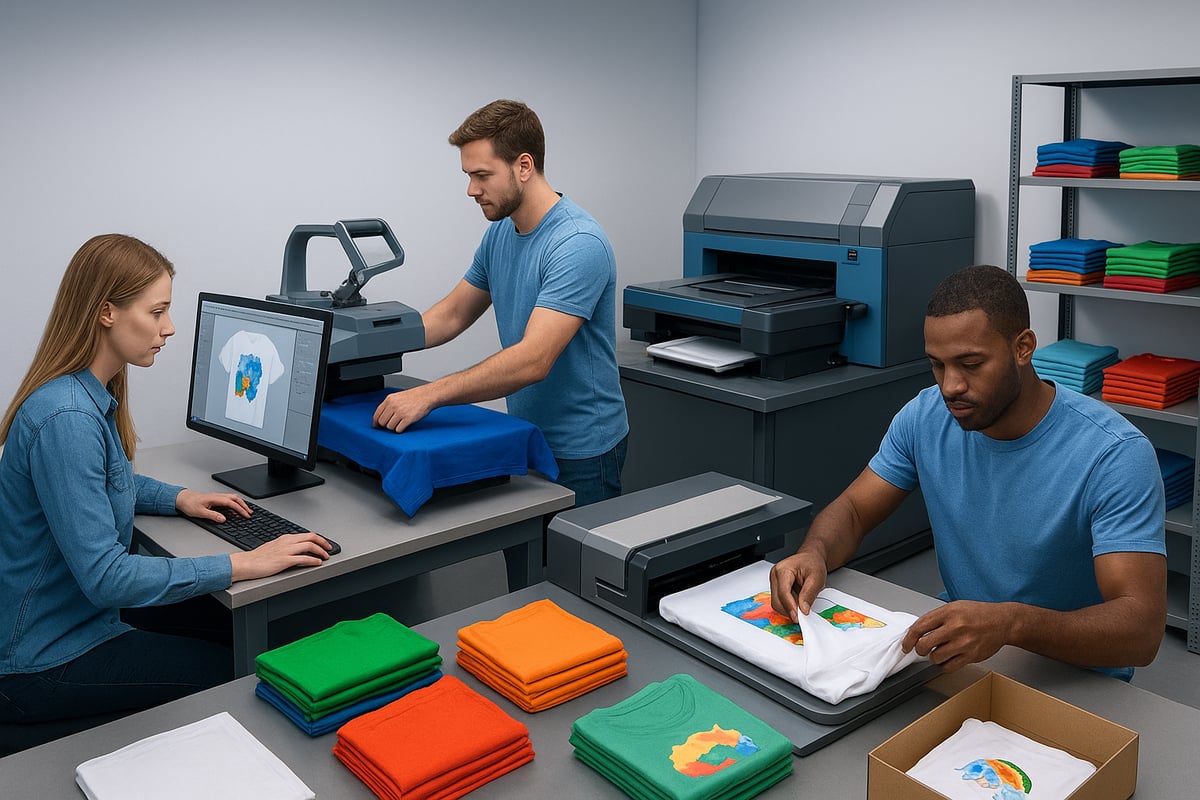
The journey to professional printing tops begins with effective design. Start by sketching your ideas, then move to digital mock-ups using design software such as Adobe Illustrator or free online tools.
Choose colours, fonts, and graphics that align with your brand or message. Consider current trends, like minimalist graphics or bold statement prints, to ensure your design stands out.
Templates can help maintain consistency, especially for teams or events. Remember, clarity and simplicity often lead to the most impactful printing tops. Always review your design at actual size to avoid surprises in the final print.
Selecting the best method is essential for high-quality printing tops. Common techniques include screen printing, direct-to-garment (DTG), sublimation, and heat transfer. Each has unique strengths.
Screen printing excels with bulk orders and solid colours. DTG enables complex, vibrant designs with fast turnaround. Sublimation is perfect for all-over prints on polyester, while heat transfer suits smaller runs or intricate graphics.
Match your chosen method to the fabric and design complexity. For inspiration or to see real-world examples, browse the Printed T-Shirts Collection to explore various printing tops styles and finishes.
Preparation is key to ensuring your printing tops achieve professional results. Begin by pre-treating garments if required, especially for DTG printing, as this helps ink adhere better and improves longevity.
Ensure every top is clean, free from dust, and properly aligned on the platen or press. Pre-washing garments can reduce shrinkage and fading, boosting print durability by up to 20 percent.
Proper preparation also minimises misalignments and ensures consistent quality across your printing tops order. Take time to inspect each garment before moving to the next stage.
The heart of the printing tops process is the actual printing and curing. Each technique requires specific steps. For example, screen printing involves pushing ink through a mesh stencil, while DTG uses advanced printers to apply ink directly onto the fabric.
After printing, curing is vital. This means heating the ink to set it permanently, whether by conveyor dryer, heat press, or tunnel dryer depending on the method. Quality control checks should occur at every stage to catch flaws early.
Investing in reliable equipment and following best practices ensures your printing tops are vibrant, durable, and consistent with your design vision.
Once printing is complete, focus on finishing touches to elevate your printing tops. Add custom labels, tags, or special finishes like embroidery or metallic accents to enhance value and brand recognition.
Eco-friendly packaging options are increasingly popular, reflecting customer demand for sustainable practices. Carefully inspect each top for defects before packing to maintain quality standards.
Thoughtful finishing and professional packaging leave a lasting impression on your customers and reinforce the quality of your printing tops.
Even experienced printers can encounter issues with printing tops. Common mistakes include misaligned prints, colour mismatches, and peeling or fading designs.
To avoid these, double-check artwork alignment and colour settings before printing. Use quality inks and ensure proper curing times. Pre-treat and pre-wash garments as needed.
Troubleshooting is part of the process. If defects occur, analyse the root cause and adjust your workflow. Industry surveys show that 15 percent of custom apparel returns in 2025 were due to print defects, highlighting the importance of vigilance.
Managing expectations is crucial when delivering printing tops. Typical lead times for custom orders range from 5 to 10 working days, depending on order size and complexity.
Rush options are often available for urgent projects but may incur additional costs. Communicate clearly with clients about timelines and potential delays.
Efficient workflow, from design to packaging, helps meet deadlines and build trust. Remember to factor in time for quality checks, especially with larger printing tops orders. With careful planning, you can consistently deliver exceptional results.
Sustainability is now at the heart of the printing tops industry. As environmental concerns rise, brands and consumers alike are seeking greener solutions. In 2026, sustainable practices are not just a trend, they are an expectation. Let us explore how eco-friendly approaches are transforming printing tops, from production to consumer education.
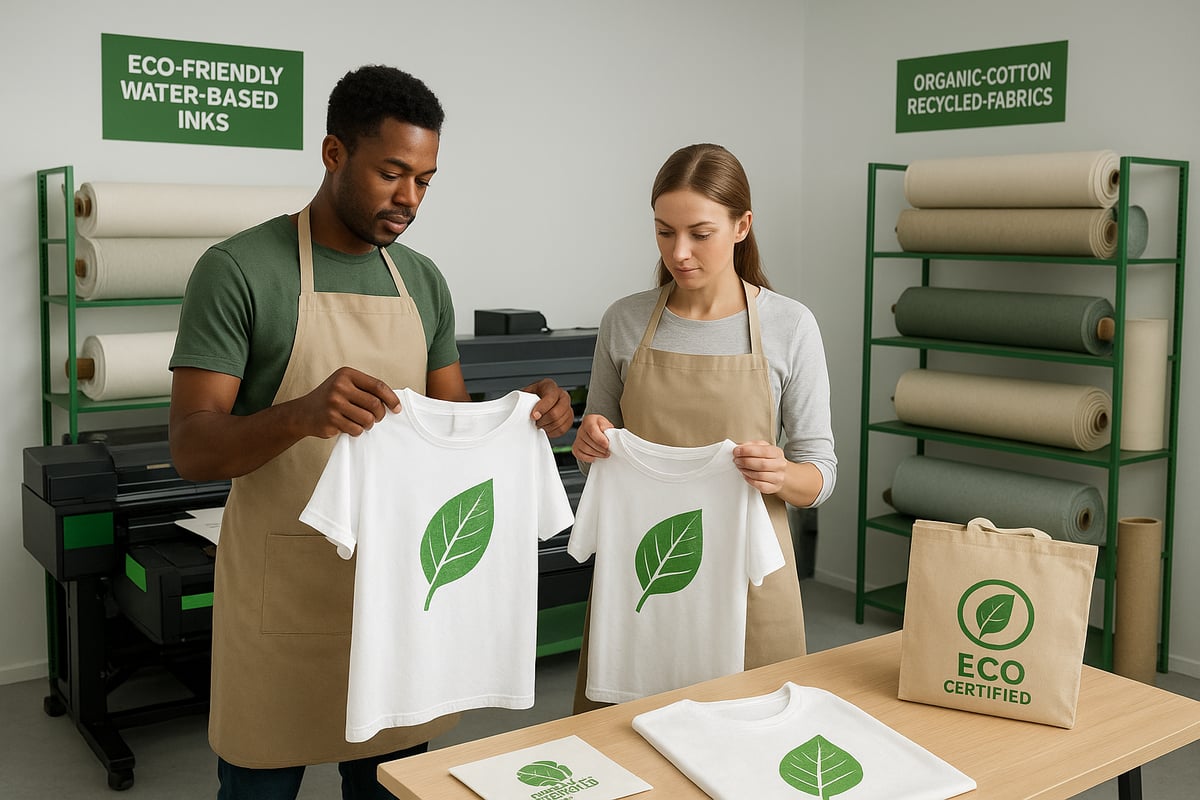
The shift towards eco-friendly printing methods is reshaping how printing tops are produced. Water-based inks are now favoured over traditional plastisol, as they emit fewer volatile organic compounds and are easier to clean up. Digital printing, particularly direct-to-garment, further reduces waste by allowing precise ink application.
Many brands have invested in technology that slashes water usage, with some reporting up to 80 percent less water consumed compared to older methods. These innovations ensure that printing tops remain vibrant and durable, while leaving a lighter environmental footprint. By choosing sustainable techniques, manufacturers can meet growing consumer demand for responsible products.
Material selection is critical to the sustainability of printing tops. Organic cotton, bamboo, and recycled fibres are increasingly popular, offering a balance of comfort, durability, and environmental responsibility. Certifications such as GOTS and OEKO-TEX guarantee that these fabrics meet strict ecological and ethical standards.
A recent survey revealed that 40 percent of UK consumers now prefer sustainable fabrics, reflecting a shift in buying behaviour. For more detailed insights, you can review the Sustainable Fabric Choices in Apparel report, which highlights this growing trend.
| Fabric Type | Certification | Key Benefit |
|---|---|---|
| Organic Cotton | GOTS, OEKO-TEX | Chemical-free |
| Recycled Polyester | Global Recycle Standard | Reduced waste |
| Bamboo | OEKO-TEX | Fast-growing crop |
Sustainable materials are now a central consideration when producing printing tops.
Beyond materials and inks, responsible production is essential for sustainable printing tops. On-demand printing is gaining traction, as it minimises overproduction and limits unsold inventory. Recycling misprints, fabric offcuts, and even worn-out tops helps close the loop and reduce landfill waste.
Some printing tops manufacturers have formed partnerships with textile recycling initiatives, ensuring that waste is repurposed into new fibres or products. These practices not only conserve resources but also help brands align with the circular economy principles that are shaping the industry’s future.
Educating consumers about sustainability is crucial for the future of printing tops. Brands are increasingly transparent, using clear labelling to communicate the environmental credentials of their products. QR codes on tags can now link buyers directly to supply chain data, offering insight into sourcing and production practices.
This transparency builds trust and empowers customers to make informed choices when selecting printing tops. By sharing their green journey, companies can foster loyalty and inspire the wider adoption of sustainable fashion.
Designing standout printing tops requires a blend of creativity, technical expertise, and an understanding of what resonates with today’s audience. With so many options available, mastering these strategies will help your custom tops get noticed and worn time and again.
The foundation of memorable printing tops lies in strong visual impact. Start with colour psychology, choosing shades that evoke the right emotions for your audience. For instance, bold reds and blues often energise, while pastels feel calming.
Trend forecasting is essential. Minimalist graphics are rising, but bold statement prints still have their place. Use negative space to highlight key elements, and experiment with layering graphics for depth. Simplicity paired with strategic placement ensures designs remain wearable and timeless. Always test your printing tops concepts on mock-ups before final production.
Personalisation is at the heart of modern printing tops. Custom names, numbers, and graphics let individuals or teams express their identity. The latest trends include interactive prints, such as QR codes linking to exclusive content or augmented reality features.
Gen Z, in particular, values unique apparel. According to Deloitte, 70% of this demographic prefers personalised clothing. For inspiration, explore Personalised Kids’ T-Shirts to see how custom options are applied across age groups. As printing tops evolve, expect even more advanced personalisation, blending technology and fashion.
Choosing between a professional designer and a DIY approach depends on your goals and resources. Professionals bring expertise in composition, branding, and print optimisation, ensuring your printing tops stand out and last.
DIY platforms and online design tools have become more accessible, letting small businesses or individuals craft their own looks. The rise of AI-powered design, as detailed in AI Integration in Custom Apparel Design, makes it easier to generate and refine ideas quickly. Consider starting with a template, then customising for your unique needs. Evaluate cost, design quality, and turnaround when making your choice.
A striking design loses value if it does not last. Choose graphics and placements that withstand frequent washing and daily wear. For printing tops, chest prints are classic and highly visible, while all-over patterns offer boldness but require careful alignment.
Tips for longevity:
By focusing on both aesthetics and practicality, your printing tops will remain favourites in any wardrobe.
The horizon for printing tops is expanding rapidly as technology and consumer expectations continue to evolve. Beyond 2026, the industry will be shaped by smart innovations, ethical demands, and agile business models. Let us explore what lies ahead and how you can stay ahead of the curve.
The next era of printing tops will be defined by a wave of smart technologies. AI-powered design generators are becoming mainstream, enabling lightning-fast creation of original graphics tailored to individual tastes. Automated print workflows will streamline production, ensuring consistency and reducing errors.
Biodegradable inks and next-generation sustainable materials are set to become industry standards, making the entire process kinder to the planet. Smart tops, featuring integrated electronics like fitness trackers or temperature regulation, are also on the rise. As digital printing evolves, innovations such as Advancements in Direct-to-Garment Printing will offer sharper images, faster turnaround, and greater design freedom. These advancements will make printing tops more creative, efficient, and eco-friendly than ever before.
Consumer expectations for printing tops are shifting towards transparency, ethics, and individuality. Shoppers are placing greater value on ethical sourcing and clear supply chains, demanding to know where and how garments are made. Hyper-personalisation is becoming the norm, with buyers seeking unique designs, custom fits, and personal branding elements.
Eco-friendly options are no longer a bonus, but a necessity. According to Euromonitor, 80 percent of consumers expect brands to provide sustainable choices by 2027. As printing tops become more integrated with digital experiences, customers will look for interactive features and real-time customisation. Brands that respond to these evolving demands will secure customer loyalty and market share.
The business landscape for printing tops is diversifying rapidly, opening new doors for brands of all sizes. Print-on-demand and micro-batch production models are becoming standard, reducing inventory waste and enabling ultra-fast delivery. Localised manufacturing is gaining traction, allowing brands to respond quickly to trends and customer needs.
Niche markets are flourishing, from influencer merchandise to esports team apparel and community-driven branding. UK startups are leveraging local production for rapid, tailored delivery, setting new standards for customer satisfaction. The table below summarises emerging business models:
| Model | Benefits | Market Example |
|---|---|---|
| Print-on-demand | Low inventory, fast launch | Influencer merch |
| Micro-batch | Trend responsiveness | Limited edition releases |
| Local production | Fast delivery, eco-friendly | UK-based custom shops |
These opportunities make printing tops a dynamic and profitable industry for innovators.
To thrive in the future of printing tops, brands and consumers must embrace continuous learning and adaptability. Staying ahead means investing in digital skills, monitoring market shifts, and building flexible supply chains that can pivot quickly.
Brands should foster a culture of innovation, regularly evaluating new technologies and sustainable practices. Consumers will benefit from staying informed about the latest trends and demanding transparency from their favourite labels. By focusing on agility and ethical values, everyone involved in printing tops can look forward to a vibrant future filled with opportunity and creativity.

OK T-Shirt
126 Beeches Rd
Birmingham
B42 2HQ
