Cheap Printed T-Shirts UK: Quality & Value Guide 2026
Discover how to source cheap printed t-shirts UK without compromising…
Discover how printmaking t shirts are revolutionising wearable art for 2026. Artists and designers are blending traditional craftsmanship with cutting-edge techniques, transforming everyday garments into expressive statements.
This guide is your gateway to the creative world of printmaking t shirts. Whether you are an experienced designer or a DIY enthusiast, you will find practical steps and inspiration to elevate your creations.
Explore essential tools, trending printmaking methods, and innovative design ideas. Learn step-by-step processes and expert tips to help you succeed in this evolving field.
Join the creative revolution and unlock your potential in printmaking t shirts. Let’s dive into the techniques shaping the future of T-shirt design.
Printmaking t shirts have a rich legacy, blending centuries-old techniques with modern innovation. As wearable canvases, these garments reflect shifts in art, culture, and technology. Let us explore how printmaking t shirts have evolved, shaped by tradition and the latest advancements.
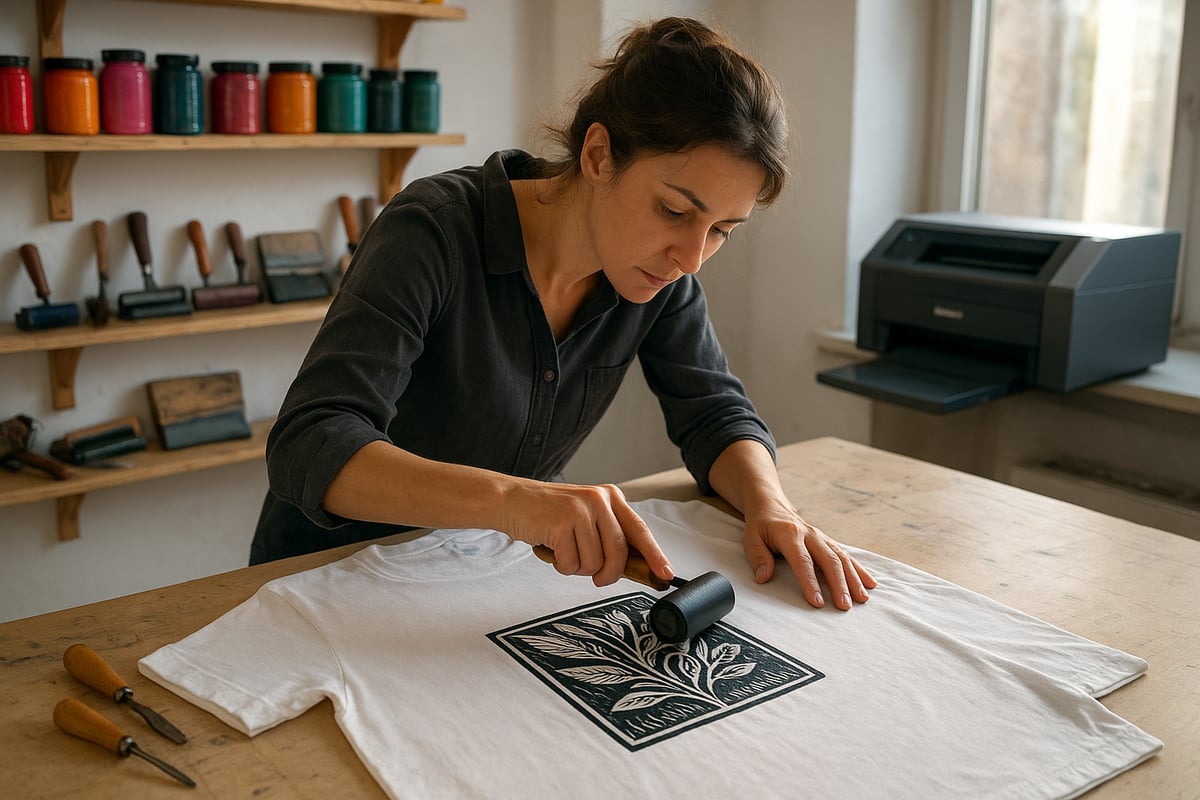
The origins of printmaking t shirts trace back to ancient textile decoration, where artisans first used block printing to transfer intricate designs onto cloth. Over centuries, these methods evolved, with screen printing emerging as a pivotal milestone in the 20th century.
Screen printing enabled mass production and made graphic tees a staple in pop culture. Iconic music, political, and art movements found expression through printmaking t shirts, cementing their place in fashion history.
Recent decades have transformed printmaking t shirts through digital innovation. Direct-to-garment (DTG) printing and hybrid processes now allow for high-resolution artwork and precise detail.
Automation boosts efficiency, while eco-friendly inks support sustainability goals. For a deeper look at methods shaping today's industry, see the Best T-shirt Printing Methods guide. These advancements make it easier than ever to create vibrant, long-lasting printmaking t shirts.
Looking ahead, printmaking t shirts are embracing both hand-crafted and digital techniques. Linocut, woodcut, and hand-pulled prints are gaining popularity, offering tactile and unique results.
Artists are merging analogue carving with digital enhancements, creating hybrid styles. Customisation is now a major trend, as buyers seek one-of-a-kind printmaking t shirts that reflect their individuality.
The rise of printmaking t shirts owes much to visionary designers and collaborations. Notable creators such as Hello, Print Friend have pushed the boundaries of wearable art.
Partnerships between artists and apparel brands foster fresh ideas. Case studies, including those using linocut and engraving, show how printmaking t shirts can become powerful storytelling tools.
Demand for printmaking t shirts is soaring, with millions of unique designs available across online marketplaces. Graphic tees remain a top seller, appealing to diverse audiences.
Market research highlights a surge in keyword searches related to printmaking t shirts, reflecting their cultural relevance and commercial potential. The future looks bright for artists, brands, and anyone passionate about wearable creativity.
Selecting the right tools and materials is the cornerstone of successful printmaking t shirts. Whether you are a seasoned artist or a DIY enthusiast, understanding each component will help you achieve professional results and lasting prints. This section breaks down the essentials so you can confidently set up your creative workspace.
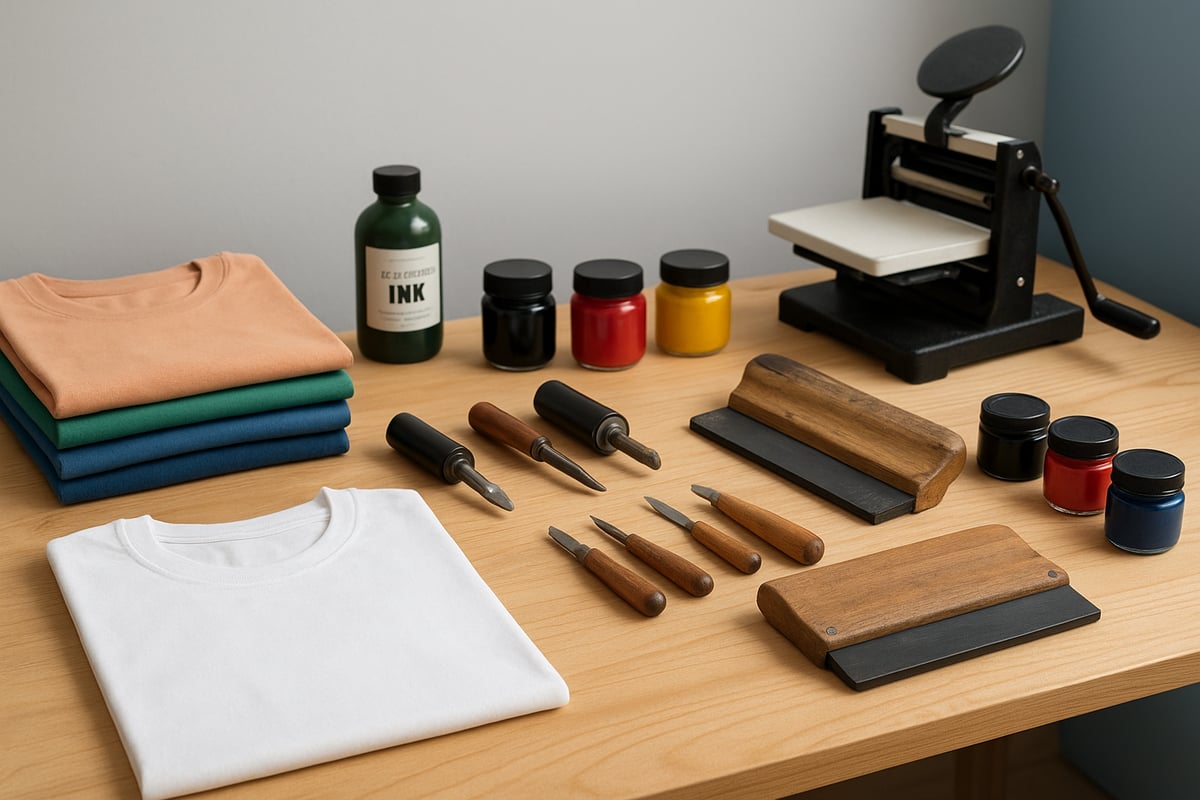
A successful printmaking t shirts project begins with choosing suitable tools for your chosen technique. Brayers are used to evenly roll ink onto blocks, while squeegees are essential for pushing ink through screens in screen printing. Carving tools, available in various sizes, are vital for linocut and woodcut, enabling intricate designs. Presses, from hand-operated to larger models, ensure even pressure for crisp prints.
Selecting the right equipment can feel overwhelming. For a comprehensive overview of which printmaking method and tools best fit your needs, see Choosing T-shirt Printing Technology. Understanding the differences between tools for linocut, woodcut, and screen printing will help you achieve the best results on your printmaking t shirts.
The fabric you select directly impacts the quality of your printmaking t shirts. Cotton is a favourite for its absorbency and soft feel, making it ideal for most printmaking methods. Blends, such as poly-cotton, offer durability and flexibility, while performance fabrics provide moisture-wicking properties for activewear.
Each fabric type interacts differently with inks and tools. For instance, smoother cotton surfaces yield sharper lines, whereas stretchier blends may require special inks or techniques. Choosing the right material ensures your printmaking t shirts remain vibrant and comfortable after multiple washes.
Selecting the appropriate ink is crucial for producing vivid and durable printmaking t shirts. Water-based inks offer a soft finish and are easy to clean, making them popular for eco-conscious creators. Plastisol inks are known for their opacity and colour vibrancy, especially on darker fabrics. Eco-friendly options, such as soy-based or biodegradable inks, are increasingly available.
When choosing colours, consider wash resistance and how the ink interacts with your chosen fabric. Testing different inks on sample fabrics helps ensure your printmaking t shirts achieve the desired look and longevity.
A well-organised workspace is essential for safe and efficient printmaking t shirts production. Ensure your area has good ventilation, especially when working with inks and cleaning chemicals. Keep your tools and materials neatly arranged to streamline your process and reduce the risk of accidents.
Maintain cleanliness by regularly wiping down surfaces and storing sharp tools securely. Adequate lighting helps you spot details in your printmaking t shirts design, while protective clothing keeps you safe from spills and stains.
Finding reliable supplies is key to producing high-quality printmaking t shirts. Start with reputable art suppliers for printmaking kits and seek specialist textile stores for T-shirt blanks. Look for suppliers who prioritise ethical sourcing and sustainable practices, ensuring your finished products align with modern consumer values.
Evaluate supplier reviews, sample products if possible, and confirm their environmental credentials. Investing in quality materials will enhance the appearance and longevity of your printmaking t shirts, setting your work apart in a competitive market.
Printmaking t shirts are thriving in 2026, with artists and creators embracing both traditional and modern methods to produce wearable art. This step-by-step guide explores the most effective techniques, blending time-honoured craftsmanship with cutting-edge innovation. Whether you are a seasoned designer or a passionate DIY enthusiast, these methods will elevate your printmaking t shirts to new creative heights.
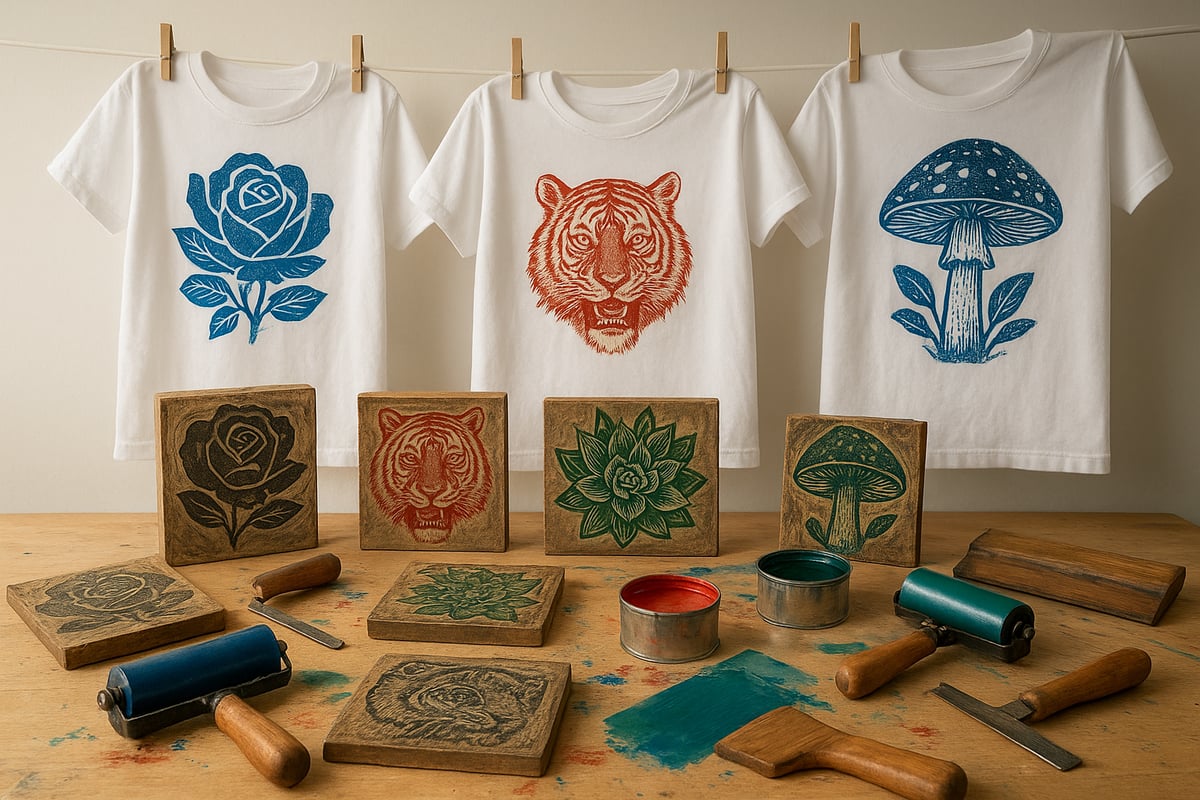
Linocut and woodcut printing are classic techniques that continue to shape the landscape of printmaking t shirts. Begin by sketching your design on a linoleum or wood block. Use specialist carving tools to remove negative spaces, leaving raised areas that will transfer ink to your fabric.
Once carved, apply a thin, even layer of fabric ink with a brayer. Place the inked block onto the T-shirt, ensuring the fabric is flat and secure. Press firmly using a baren or printing press to transfer the image. Carefully lift the block to reveal your print.
Popular motifs for printmaking t shirts include octopus block prints and bold, abstract shapes. Experiment with multiple colours or layering to add depth. These methods create tactile, handcrafted results unique to every T-shirt.
Screen printing remains a cornerstone of printmaking t shirts, but recent innovations bring new possibilities. Start by preparing a screen with your chosen stencil, either hand-cut or digitally produced. Attach the screen securely to your printing surface.
Apply ink to the screen's top edge, then use a squeegee to pull the ink evenly across the stencil. For multi-colour designs, align each screen with registration marks to ensure crisp, layered prints. Clean screens promptly to prevent clogging and maintain sharp detail.
Modern screens allow for fine, intricate graphics, making printmaking t shirts stand out in today’s market. Experiment with specialty inks, such as metallic or puff, to add texture and visual interest. Consistent pressure and precise registration are key to professional results.
Digital processes have transformed printmaking t shirts, offering unmatched precision and flexibility. Direct-to-garment (DTG) printing allows you to print complex, full-colour images directly onto fabric. Upload your digital artwork, adjust sizing, and let the printer handle the rest.
Combining digital and hand-drawn elements creates unique, hybrid designs. For example, scan a hand-inked illustration and overlay digital colour or effects. This approach is perfect for vector art or detailed illustrations.
For an in-depth look at digital printing, explore Direct-to-Garment (DTG) Printing Techniques to see how this technology is shaping the future of printmaking t shirts. Embracing digital tools expands your creative possibilities and streamlines production.
Monotype and monoprint methods offer a way to make every printmaking t shirts project truly one of a kind. Unlike other techniques, each print is unique, as ink is applied directly to a smooth plate and then transferred to fabric.
Begin by painting or rolling ink onto a glass or acrylic sheet. Manipulate the ink with brushes, combs, or your fingers to create expressive textures. Carefully lay the T-shirt over the inked plate and press gently to transfer the image.
These techniques suit limited edition runs or special collaborations. Use textile-friendly inks and experiment with layering transparent colours for added depth. The result is a collection of printmaking t shirts where no two pieces are ever exactly alike.
Blending analogue and digital methods is a defining trend for printmaking t shirts in 2026. Start by creating a hand-carved block or screen print, then scan the result into your computer. Add digital enhancements, such as colour overlays or graphic effects, before printing onto fabric.
For example, layer a linocut motif with digital pop art colours or combine woodcut textures with vector shapes. This fusion allows you to achieve complex, contemporary visuals while retaining handmade authenticity.
Hybrid techniques encourage experimentation. By merging traditional and modern approaches, you unlock new creative avenues for printmaking t shirts, ensuring your designs remain fresh and innovative.
Even the most experienced creators encounter challenges with printmaking t shirts. Common issues include ink bleeding, misaligned prints, and uneven coverage.
To address ink bleeding:
For misalignment, always use registration marks and stabilise your workspace. Uneven prints often result from inconsistent pressure or uneven surfaces; use a firm, flat base and apply pressure evenly.
Keep detailed notes of your process for each printmaking t shirts project. Troubleshooting becomes easier when you can identify what worked and what needs adjustment.
Proper finishing is essential for the longevity of printmaking t shirts. After printing, cure the ink according to the manufacturer’s instructions, usually with heat from an iron or heat press. This sets the ink and improves wash resistance.
Care instructions:
With careful curing and thoughtful aftercare, your printmaking t shirts remain vibrant and durable through repeated wears and washes. Taking these steps ensures your wearable art maintains its impact and quality over time.
Finding the perfect design for printmaking t shirts in 2026 is all about blending creativity, cultural trends, and individual expression. Artists and designers are drawing on a broad palette of influences, transforming simple garments into standout pieces of wearable art.
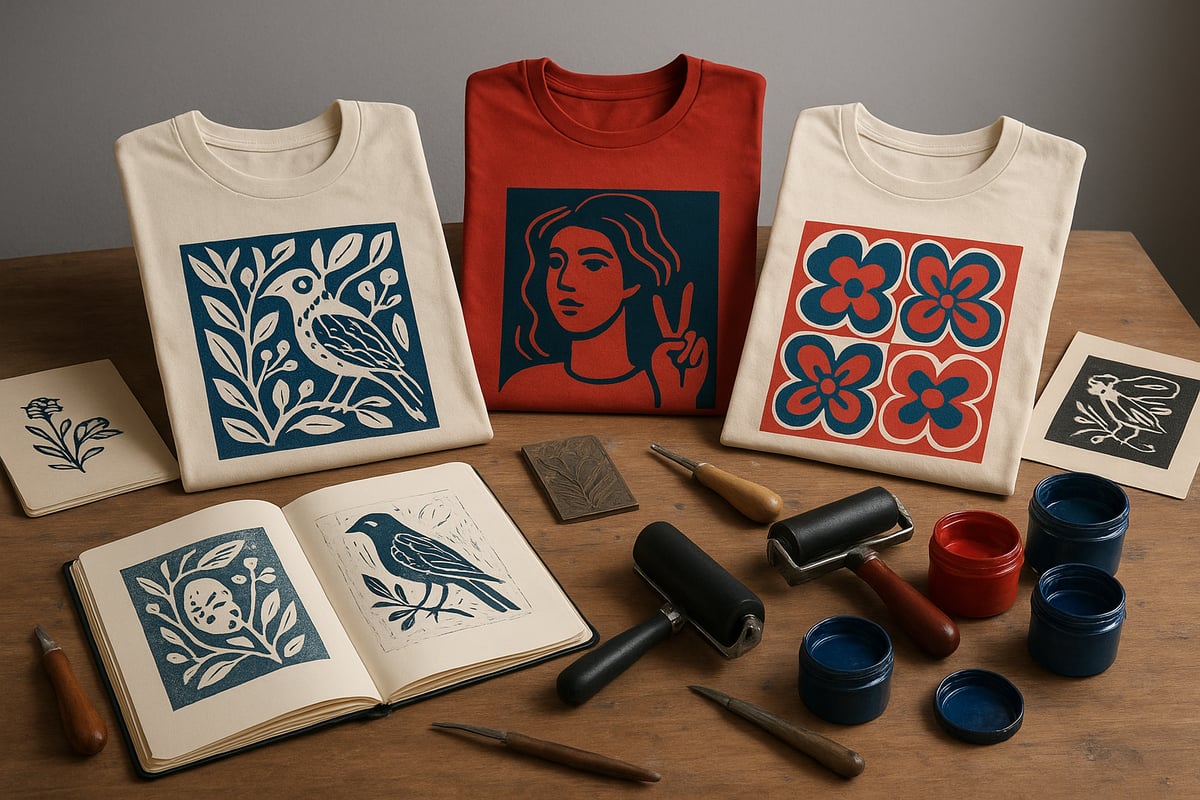
The most sought-after motifs for printmaking t shirts in 2026 reflect a fascination with both the natural world and cultural nostalgia. Nature-inspired patterns, from detailed botanical illustrations to dynamic animal forms, are in high demand. Pop culture remains influential, with references to film, music, and internet trends frequently appearing.
Retro elements, such as medieval graphics, moon phases, and mythological figures, also shape collections. For a deeper dive into what is shaping design choices, review the Emerging T-Shirt Design Trends for 2026, which highlights abstract expressionism and nostalgic futurism among the key themes.
These motifs help printmaking t shirts stand out, offering a fresh take on classic themes.
The artistic style chosen for printmaking t shirts can dramatically alter the overall impression of the design. Line art and vector graphics offer a crisp, modern aesthetic, while engraving and woodblock styles add a sense of depth and tradition. Each approach brings a unique texture and energy to the finished product.
Linework is particularly popular for its versatility, suiting minimalist as well as detailed compositions. Engraving and woodblock aesthetics lend an artisanal quality, appealing to those who value craftsmanship in printmaking t shirts. The interplay of style and motif allows for endless creative possibilities in wearable art.
Colour is a powerful tool in the world of printmaking t shirts, setting the tone for each collection. In 2026, both bold and subtle palettes are trending. Designers are experimenting with unexpected combinations, such as pairing muted pastels with vibrant accents or using monochrome schemes for graphic impact.
Selecting colours that complement the chosen motif and fabric is essential for achieving striking results. Wash resistance and vibrancy are key factors, as modern printmaking t shirts must look fresh after repeated wears. Balancing these elements ensures that each shirt remains appealing over time.
Collaborative projects are sparking innovation in printmaking t shirts. Brands like Hello, Print Friend and SWAMPMEAT are working with independent artists to develop unique collections filled with personality. These partnerships bring fresh ideas and diverse styles to the forefront.
Artist-led collections often feature limited edition runs and exclusive designs, making them highly collectible. Showcasing the creativity of both established and emerging talent, such collaborations elevate the profile of printmaking t shirts and inspire new trends across the industry.
Personalisation is shaping the future of printmaking t shirts, allowing wearers to create truly one-of-a-kind pieces. Custom options range from user-generated artwork to bespoke motifs created in collaboration with artists. Adding initials, special dates, or unique colourways enhances the sense of ownership.
Tips for successful customisation include offering a range of templates, using high-quality materials, and providing clear design guidelines. By embracing personalisation, brands and creators can meet the growing demand for distinctive, meaningful printmaking t shirts that reflect individual stories.
Establishing a successful printmaking t shirts brand or collection requires a strategic approach. From pinpointing your audience to presenting your final product, every stage matters. Whether you are an independent artist or a growing label, a well-defined process ensures your creations stand out in a crowded market.
Start by analysing the current landscape for printmaking t shirts. Research popular motifs, colour palettes, and themes that resonate with your target demographic. Use online search trends, competitor tags, and social media to understand what buyers seek.
Segment your audience by age, interests, and style preferences. For example, nature-inspired prints may appeal to eco-conscious shoppers, while bold graphics attract streetwear fans. This targeted insight helps you craft designs that connect with the right people.
A standout printmaking t shirts collection is unified by consistent themes and motifs. Develop a visual identity that weaves through every piece, such as a signature colourway or recurring artistic style.
Study successful collections in the market and note how they maintain a recognisable aesthetic. Use mood boards and sample layouts to visualise your line. Cohesion across your range builds brand recognition and encourages repeat purchases.
To reach your audience, leverage online marketplaces, social media, and direct-to-consumer platforms. Collaborate with influencers and artists to amplify your message.
Offer detailed product descriptions, high-quality images, and share the story behind your printmaking t shirts. For in-depth tips on custom apparel trends and sales strategies, see the Personalised T-shirts and Hoodies Guide, which highlights effective routes to market and customer engagement.
Set competitive prices by factoring in material costs, printmaking technique, and brand positioning. Packaging should reflect the artisanal nature of your printmaking t shirts, using eco-friendly materials when possible.
Consider including thank-you cards, care instructions, or limited-edition tags. For brands with a sustainability focus, explore insights from the Rise of Sustainable T-shirt Printing to align your presentation with consumer values.
Protect your original printmaking t shirts designs by registering your artwork where possible. Understand copyright rules, especially when referencing pop culture or vintage motifs.
Stay updated on intellectual property laws to avoid potential disputes. If collaborating with other artists, establish clear agreements regarding ownership and usage rights.
Sustainability is reshaping the future of printmaking t shirts. As ethical production becomes a priority, artists and brands are rethinking every step, from materials to consumer trends.
The foundation of sustainable printmaking t shirts lies in the choice of materials. Organic cotton and recycled fabrics are now widely used, offering softness and reduced environmental impact. Non-toxic, biodegradable inks are essential, ensuring prints remain vibrant without harming the planet.
For those seeking deeper insights, explore Eco-Friendly T-Shirt Printing Practices, which details the benefits of eco-friendly inks and responsible sourcing.
Minimising waste is key for sustainable printmaking t shirts. Efficient cutting patterns and careful planning help lower fabric offcuts. Many brands now reuse test prints and repurpose misprints, ensuring fewer resources go to waste.
Sourcing supplies locally and in bulk further reduces packaging and transport emissions. Artists can also donate leftover materials to community workshops, closing the loop on waste.
Ethical labour practices are crucial in printmaking t shirts. Supporting local artists and small-scale producers helps ensure fair wages and safe working conditions.
Transparency in the supply chain is vital. Brands that produce locally often have better oversight, fostering trust and community engagement.
Demand for sustainable printmaking t shirts is rising across all age groups. Consumers now look for organic labels, recycled content, and transparency about production methods.
Market research shows that eco-conscious values increasingly influence purchasing decisions. Brands that prioritise sustainability often see higher customer loyalty and positive reviews.
Looking ahead, emerging technologies promise even greener printmaking t shirts. Waterless printing, digital waste tracking, and bio-based inks are gaining momentum.
By 2026, expect more brands to adopt closed-loop systems and invest in renewable energy for production. These changes will shape a more responsible, creative industry.

OK T-Shirt
126 Beeches Rd
Birmingham
B42 2HQ
