Cheap Printed T-Shirts UK: Quality & Value Guide 2026
Discover how to source cheap printed t-shirts UK without compromising…
In 2026, shirt branding is experiencing a surge in creativity and competition. As brands and individuals seek to stand out, the need for innovative approaches has never been greater.
This guide will provide you with the latest trends, actionable strategies, and expert insights to help your shirt branding efforts succeed. Whether you run a business or are building your personal brand, you will discover practical techniques to maximise your impact.
Explore the evolution of shirt branding, design breakthroughs, technology, eco-friendly solutions, campaign tactics, and forward-thinking trends. Get ready to elevate your brand and make a memorable impression with every shirt.
The landscape of shirt branding in 2026 is rapidly evolving, driven by shifting consumer values, technological breakthroughs, and a strong focus on sustainability. Businesses and individuals are navigating a dynamic environment where shirts are powerful tools for connection and brand expression.
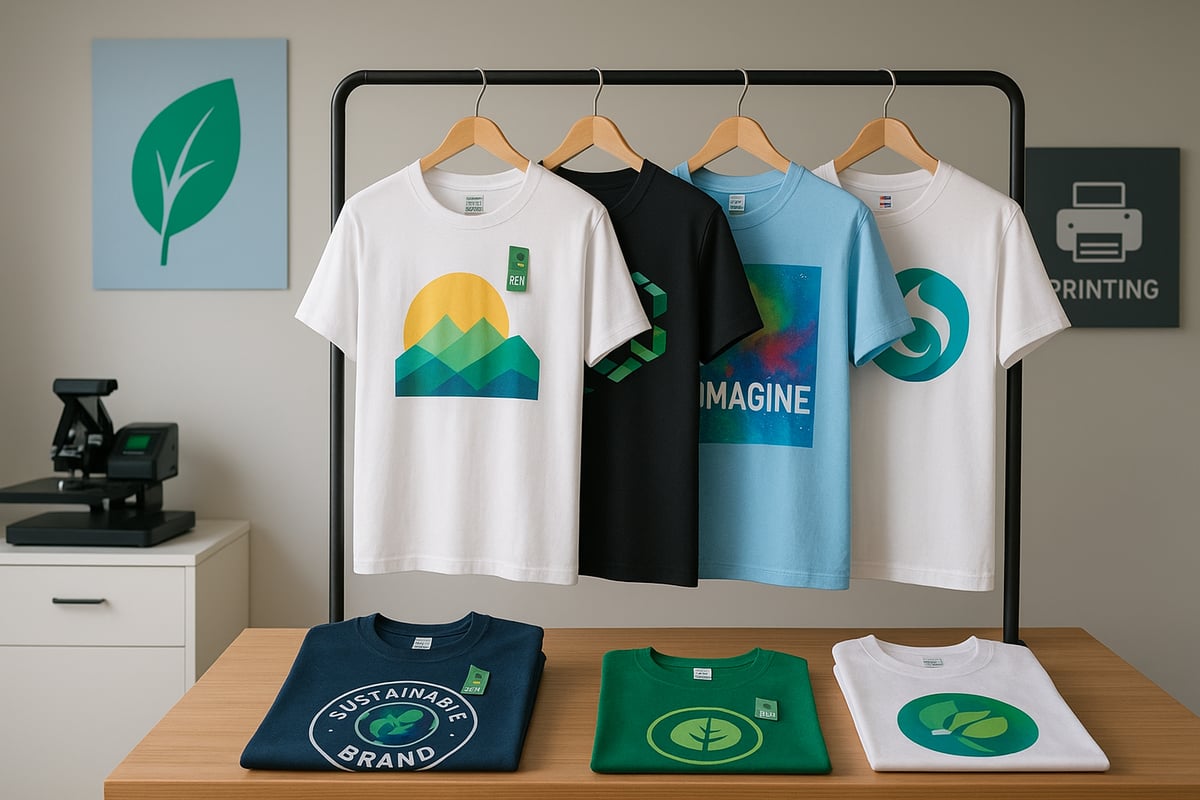
Consumers in 2026 expect shirt branding to offer more than just logos. There is a strong demand for personalisation and one-of-a-kind apparel. Social media and influencer culture have made unique shirts essential for standing out, with viral designs often trending at major events.
Industry surveys reveal that 73% of consumers prefer brands offering customisation options. This shift is reshaping the market, making personal style and self-expression central to branding. For a deeper look at how personalisation is influencing branding and fashion, see Personalised T-Shirts Shaping Fashion.
Technological progress is transforming shirt branding methods. Digital direct-to-garment (DTG) printing now delivers richer, more durable prints. Eco-friendly inks and sustainable threads have become standard as environmental awareness grows.
Leading brands are adopting AI-powered design tools to create innovative shirt branding solutions. The result is faster design cycles, higher quality, and more impactful brand visuals that capture attention in a crowded marketplace.
Sustainability is now a core expectation in shirt branding. Consumers are pushing for ethically sourced materials, recycled fabrics, and water-based inks. Brands that embrace eco-friendly practices are gaining a competitive edge.
According to recent studies, 68% of buyers consider sustainability when purchasing branded clothing. Shirt branding that prioritises ethical choices not only attracts customers but also strengthens brand reputation and long-term loyalty.
In 2026, shirt branding is a vehicle for storytelling. Brands use shirts as canvases to share missions, values, and social causes. Mission-driven messages and cause-related campaigns are resonating with audiences, turning shirts into conversation starters.
Successful campaigns have shown that when shirt branding carries a story, engagement and emotional connection increase significantly. This narrative approach helps brands stand out and build deeper relationships with their communities.
Shirt branding strategies now balance global appeal with local relevance. Brands are tailoring designs to resonate with regional audiences, especially in the UK, while maintaining a broader identity.
Examples include hyper-localised graphics and slogans that speak directly to community values. This approach strengthens brand loyalty by making customers feel seen and understood, both locally and globally.
Staying ahead in shirt branding requires a blend of creativity, technical understanding, and a strong grasp of evolving trends. In 2026, brands and individuals must rethink every design choice to ensure shirts make a lasting impression.
Visual trends in shirt branding are evolving rapidly. In 2026, expect to see bold colour palettes, layered graphics, and experimental layouts. Brands are embracing augmented reality elements, allowing customers to scan shirts with their phones and unlock interactive digital experiences. QR codes are now common, connecting physical apparel to online campaigns or exclusive content.
Recent events have shown how viral a striking design can become, especially when paired with digital engagement. By integrating these trends, brands can capture attention and foster memorable connections through shirt branding.
Typography is at the forefront of shirt branding innovation. Brands are using expressive fonts, large-scale lettering, and narrative type to convey personality. Logo placement is more strategic than ever, with chest, sleeve, and back positions all serving unique branding needs.
Research shows that well-placed logos can boost recall by up to 80%. For those seeking inspiration, Breaking Rules and Bringing Joy: Top Typography Trends for 2026 offers valuable insights on the latest font and layout movements. Combining inventive type with thoughtful logo positioning elevates shirt branding to new heights.
Exclusivity is a powerful tool in shirt branding. Limited edition drops and collaborations with artists or influencers create buzz and drive demand. Fans are eager to own something unique, leading to shirts selling out within hours of release.
Collaborative collections allow brands to tap into new audiences and infuse fresh perspectives into their designs. This approach not only increases perceived value but also transforms shirt branding into a cultural moment.
Modern shirt branding must be accessible to all. Designing for diverse body types and using adjustable fits ensures comfort and confidence for every wearer. Gender-neutral cuts and adaptive features, such as magnetic closures or sensory-friendly fabrics, broaden appeal.
Inclusion is no longer optional, it is a core expectation. Brands that prioritise adaptive design demonstrate a genuine commitment to customer needs, setting new standards in shirt branding.
Shirts have become storytellers for brands. By weaving missions, values, or charitable causes into graphics, companies create apparel that sparks conversation. Successful campaigns often use shirt branding as a platform to raise awareness and inspire action.
Charity events, for example, have leveraged shirt graphics to turn every supporter into a walking ambassador. When storytelling drives design, shirt branding moves beyond aesthetics to deliver real impact.
OK T-Shirt stands as a trusted expert in custom shirt branding. With over a decade of experience, they support businesses, schools, and individuals across the UK. Their Birmingham-based production ensures quality and quick turnaround on T-shirts, polos, workwear, and more.
Clients benefit from comprehensive design support and an easy online ordering process. OK T-Shirt has powered successful branding campaigns for a wide range of organisations, helping them achieve lasting visibility. For anyone seeking reliable, high-impact shirt branding, OK T-Shirt offers the complete solution.
The landscape of shirt branding is rapidly transforming in 2026, driven by technological advances and a hunger for innovation. Brands are leveraging new tools, platforms, and smart processes to create more engaging, memorable apparel. In this section, we explore how technology is reshaping shirt branding, from production techniques to interactive designs.
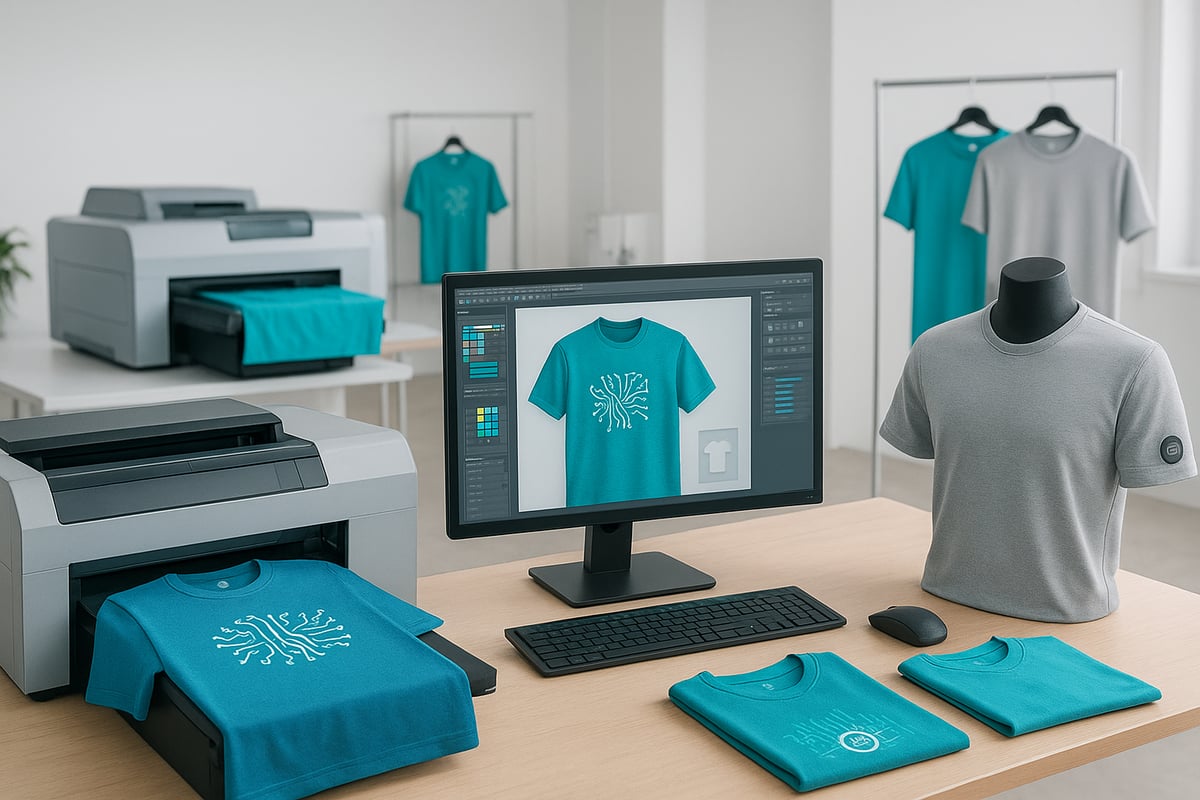
Shirt branding in 2026 benefits from a range of advanced production techniques. Digital direct-to-garment (DTG) printing delivers vibrant, durable prints, while embroidery offers a tactile, premium finish.
Here is a quick comparison:
| Method | Pros | Cons |
|---|---|---|
| DTG Printing | Full-colour, fast for small runs | Less textured, not for all fabrics |
| Embroidery | Long-lasting, premium feel | Limited colour blending, higher cost |
| Sublimation | All-over prints, vivid colours | Only on synthetic fabrics |
| Screen Printing | Cost-effective for bulk orders | Set-up time, limited details |
These advances mean shirt branding can be tailored to any campaign, whether you seek a bold graphic or a subtle logo.
The rise of smart shirts is revolutionising shirt branding. NFC chips, QR codes, and smart tags are being embedded directly into apparel.
Imagine a branded shirt that, when tapped with a smartphone, unlocks exclusive digital content or event access. This level of interaction elevates shirt branding from static messaging to a two-way conversation with your audience. Event organisers and brands are using these features to boost engagement and track campaign success.
Artificial intelligence is now at the heart of innovative shirt branding. AI-powered design platforms generate unique, on-brand graphics tailored for specific audiences. Brands can offer customers real-time personalisation, letting them tweak colours or add elements to shirts online.
According to 4 Creative Trends for 2026, According to Adobe, AI-driven design is enabling brands to create multi-sensory, highly engaging shirt branding experiences. This approach not only improves creativity but also allows for scalable, data-informed campaigns that resonate with consumers.
Automation is streamlining every step of the shirt branding process. Automated workflows handle order processing, printing, and packaging, significantly reducing turnaround times.
For brands running large-scale campaigns, this means faster delivery and lower costs. Automation also minimises errors, ensuring that every shirt branding project meets quality standards.
Augmented reality (AR) tools are transforming how customers interact with shirt branding online. Virtual try-on apps let users see how branded shirts look and fit before buying, bridging the gap between digital and physical retail.
Retailers report higher conversion rates and fewer returns thanks to AR-powered shopping. For shirt branding, this technology offers a new way to engage customers and showcase your designs in a dynamic, interactive format.
Analytics are now central to successful shirt branding. Brands track real-time performance data to refine designs, adjust campaigns, and respond to customer feedback quickly.
By leveraging these insights, companies can optimise shirt branding strategies for different segments, ensuring every campaign delivers maximum impact. Data-driven decisions mean brands can adapt rapidly, staying ahead in a competitive market.
Sustainability and ethics are now central to shirt branding. Brands face increasing pressure to minimise their environmental footprint while maintaining authenticity. The modern consumer expects more than just style—they want transparency, responsibility, and real impact.

Choosing the right materials is fundamental to sustainable shirt branding. Organic cotton, bamboo, and recycled polyester are leading the way for eco-conscious brands. Certifications such as GOTS and OEKO-TEX signal a genuine commitment to environmental and ethical standards.
Consumers are increasingly willing to pay a premium for shirts made with these materials—recent surveys show 54% of buyers prioritise sustainability. For those seeking practical guidance, Sustainable Custom T-Shirt Printing UK offers valuable insights into eco-friendly shirt branding practices, from sourcing to finished product.
Ethical shirt branding extends beyond fabric choice. Transparent supply chains and fair labour practices are non-negotiable. Brands that champion responsible sourcing often enjoy stronger customer loyalty and trust.
Monitoring every stage, from cotton farms to manufacturing, ensures all workers are treated fairly and environmental standards are met. Consumers now expect brands to communicate these efforts clearly, making responsibility a core element of modern shirt branding.
Overproduction is a significant challenge in the fashion industry. Sustainable shirt branding addresses this with print-on-demand services, which drastically reduce unsold inventory. Upcycling unused stock and embracing recycling initiatives further cut waste.
Brands can also implement creative solutions, such as transforming surplus shirts into new products or using offcuts for accessories. These efforts help position shirt branding as both innovative and environmentally responsible.
Sustainability messaging is a powerful tool in shirt branding. Clear labelling, authentic storytelling, and visible eco-certifications build trust with customers. Brands that openly share their sustainability journey often see increased engagement and sales.
Marketing campaigns that highlight eco-friendly choices, such as water-based inks and recycled packaging, resonate strongly with today’s audience. Transparent communication is key to setting your shirt branding apart in a crowded market.
The future of shirt branding lies in circular fashion. Take-back schemes and garment recycling programmes give shirts a second life, reducing landfill waste. Some brands are even exploring closed-loop systems, where old shirts are transformed into new ones.
This approach not only conserves resources but also strengthens brand reputation. By designing with the entire lifecycle in mind, shirt branding becomes a driving force for lasting change.
In 2026, successful shirt branding campaigns demand more than just a catchy logo. They require detailed planning, innovative activation, and a data-driven approach. By following a structured process, brands can ensure their shirt branding initiatives resonate with target audiences and deliver measurable results.
The foundation of every effective shirt branding campaign is a clear objective. Whether the goal is to boost brand awareness, drive sales, or increase engagement, defining success metrics from the outset is essential.
Next, segment your audience based on demographics, interests, and behaviours. This allows for tailored messaging and maximises the impact of your shirt branding efforts. For example, a campaign targeting eco-conscious millennials may focus on sustainable fabrics and ethical production.
Once objectives and audiences are clear, strategic planning comes into play. Choose the optimal timing for your campaign, such as aligning launches with major events or seasonal trends.
Select channels that align with where your audience spends time, including social media, email, and in-person events. Budget allocation should reflect your priorities, balancing creative production, paid promotion, and influencer partnerships.
Consider referencing trend insights from 2026 Apparel Trends and the Rise of Smarter Branded Merch for inspiration on emerging marketing channels.
Creative activation is where shirt branding campaigns come to life. Consider pop-up events, limited edition giveaways, or interactive designs that encourage user participation.
Branded shirts can be used as entry passes, conversation starters, or social media content prompts. For further inspiration, explore how Custom T-Shirts for Brand Marketing can elevate campaign strategies and engage audiences in memorable ways.
Influencers and brand ambassadors are powerful allies for shirt branding campaigns. Collaborate with both micro and macro influencers to extend reach and tap into authentic communities.
Choose partners whose values align with your brand, and encourage them to style, review, or create content featuring your branded shirts. Viral social media moments often stem from these collaborations, amplifying campaign impact.
Measuring the effectiveness of a shirt branding campaign requires well-defined KPIs. These might include impressions, engagement rates, conversion rates, or return on investment.
Utilise analytics tools to track performance across channels. Regularly review data to identify what is working and where adjustments are needed. A simple table of KPIs can help keep your team focused:
| KPI | Target | Actual |
|---|---|---|
| Impressions | 50,000 | 48,500 |
| Engagement | 12% | 13.5% |
| Conversions | 500 | 520 |
Customer feedback is a vital component of continuous improvement in shirt branding. Collect insights via post-campaign surveys, social listening, or direct feedback on product quality and design.
Use this information to refine future campaigns, adjust messaging, or update shirt designs. Brands that iterate based on real-world input foster loyalty and achieve stronger results.
Every shirt branding campaign must consider legal safeguards. Protect your designs by trademarking unique logos and graphics.
Ensure all campaign materials comply with advertising standards and do not infringe on third-party copyrights. Consulting legal professionals before launching large-scale campaigns can prevent costly mistakes and protect your brand’s reputation.
The future of shirt branding in 2026 is set to transform how brands and individuals connect with audiences. Innovation, technology, and social values are shaping the direction of the industry. Let us explore the most significant trends redefining shirt branding for the years ahead.
Hyper-personalisation is revolutionising shirt branding by allowing brands to produce unique designs for each customer. Thanks to on-demand production and predictive analytics, companies can quickly adapt to changing tastes. Customers now expect to co-create their shirts, choosing colours, graphics, and even text. This level of individualisation boosts engagement and brand loyalty. As technology advances, mass customisation is becoming more accessible, making it a defining feature of shirt branding strategies.
Digital transformation is expanding shirt branding beyond physical garments. Brands are launching NFT shirts and digital collections for metaverse platforms, capitalising on the popularity of virtual environments. These digital shirts offer new ways for customers to express their identity online. Some companies use augmented reality to let users preview designs virtually before purchasing. As digital fashion grows, shirt branding is no longer limited to tangible products.
Sustainability is now at the core of shirt branding, with eco-friendly practices expected as the norm rather than a bonus. Brands are adopting biodegradable inks, recycled fabrics, and transparent supply chains. According to Custom Ink Reveals 2026 Corporate Swag Trends: Quality Over Quantity, the demand for high-quality, sustainable merchandise is rising rapidly. Consumers are increasingly driven by ethical considerations when choosing branded apparel, pushing the industry to prioritise long-term environmental impact.
Technology is making shirt branding more interactive and engaging. Brands are integrating NFC chips and smart tags into shirts, offering digital content, discounts, or event access with a simple tap. Wearable tech is especially popular with younger audiences, with 45% of Gen Z expressing interest in tech-enabled clothing. These innovations create memorable brand experiences and encourage ongoing customer interaction.
Shirt branding in 2026 is about more than just aesthetics, it is about building genuine communities. Brands are using shirts to unite people around shared values and causes. Community-driven campaigns foster deeper loyalty and engagement. Purpose-led branding, such as supporting charities or advocating for social change, transforms shirts into powerful conversation starters. The most successful brands put purpose at the heart of their shirt branding efforts.
Fashion and shirt branding are converging, with branded shirts making their way into mainstream style. Collaborations with renowned designers and artists elevate branded apparel to new heights. Limited-edition collections and exclusive drops add a sense of prestige and urgency. As this trend continues, shirt branding is set to become a central element in both merchandising and fashion, appealing to broader audiences and creating lasting brand impressions.

OK T-Shirt
126 Beeches Rd
Birmingham
B42 2HQ
