Cheap Printed T-Shirts UK: Quality & Value Guide 2026
Discover how to source cheap printed t-shirts UK without compromising…
Shirt digital printing has transformed the way individuals and businesses approach customised apparel in 2026. The pace of innovation is remarkable, with new tools and techniques emerging to meet rising demand for personalisation and professional results.
This guide brings together expert insights and practical tips, helping you navigate the latest trends in shirt digital printing. Whether you are a business owner, designer, or enthusiast, you will find strategies to improve your workflow and achieve outstanding outcomes.
Explore key advancements in technology, design preparation, material selection, printing techniques, troubleshooting, and the future of shirt digital printing. Ready to create lasting impressions with every print? Let us begin your journey to mastering shirt digital printing today.
The landscape of shirt digital printing in 2026 is defined by rapid innovation, increased demand, and a strong push towards sustainability. Businesses, designers, and individuals are embracing new technologies that make custom apparel more accessible, efficient, and environmentally responsible than ever before. This section explores the key advancements, market trends, and regulatory shifts that are shaping the shirt digital printing industry today.
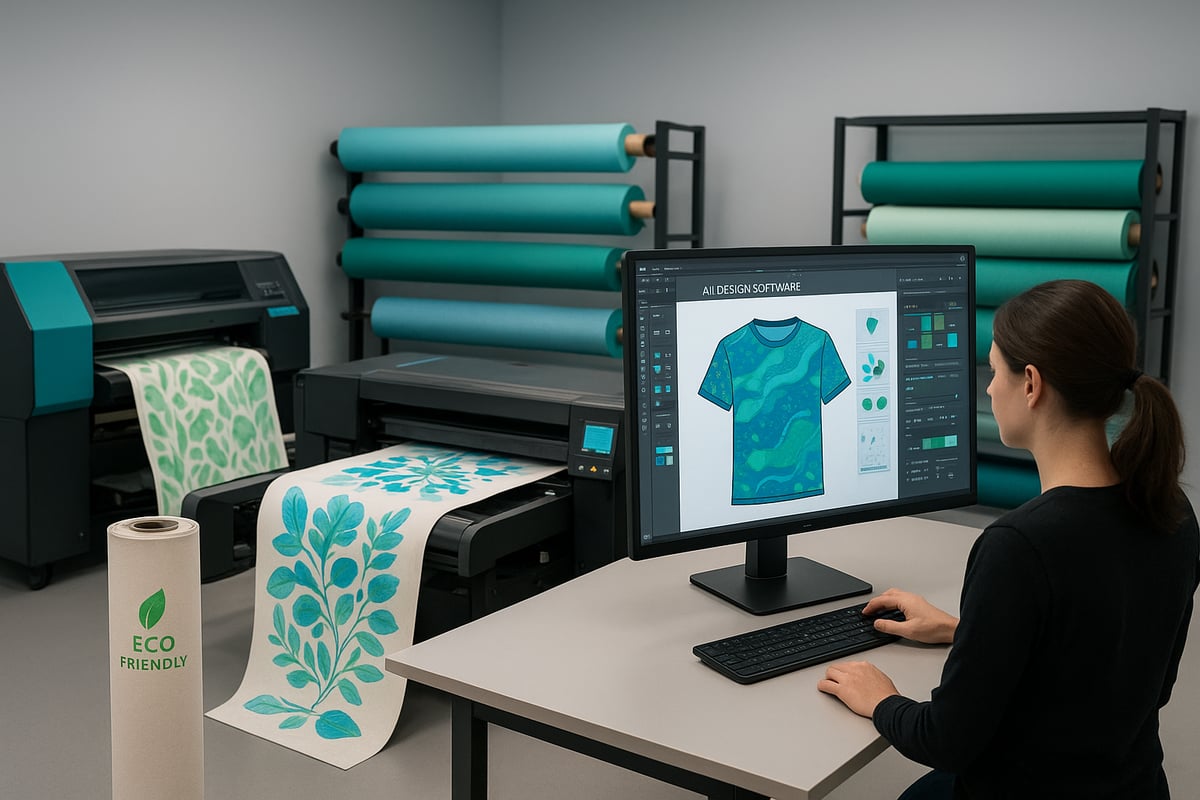
Shirt digital printing has undergone a remarkable transformation in recent years. The introduction of AI-driven design tools now enables creators to generate, refine, and optimise artwork with unprecedented speed and accuracy. Automated print workflows streamline the entire process, from file preparation to final output, reducing manual intervention and minimising errors.
Printhead technology has also advanced significantly. Modern printheads deliver sharper, more vibrant results, capturing subtle gradients and fine details that were previously difficult to reproduce. Eco-friendly, water-based inks are now standard, offering brilliant colours while reducing environmental impact. This shift towards sustainability is supported by the widespread adoption of on-demand, small-batch production, which minimises waste and supports custom orders.
Cloud-based solutions allow users to submit designs online, track orders in real time, and collaborate seamlessly with print providers. As a result, the industry has moved away from traditional screen printing towards innovative hybrid digital methods, combining the best of both worlds for superior results in shirt digital printing.
The demand for shirt digital printing is surging in the UK and globally. Personalised apparel has become a major trend, driven by businesses, fashion brands, schools, and event organisers seeking unique, high-quality garments. According to the Digital Textile Printing Market Report, the custom clothing market has experienced steady growth from 2024 to 2026, with annual increases outpacing traditional textile segments.
| Sector | Application Examples | Growth Rate (2024–2026) |
|---|---|---|
| Small Businesses | Promotional T-shirts | 8% |
| Fashion Brands | Limited runs | 10% |
| Schools | Uniforms, leavers | 7% |
| Events | Merch, giveaways | 9% |
Consumers now expect faster turnaround times and consistently high-quality prints. The competitive landscape is evolving, with new entrants leveraging technology to offer flexible, on-demand services. This shift is raising industry standards and making shirt digital printing a key driver in the custom apparel market.
In 2026, regulatory requirements for shirt digital printing in the UK and EU have become more stringent, particularly around sustainability and chemical use. Print shops are increasingly required to obtain eco-certifications, demonstrating compliance with environmental standards and responsible sourcing.
Sustainable practices are not just a regulatory necessity but a market differentiator. Many successful print shops are adopting recycled textiles, biodegradable inks, and closed-loop water systems to reduce their ecological footprint. Case studies from the UK highlight businesses that have built their reputation on eco-friendly processes, attracting environmentally conscious customers and setting a benchmark for the industry.
Understanding and meeting these evolving standards is essential for any business involved in shirt digital printing. Prioritising compliance and sustainability helps protect the environment while ensuring long-term success in a competitive market.
Preparing your artwork is a crucial step for successful shirt digital printing. Proper design preparation ensures your prints are crisp, vibrant, and professional. Whether you are a business owner, designer, or hobbyist, mastering these steps will help you avoid costly mistakes and achieve the results you want with shirt digital printing.
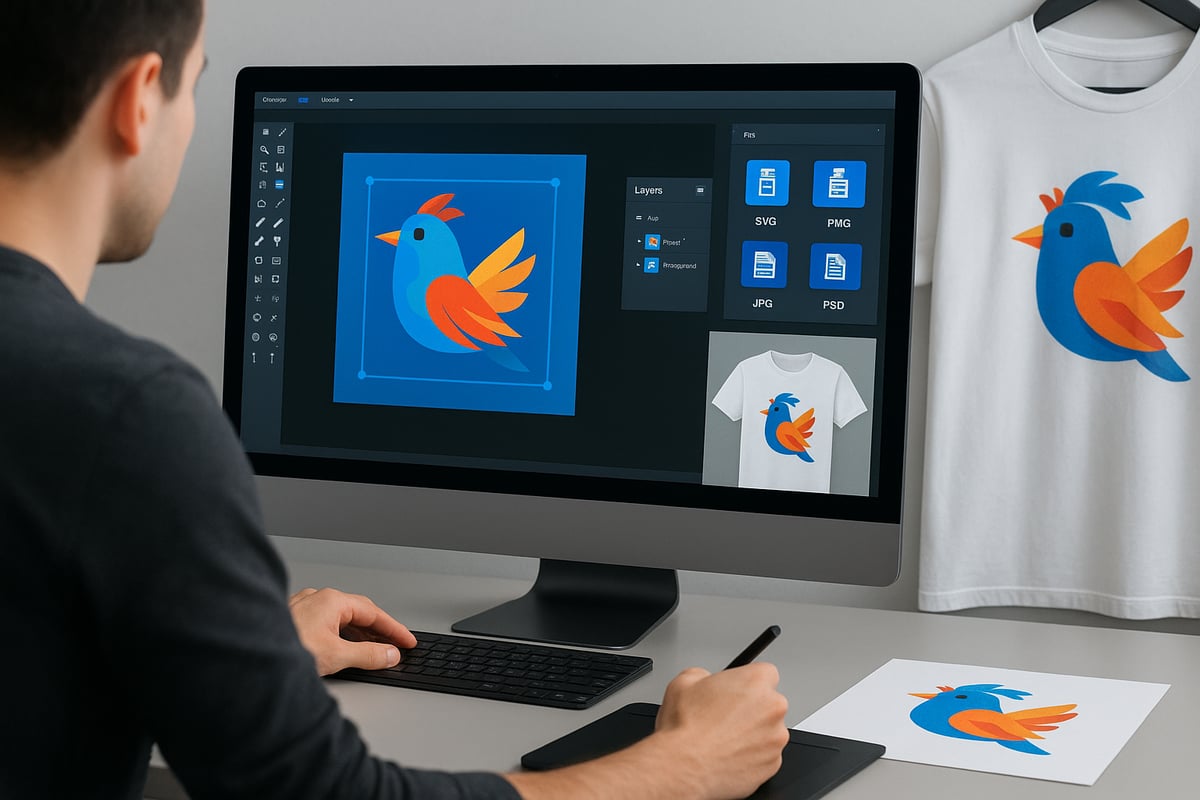
Choosing the right file format is essential for shirt digital printing. Professionals recommend using PNG or TIFF files for raster images, and AI or EPS for vector artwork. These formats preserve detail and transparency, which is critical for high quality output.
Aim for a minimum resolution of 300 DPI for all print files. This ensures that your artwork remains sharp and avoids pixelation when transferred onto fabric. For colour accuracy, always convert your designs to the CMYK colour profile before printing. Digital printers interpret colours differently than screens, so working in CMYK helps maintain consistency across devices.
Common mistakes include submitting low resolution files or using the RGB colour mode. These can result in faded or inaccurate prints. To avoid such issues, use calibrated monitors and soft-proof your artwork before submission. For more guidance on preparing files and understanding which print technology suits your design, see How to Choose Your T-Shirt Printing Technology.
Strategic placement of your design can dramatically influence the visual impact of shirt digital printing. Standard placements include the centre chest, full front, back, sleeves, or even all-over prints. When designing, consider the dimensions of the shirt and the intended print area. Oversized graphics can overwhelm a small shirt, while tiny logos may get lost on larger garments.
Mock-up tools and visualisation software are invaluable for previewing your design on different shirt styles and colours. They allow you to adjust placement and size for a balanced look. Always check the printable area provided by your print provider to avoid cropping or off-centre results.
Correct placement and proportion help your shirt digital printing stand out and deliver a polished, professional appearance.
Managing transparency in your designs is vital for seamless shirt digital printing, especially when printing on coloured or dark garments. Use transparent backgrounds in your PNG files to avoid unwanted white boxes around your artwork. For layered artwork, keep each element on a separate layer in your design file. This allows for flexibility during editing and enables advanced effects such as drop shadows or gradients.
When exporting, flatten only the necessary layers to preserve quality and effects. Ensure all effects, such as glows or shadows, are rasterised if required by the printer. Double-check that your exported file maintains the intended transparency and detail. Proper handling of layers and transparency is a hallmark of professional shirt digital printing results.
Before submitting your design for shirt digital printing, confirm that you have the legal rights to use every image, font, and graphic element. Copyright infringement can lead to serious consequences, including rejected orders or legal action. In the UK, copyright law protects original artwork, photography, and typefaces, so always use licensed or original content.
Common pitfalls include using unlicensed stock images or downloading fonts without proper usage rights. If you are unsure, opt for royalty-free resources or create your own artwork. Keeping documentation of your licences is a best practice for any shirt digital printing project.
By following these guidelines, you ensure a smooth, compliant process and protect your creative work.
Selecting the right materials is fundamental to achieving professional results in shirt digital printing. The interplay between fabric choice and ink type directly influences print clarity, colour vibrancy, and garment longevity. By understanding these variables, you can elevate the quality of your printed apparel and ensure customer satisfaction.
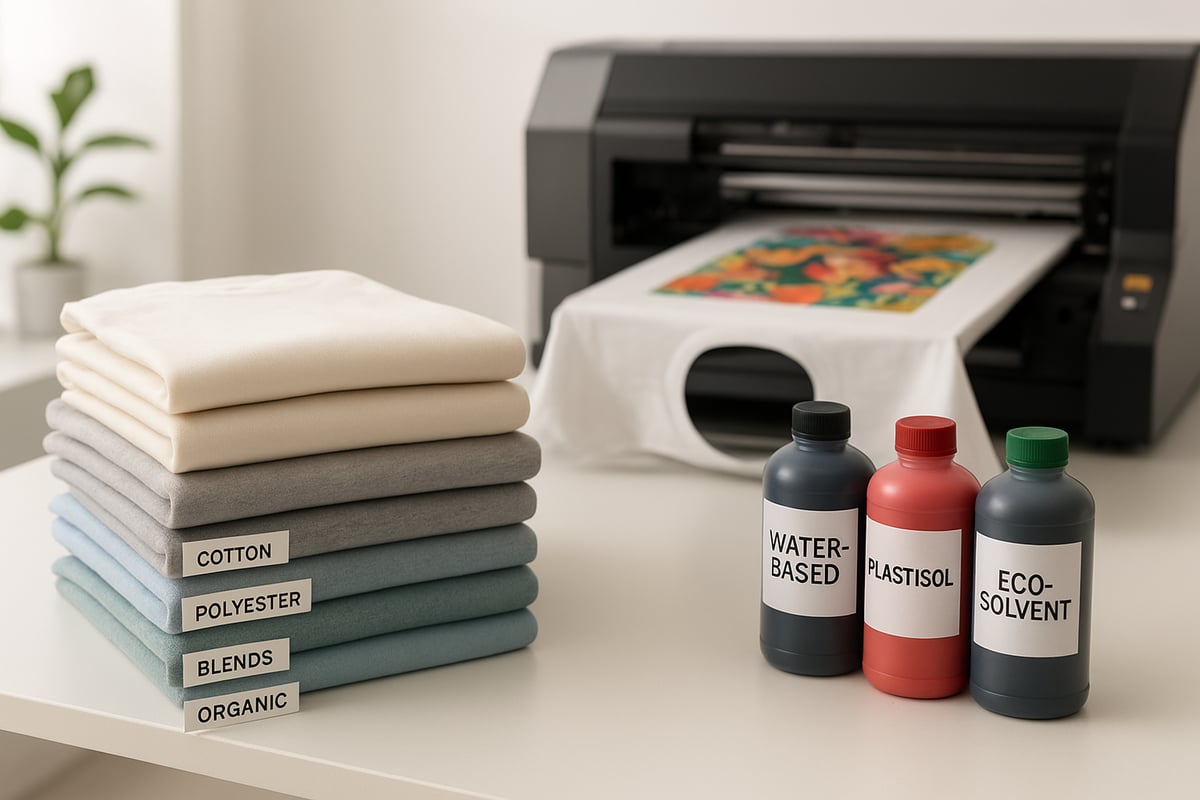
The choice of fabric is a critical decision for shirt digital printing. Cotton is favoured for its natural softness and excellent ink absorption, resulting in vivid, long-lasting prints. Polyester, on the other hand, is lightweight and durable, making it ideal for sportswear, but requires specific inks and pre-treatment to ensure colours remain vibrant.
Blended fabrics combine the advantages of both, offering flexibility and comfort without compromising print quality. Organic fabrics are increasingly popular, appealing to eco-conscious consumers and aligning with sustainable production goals.
| Fabric Type | Print Vibrancy | Durability | Eco-Friendly | Typical Use |
|---|---|---|---|---|
| Cotton | High | Good | Moderate | Fashion, everyday |
| Polyester | Moderate | High | Low | Sports, uniforms |
| Blends | Good | High | Varies | Workwear, casual |
| Organic | High | Good | High | Premium, green |
When choosing a fabric, always consider the intended use of the shirt and the expectations for print quality. The interaction between the chosen material and the shirt digital printing process plays a significant role in the final product.
Ink selection is equally important in shirt digital printing. Water-based inks are prized for their soft feel and eco-friendly properties, making them suitable for light-coloured, natural fabrics. Plastisol inks produce bold, opaque prints and are highly durable, but are less breathable and less environmentally friendly.
Eco-solvent inks are gaining popularity due to their versatility and reduced environmental impact. Recent innovations have introduced hypoallergenic and biodegradable options, further supporting sustainable production. For a deeper dive into eco-friendly practices and their impact on the UK market, see the Rise of Sustainable Custom T-shirt Printing UK.
When selecting inks, balance the desired finish, durability, and sustainability targets. The right ink enhances the visual appeal and feel of your shirt digital printing projects.
Sourcing high-quality shirts is a cornerstone of successful shirt digital printing. Key factors include GSM (grams per square metre), which measures fabric weight, and the weave, which affects ink absorption and print sharpness. A tighter weave and higher GSM typically yield better print results and a premium feel.
Fit and finish also matter—well-constructed seams and collars contribute to the overall garment presentation. Always opt for certified suppliers who can guarantee consistency and compliance with safety and environmental standards.
Premium shirts not only improve print results but also enhance perceived value, helping brands stand out in a competitive market. Investing in quality ensures that your shirt digital printing output meets professional standards.
Understanding the cost dynamics of shirt digital printing is essential for effective budgeting. Shirt and ink choices significantly impact total costs. Cotton shirts generally cost more than polyester, while organic and premium options command higher prices due to sourcing and certification.
Bulk ordering offers substantial savings, lowering the average cost per unit and streamlining production. For example, a standard cotton shirt with digital print may average £6 per unit in small runs, dropping to £4 for larger quantities.
Consider order size, material choice, and ink type when calculating project costs. Efficient sourcing and bulk purchasing can maximise profitability and ensure timely delivery for large-scale shirt digital printing orders.
The landscape of shirt digital printing is more dynamic than ever in 2026. Businesses and creators have access to a diverse toolkit of printing technologies, each offering unique benefits for custom apparel projects. Understanding the differences and best practices for each method is essential for achieving professional, long-lasting results.
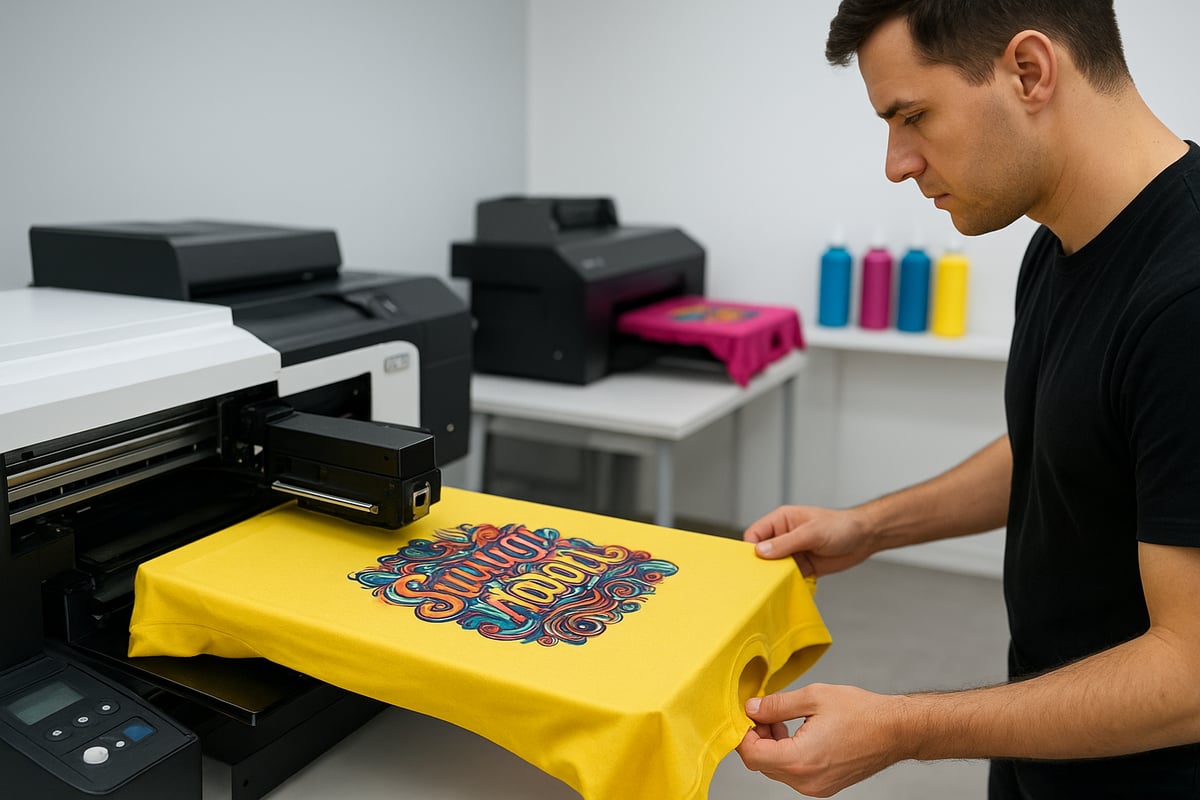
Direct-to-Garment printing remains a cornerstone of shirt digital printing, prized for its ability to reproduce detailed, full-colour designs directly onto fabric. The DTG process begins with pre-treatment of the garment, followed by digital printing using specialised inkjet technology, and finishes with heat curing to set the ink.
Step-by-step DTG workflow:
DTG offers unmatched detail and a wide colour range, making it ideal for complex graphics and photographic images. However, it is best suited for 100 percent cotton or high-cotton blends. Maintenance is key: regular cleaning of printheads and scheduled calibration ensure consistent output and machine longevity.
When evaluating print quality and customer satisfaction, resources such as Customer Satisfaction on DTG Printing offer valuable insights into real-world feedback and best practices. This helps businesses fine-tune their shirt digital printing processes to meet client expectations.
Direct-to-Film printing is rapidly gaining popularity within the shirt digital printing sector. DTF uses a unique process where designs are printed onto a special film, coated with adhesive powder, and then heat-transferred onto garments. This method excels in versatility, as it works on a broader range of fabrics, including polyester, cotton, and blends.
DTF advantages:
Compared to DTG, DTF is more forgiving with fabric types and is especially effective for intricate, multi-colour designs. It is increasingly chosen for sportswear, promotional shirts, and workwear, providing businesses with expanded creative options in shirt digital printing.
Sublimation printing is a specialist technique within shirt digital printing, particularly effective for polyester fabrics and blends. The process uses heat to transfer dye directly into the fibres, resulting in vivid, durable prints that do not crack or peel.
Sublimation best practices:
This method is popular for sports kits, fashion lines, and promotional items. However, it is not suitable for 100 percent cotton garments. To prevent ghosting or colour fade, always use high-quality sublimation inks and ensure substrates are lint-free before printing.
Hybrid shirt digital printing techniques combine digital and traditional methods, such as screen printing, to achieve unique visual effects. For example, a design might use DTG for photographic detail and screen printing for metallic or textured inks.
Speciality applications include:
These advanced methods are often used for branded workwear or limited-edition merchandise, elevating the perceived value of custom shirts. Investing in hybrid workflows enables print shops to offer clients a wider range of creative possibilities in shirt digital printing.
Rigorous quality control is essential in shirt digital printing to maintain high standards and minimise costly errors. Implementing a detailed inspection checklist helps catch issues before garments reach customers.
Inspection checklist:
Post-print treatments, such as heat pressing, steaming, and careful packaging, ensure lasting quality. Common issues like misalignment or colour shifts can often be traced back to file preparation or equipment calibration. Regular equipment maintenance and staff training are crucial for consistent, high-quality shirt digital printing.
By mastering these techniques and adhering to best practices, businesses and designers can deliver professional, vibrant, and durable results that set them apart in the competitive shirt digital printing market.
Even with the latest advances in shirt digital printing, occasional issues can arise that affect final results. By understanding common problems and their solutions, you can maintain quality and customer satisfaction. Below, we explore practical troubleshooting strategies for the most frequent challenges faced in the industry.
Print quality is a top concern in shirt digital printing. Faded or washed-out prints often result from incorrect ink levels, improper curing, or low-quality artwork files. Banding and misalignment may signal clogged nozzles or mechanical issues.
To address these, always use high-resolution artwork (300 DPI or higher) and ensure your printer's maintenance schedule is up to date. If colour shifts occur, recalibrate your printer and check your colour profiles match your artwork. For deeper insight into the latest troubleshooting technologies, see the Innovations in Textile Printing Conference for expert guidance on resolving digital print quality challenges.
Proactive inspection after each print run helps catch defects early and ensures consistent, professional results.
Matching the right fabric and ink is key for reliable shirt digital printing results. Problems like ink bleeding, cracking, or poor adhesion often occur when incompatible materials are used. Stretchy or textured fabrics can be especially tricky.
Choose inks specifically formulated for your fabric type, such as water-based inks for cotton or specialised formulations for polyester. Always pre-test on a sample garment before full production. Adjust curing temperatures and times to the manufacturer's recommendations to avoid future issues.
Preventing peeling and fading starts with careful material selection and precise print settings. This approach reduces waste and enhances overall print durability.
Regular equipment maintenance directly impacts the quality of shirt digital printing. Neglected printheads can cause streaks, misalignment, or inconsistent colours. Schedule daily cleaning routines and replace worn parts as needed.
Calibration is equally important. Use your printer's built-in tools to align printheads and update firmware regularly. Software updates often include important fixes that improve print consistency.
A well-maintained printer not only produces sharper images but also reduces downtime and costly repairs. Keeping a maintenance log ensures all tasks are completed on schedule and helps track recurring issues.
Customer feedback is invaluable for improving your shirt digital printing workflow. Encourage clients to share their experiences and review finished garments. Analysing this feedback reveals patterns in recurring issues, such as colour inaccuracy or garment defects.
Implement a feedback loop by sharing insights with your production team and updating procedures accordingly. Address complaints promptly to build trust and loyalty. According to recent industry data, most common complaints in 2025–2026 involved print durability and turnaround time.
By acting on customer input, you can refine your processes, reduce errors, and consistently deliver superior results in shirt digital printing.
The future of shirt digital printing is being shaped by rapid innovation, sustainability drives, and growing consumer demand for unique, personalised garments. As we look ahead to 2026, businesses and designers must be ready to embrace new technologies and evolving market expectations. This section explores the most significant trends that will define the shirt digital printing landscape in the coming years.
Artificial intelligence is transforming shirt digital printing by streamlining both design and production processes. Machine learning algorithms can now optimise artwork for better print clarity and colour accuracy. Automated workflows are reducing manual intervention, which leads to faster turnaround times and fewer errors.
Print shops are adopting predictive maintenance and smart scheduling, allowing them to anticipate equipment needs and minimise downtime. Events like FuturePrint 2025 Event Overview highlight how AI-driven platforms are revolutionising the textile sector, making shirt digital printing more efficient and reliable.
Sustainability is now central to shirt digital printing, as both consumers and regulators demand greener practices. Advances in biodegradable inks and recyclable garments are helping print shops reduce their environmental impact. Water-based inks are replacing solvents, offering improved safety and eco-friendliness.
Traceability is also a key trend, with brands providing detailed information about the origin and lifecycle of printed shirts. Eco-certifications are becoming standard, ensuring compliance with strict UK and EU regulations. By adopting these innovations, businesses can attract environmentally conscious customers and future-proof their operations.
The rise of “design your own” platforms is reshaping shirt digital printing, enabling customers to visualise their creations in real time. Augmented and virtual reality tools give users the power to preview designs on different garments before placing an order, enhancing the overall experience.
Mass customisation is now feasible, allowing brands to offer unique shirts without large inventory commitments. This shift is encouraging fashion labels, sports teams, and event organisers to invest in flexible, on-demand production. As a result, shirt digital printing is becoming more responsive to individual tastes and market trends.
The outlook for shirt digital printing in 2026 is extremely positive, with significant growth projected across various sectors. Corporate branding, influencer merchandise, and event apparel are identified as high-potential markets. According to recent industry data, the global custom apparel market is expected to exceed previous forecasts.
For those seeking to build a brand or expand their product line, resources like Personalised T-Shirts and Hoodies: Elevating UK Brands in 2025 offer valuable insights into leveraging digital printing for business growth. Staying competitive requires constant innovation, investment in new technology, and a keen understanding of shifting consumer preferences.

OK T-Shirt
126 Beeches Rd
Birmingham
B42 2HQ
