Cheap Printed T-Shirts UK: Quality & Value Guide 2026
Discover how to source cheap printed t-shirts UK without compromising…
Discover how to make your mark in 2026 with shirt printing and embroidery. As technology advances, the world of custom apparel is transforming rapidly, offering new ways to personalise garments for businesses, schools, sports teams, and individuals alike.
Understanding the essentials of shirt printing and embroidery is crucial for achieving professional, lasting results. This comprehensive guide will walk you through the latest methods, innovative materials, design tips, and practical steps to create high-quality, standout shirts.
Ready to elevate your brand or personal style? Explore the key techniques, design trends, and expert advice you need for success in the year ahead.
Choosing the right technique for shirt printing and embroidery is crucial to achieving the results you want in 2026. Each method offers unique benefits, suited to different needs and design goals. Let us explore the main techniques shaping the world of custom apparel today.
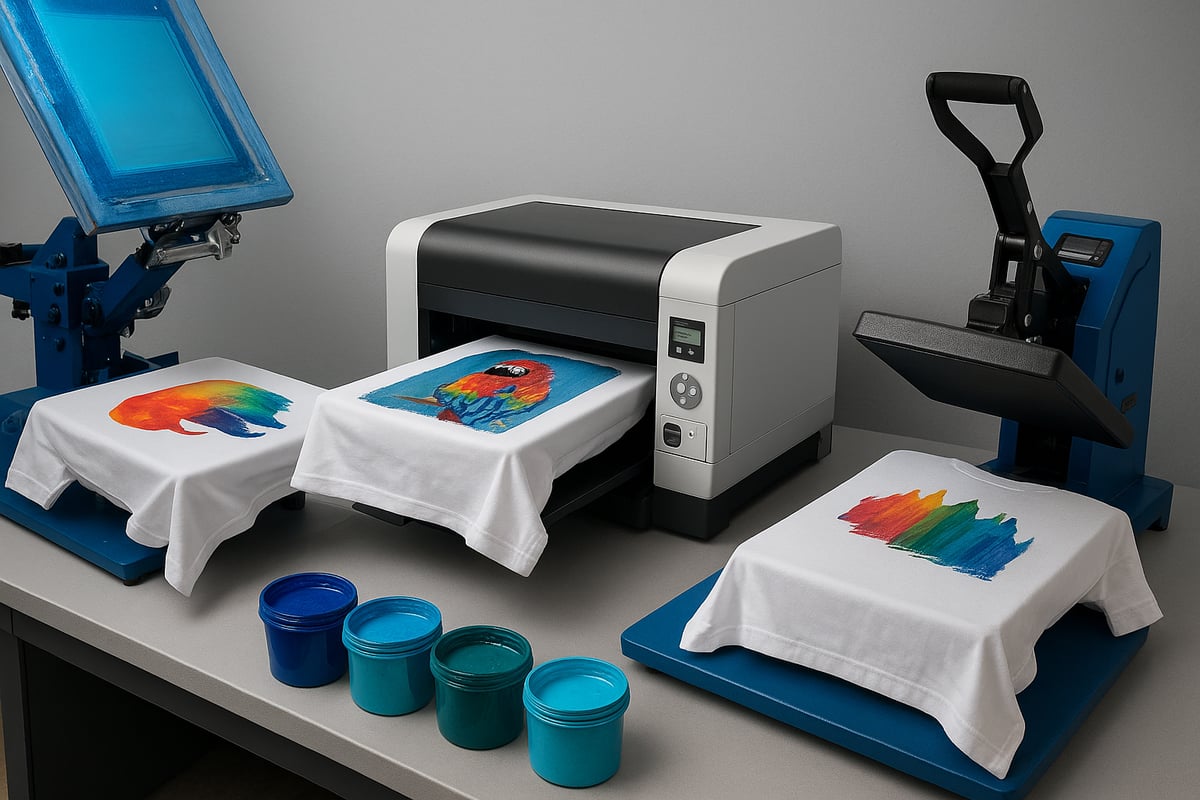
Screen printing remains the cornerstone of shirt printing and embroidery for bulk orders and bold, vibrant designs. This technique involves pressing ink through a mesh stencil, creating crisp and durable prints that stand up to frequent washing.
Best suited for sportswear, school uniforms, and large promotional events, screen printing shines when you need consistency across many garments. Its main strengths are long-lasting results and cost-effectiveness at higher volumes. However, it is less ideal for intricate, multi-colour designs due to setup time and colour restrictions.
For example, local sports clubs often rely on screen printing for their team kits, ensuring every shirt looks sharp and professional. Many printers now use eco-friendly, water-based inks, reducing environmental impact and making this method a sustainable choice for shirt printing and embroidery.
Direct-to-Garment (DTG) printing uses advanced inkjet technology to apply full-colour designs directly onto fabric. This method excels at capturing intricate artwork, gradients, and even photo-quality images, making it a favourite for personalised gifts and creative projects.
DTG is best for small batches and one-off custom pieces, as it requires minimal setup and supports unlimited colours. The primary limitation lies in garment choice, with 100 percent cotton offering the best print quality and durability. Production is slower for large runs compared to screen printing.
Personalised birthday shirts featuring photographs or detailed art are perfect candidates for DTG. According to Direct-to-Garment Printing Market Growth Projections, demand for DTG is increasing rapidly, reflecting a shift toward short-run, on-demand shirt printing and embroidery in the custom apparel sector.
Heat transfer and sublimation offer versatile solutions for shirt printing and embroidery, especially when working with a range of fabrics and design types. Heat transfer applies vinyl, transfer paper, or digital prints to garments using heat and pressure, delivering vibrant results quickly.
Sublimation infuses dye into polyester and blended fabrics, producing all-over prints that are lightweight and fade-resistant. These methods suit sportswear, promotional shirts, and corporate event apparel where flexibility and colour coverage are priorities.
However, heat transfer is generally less durable than screen printing, and sublimation works only on light-coloured polyester. Still, both techniques are popular for custom event shirts or branded giveaways, providing creative freedom for shirt printing and embroidery projects.
Selecting the right approach for shirt printing and embroidery depends on your design, garment, and budget. Here is a quick comparison:
| Method | Best For | Cost per Unit (50+) | Colour Range | Durability | Fabric Suitability |
|---|---|---|---|---|---|
| Screen Print | Bulk, sportswear | £ | Limited | High | Most |
| DTG | Small runs, detail | ££ | Unlimited | Medium | 100% cotton |
| Heat Transfer | Fast, promo items | ££ | Unlimited | Medium | Most |
| Sublimation | All-over, polyester | £££ | Unlimited | High | Polyester blends |
Screen printing offers the most value for large orders, while DTG stands out for detailed, small-batch projects. Heat transfer and sublimation provide flexibility, ideal for unique shirt printing and embroidery needs. Always consider your order size, fabric, and intended use to achieve the best balance of quality, cost, and visual impact.
Embroidery is a cornerstone of shirt printing and embroidery, offering a timeless way to elevate garments with depth, texture, and sophistication. Whether you are seeking a durable finish for workwear or a personalised touch for school uniforms, understanding the essentials of embroidery is key to making informed choices. This section explores the process, materials, applications, and how embroidery compares with printing, ensuring you get the most from your shirt printing and embroidery projects.
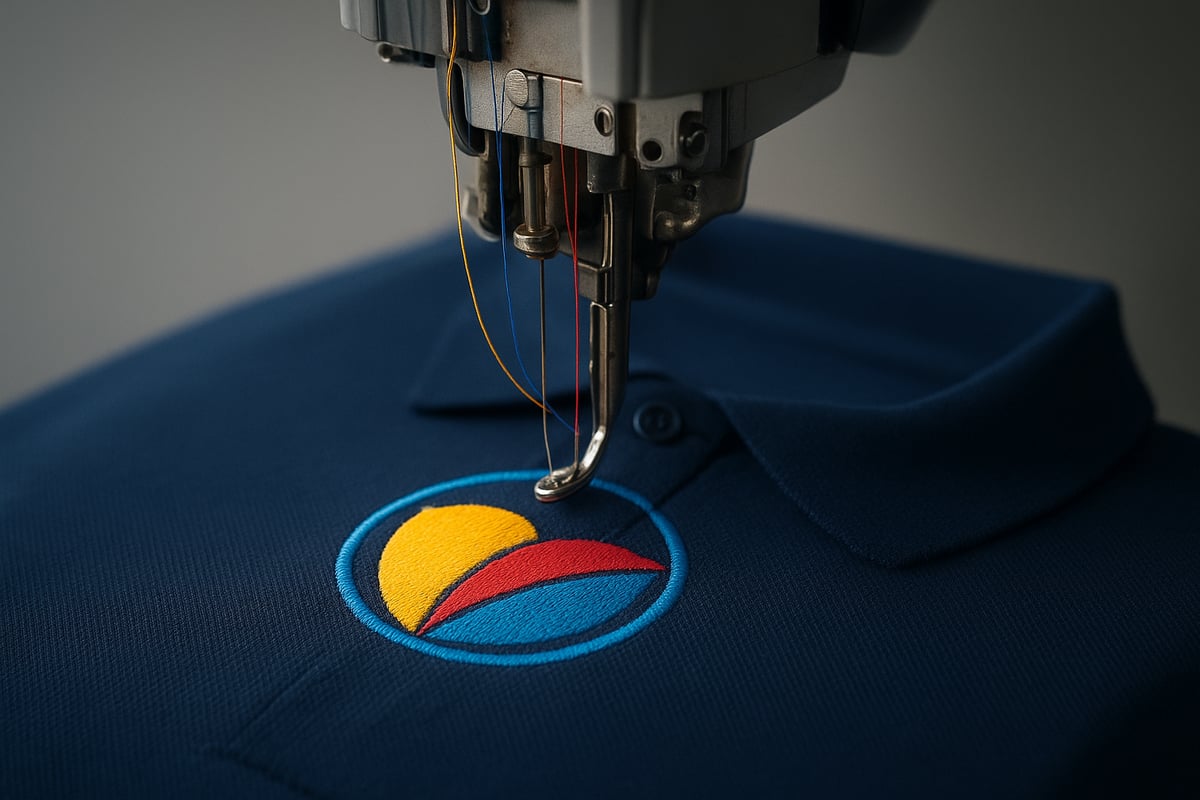
The process at the heart of shirt printing and embroidery is surprisingly intricate. Modern embroidery uses computer-controlled machines to stitch designs directly onto fabric, translating digital artwork into thread with pinpoint accuracy. There are several techniques, including flat embroidery for a sleek look, 3D or puff embroidery for raised effects, and appliqué, which involves stitching fabric shapes onto the garment.
Embroidery is especially suited to items like polos, jackets, caps, and workwear, where durability and a professional appearance are crucial. If you are looking for ideal canvases, explore Polo Shirts for Embroidery to see how this method can be used for both business and personal projects. The result is a tactile, long-lasting design that stands up to repeated washing and daily wear, making shirt printing and embroidery a preferred choice for uniforms and branded merchandise.
Selecting the right materials is fundamental to achieving the best results with shirt printing and embroidery. Threads come in various types, each offering distinct qualities. Polyester thread is strong and colourfast, making it suitable for garments that require frequent washing. Rayon thread delivers a luxurious sheen, perfect for detailed logos or decorative elements. Specialty threads, such as metallic or glow-in-the-dark, can add unique effects.
Equally important are backing and stabilisers. These materials support the fabric during stitching, ensuring the embroidery remains crisp and maintains its shape over time. The choice of backing affects not only the look but also the durability of the finished product. Colourfastness and washability are essential considerations, especially for shirt printing and embroidery that will be worn and laundered regularly.
The demand for shirt printing and embroidery continues to grow, with businesses, schools, and individuals embracing embroidered garments for a range of uses. In 2026, embroidered corporate uniforms, schoolwear, and branded merchandise are among the most popular applications. Personalisation is a major trend, with names, logos, and custom artwork adding value and identity to each piece.
Recent market insights show a 12% increase in demand for embroidered workwear in the UK since 2023, reflecting the ongoing shift towards professional, branded apparel. Whether you are outfitting a team, creating memorable school uniforms, or offering bespoke merchandise, shirt printing and embroidery provides both distinction and durability in every application.
Choosing between embroidery and printing depends on your project’s goals, garment type, and budget. Embroidery delivers unmatched durability and a premium look, especially on thicker fabrics like polos, jackets, and caps. It is cost-effective for small to medium runs with simple logos or text, but can become expensive for large, intricate designs.
In contrast, printing is ideal for T-shirts, large graphics, or photo-realistic designs, making it better suited for bulk orders or detailed artwork. For instance, embroidered polos are perfect for staff uniforms, while printed tees excel at events or promotional giveaways. Understanding these differences helps you make informed decisions for your next shirt printing and embroidery project.
Creating standout custom apparel involves much more than just picking a shirt and adding a logo. With the right approach, shirt printing and embroidery can elevate your brand, unify your team, or mark a special occasion. Let us walk you through each step, ensuring your finished garments are both eye-catching and durable.
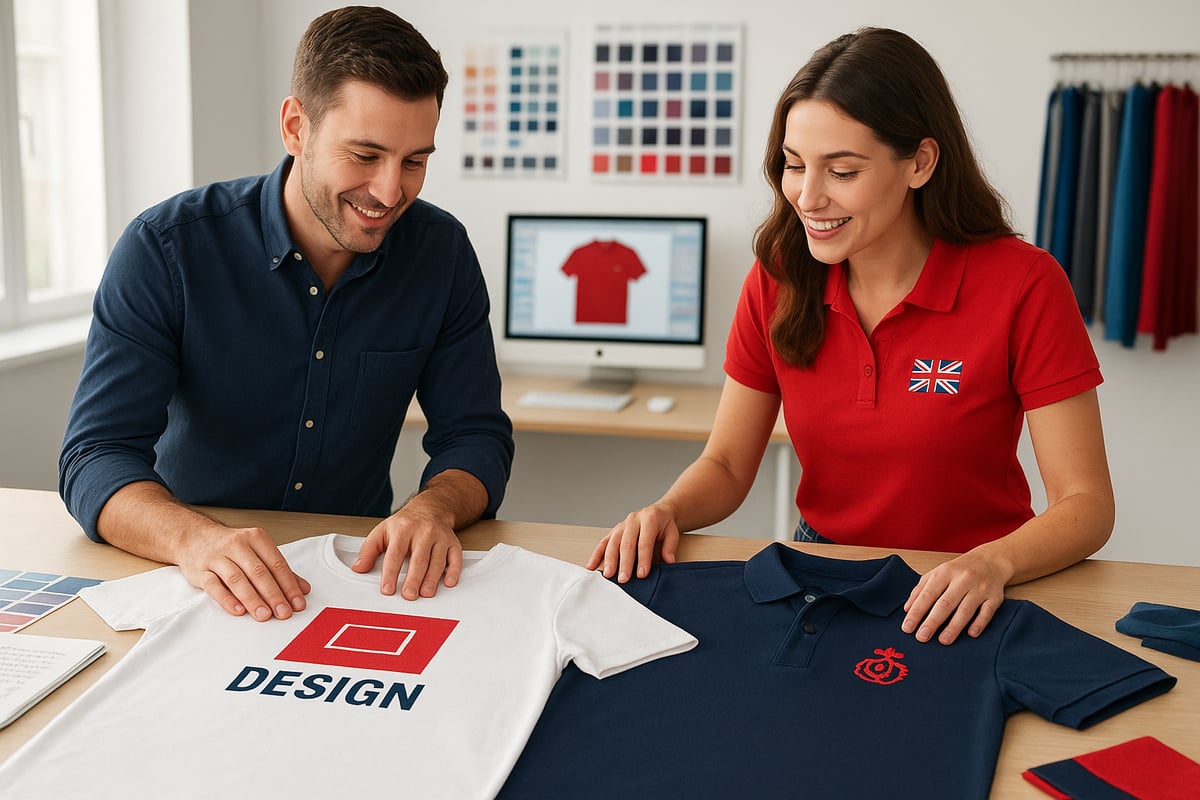
Start your shirt printing and embroidery project by clarifying its purpose. Are you outfitting a business, school, sports team, or organising an event? Understanding the goal shapes every decision that follows.
Consider your audience carefully. For schoolwear, durability and easy maintenance matter. For businesses, a professional look and consistent branding are vital. Sports teams may prioritise breathability and team colours. Personal projects, such as birthday or stag party shirts, often focus on creative expression and comfort.
If you are ordering for a school, explore dedicated School Uniform Printing and Embroidery services. These ensure compliance with uniform policies and offer robust, long-lasting garments suited for daily wear.
A clear understanding of your audience ensures your shirt printing and embroidery choices delight both the wearer and those who see them.
Selecting the ideal garment is crucial for a successful shirt printing and embroidery outcome. Consider fabric type first. Cotton is soft and breathable, perfect for everyday wear. Polyester excels for sportswear, offering moisture-wicking properties. Blends combine comfort with durability, while eco-friendly options like organic cotton appeal to environmentally conscious buyers.
Think about fit and style. Do you need unisex, women’s, or children’s cuts? Athletic fits suit active teams, while fashion cuts work well for promotional or retail shirts. For bulk orders, ensure a wide size range to accommodate everyone.
Compare garment types easily:
| Garment Type | Best For | Key Benefits |
|---|---|---|
| T-shirt | Events, promotions | Versatile, affordable |
| Polo | Workwear, uniforms | Smart, durable |
| Hoodie | Clubs, schools | Warm, customisable |
| Sportswear | Teams, athletics | Breathable, flexible |
A thoughtful garment selection sets the stage for high-quality shirt printing and embroidery that stands the test of time.
Choosing between printing and embroidery depends on your design, quantity, and garment type. Screen printing is ideal for large orders with bold, simple designs. Direct-to-garment (DTG) shines for small batches and intricate, colourful artwork. Heat transfer and sublimation suit sportswear and all-over prints.
Embroidery delivers a premium, textured finish, perfect for polos, jackets, and caps. It excels for logos and names, especially on thicker fabrics. However, embroidery may not capture fine detail as precisely as printing.
For some projects, combining techniques adds impact. For example, use embroidery for a business logo on the chest and print a bold graphic on the back. Matching the method to your project’s needs ensures shirt printing and embroidery results that are both practical and visually appealing.
Artwork preparation is key to professional shirt printing and embroidery. Start by choosing the right file type. Vector files (.ai, .eps, .svg) are preferred for printing due to scalability. For embroidery, high-resolution raster images (.png, .jpg) may be used, but digitisation is required to convert your design into stitch paths.
Pay attention to colour. Use CMYK colour profiles for printing to ensure accurate reproduction. For embroidery, select from thread charts to match your brand colours as closely as possible.
Mock-ups are invaluable. Request digital proofs to visualise placement and scale. Proofing minimises errors and ensures your shirt printing and embroidery project matches your expectations.
Once your artwork is ready, communicate clearly with your supplier. Share all relevant details, such as garment sizes, colours, and quantities. Confirm minimum order quantities and lead times to avoid surprises.
Review proofs carefully. Digital proofs or physical samples allow you to check design placement, colours, and spelling. Approving these ensures your shirt printing and embroidery order proceeds exactly as planned.
Ask questions if anything is unclear. A reputable supplier will guide you through the process, offering advice on adjustments if needed. This attention to detail helps achieve outstanding shirt printing and embroidery results every time.
During production, your shirts move through several quality checkpoints. Printing requires careful alignment, colour accuracy, and even ink distribution. Embroidery involves checking thread tension, stitch density, and finish quality.
Reliable suppliers maintain strict quality control. Look for final inspections of each order, ensuring garments meet your specifications. Packaging should protect your shirts during delivery, keeping them fresh and ready to wear.
After receiving your order, inspect your garments promptly. If any issues arise, contact your supplier for resolution. A robust quality control process guarantees your shirt printing and embroidery project delivers lasting satisfaction.
The landscape of shirt printing and embroidery is changing rapidly, with 2026 bringing fresh trends that blend sustainability, technology, and creative expression. For brands and individuals alike, understanding these innovations is essential to stay ahead in a competitive market.
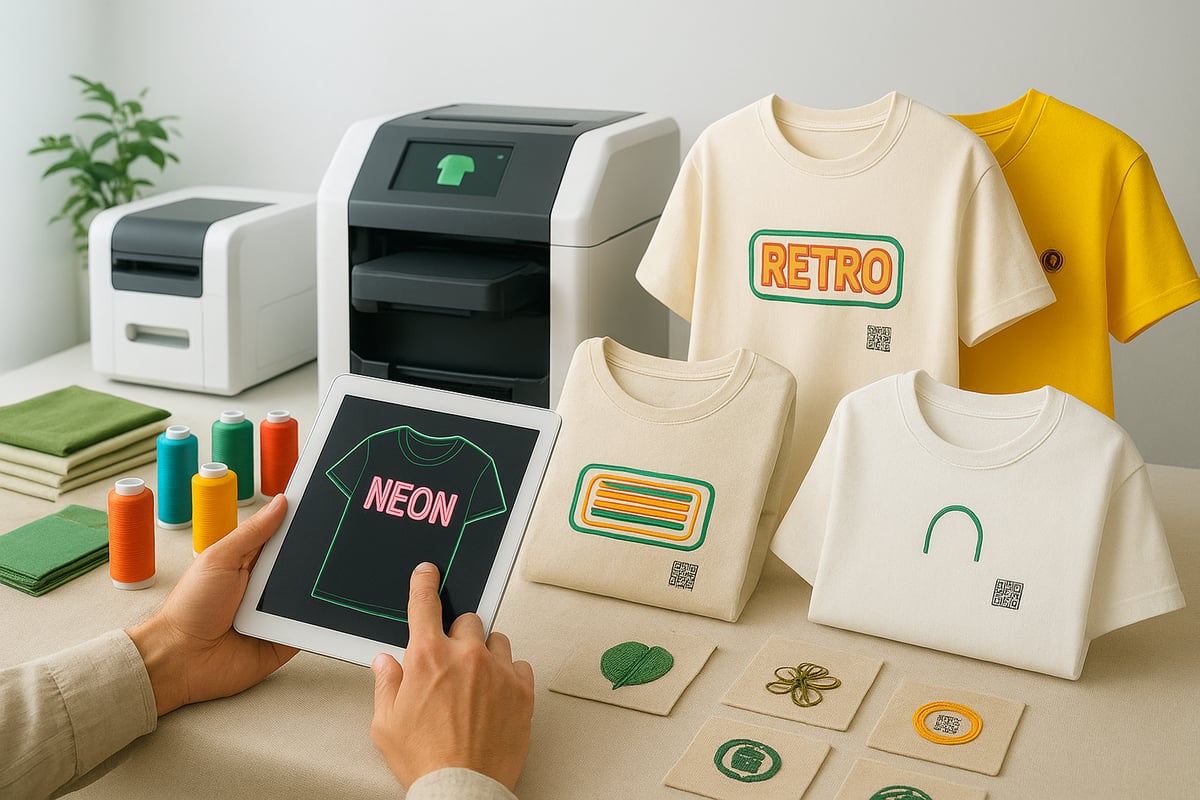
Sustainability is now a cornerstone of shirt printing and embroidery. Organic cotton, recycled polyester, and biodegradable threads are increasingly popular, meeting consumer demand for eco-friendly apparel. Water-based and low-impact inks are replacing traditional plastisol, helping to reduce environmental impact.
A recent survey found that 70% of UK buyers prefer sustainable options, making it crucial for suppliers to offer green materials. Brands that embrace these changes not only appeal to eco-conscious customers but also future-proof their offerings. For workwear, eco-friendly choices are especially important, and businesses can explore Workwear Embroidery Solutions to ensure their branded apparel meets sustainability standards.
The shift towards sustainable shirt printing and embroidery is not just a trend but a long-term transformation in the industry.
Personalisation is evolving with the help of AI-powered design tools and on-demand production. Customers can now create unique artwork in real time, previewing their designs instantly on supplier websites.
On-demand shirt printing and embroidery minimises waste and excess inventory, while AI streamlines the design process for both individuals and businesses. This approach is especially effective for small batch orders or one-off garments, providing flexibility and efficiency.
As these technologies develop, expect even more seamless integration between creativity and production in 2026.
Vibrant colours and innovative textures are defining the next wave of shirt printing and embroidery. Neon accents and earthy tones are leading the way, while combining print with embroidery creates multi-dimensional effects.
Speciality threads, such as metallic or glow-in-the-dark, add a striking touch to any garment. Mixed techniques allow for intricate details, giving brands the ability to stand out. According to the Screen Printing Market Analysis 2025-2030, the demand for creative solutions continues to drive growth in the sector.
With these advancements, shirt printing and embroidery offers limitless possibilities for bold and memorable apparel.
Minimalism remains a favourite, with clean logos and simple graphics dominating shirt printing and embroidery design. At the same time, retro-inspired styles are making a comeback.
Nostalgic fonts and vintage colour palettes evoke familiarity and charm, appealing to a broad audience. This blend of simplicity and nostalgia allows brands to connect with both modern and classic tastes.
By leveraging these styles, designers can create shirts that are both timeless and on-trend.
Technology is being woven directly into apparel. QR codes and NFC tags can now be embedded in printed or embroidered patches, unlocking interactive experiences for wearers.
These features are ideal for marketing campaigns, events, or product authentication, offering added value through shirt printing and embroidery. As more suppliers adopt these innovations, expect to see garments that bridge the gap between fashion and digital engagement.
Staying current with tech trends ensures your apparel remains relevant and engaging in 2026.
Selecting the right partner for your shirt printing and embroidery project is crucial to achieving professional results. With so many options available, it pays to know what to look for and how to compare suppliers. This section walks you through the essential criteria, common pitfalls, and practical steps for making a confident, informed choice.
When assessing suppliers, reputation is key. Seek out reviews, client testimonials, and case studies to gauge reliability. A broad product range is also essential. The best suppliers offer everything from basic T-shirts to specialised workwear and school uniforms. For example, a supplier that provides Kids’ Custom T-Shirts demonstrates versatility and an ability to cater to all audiences.
Design support can make or break your project. In-house designers and proofing services ensure your shirt printing and embroidery vision translates into a polished end product. Ask about their artwork requirements and whether they offer help with design tweaks.
Quality should always come first. Request sample orders to check print sharpness, embroidery thread tension, and overall garment finish. Assess production speed by asking about standard and express lead times. Reliable suppliers have robust quality assurance processes in place, minimising errors and ensuring consistent results for your shirt printing and embroidery needs.
Industry standards are constantly evolving. Reviewing sector data, such as the figures found in Screen Printing Industry Statistics 2025, can help you benchmark what to expect from leading providers.
Transparent pricing is non-negotiable. Look for detailed quotes that break down setup fees, per-unit costs, and extras. Many suppliers offer bundles for schools and businesses, making large orders more affordable. Bulk discounts are an advantage if your shirt printing and embroidery project involves high volumes.
When comparing quotes, pay attention to what is included, such as design support or free delivery. This ensures you accurately assess value for money.
Effective communication is the backbone of any successful shirt printing and embroidery partnership. Evaluate how quickly and clearly suppliers respond to your inquiries. The best providers offer an intuitive online ordering experience, allowing you to upload designs, select garments, and track progress with ease.
After-sales support is equally important. Choose a partner who handles issues, reprints, or returns professionally, giving you peace of mind from start to finish.
Choosing between local and online suppliers can impact your shirt printing and embroidery experience. Here is a quick comparison:
| Feature | Local Supplier | Online Supplier |
|---|---|---|
| Support | In-person assistance | Digital support, live chat |
| Turnaround | Faster for urgent orders | May require shipping time |
| Product Range | Sometimes limited | Often broader selection |
| Community Impact | Supports local economy | Wider reach, national scale |
| Pricing | Can be higher | Often competitive |
Consider your project needs and preferences when making this decision.
Protect your investment by watching for common warning signs:
If a shirt printing and embroidery supplier exhibits any of these, proceed with caution.
Before you commit, use this checklist:
Align the supplier’s capabilities with your shirt printing and embroidery project goals. For instance, a school uniform contract benefits from bulk discounts and design support, while a one-off event shirt order might prioritise speed and flexibility.
OK T-Shirt
126 Beeches Rd
Birmingham
B42 2HQ
