Cheap Printed T-Shirts UK: Quality & Value Guide 2026
Discover how to source cheap printed t-shirts UK without compromising…
Choosing between different decoration methods for custom apparel can significantly impact the quality, durability, and appearance of your finished garments. Shirt printing embroidery represents two distinct approaches to customizing clothing, each with unique advantages and ideal applications. Understanding the differences between printing and embroidery techniques allows businesses and individuals to make informed decisions that align with their branding goals, budget constraints, and aesthetic preferences. As apparel decoration industry statistics demonstrate, both methods continue to thrive in the custom clothing market, with embroidery particularly valued for its premium quality and long-lasting results.
The custom apparel industry offers various techniques for personalizing garments, with printing and embroidery standing as the two primary methods. Each technique brings distinct characteristics that suit different applications, fabrics, and design requirements.
Screen printing transfers ink directly onto fabric through a mesh screen, creating vibrant designs that sit on top of the material. This method excels for large quantity orders, offering cost-effectiveness when producing dozens or hundreds of identical shirts. The process allows for bold, colourful graphics with excellent colour matching capabilities.
Key advantages of screen printing include:
However, screen printing requires setup fees for creating screens, making small orders less economical. The printed designs may crack or fade over time with repeated washing, particularly on lower-quality garments or when using inferior inks.
Embroidery creates designs by stitching thread directly into fabric, producing a three-dimensional, textured finish that exudes professionalism and permanence. This technique transforms logos, text, and graphics into raised, tactile designs that withstand years of wear and washing.
Modern computerized embroidery machines ensure precision and consistency across multiple garments. The process involves digitizing artwork into a format that machines can read, then stitching the design using specialized threads available in virtually any colour.
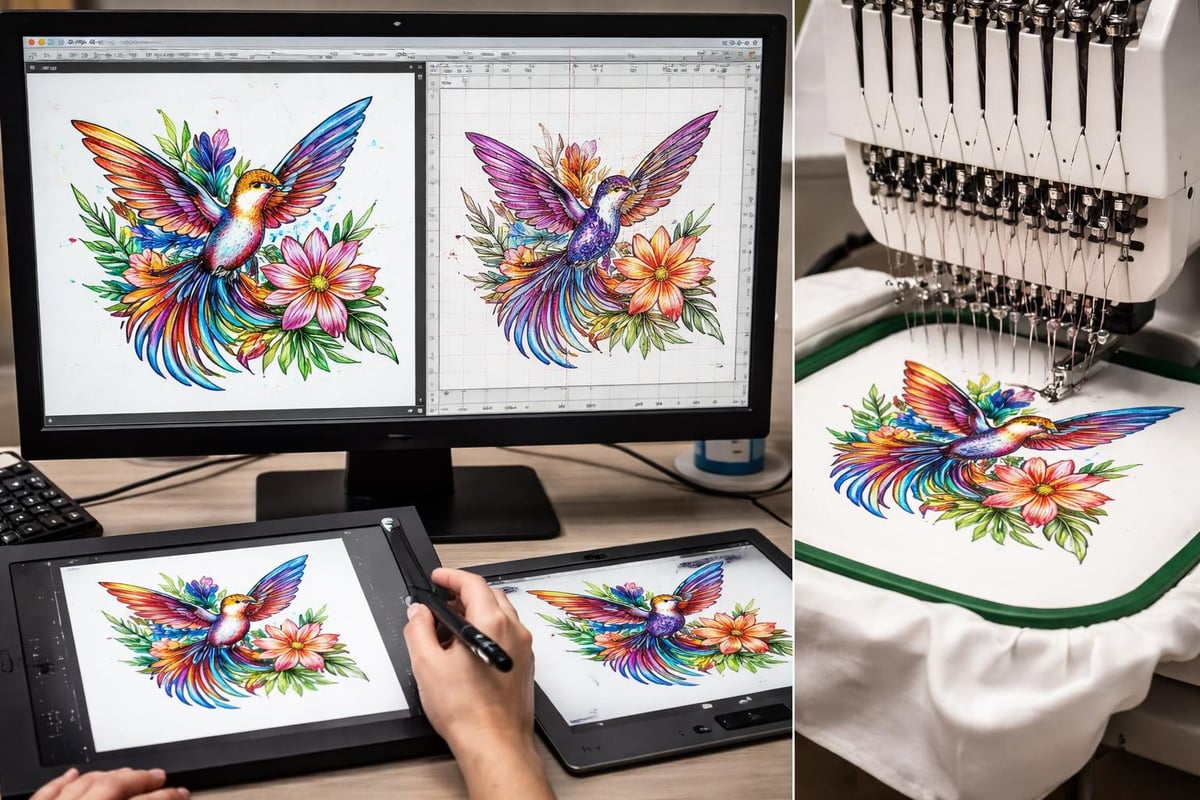
Selecting the appropriate decoration method depends on multiple factors, from fabric type to intended use. Understanding these variables helps ensure optimal results for your custom apparel projects.
| Factor | Screen Printing | Embroidery |
|---|---|---|
| Durability | Good (may fade over time) | Excellent (highly permanent) |
| Texture | Flat, smooth finish | Raised, textured appearance |
| Design Complexity | Handles fine details well | Best for simpler, bolder designs |
| Fabric Compatibility | Works on most materials | Ideal for sturdy fabrics |
| Perceived Value | Casual to mid-range | Premium, professional |
| Minimum Order | Higher quantities preferred | Cost-effective for small runs |
Different fabrics respond differently to various decoration methods. Cotton shirts work beautifully with both printing and embroidery, offering a stable surface for stitching and excellent ink absorption for printing. Polo shirts and workwear particularly benefit from embroidery, which adds structure and durability to heavier fabrics.
Lightweight materials require careful consideration. Thin t-shirts may pucker under dense embroidery, whilst certain synthetic fabrics can be damaged by the heat used in some printing processes. Performance fabrics and moisture-wicking materials often perform better with specific printing methods designed for technical textiles.
The personalized trend in fashion continues gaining momentum, with consumers increasingly seeking unique, customized garments that reflect personal style or brand identity.
Creating effective designs for shirt printing embroidery requires understanding the limitations and strengths of each technique. Proper design preparation ensures your finished garments meet expectations and maintain quality through repeated wear.
Embroidery works best with designs containing clear, bold elements rather than intricate photographic details. Text should typically be at least 5mm tall to remain legible, whilst line thickness needs to accommodate multiple thread passes.
Optimal embroidery design characteristics:
Small lettering poses particular challenges in embroidery. Letters condensed below 4mm height often become illegible blobs of thread. Practical embroidery tips suggest adjusting fonts, increasing letter spacing, and simplifying serifs to ensure clarity.
Screen printing accommodates more complex, detailed designs including photographic images, fine lines, and gradients. The technique handles large solid areas efficiently, though extremely fine details may be lost on textured fabrics.
Colour separations become crucial when printing multi-colour designs. Each colour requires a separate screen, with registration marks ensuring proper alignment. Underbase layers help bright colours pop on dark garments, whilst halftone techniques create gradients and photographic effects.
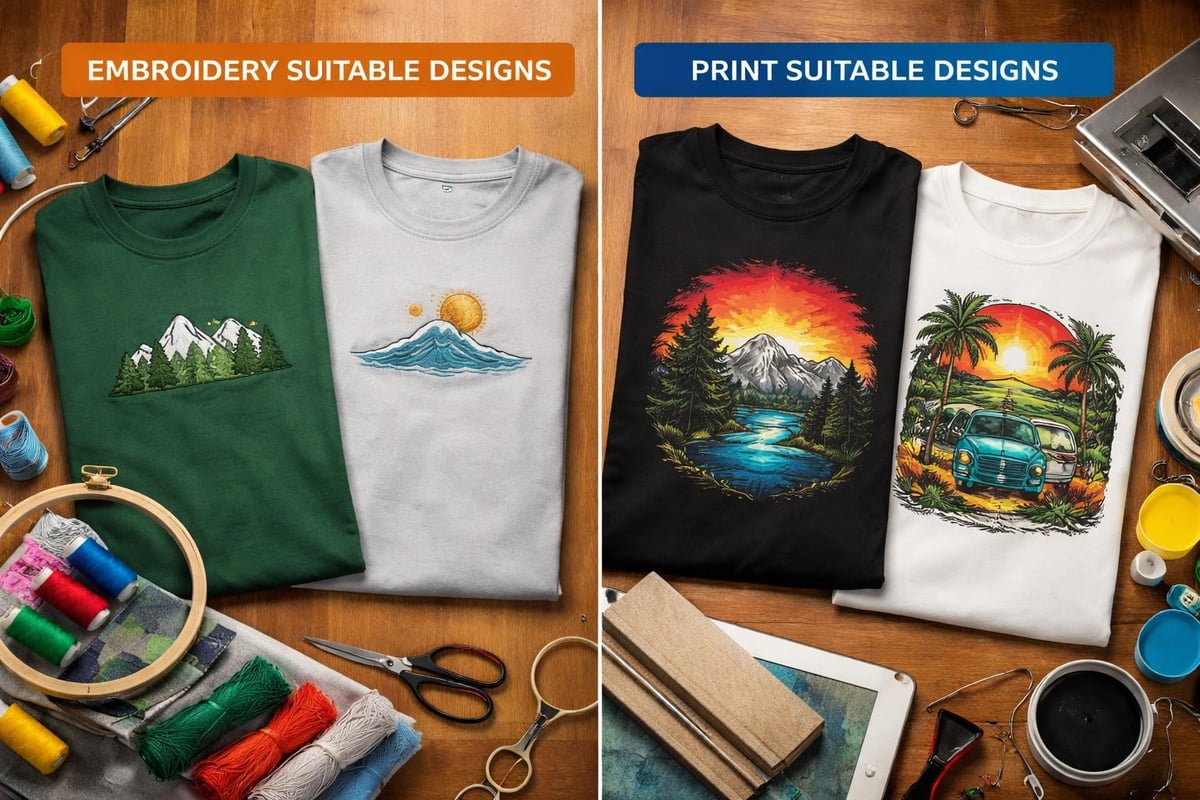
The custom apparel market constantly evolves, with new techniques, styles, and consumer preferences shaping industry offerings. Staying current with these trends helps businesses remain competitive whilst meeting customer expectations.
Custom embroidery trends reveal several exciting developments transforming the industry. Oversized embroidery makes bold statements on hoodies and sweatshirts, whilst vintage-inspired chain stitch embroidery adds nostalgic charm to contemporary designs.
Popular embroidery styles include:
Sustainable practices increasingly influence consumer choices. Organic cotton threads, recycled polyester options, and water-based backing materials appeal to environmentally conscious customers seeking eco-friendly shirt printing embroidery solutions.
Digital printing technologies continue advancing, offering new possibilities for custom shirt decoration. Direct-to-garment (DTG) printing enables full-colour, photographic designs without setup fees, making it economical for single-item orders and print-on-demand services.
The latest t-shirt embroidery trends highlight minimalist aesthetics, with simple line art and single-colour designs creating sophisticated looks. Placement experimentation moves beyond traditional chest logos to include sleeve embroidery, back neck details, and asymmetric positioning.
Different sectors leverage shirt printing embroidery for various purposes, from corporate branding to fashion statements. Understanding these applications helps businesses identify target markets and tailor offerings accordingly.
Businesses consistently choose embroidery for corporate apparel due to its professional appearance and durability. Embroidered polo shirts, dress shirts, and outerwear project credibility whilst withstanding daily wear and commercial laundering. Workwear benefits particularly from embroidery's resilience, with logos remaining intact through harsh conditions that would destroy printed designs.
Company uniform programmes often combine both techniques strategically. Large back graphics might use screen printing for cost efficiency, whilst chest logos receive embroidery treatment for premium presentation. This hybrid approach balances budget constraints with quality expectations.
Schools require durable decoration methods that survive active student lifestyles and frequent washing. Embroidered school crests on polo shirts and sweatshirts maintain appearance throughout academic years, whilst printed house names and numbers provide cost-effective identification on sports kits.
Sports teams appreciate embroidery for team uniforms, particularly when budgets allow premium decoration. Player names and numbers often use heat-applied vinyl printing for cost efficiency, whilst team logos receive embroidered treatment on caps and jackets.
Understanding the technical processes behind each decoration method helps set realistic expectations and communicate effectively with decoration providers.
Modern shirt embroidery begins with design digitization, where specialized software converts artwork into stitch files. Digitizers determine stitch types, directions, and densities, balancing coverage with fabric stability. Poor digitization causes puckering, thread breaks, and distorted designs.
Embroidery process steps:
Stabilizer selection proves critical for quality results. Cut-away stabilizers provide permanent support for stretchy fabrics, whilst tear-away options cleanly remove from stable materials. Water-soluble stabilizers dissolve completely, ideal for delicate fabrics where backing would show through.
Screen printing requires careful preparation and setup. Artwork undergoes colour separation, creating individual films for each colour layer. These films expose photo emulsion-coated screens, hardening emulsion where light passes through whilst uncured areas wash away, forming the stencil.
The printing process layers colours sequentially, with each pass requiring precise registration. Flash curing between colours prevents smearing, whilst final curing bonds ink permanently to fabric. Quality control checks colour accuracy, registration alignment, and ink coverage throughout production runs.
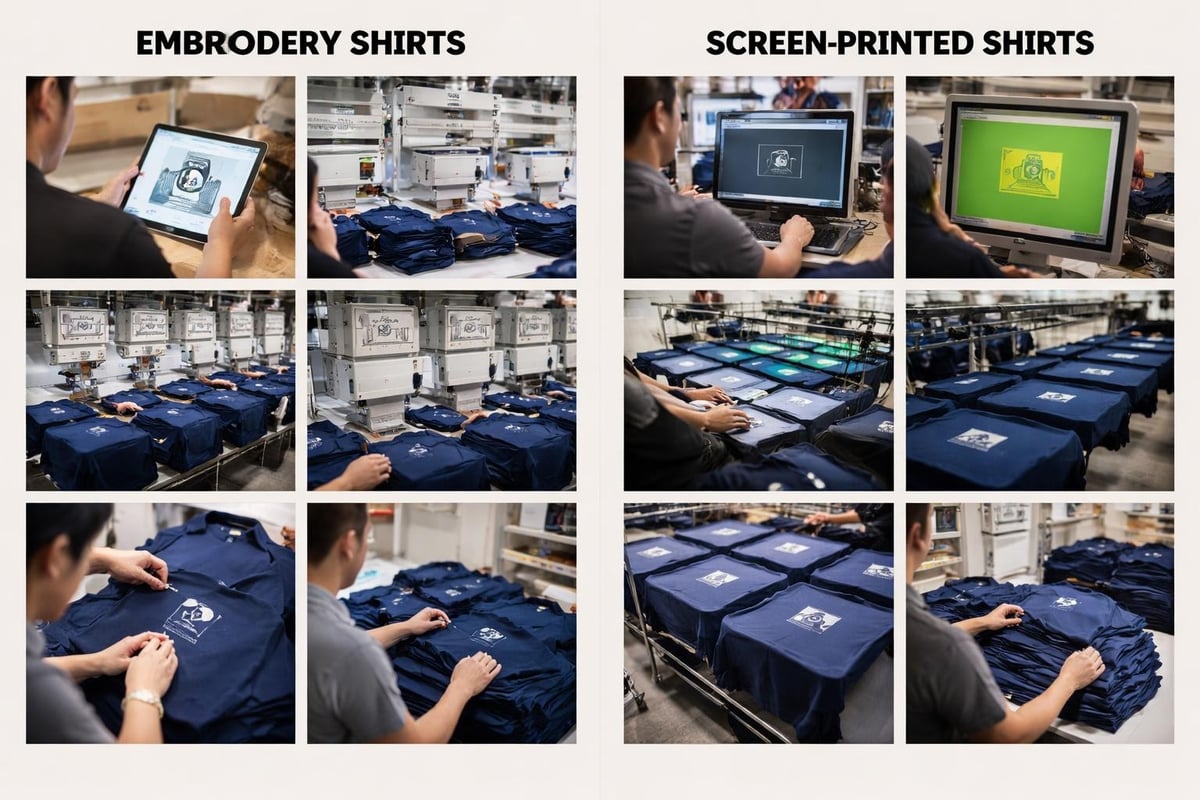
Decision-making factors extend beyond aesthetics to encompass practical considerations including budget, timeline, quantity, and intended use. Systematic evaluation ensures optimal results matching project requirements.
Screen printing becomes increasingly economical with larger quantities, as setup costs distribute across more units. Orders exceeding 50 pieces typically favour printing, particularly for multi-colour designs. Conversely, embroidery maintains consistent per-piece pricing regardless of quantity, making it viable for small runs and individual items.
The profitability of t-shirt embroidery businesses demonstrates strong market demand, particularly for premium, professional applications. Businesses can command higher prices for embroidered garments, offsetting higher per-piece costs with increased perceived value.
Complex, photographic designs necessitate printing methods capable of reproducing fine details and colour gradients. Simple logos and text-based designs suit embroidery perfectly, with the added dimension enhancing visual impact. Hybrid approaches combining both techniques maximize design possibilities whilst managing costs effectively.
| Project Type | Recommended Method | Key Reason |
|---|---|---|
| Corporate polo shirts | Embroidery | Professional appearance, durability |
| Event t-shirts (100+ units) | Screen printing | Cost efficiency, vibrant colours |
| Promotional caps | Embroidery | Standard industry practice, quality |
| Artistic graphic tees | Digital printing | Design complexity, colour range |
| Workwear jackets | Embroidery | Extreme durability requirements |
| Small business starter kit | Embroidery | Low minimums, premium positioning |
Rush orders require different approaches depending on available equipment and expertise. Digital printing and embroidery can accommodate quick turnarounds for small quantities, whilst screen printing requires setup time that may delay urgent small orders despite faster production speeds for larger runs.
Market growth reports indicate continued expansion in the embroidery sector, driven by consumer preference for quality, durability, and premium presentation. This growth supports investment in advanced equipment and skilled operators capable of delivering exceptional results.
Proper garment care significantly impacts decoration longevity, regardless of technique used. Educating customers about care requirements helps maximize satisfaction and garment lifespan.
Embroidered garments generally require minimal special care, though certain practices extend decoration life. Turning garments inside out before washing protects embroidery from abrasion, whilst avoiding high heat prevents thread damage and maintains colour vibrancy.
Embroidery care recommendations:
Commercial laundering poses particular challenges, with industrial machines and chemicals potentially damaging embroidery over time. Selecting appropriate thread types and reinforced stitching helps garments withstand commercial washing requirements.
Screen-printed designs require more careful handling to maintain appearance. High-quality plastisol inks cure properly last years with appropriate care, whilst water-based inks offer softer feel but may fade more quickly. Always washing inside out, using cold water, and avoiding aggressive drying methods preserves print integrity.
Direct-to-garment prints benefit from similar care approaches, with particular attention to avoiding chlorine bleach which can damage print adhesion. Pre-treating garments before washing helps set prints, whilst prompt removal from washers prevents moisture-related adhesion issues.
Partnering with experienced decoration providers ensures consistent quality, appropriate technique selection, and professional results. Evaluating potential partners involves examining equipment, expertise, turnaround capabilities, and quality control processes.
Established businesses with extensive experience bring valuable knowledge to projects, advising on optimal decoration methods, design modifications, and garment selection. Reviewing portfolio examples, requesting samples, and checking references helps identify capable partners committed to excellence.
Quality embroidery requires proper equipment maintenance, skilled operators, and rigorous quality control. Thread breaks, registration issues, and inconsistent tension produce substandard results that reflect poorly on brands. Professional providers invest in commercial-grade equipment, ongoing training, and systematic quality assurance.
Those seeking professional embroidery guidance benefit from understanding the technical aspects, enabling informed conversations with decoration providers about capabilities, limitations, and optimal approaches for specific projects.
Professional decoration meets specific quality benchmarks including proper registration (alignment within 2mm), consistent stitch density, secure thread trimming, and appropriate stabilizer selection. Understanding these standards helps evaluate provider capabilities and set realistic expectations for finished products.
Turnaround times vary by project complexity, order size, and provider capacity. Standard production typically requires one to two weeks, whilst rush services accommodate tighter deadlines at premium pricing. Clear communication about deadlines, approval processes, and revision policies prevents misunderstandings and ensures timely delivery.
Selecting between shirt printing embroidery methods ultimately depends on your specific requirements, with each technique offering distinct advantages for different applications. Whether you need durable corporate workwear, vibrant promotional merchandise, or premium branded apparel, understanding these decoration methods ensures optimal results. With over 10 years of expertise in custom embroidered and printed clothing, OK T-Shirt in Birmingham delivers professional quality with fast turnaround times, helping businesses and individuals create distinctive garments that make lasting impressions.
OK T-Shirt
126 Beeches Rd
Birmingham
B42 2HQ
