Cheap Printed T-Shirts UK: Quality & Value Guide 2026
Discover how to source cheap printed t-shirts UK without compromising…
Unlock your creativity and take your personal style to new heights with this essential guide to shirts and embroidery. In 2026, customisation is more than a trend, it is a form of self-expression and innovation.
This handbook is designed to give you the latest techniques, expert insights, and emerging trends in shirts and embroidery. Whether you are a designer, a business owner, or simply passionate about fashion, you will find step-by-step guidance tailored to your needs.
Explore everything from choosing the right fabric to mastering advanced embroidery technology. Discover the secrets to creating unique, professional-quality garments with confidence and ease.
Unlocking the full potential of shirts and embroidery starts with understanding the fabrics and styles that serve as your creative canvas. Every design decision, from thread choice to placement, is shaped by the fabric’s properties and the shirt’s silhouette. Let’s explore how these elements work together to produce exceptional, personalised results.
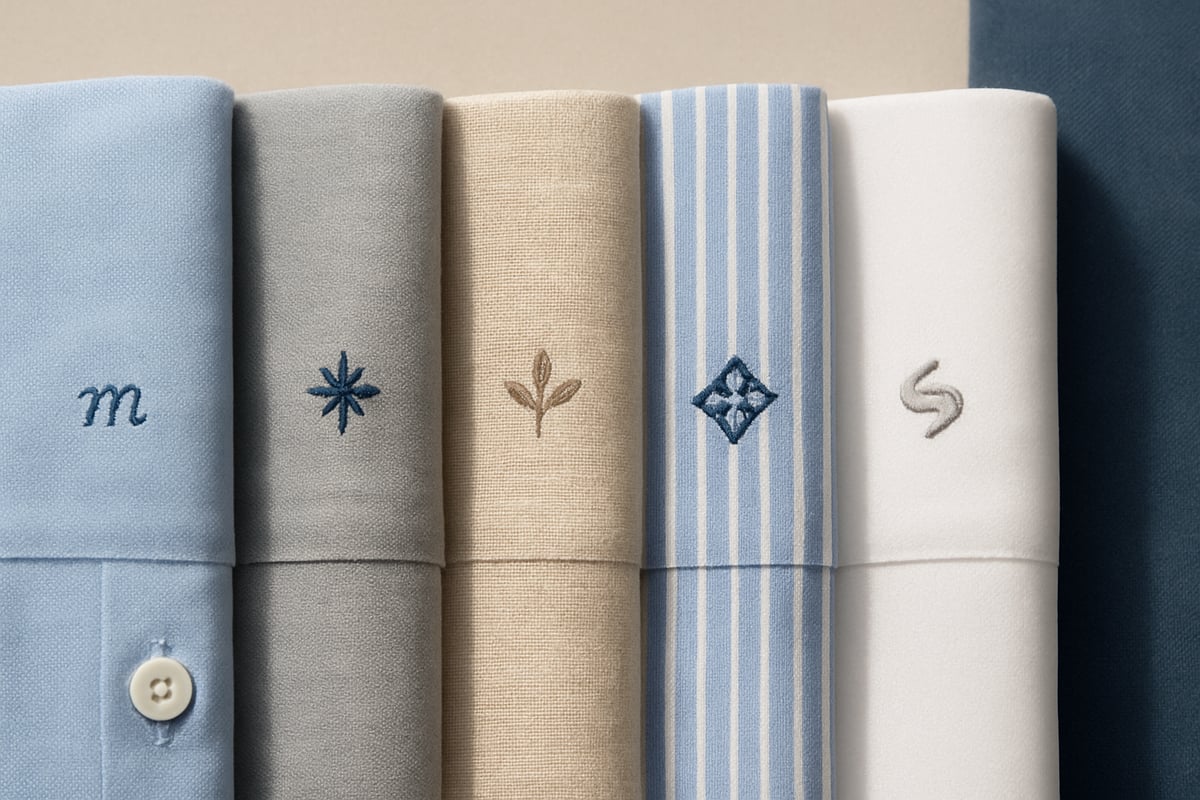
Choosing the right fabric is the foundation of successful shirts and embroidery. Cotton leads the market for custom shirts, valued for its softness, breathability, and ease of embroidery. Polyester offers strength and colour retention, making it ideal for sportswear, while blends balance comfort and durability. Linen brings a natural, textured finish but may require special stabilisers for embroidery. Performance fabrics, engineered for moisture-wicking and stretch, are popular for activewear but can challenge certain embroidery techniques.
| Fabric | Pros for Embroidery | Cons for Embroidery | Comfort Level |
|---|---|---|---|
| Cotton | Smooth, stable, easy to stitch | May shrink if not pre-washed | High |
| Polyester | Durable, vibrant colours | Can pucker, needs correct tension | Medium |
| Blends | Versatile, less wrinkling | Variable results by ratio | High |
| Linen | Unique texture, breathable | Delicate weave, needs care | High |
| Performance | Modern, technical properties | Stretch complicates stitching | High |
Fabric weave and density directly influence embroidery quality. Dense weaves hold stitches firmly, while looser weaves may distort designs. Breathability and wearability are key for comfort, especially for shirts and embroidery intended for daily wear.
For an in-depth look at how fabric choice affects garment decoration, the Science of Fabric for Custom Apparel provides valuable insights into optimising your shirt selections for embroidery.
Selecting a shirt style is about more than aesthetics, it affects how shirts and embroidery interact. Classic fits like crew neck, V-neck, polo, and button-down shirts remain staples for personal and corporate projects. Polo shirts, for example, are a favourite for corporate embroidery, offering a professional look and ideal positioning for logos.
Trends for 2026 highlight oversized and cropped shirts, as well as eco-friendly materials that appeal to modern tastes. These styles open new possibilities for bold embroidery placements, from oversized back designs to subtle sleeve details.
Gender-neutral and inclusive designs are also gaining traction, ensuring shirts and embroidery are accessible to all. When planning, consider how the shirt’s cut and proportions will showcase your embroidery, enhancing its visibility and impact.
Matching the shirt to the occasion is essential for achieving the desired effect with shirts and embroidery. Business events call for crisp button-downs or polos, while casual settings allow for creative freedom with t-shirts and trendy cuts. Uniforms and team apparel benefit from durable, easy-care fabrics that withstand frequent washing.
Think about your target audience and the intended use. Colour choice, cut, and sizing all play a pivotal role in how shirts and embroidery are perceived. For instance, school and team shirts succeed when they balance comfort, vibrant colours, and clear, durable embroidery.
A recent case study of a local school’s sports team illustrates this perfectly. By choosing a breathable cotton blend and placing bold, high-contrast embroidery on the left chest, they achieved a professional, unified look that stood up to daily wear. This demonstrates how strategic decisions in shirt selection can elevate both the style and functionality of shirts and embroidery.
Unlocking the full potential of shirts and embroidery starts with mastering the design process. Whether you are customising for business, fashion, or personal expression, solid planning ensures your creative vision is translated perfectly onto fabric. This section explores essential design principles, practical planning steps, and the latest trends shaping embroidery in 2026.
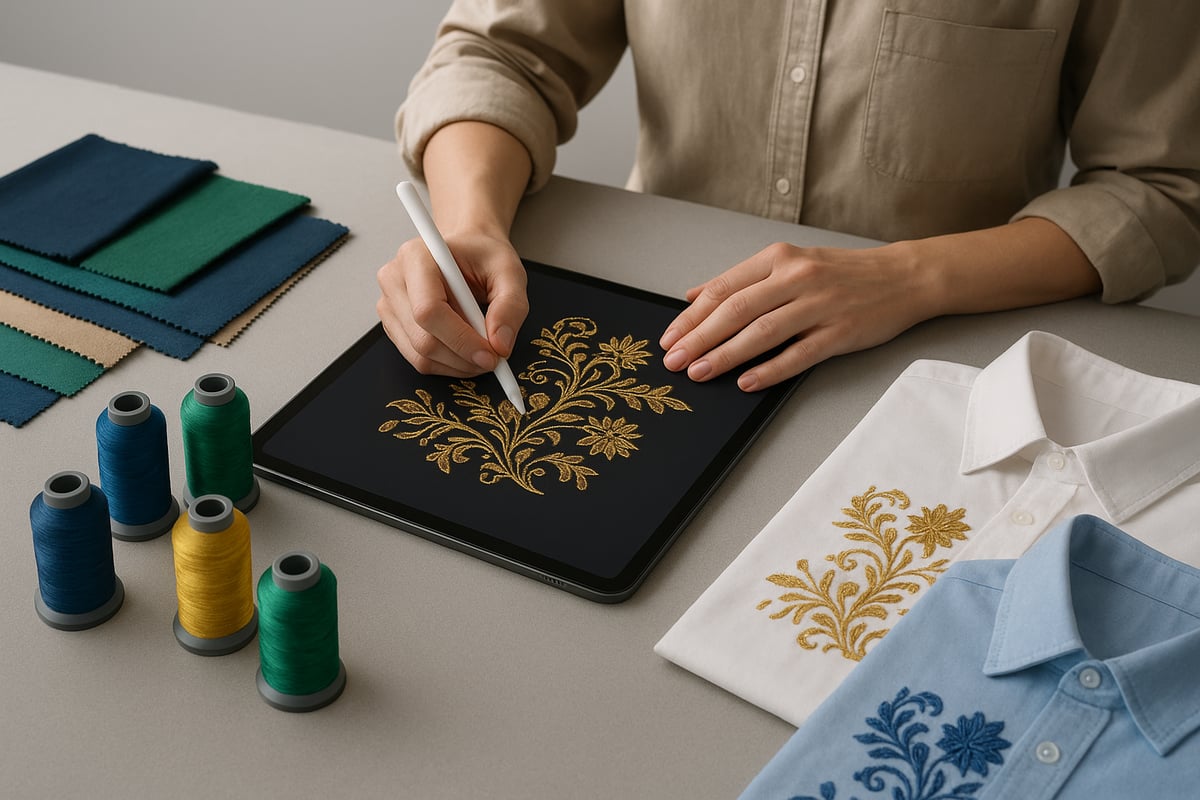
The foundation of successful shirts and embroidery projects lies in understanding key design elements. Logos, text, monograms, and original artwork are all popular choices. Keeping designs simple enhances clarity and improves stitchability, especially on smaller shirt areas.
Balance is vital. Consider the size of your design, the amount of detail, and its intended placement on the shirt. Too much complexity may lead to muddled results or thread breaks. Colour theory also plays a significant role. Select thread colours that contrast well with your shirt fabric or harmonise with your brand palette.
For instance, a high-contrast logo stitched on a white cotton shirt will stand out and remain legible from a distance. Always test combinations before finalising to ensure your shirts and embroidery achieve the desired impact.
Getting artwork ready for shirts and embroidery requires attention to technical details. The process begins with choosing the right file format. Vector files such as .ai or .eps are preferred, but high-resolution .png files can also work.
Next, digitisation is crucial. This step converts your artwork into a stitch file that embroidery machines can read. Avoid gradients, extremely small text, and fine details, as these do not translate well to thread. Instead, opt for bold lines and clear shapes.
Collaborate with a professional designer or use in-house expertise to refine your artwork. Effective communication ensures your vision comes to life on shirts and embroidery. Always request a digital proof to check how the design will look when stitched.
Choosing the right placement for shirts and embroidery makes a significant difference. Popular positions include the left chest, sleeves, back, and collar. Each spot offers unique visibility and suits different purposes.
| Placement | Common Use | Recommended Size (cm) |
|---|---|---|
| Left Chest | Business uniforms | 8 x 8 |
| Sleeve | Team logos, badges | 6 x 6 |
| Back | Statement artwork | 25 x 30 |
| Collar | Subtle branding | 2 x 8 |
Professional guidelines suggest placing logos on the left chest for a classic corporate look, while creative placements like the sleeve or back work well for events or fashion statements. Always match placement and size to the shirt style and intended audience to maximise the effect of shirts and embroidery.
The world of shirts and embroidery is evolving rapidly. Minimalist and geometric patterns are gaining popularity, offering a modern, clean aesthetic. Personalisation remains a top trend, with names, initials, and custom artwork in high demand.
Sustainability is also a driving force. Eco-conscious designs, recycled threads, and earth-inspired motifs are prominent in 2026. According to a recent study, 68% of consumers now prefer personalised apparel, highlighting the importance of unique, meaningful designs.
For more on what is shaping the future of embroidery, including pattern innovations and sustainable practices, visit Embroidery Trends 2026.
By embracing these principles and trends, your shirts and embroidery projects will stand out, ensuring professional quality and lasting appeal.
Mastering the embroidery process is essential for anyone looking to achieve exceptional results with shirts and embroidery. Whether you are customising for business, events, or personal style, following each step carefully will ensure a polished, durable finish. Let us break down the full workflow, from selecting materials to the final inspection.
Selecting the right materials is the foundation of outstanding shirts and embroidery. Begin by choosing threads that match your project’s needs. Polyester threads are robust and colourfast, making them ideal for activewear or frequently washed garments. Rayon threads offer a lustrous sheen, perfect for decorative or formal shirts.
Next, consider backing and stabilisers. Tear-away stabilisers suit lighter fabrics, while cut-away options provide lasting support for dense embroidery on knits. For added structure, water-soluble toppings help maintain crisp stitches on textured fabrics.
Needle selection is equally important. Use sharp needles for woven shirts and ballpoint needles for knits to avoid fabric damage. Always match needle size to thread thickness and fabric weight.
A well-prepared toolkit ensures every shirts and embroidery project starts strong and professional.
Proper preparation is vital for smooth embroidery results on shirts and embroidery. Start by pre-washing and ironing the shirt to remove sizing agents and prevent future shrinkage. This step ensures that embroidery remains stable after washing.
Mark the intended placement of your design using tailor’s chalk or a washable marker. Consistency is key, especially for bulk orders or uniforms. Use a clear ruler or template to maintain alignment.
Hooping is a critical technique. Place the shirt and stabiliser in the embroidery hoop, ensuring the fabric is taut but not stretched. Uneven hooping can cause puckering or distortion in the final embroidery.
Taking time with these steps will greatly improve the outcome and longevity of your shirts and embroidery projects.
A reliable machine setup is the backbone of precise shirts and embroidery work. First, choose the appropriate machine: single-needle machines are great for beginners or small runs, while multi-needle machines boost efficiency for larger projects.
Load your design file, ensuring it is digitised in the correct format for your machine. Select thread colours according to your design plan, threading each needle with care.
Calibrate the machine by adjusting thread tension and speed settings. Run a test stitch on scrap fabric to confirm alignment and stitch quality. Regular maintenance, such as cleaning lint and oiling moving parts, helps prevent technical issues.
A well-calibrated machine minimises errors and produces consistent, high-quality shirts and embroidery every time.
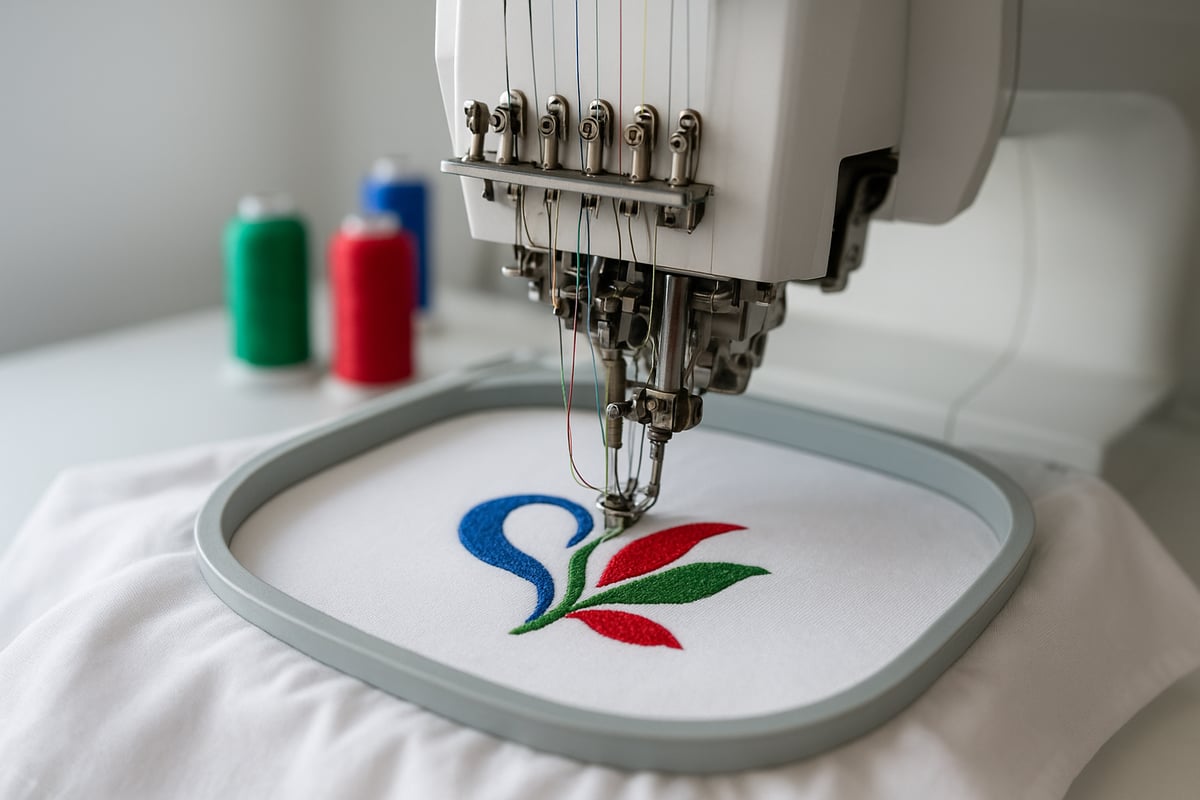
With everything in place, begin embroidering your design onto the shirt. Monitor the process closely, watching for thread breaks, skipped stitches, or misalignment. If issues arise, pause the machine to resolve them promptly.
Keep extra bobbins and threads nearby for quick changes. Use the machine’s controls to adjust speed or tension as needed during complex sections. For intricate or multi-colour designs, follow the sequence set out in your digitised file.
If you are comparing techniques or looking for the best approach for your shirts and embroidery, you may find this comparison between DTG vs Embroidery for T-Shirts helpful.
A systematic approach ensures professional, flawless shirts and embroidery results, even on challenging designs.
Finishing is the last but equally crucial stage for shirts and embroidery. Carefully remove the backing or stabiliser, trimming away any excess material. Use small scissors to cut loose threads, being cautious not to damage the stitches.
Press the shirt from the reverse side using a pressing cloth to avoid flattening the embroidery. Inspect each piece for consistency, alignment, and thread quality.
Provide care instructions to prolong the life of your shirts and embroidery. Recommend gentle washing, avoiding bleach, and ironing inside out. Proper finishing ensures your shirts and embroidery remain vibrant and durable, ready to impress at any occasion.
The world of shirts and embroidery is evolving rapidly, thanks to cutting-edge technology and innovative tools. Staying updated with these advancements can transform your creative process, boost efficiency, and unlock new possibilities for custom garments. Let us explore how the latest machines, software, sustainable materials, and online platforms are shaping the future of shirts and embroidery.
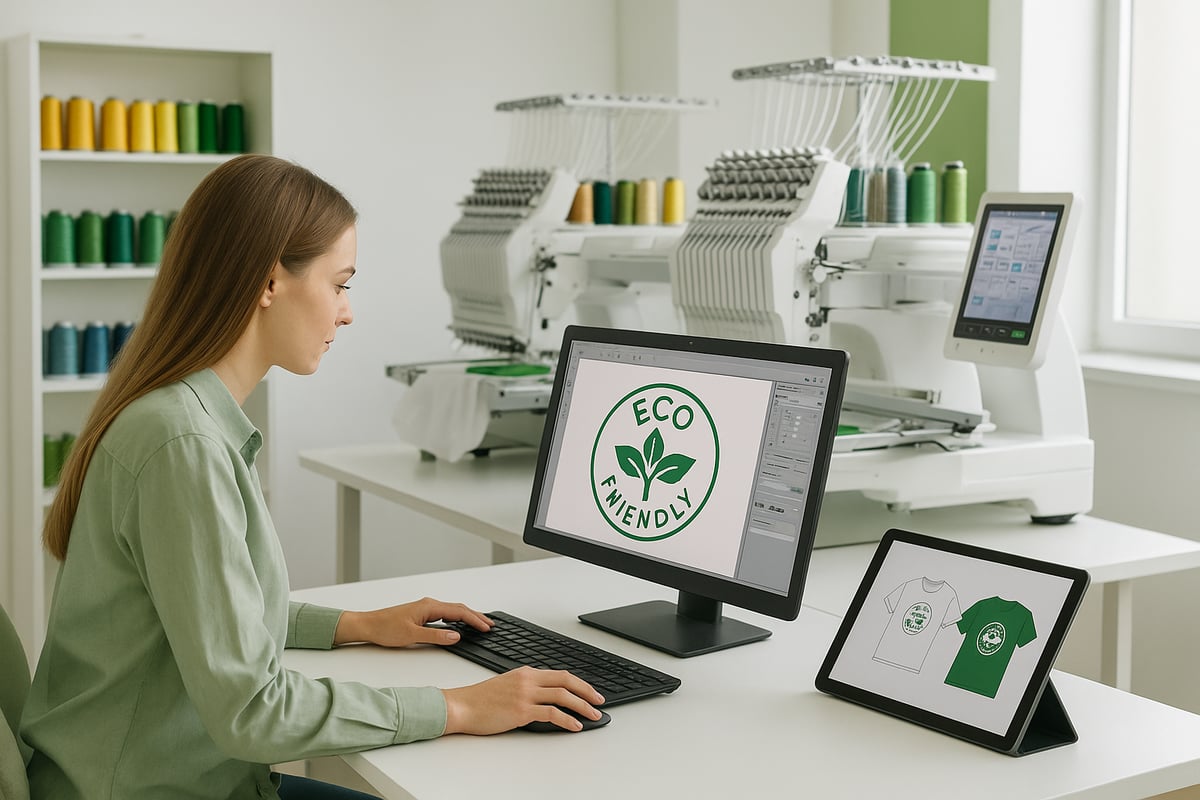
Embroidery machines have seen remarkable progress, making shirts and embroidery more accessible and precise than ever. The latest smart machines come equipped with intuitive touchscreen controls that allow users to adjust settings quickly and preview designs before stitching.
Automation is now a standard feature, with built-in error detection that minimises mistakes and downtime. Wireless design transfer and cloud integration enable seamless updates and collaboration, whether you are working solo or with a team. These innovations mean even complex designs can be executed with professional accuracy.
To delve deeper into how automation and AI integration are revolutionising the industry, read this Advancements in Embroidery Machines article for expert insight.
The software landscape for shirts and embroidery has transformed significantly by 2026. Leading embroidery software now features AI-powered design suggestions, auto-correction for common errors, and intuitive user interfaces suitable for both beginners and professionals. These platforms can automatically convert images into stitch-ready files, reducing the time spent on manual digitisation.
A standout feature is the ability to simulate finished embroidery on virtual shirts, allowing designers to visualise results before production. This not only saves materials but also ensures clients are satisfied with the final look. Integration with cloud storage further streamlines workflow, making it easy to access and share projects from anywhere.
Sustainability is at the forefront of the shirts and embroidery industry. Eco-friendly threads, such as those made from organic cotton or recycled polyester, are now widely available. Biodegradable backings and water-based stabilisers offer a greener alternative to traditional materials, reducing environmental impact without sacrificing quality.
Energy-efficient embroidery machines are becoming standard, helping studios cut power usage and lower their carbon footprint. Industry data from EcoTextile News 2025 shows a 40 percent increase in demand for sustainable embroidery options, proving that conscious choices are influencing every stage of shirt production.
Digital platforms are empowering both businesses and individuals to create custom shirts and embroidery projects with ease. Online design tools provide real-time previews, letting users experiment with colours, placements, and fonts before committing to production. Integration with e-commerce solutions streamlines ordering and on-demand manufacturing, making customisation accessible at any scale.
Marketplaces now offer instant quotes and direct shipping, shortening the time from concept to finished product. Whether you are designing for a business, school, or personal project, these platforms ensure shirts and embroidery are more convenient, creative, and professional than ever.
Unlocking the secrets to professional shirts and embroidery starts with mastering the fine details. Even the most creative designs can fall short without the right techniques and care. These expert tips will help you achieve long-lasting, standout results with every project.
Precision is vital for clean, durable shirts and embroidery. Always check your machine’s tension settings before starting, as incorrect tension can cause thread breaks or uneven stitches. Stabilisation is equally important, especially with lighter fabrics. Use the right backing for your material to prevent puckering and distortion.
Choose needles suited to both your fabric and thread. For example, ballpoint needles work best with knits, while sharp needles are ideal for woven shirts and embroidery projects. Regularly change needles to avoid snags and maintain stitch quality.
Prevent common embroidery issues with a thorough quality control routine:
A professional result is always the outcome of careful preparation and consistent attention to detail.
To make your shirts and embroidery truly unique, experiment with creative techniques. Combining embroidery with screen printing or appliqué can add depth and interest. Explore specialty threads, such as metallic or variegated, for added texture and visual appeal.
One of the most popular methods for adding dimension is 3D puff embroidery. This technique uses foam under the stitches to create raised designs, perfect for sportswear or branding. For a detailed guide, see 3D Puff Embroidery Techniques.
Mixing thread types and colours can also result in striking effects. Try layering stitches or using contrasting shades to highlight specific design elements. By pushing the boundaries of shirts and embroidery, you can create garments that stand out in any setting.
Proper care is essential for extending the life of shirts and embroidery. Always wash embroidered shirts inside out on a gentle cycle with mild detergent. Avoid bleach, as it can weaken threads and fade colours.
For best results, air dry shirts or use a low heat setting in the dryer. Iron on the reverse side, placing a cloth between the iron and embroidery to prevent damage.
Key care tips:
According to industry data, shirts and embroidery that receive proper maintenance last up to 30 percent longer. Consistent care protects your creative investment and keeps your garments looking exceptional.
Unlocking your creativity with shirts and embroidery in 2026 means embracing new trends, personal stories, and ways to showcase your work. This section delivers a fresh dose of inspiration, helping you transform any shirt into a unique canvas. Explore the latest motifs, personalisation techniques, and strategies to share your creations with the world.
In 2026, shirts and embroidery are shaped by themes that reflect both nature and modern culture. Nature-inspired motifs such as florals, landscapes, and wildlife are gaining popularity for their calming and organic appeal. Pop culture continues to influence designs, with icons, quotes, and fan art bringing a playful twist to shirts and embroidery. Abstract and geometric patterns offer a sophisticated edge, perfect for those seeking a minimalist or bold statement.
Designers are drawing inspiration from global trends, with many referencing How Personalised T-Shirts Shape Fashion to stay ahead of the curve. Whether you prefer vibrant botanicals or clean lines, there is a motif to suit every creative vision.
Personalisation lies at the heart of shirts and embroidery in 2026. Adding family crests, initials, or important dates gives each garment a unique story. Commemorative shirts for events, milestones, or achievements are especially meaningful, turning clothing into lasting memories.
Collaborative designs are also on the rise. Group projects, such as team shirts or community initiatives, foster a sense of belonging and shared identity. When you personalise shirts and embroidery, you create wearable art that resonates on a personal level.
Once your shirts and embroidery pieces are complete, sharing them is the next creative step. Social media platforms like Instagram and TikTok are ideal for showcasing embroidered shirts, with crisp photos and engaging videos driving visibility. Viral campaigns often start with creative storytelling and clever hashtags.
Participating in embroidery competitions and exhibitions can further build your profile. Many creators find success by entering themed challenges or collaborating on group exhibitions. A standout campaign can turn shirts and embroidery into a worldwide trend, inspiring others to join the movement.
To keep your shirts and embroidery ideas fresh, tap into a variety of resources. Online galleries and embroidery forums are excellent for discovering new techniques and trends. Attending trade shows and workshops provides hands-on experience and direct access to industry experts.
Following embroidery artists and influencers on social media ensures a steady stream of innovative ideas. Trend reports and creative communities can also help you stay ahead, making sure your shirts and embroidery remain both current and inspiring.
OK T-Shirt
126 Beeches Rd
Birmingham
B42 2HQ
