Cheap Printed T-Shirts UK: Quality & Value Guide 2026
Discover how to source cheap printed t-shirts UK without compromising…
Looking to understand why silkscreen shirts continue to lead the custom apparel market in 2026? Their lasting appeal, adaptability, and vibrant results make them a favourite for brands and creators alike.
In this guide, you will gain expert insights into silkscreen shirts, including the fundamentals of the process and the latest industry trends. Whether you are new to printing or refining your skills, these best practices will help you achieve professional outcomes.
Get ready to explore step-by-step printing techniques, material selection advice, creative design tips, eco-friendly methods, and predictions for the future of silkscreen apparel. Let’s begin your journey to mastering this enduring craft.
Silkscreen shirts have become a defining element of custom apparel, offering both creative freedom and professional results. The process itself, known as silkscreen printing, originated centuries ago in Asia and was later refined for textiles in the twentieth century. Today, silkscreen shirts capture the perfect blend of tradition and technology, making them a mainstay for brands, artists, and businesses of all sizes.
At its core, silkscreen printing involves pushing ink through a mesh screen onto fabric, with a stencil blocking out areas where ink is not wanted. Key terminology in the world of silkscreen shirts includes:
Understanding these terms is crucial for anyone seeking high-quality silkscreen shirts.
When comparing silkscreen shirts to other printing methods, differences become clear. Digital printing and Direct-to-Garment (DTG) offer quick setup and are ideal for intricate, full-colour images on small runs. Heat transfer printing is suitable for on-demand production and customisation. Silkscreen shirts, however, excel in durability and colour vibrancy, especially for bulk orders. The table below summarises key distinctions:
| Method | Durability | Colour Vibrancy | Setup Time | Best For |
|---|---|---|---|---|
| Silkscreen Shirts | High | Excellent | Moderate | Bulk, uniformity |
| Digital/DTG | Medium | Good | Low | Small runs |
| Heat Transfer | Medium | Good | Low | Customisation |
Silkscreen shirts offer several standout advantages. They deliver long-lasting prints that withstand frequent washing, produce vivid colours, and adapt to a wide range of fabrics and designs. Yet, a few limitations exist: setup time can be lengthy, each colour requires a separate screen, and costs may rise for short runs or complex designs.
The versatility of silkscreen shirts is evident in their widespread use. Bands rely on them for merchandise, sports teams for kits, and companies for branded uniforms. Recent data highlights the continued growth of this sector. According to the State of the Printing Industry Report 2024, the market for silkscreen-printed apparel is projected to expand significantly from 2024 to 2026, reflecting strong demand across the UK and beyond.
Emerging trends are shaping the future of silkscreen shirts. Hybrid printing techniques, which combine silkscreen with digital elements, are streamlining production and unlocking new creative possibilities. Automation in screen setup, registration, and ink mixing is making high-volume orders more efficient and accessible. As these innovations continue, silkscreen shirts remain a top choice for anyone seeking vibrant, durable, and professional custom apparel.
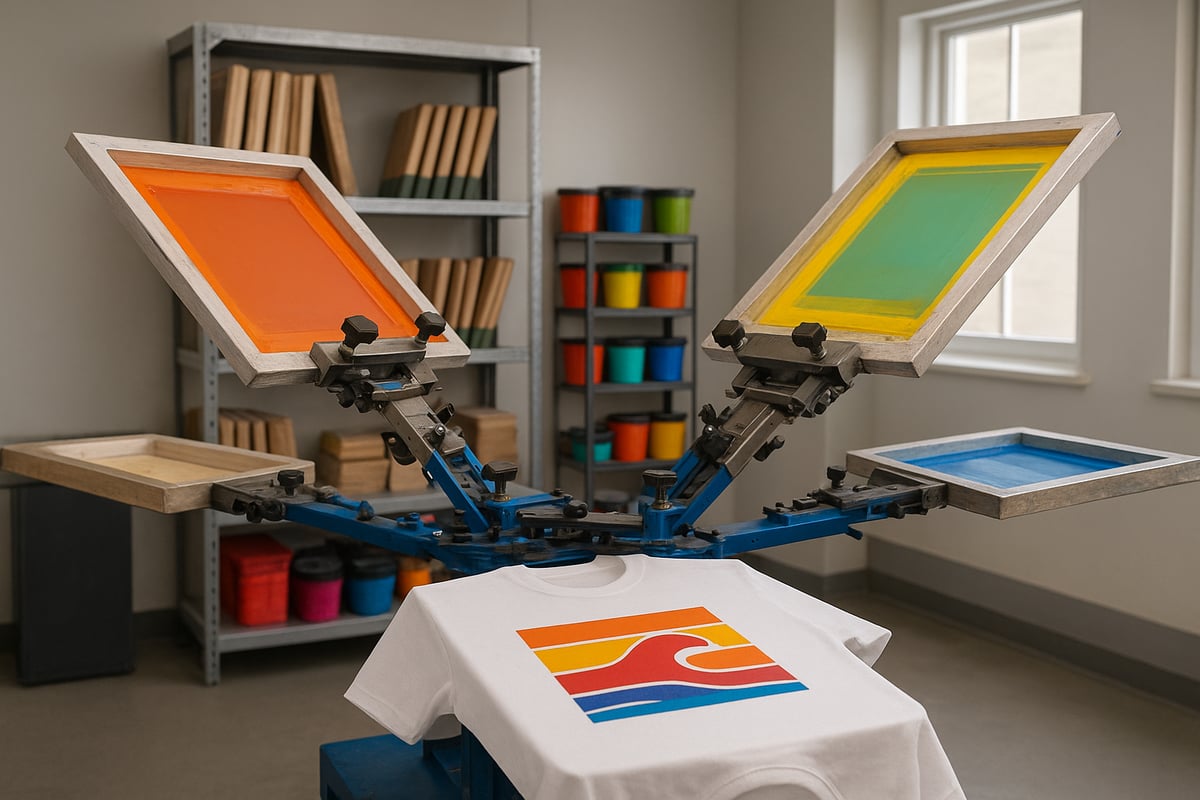
Creating standout silkscreen shirts requires a meticulous, multi-stage process that blends artistry with technical skill. Each step is vital for delivering crisp, durable prints and professional results. Below, we guide you through every phase, from preparing your artwork to maintaining your equipment, ensuring you achieve the best possible outcome at every stage.
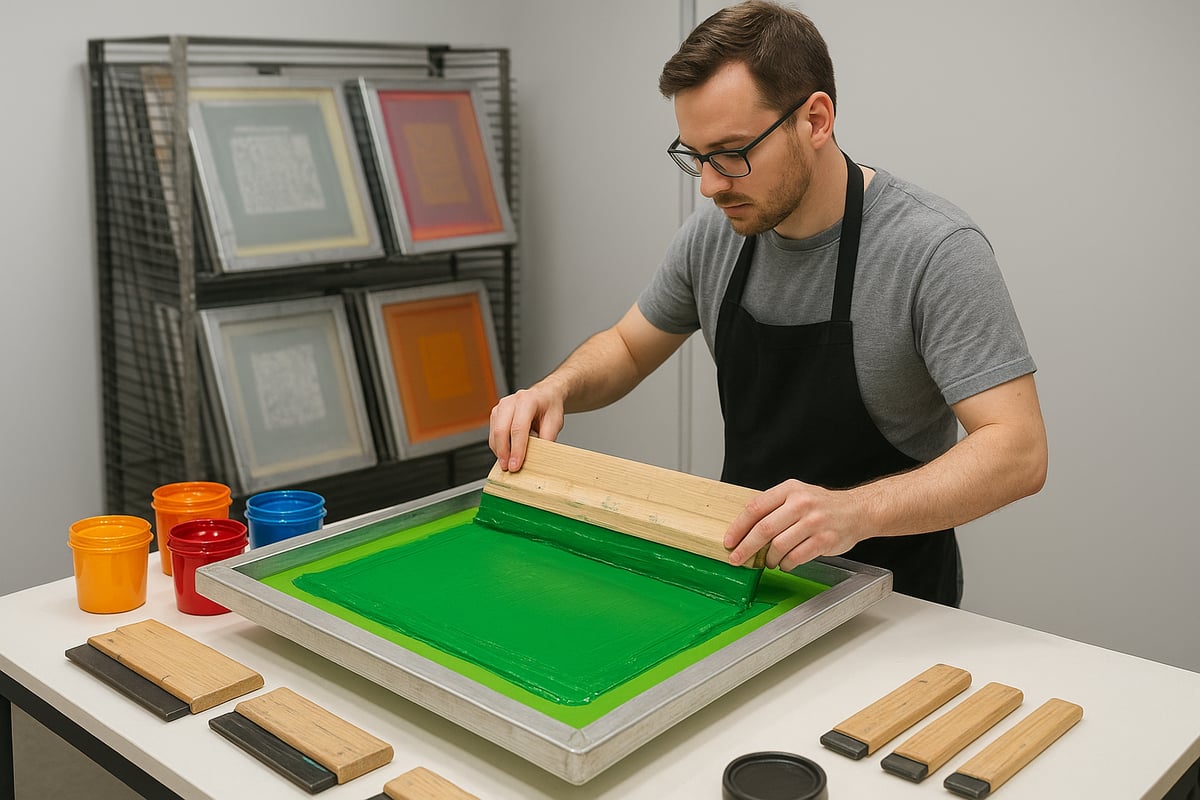
Every successful silkscreen shirts project starts with quality artwork. High-resolution images are crucial, as they prevent pixelation and maintain sharp lines. Vector graphics are ideal, offering infinite scalability and crisp detail, while raster graphics may limit clarity if not sized correctly.
For multi-colour silkscreen shirts, each colour in your design must be separated into its own layer. This process, known as colour separation, ensures accurate registration and vibrant results. When selecting mesh count, consider both your fabric and design. Finer details and thinner inks require higher mesh counts, while bold, single-colour prints suit lower counts.
Once your design is ready, coat your screens with a light-sensitive emulsion. Apply an even layer to both sides, then dry screens in a dust-free, dark area to avoid contamination. For example, preparing a three-colour sports team logo involves separating each hue, choosing the right mesh for each, and ensuring the screens are thoroughly dry before exposure. Investing effort at this stage lays a strong foundation for professional silkscreen shirts.
The next step for silkscreen shirts is exposing the emulsion-coated screen to UV light. Place your film positive on the screen, ensuring close contact, then use a UV exposure unit. Exposure time and distance depend on your emulsion type and mesh count, so always consult manufacturer guidelines. For instance, diazo emulsions often require longer exposure, while photopolymer emulsions are quicker.
After exposure, wash out the unexposed emulsion with a gentle spray of water. This reveals the stencil for your design. Common problems include underexposure, which leaves sticky emulsion, or overexposure, making the design hard to wash out. On average, popular emulsions require 2–4 minutes of exposure, but always perform a step test for accuracy. Mastering this step ensures your silkscreen shirts feature crisp, clean lines.
With the screens prepared, align them precisely on your printing press. Accurate registration is essential, especially for multi-colour silkscreen shirts, where each layer must line up perfectly. Use micro-registration adjustments for fine tuning.
Select your ink based on the garment and desired finish. Plastisol offers opacity and durability, while water-based inks provide a softer feel. Mix inks thoroughly to achieve consistent colour. Adjust your squeegee’s angle, pressure, and speed to match your mesh and design detail.
Always perform test prints on scrap fabric. This step allows you to identify registration issues or ink inconsistencies before the final run. For example, achieving perfect registration on a multi-layer design can require several test prints and minor adjustments. For those seeking professional guidance or services, Custom T-shirt Printing Services offer expert support for silkscreen shirts at any scale.
Begin printing by applying ink evenly across the screen. Multiple passes may be needed for full opacity, particularly on dark garments. For multi-colour silkscreen shirts, use flash curing between each layer to prevent inks from blending or bleeding.
Final curing is critical for durability. Conveyor dryers provide consistent heat and speed, while heat presses are suitable for smaller batches. Most industry-standard inks cure at temperatures between 160°C and 180°C, with curing times ranging from 45 to 90 seconds.
Inspect each print for proper ink adhesion and even coverage. Wash durability is a key quality marker, so conduct sample washes to ensure longevity. Following these steps helps your silkscreen shirts maintain their vibrancy and structure over time.
Proper clean-up extends the lifespan of your silkscreen shirts equipment and supports sustainable practices. Begin by removing excess ink from screens and tools. Use eco-friendly cleaning solutions to avoid harmful residues, and dispose of waste ink according to local regulations.
Reclaim screens by removing emulsion, allowing you to reuse frames for future designs. Regularly maintain your press and exposure units by cleaning, lubricating moving parts, and checking for wear. Efficient clean-up routines, such as batch cleaning at the end of each print run, reduce downtime and keep your workspace organised.
For example, a studio that implements daily maintenance and prompt clean-up sees fewer equipment failures and consistently high-quality silkscreen shirts. Good habits at this stage save time and money in the long run.
Selecting the right materials is crucial for achieving high quality silkscreen shirts. The choice of fabric, ink, and blank supplier can dramatically affect print vibrancy, durability, and wearer comfort.
Fabrics and Their Impact
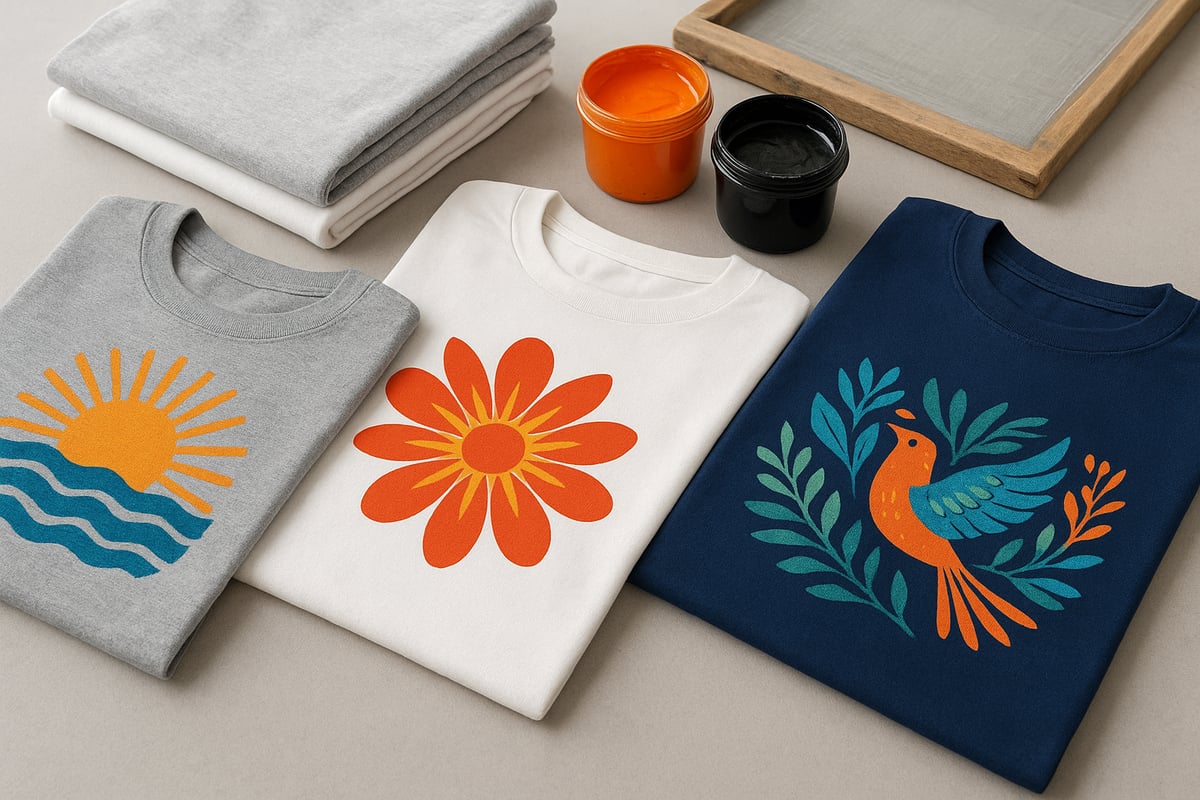
Cotton remains the primary choice for silkscreen shirts, prized for its softness and ink absorption. 100% cotton yields bold colours and a smooth hand feel. Polyester, meanwhile, is favoured for sportswear due to its moisture-wicking properties, but can sometimes resist ink, requiring specialised formulations.
Blends like poly-cotton combine strengths, offering durability and comfort. Each fabric interacts differently with inks, influencing the final result. For intricate designs or vibrant prints, understanding material behaviour is essential.
Shirt Weights, Weaves, and Finishes
Shirt weight, typically measured in GSM (grams per square metre), affects both print quality and garment longevity. Heavier shirts (180–200 GSM) are ideal for premium silkscreen shirts, supporting detailed prints and repeated washing. Lighter options suit mass events or promotional runs.
Weave and finish also matter. Ringspun cotton feels softer and prints smoothly, while combed cotton reduces imperfections. Specialty finishes—like enzyme washes—can enhance both comfort and print clarity.
Ink Types: Pros and Cons
Ink selection is pivotal when producing silkscreen shirts. Plastisol ink is industry-standard, offering opacity and versatility across most fabrics. However, it can sit heavy on lightweight material.
Water-based inks penetrate fibres for a softer touch and eco-friendly profile, although they require precise curing. Discharge inks are effective for dark cotton, removing dye and replacing it with pigment, but are less suited to blends. Speciality inks, such as puff or metallic, add tactile or visual effects but demand careful testing.
Sourcing Quality Blanks
The right blank shirt acts as the canvas for silkscreen shirts. Assess suppliers for consistent sizing, stitching, and fabric quality. It pays to request samples and test print on different blanks before committing.
To simplify selection, explore the T-shirt Product Tag Collection for a curated range of popular blanks suitable for silkscreen printing projects.
Mesh Count and Screen Tension
Mesh count, referring to threads per inch, directly influences print sharpness. High mesh counts (200+) capture fine details, perfect for lightweight inks and detailed graphics. Lower mesh counts (110–160) deposit more ink, ideal for bold, opaque prints.
Screen tension should be uniform to avoid blurry or uneven prints. Regular checks and adjustments ensure consistent silkscreen shirts quality, especially for large production runs.
Material Comparison Table
| Material | Print Vibrancy | Feel | Durability | Best Use Cases |
|---|---|---|---|---|
| 100% Cotton | Excellent | Soft | High | Fashion, Merch, Art |
| Polyester | Good (with ink) | Smooth | Very High | Sports, Uniforms |
| Poly-Cotton | Very Good | Soft/Durable | High | Retail, Events |
2026 Material Trends
Recent data show 100% cotton and poly-cotton blends remain the top choices for silkscreen shirts in 2026. Sustainability is also driving demand for organic cotton and recycled fabrics, as brands and consumers prioritise eco-friendly options.
Choosing the right combination of fabric, ink, and blank supplier is the foundation of successful silkscreen shirts production. With careful material selection, you can achieve vibrant, durable prints that stand out in the competitive custom apparel market.
Designing silkscreen shirts in 2026 requires a blend of creativity, technical knowledge, and awareness of current trends. Whether you're an independent designer or part of a larger team, mastering both the art and science of silkscreen shirts will set your creations apart. This section provides practical advice and inspiration to help you achieve outstanding results.
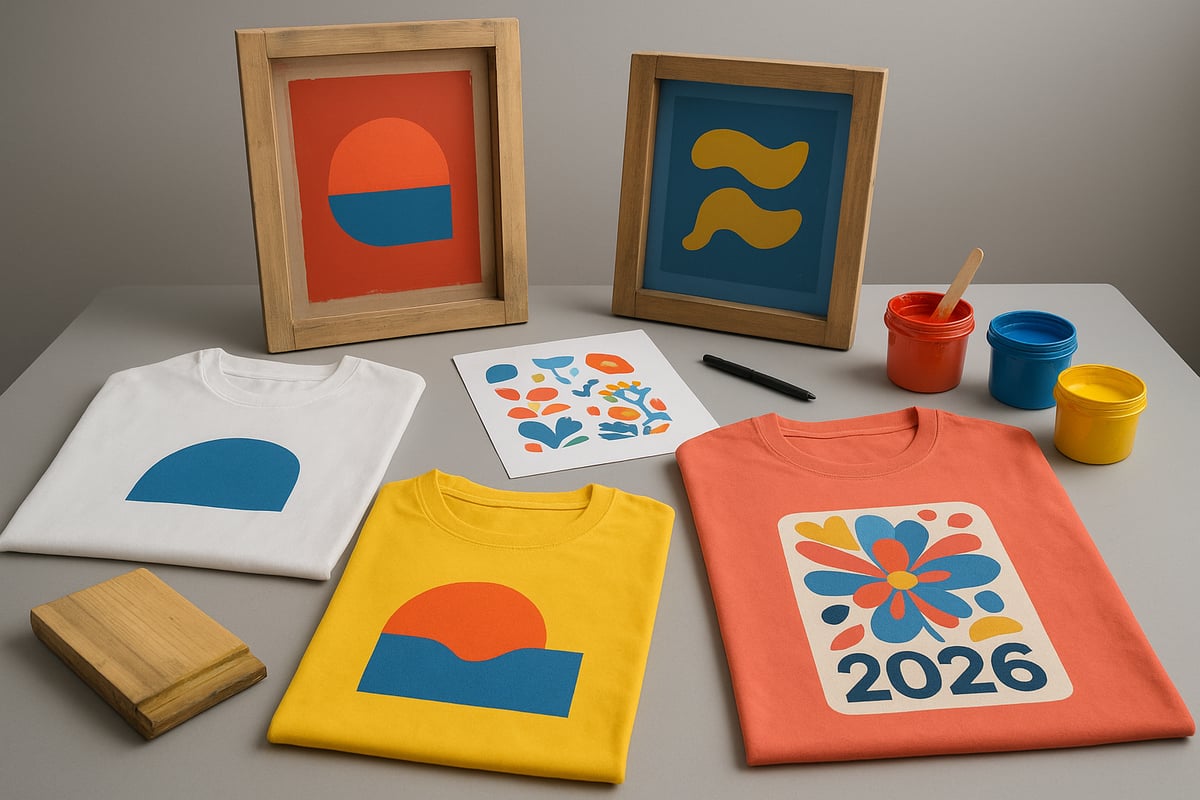
The foundation of standout silkscreen shirts lies in thoughtful graphic design. Simplicity often trumps complexity, as overly intricate details can be lost during printing or cause registration issues. Focus on bold lines and clear shapes that translate well onto fabric.
Colour theory plays a crucial role. Choose hues that contrast effectively with the shirt base, ensuring your design pops from a distance. For example, pairing a vibrant yellow with deep navy creates high visual impact. Always consider the garment type and intended audience when sizing and placing your artwork—what works for a unisex T-shirt may not suit a cropped style or sports kit.
Full-coverage prints can be dramatic, but minimalist designs remain popular for fashion-forward silkscreen shirts. For inspiration and to see how different styles come to life, explore Printing Examples and Portfolio, which showcases a variety of real-world silkscreen shirt results.
In 2026, silkscreen shirts are reflecting several key trends. Retro graphics featuring bold, nostalgic elements are making a strong comeback, particularly for music merchandise and streetwear brands. Bold typography, often oversized and paired with minimalist layouts, is also in demand.
Eco-inspired themes are gaining traction, with natural motifs and earthy colour palettes dominating collections. Greens, rust tones, and muted blues are among the most sought-after shades. Customisation is another major trend—consumers increasingly seek personalised silkscreen shirts, whether through unique name prints or limited-edition runs.
Recent data shows that nearly 65% of customers in the custom apparel market prioritise unique and eco-friendly designs when selecting silkscreen shirts. Staying aware of these preferences will help your designs resonate with modern audiences.
Even experienced creators can encounter challenges when designing silkscreen shirts. One common issue is overlapping colours, which can result in muddy prints or registration errors. To avoid this, separate each colour layer clearly and use registration marks to align screens precisely.
Fine lines and halftones are another potential pitfall. While silkscreen shirts can handle moderate detail, extremely thin lines or dense halftones may not reproduce accurately, especially on lower mesh counts. Always match your design complexity to the mesh count you plan to use.
File format mistakes also pose risks. Submit artwork in high-resolution, vector-based formats such as AI or EPS when possible. Raster images should be at least 300 DPI at print size. For example, if your design is too detailed for your chosen mesh, simplify elements or increase mesh count to achieve crisp results.
| Pitfall | Impact | Solution |
|---|---|---|
| Overlapping colours | Blurred or misaligned prints | Careful separation, registration |
| Fine lines/halftones | Loss of detail | Adjust design or mesh count |
| Low-res files | Pixelated images | Use high-res vector/raster |
To ensure silkscreen shirts stand the test of time, start by selecting the right inks and curing methods. Plastisol inks offer durability, while water-based options provide a softer hand-feel and are increasingly popular for eco-friendly brands. Always cure inks at recommended temperatures to ensure wash resistance.
Pre-shrinking garments before printing prevents post-production distortion and maintains print alignment. Adding finishing touches, such as printed neck tags or professional folding and packaging, elevates the perceived value of your silkscreen shirts.
Consider the example of a UK streetwear brand that invested in high-quality inks and rigorous curing processes. Their silkscreen shirts retained vibrant colours and sharp details after dozens of washes, leading to increased customer loyalty and repeat business. By following these expert tips, you can create silkscreen shirts that combine visual appeal with lasting performance.
Sustainability is now a driving force in the world of silkscreen shirts. As environmental awareness grows, both print shops and consumers are seeking greener alternatives. Traditional silkscreen processes can generate waste and use chemicals, but a shift towards eco-friendly methods is reshaping the industry. The demand for responsible production has never been higher, making sustainability central to the future of silkscreen shirts.
Innovations in water-based and eco-friendly inks are reducing the environmental footprint of silkscreen shirts. Water-based inks release fewer volatile organic compounds, making them safer for both workers and the planet. Many print shops are adopting these inks to deliver vibrant results with minimal impact. For a deeper look at these advancements, explore Sustainable Printing Practices in Textile and Apparel Decoration, which highlights how new ink technologies are changing the game for silkscreen shirts. Efficient curing methods and energy-saving equipment also contribute to greener production.
Waste reduction is at the core of sustainable silkscreen shirts production. Reclaiming screens for reuse significantly cuts down on disposable materials. Many studios now recycle leftover ink and use filtration systems to prevent chemicals from entering waterways. Sourcing organic and recycled garments further supports eco-friendly goals. When selecting blanks, look for certifications such as GOTS or OEKO-TEX. These ensure that shirts are produced with minimal environmental impact and ethical standards.
A simple checklist for sustainable silkscreen shirts production:
One UK print shop achieved a zero-waste target by combining ink recycling, efficient setups, and exclusive use of organic garments. Their journey demonstrates that sustainable silkscreen shirts are not only possible but profitable, attracting eco-conscious brands and consumers.
Recent data shows a sharp rise in demand for sustainable printed apparel between 2024 and 2026. Print shops offering eco-friendly silkscreen shirts report higher customer retention and positive brand perception. Regulatory changes in the UK, including stricter limits on chemical use and waste disposal, are setting new industry standards.
For those seeking local, eco-friendly solutions, Sustainable T-shirt Printing Birmingham showcases how regional print shops are adapting to sustainability trends with silkscreen shirts. As the industry evolves, embracing these practices ensures both environmental and business success.
The future of silkscreen shirts is being shaped by rapid technological innovation, automation, and evolving consumer expectations. As the custom apparel sector grows, digital integration is transforming the way silkscreen shirts are designed and produced. Hybrid workflows that combine traditional silkscreen with direct-to-garment (DTG) printing are gaining momentum. These approaches allow creators to harness the bold, tactile finish of silkscreen shirts while also taking advantage of the speed and detail of digital methods. For a deeper look at these emerging trends, the Digital Textile Printing Market Review 2024-2026 offers valuable industry insight.
Automation is revolutionising every stage of silkscreen shirts production. Automated screen setup, precise registration, and AI-driven ink mixing are now commonplace in advanced print shops. These technologies reduce manual errors, speed up turnaround, and enable small-batch or on-demand production without sacrificing quality. AI-powered design tools are also empowering creators to quickly prototype and preview custom silkscreen shirts, ensuring that even complex ideas can be brought to life with accuracy.
This shift is reflected in the market outlook for silkscreen shirts in the UK. By 2026, the custom apparel sector is projected to reach £3bn, with silkscreen shirts maintaining a strong presence thanks to their durability and versatility. Fashion brands are increasingly leveraging silkscreen shirts for limited edition runs and collaborations, using automation and hybrid methods to respond swiftly to trends and customer demands. The table below summarises key market drivers:
| Trend | Impact on Silkscreen Shirts |
|---|---|
| Hybrid printing workflows | Enhanced design flexibility |
| Automation | Faster, more consistent output |
| On-demand production | Reduced inventory, less waste |
| AI design tools | Personalisation at scale |
Looking ahead, experts predict that silkscreen shirts will remain vital in the apparel industry, but the way they are created will continue to evolve. With greater digital integration, brands can offer unprecedented levels of customisation and sustainability. The adoption of eco-friendly inks and recycled garments is also set to accelerate. For creators and businesses, staying ahead means embracing these technologies and adapting workflows to meet new standards. The future of silkscreen shirts is bright, driven by innovation and a relentless focus on quality and creativity.

OK T-Shirt
126 Beeches Rd
Birmingham
B42 2HQ
