Cheap Printed T-Shirts UK: Quality & Value Guide 2026
Discover how to source cheap printed t-shirts UK without compromising…
Few garments have left as lasting an impression on fashion and branding as the t logo shirt. Instantly recognisable and endlessly adaptable, it is now a staple for expressing personal style or driving business promotion across the UK.
In today’s fast-paced world, t logo shirts are evolving rapidly, with new trends and innovations shaping the market for 2026. Standing out has never been more important, whether you are building your wardrobe or elevating your brand.
This guide explores the latest style trends, design strategies, and branding insights. Discover expert tips to help you make the most of t logo shirts in 2026 and beyond.
The journey of the t logo shirt is a fascinating reflection of social, cultural, and technological shifts. Once a simple garment, it has transformed into a canvas for self-expression and brand identity. As we approach 2026, understanding this evolution is key to appreciating the enduring relevance and influence of the t logo shirt.
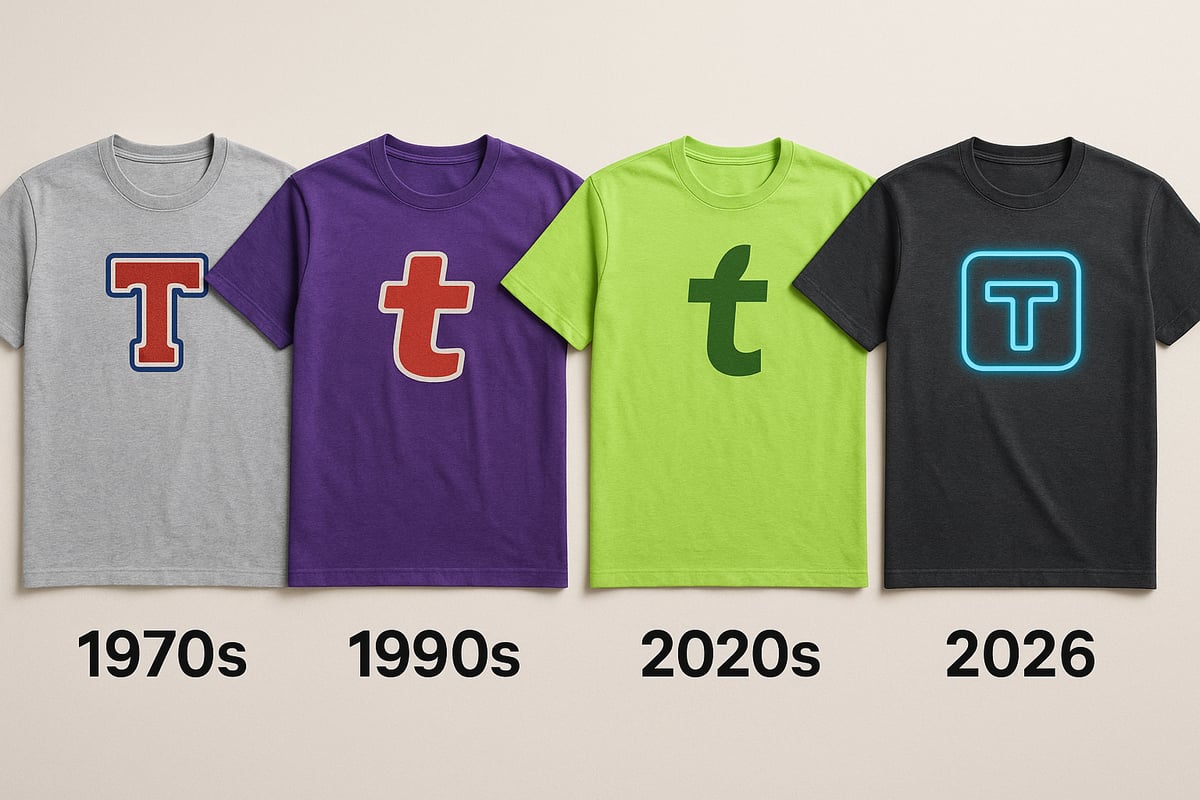
The early days of the t logo shirt can be traced back to sports teams using simple prints to identify players and foster unity. This concept quickly moved beyond the pitch, with brands and designers adopting logo shirts as vehicles for mainstream fashion. In the 1990s and 2000s, the rise of logo-centric streetwear gave the t logo shirt a new cultural significance, fuelled by music icons and celebrity endorsements.
Pop culture moments, such as musicians wearing branded tees on stage, propelled the t logo shirt into the limelight. By the 2010s, the industry began shifting towards sustainable and ethical production, responding to growing consumer awareness. Digital printing revolutionised personalisation, enabling small batches and custom designs at scale. Social media and influencer marketing further amplified the reach and desirability of the t logo shirt, turning it into both a personal statement and a branding powerhouse.
According to History of personalised T-shirts, the demand for custom apparel in the UK saw significant growth between 2023 and 2025. This data underscores how the t logo shirt has become an essential tool for both individuals and brands seeking to stand out.
As we look to 2026, new trends are shaping the direction of the t logo shirt. Minimalist designs with understated logos are gaining ground among those seeking subtlety, while bold placements across the chest or back remain popular for maximum impact. Retro and vintage logo revivals are resurfacing, tapping into nostalgia and timeless appeal.
Technology is playing a bigger role, with features like NFC tags and augmented reality experiences now integrated into select t logo shirt releases. Brands are increasingly prioritising eco-conscious materials, such as organic cotton and recycled fibres, in response to consumer demand for sustainability. Gender-neutral and inclusive sizing is also becoming standard, reflecting a broader push for accessibility and diversity.
Major labels are launching limited edition t logo shirts that blend innovative tech with sustainable practices, setting new benchmarks for the industry. The t logo shirt continues to adapt, ensuring its place at the forefront of style and branding well into the future.
The world of t logo shirt fashion is rapidly evolving, shaped by innovation, sustainability, and the ever-changing expectations of consumers. As 2026 approaches, brands and individuals alike are searching for ways to make their t logo shirt stand out, combining contemporary style with ethical choices and cutting-edge design. Let’s explore the trends that will define the year ahead.
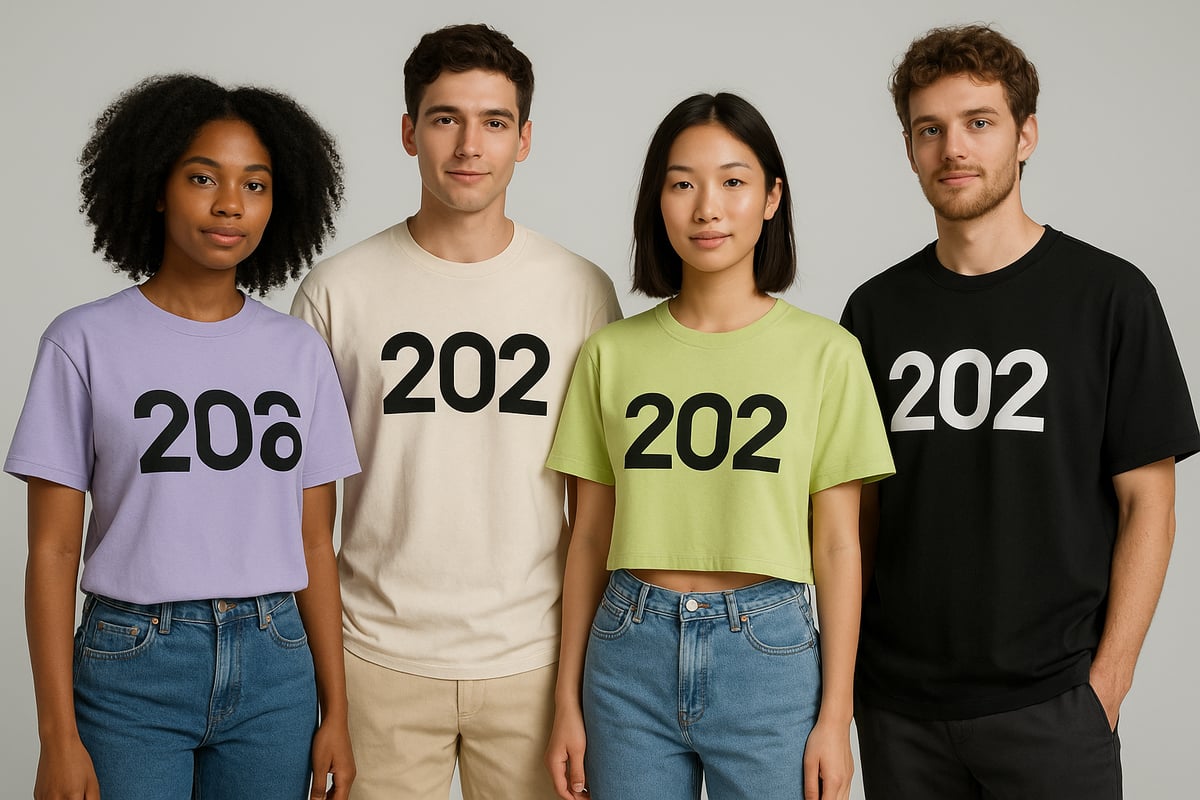
Sustainability is at the heart of 2026 t logo shirt trends. Consumers now demand materials that are both comfortable and eco-friendly. Brands are responding with shirts crafted from organic cotton, bamboo blends, and recycled polyester. These fabrics not only reduce environmental impact but also offer durability and a soft hand feel.
Inks and dyes are evolving, too. Biodegradable inks and low-impact dyes are becoming standard, ensuring every t logo shirt leaves a lighter footprint. Certifications such as GOTS and OEKO-TEX signal responsible production, helping shoppers make informed choices.
For a closer look at these eco-friendly practices and how they are transforming the industry, see Sustainable custom T-shirt printing. Leading brands are already launching collections using 100 percent recycled materials, setting new benchmarks for the industry.
Logo placement is a key focus for the modern t logo shirt. Oversized chest and back logos are making a bold statement, while subtle branding on sleeves or hems caters to minimalist tastes. This year, brands are experimenting with both extremes, offering versatility for every style preference.
Design aesthetics are equally dynamic. Monochrome logos bring understated elegance, while vibrant multi-colour prints inject energy and playfulness. The choice between embroidery and print is significant, with embroidery adding texture and longevity, and print offering more flexibility in colour and detail.
Interactive elements are gaining traction. Features like QR codes, glow-in-the-dark inks, and augmented reality experiences are turning the t logo shirt into a canvas for digital engagement and storytelling.
The palette for 2026 t logo shirt collections is fresh and forward-thinking. Digital lavender, cyber lime, and earthy neutrals are leading the way. These colours capture the digital age’s vibrancy and a growing desire for calm, nature-inspired tones.
Patterns are also in the spotlight. Tie-dye, soft gradients, and bold abstract prints deliver visual interest and uniqueness. Many brands are releasing seasonal and limited-edition collaborations that experiment with these patterns, encouraging collectors and fans to seek out exclusive t logo shirt drops.
This year’s colours and patterns are not just about aesthetics. They serve as a reflection of cultural moods and consumer optimism, ensuring your t logo shirt remains both relevant and expressive.
Fit and silhouette are undergoing a transformation. The 2026 t logo shirt favours relaxed, boxy shapes over the slim fits of previous years. These generous cuts offer comfort and inclusivity, making them appealing to a broad audience.
Cropped and oversized options are now available for all genders, reflecting a shift towards fashion that is both versatile and non-restrictive. Custom tailoring and adjustable features allow wearers to personalise their fit, ensuring every t logo shirt feels made just for them.
Brands are also prioritising inclusive sizing, ensuring that everyone can find a t logo shirt that fits perfectly and flatters their unique shape.
Personalisation is a defining trend for the 2026 t logo shirt market. The rise of made-to-order and small batch production enables consumers to design shirts that reflect their individual style and values. Online design tools have become more advanced, allowing users to experiment with colour, logo placement, and even interactive features before placing an order.
Custom orders are not just for individuals. Businesses, sports teams, and event organisers are turning to t logo shirt personalisation to build unity and enhance visibility. The UK apparel sector continues to see significant growth in custom orders, driven by consumer desire for unique, meaningful products.
By embracing these personalisation options, you can ensure your t logo shirt stands out in a crowded market and perfectly represents your brand or personal identity.
Building a powerful brand presence in 2026 requires more than just a good product. The t logo shirt stands out as a versatile tool for connecting with audiences, expressing identity, and boosting recognition. By understanding the strategies behind design, alignment, marketing, and measurement, you can maximise your impact.

A memorable t logo shirt begins with a logo that is simple, scalable, and relevant. The most effective logos are instantly recognisable, even from a distance. This is especially important when considering various shirt sizes or placements, such as chest, sleeve, or back.
When designing for a t logo shirt, ensure your logo maintains clarity at both large and small scales. Adapt the design for embroidery or print—some fine details may be lost in certain techniques. Consider a recent case study: a UK tech start-up refreshed their t logo shirt by simplifying their logo. The updated design improved visibility and helped them stand out at industry events.
Keep in mind, the t logo shirt is more than just apparel; it is a walking billboard for your brand. Prioritise legibility, colour contrast, and a timeless look.
Consistency is crucial when using a t logo shirt for branding. Your shirt should echo your brand’s values through thoughtful choices in colour, typography, and imagery. Colour psychology plays a key role—a bold red may signal energy, while cool blues suggest trust.
Select fonts that mirror your brand’s tone, whether modern, playful, or traditional. Incorporate slogans, hashtags, or campaign messages that reinforce your identity. For example, a charity might choose uplifting colours and a friendly font, while a law firm opts for muted tones and classic lettering.
By aligning every element, your t logo shirt becomes a seamless extension of your brand. This consistency builds trust and makes your brand instantly recognisable in any setting.
A well-designed t logo shirt is a powerful marketing tool. Businesses often use them for staff uniforms, event giveaways, and promotional campaigns. These shirts foster a sense of belonging and turn wearers into brand ambassadors.
Branded apparel also helps build community, especially when shared on social media or at local events. Many UK companies have seen a surge in recognition by distributing t logo shirts at trade fairs or charity runs. For a deeper dive on this subject, see T-shirts for brand marketing.
Consider offering limited edition t logo shirts to create exclusivity and buzz. This tactic encourages engagement and drives conversations, both online and offline.
To gauge the impact of your t logo shirt campaign, track key metrics such as impressions, engagement, and conversion rates. Impressions measure how many people see your shirt, while engagement captures likes, shares, or direct feedback.
Gather feedback through surveys, social listening, or by analysing sales data linked to specific t logo shirt promotions. In the UK, promotional apparel has shown strong returns on investment, especially when paired with digital campaigns.
A simple table can help summarise your results:
| Metric | How to Measure | Example Outcome |
|---|---|---|
| Impressions | Event attendance, reach | 5,000 views |
| Engagement | Social shares, comments | 300 shares |
| Conversions | Sales, sign-ups | 50 new customers |
Regular analysis ensures your t logo shirt strategy remains effective and evolves with your brand goals.
Designing a standout t logo shirt in 2026 requires a clear strategy and attention to detail. Whether you are looking to boost your brand, unify a team, or express your personal style, following a step-by-step approach ensures the final product meets your goals and expectations.
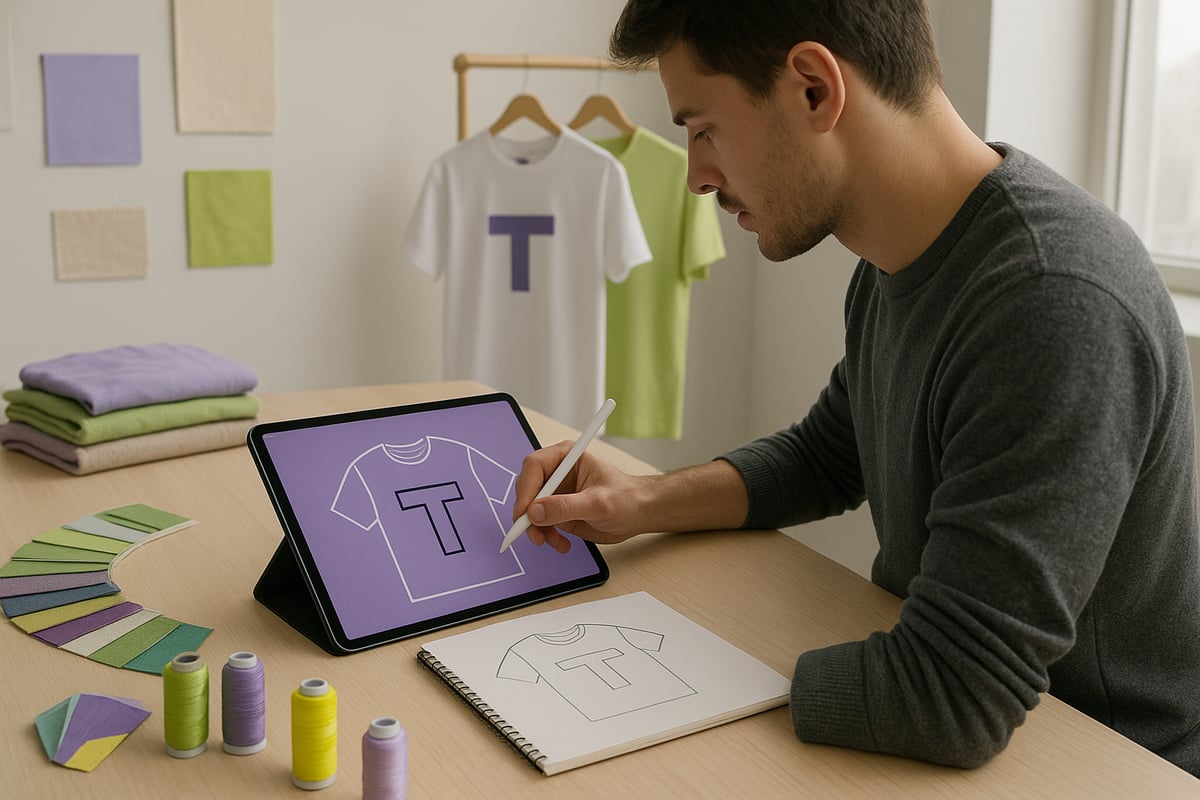
Start by asking yourself why you need a t logo shirt. Is it for a business campaign, a sports event, a charity fundraiser, or personal use? Defining your purpose shapes the shirt’s style, message, and impact.
Next, identify your target audience. Consider age, gender, interests, and even location. For example, a t logo shirt for a youth music festival will differ greatly from one intended for a corporate event. Tailoring the design and messaging to your audience sets a strong foundation for success.
Selecting the right shirt type is crucial for comfort and appeal. Popular fits in 2026 include classic, relaxed, athletic, cropped, and oversized cuts. Each offers a unique look and feel, so think about what best suits your audience and purpose.
Material choice also plays a key role in the overall quality of your t logo shirt. Sustainable fabrics such as organic cotton, bamboo blends, and recycled polyester are leading the market. These options not only feel good but also align with eco-conscious values. Ensure your sizing is inclusive to make everyone feel welcome.
Your logo is the heart of your t logo shirt, representing your brand or personal style. Use professional design tools or online platforms to create a logo that is clear, scalable, and memorable. Simplicity often works best, ensuring your design stands out whether printed large or small.
If you already have a logo, consider refining it for shirt printing. Work with a designer if needed to optimise colours, lines, and shapes. Make sure the logo remains recognisable and impactful regardless of placement or technique.
Choosing the right method for displaying your t logo shirt design is important for both aesthetics and durability. The main options are digital printing, screen printing, direct-to-garment (DTG), and embroidery. Each method has unique strengths and limitations.
For a detailed comparison of these techniques, including cost, durability, and finish, see DTG vs. embroidery for logos. Think about the final look you want: embroidery offers texture and longevity, while printing allows for vibrant colours and detailed graphics. Match your choice to your brand’s needs and budget.
Once your design is ready, research suppliers who specialise in t logo shirt production. Look for UK-based companies with strong reviews and a proven track record. Request samples to check fabric quality, print clarity, and sizing accuracy.
Consider suppliers who offer in-house design support, quick turnaround times, and flexible order sizes. Bulk discounts and bundled deals are often available for larger orders or events, helping you get the best value.
Before final production, approve digital or physical proofs of your t logo shirt. This step helps catch any errors in design, colour, or sizing. Stay in touch with your supplier to monitor production and delivery timelines.
When your shirts arrive, inspect them carefully. Check the print or embroidery quality, fabric feel, and fit. Promptly address any issues with customer support to ensure everyone receives the best product possible.
With your t logo shirt in hand, explore different ways to style it. For work, pair it with smart trousers or a blazer. At events, combine it with denim or accessories that reflect your brand’s colours.
Encourage team members or customers to share photos of their t logo shirt on social media. This boosts visibility and builds community around your brand. The right styling can turn a simple shirt into a statement piece.
Taking proper care of your t logo shirt is essential for maintaining its look, feel, and lifespan. With sustainability at the forefront of fashion, how you wash, store, repair, and eventually recycle your t logo shirt matters more than ever.
Washing your t logo shirt correctly prevents fading, shrinkage, and damage to prints or embroidery. Always check the care label before laundering. Use cold water and a gentle, eco-friendly detergent to keep colours vibrant and materials strong.
| Care Aspect | Recommendation |
|---|---|
| Water Temperature | 30°C or colder |
| Detergent Type | Mild, eco-friendly, non-bleach |
| Wash Cycle | Gentle or delicate |
| Drying | Air dry flat or hang, avoid tumble dry |
| Ironing | Low heat, avoid direct contact on logo |
Avoid overloading the machine, as friction can cause the t logo shirt to pill or the logo to crack. Turn shirts inside out before washing to further protect the design.
Proper storage extends the life of your t logo shirt. Always fold shirts along the seams to prevent stretching, or hang on padded hangers to maintain their shape. For shirts with large logos, folding inside out helps reduce logo abrasion.
Keep your t logo shirt away from direct sunlight and damp spaces to avoid fading and mildew. Storing in breathable cotton bags or drawers lined with acid-free tissue paper can also protect both fabric and print. Avoid plastic bags, as they can trap moisture and cause odours.
Minor damages do not mean the end for your t logo shirt. Simple repairs and creative upcycling can give them a second life:
Upcycling helps reduce waste and brings new personality to your t logo shirt collection.
When your t logo shirt reaches the end of its wearable life, consider responsible disposal options. Textile recycling programmes in the UK accept clean, dry shirts and can repurpose fibres for insulation or new garments. Donating to charity shops is another sustainable choice, especially for shirts still in good condition.
According to recent data, around 35% of textiles in the UK were recycled in 2024–2025, reflecting a growing commitment to sustainability. Opt for upcycling or recycling over landfill to minimise environmental impact and support a circular fashion economy.
Choosing a sustainable t logo shirt from the start makes a positive difference. Look for certifications such as GOTS or OEKO-TEX, which ensure eco-friendly materials and ethical production. Supporting local and ethical manufacturers reduces carbon footprint and often delivers higher quality.
The UK’s eco-conscious consumers are driving growth in sustainable fashion, as highlighted in Sustainable fashion market trends 2025–2033. Brands offering transparency and responsible sourcing are viewed more favourably, making your t logo shirt not just a style choice but a statement of values.
The future of the t logo shirt is shaped by rapid advancements in technology, shifting consumer values, and the evolving needs of brands. As we look ahead to 2027 and beyond, the industry is poised for exciting innovation that will redefine both fashion and brand engagement.
Smart fabrics are at the forefront of t logo shirt innovation. Expect materials that regulate temperature, wick moisture, and even offer UV protection. Wearable tech is being seamlessly integrated into designs, with features such as NFC tags for interactive experiences and augmented reality elements that bring logos to life via smartphones.
Brands are experimenting with biodegradable sensors and inks, making each t logo shirt both functional and eco-conscious. According to activewear manufacturing trends 2026, AI-driven production and customisation are also on the rise, supporting on-demand manufacturing and reducing waste.
As these technologies become mainstream, the t logo shirt will offer more than style—it will deliver enhanced comfort, connectivity, and sustainability.
Consumer expectations for the t logo shirt are evolving quickly. There is a growing appetite for hyper-personalisation, with individuals seeking unique designs that reflect their identity. Sustainability is no longer a trend but a requirement, as buyers prioritise recycled materials and ethical production.
Recent surveys indicate that transparency in sourcing and eco-friendly credentials are key purchase drivers for UK shoppers. People want to know the story behind their t logo shirt, from design inspiration to manufacturing processes.
Brands that embrace these values and communicate them clearly are gaining loyalty and standing out in a crowded market.
The t logo shirt has moved beyond simple merchandise to become a powerful community-building tool. Brands are using limited edition drops and exclusive collaborations to create excitement and foster a sense of belonging among their audiences.
Successful 2026 campaigns have demonstrated how interactive elements, such as scannable codes or AR experiences, can turn a t logo shirt into a conversation starter and an extension of the brand story. These strategies encourage user-generated content and boost engagement, amplifying reach through social sharing.
As a result, the t logo shirt is now central to innovative marketing, helping brands connect authentically with both existing fans and new customers.
Looking ahead, the t logo shirt will continue to evolve with new materials, smarter features, and bolder designs. Brands and individuals should stay agile by monitoring trends, investing in sustainable options, and experimenting with emerging technologies.
To future-proof your t logo shirt strategy, consider these actionable tips:
By staying ahead of these trends, both brands and style enthusiasts can ensure their t logo shirt choices remain relevant and impactful.
OK T-Shirt
126 Beeches Rd
Birmingham
B42 2HQ
