Cheap Printed T-Shirts UK: Quality & Value Guide 2026
Discover how to source cheap printed t-shirts UK without compromising…
Unleash your imagination with t shirt graphic printing in 2026. This creative movement is transforming how individuals, brands, and businesses express themselves through custom apparel.
This handbook is your essential guide to t shirt graphic printing. Discover the latest techniques, innovative design strategies, and industry advancements that set standout garments apart.
Whether you are starting your own line, building a brand, or simply seeking to bring your ideas to life, you will find practical advice here. Explore every stage, from concept to finished product, and turn your vision into reality.
T shirt graphic printing has transformed from a niche craft into a cornerstone of self-expression and brand identity. In 2026, it's not just artists and businesses who are embracing this medium—enthusiasts, entrepreneurs, and even hobbyists are driving a surge in demand for custom apparel.
Today’s t shirt graphic printing landscape is shaped by a suite of advanced technologies. Direct-to-Garment (DTG) printing stands out for its ability to produce vibrant, photo-realistic designs with minimal setup. Screen printing, the classic choice, excels in producing large batches with bold, durable colours. Sublimation printing allows full-coverage, all-over designs with stunning detail, especially on polyester fabrics. Direct-to-Film (DTF) printing is gaining traction for its versatility and ease of use, transferring designs onto a wide range of materials. Hybrid digital methods now combine digital precision with the boldness of traditional techniques, creating new creative possibilities.
Choosing the right technology can be daunting, but understanding the strengths of each method is essential. For a comprehensive comparison of print methods, see Choosing t-shirt printing technology. DTG is ideal for short runs and complex graphics, while screen printing remains the go-to for larger orders and simple designs. Sublimation is perfect for sportswear and promotional items, and DTF offers flexibility for small businesses exploring diverse product lines.
The custom t shirt graphic printing market is experiencing remarkable growth. According to recent industry reports, the global sector is projected to reach nearly £7 billion by 2026, with a compound annual growth rate exceeding 7%. The appetite for personalised, made-to-order apparel is fuelled by social media trends, influencer culture, and the rise of microbrands. Sustainability is also a significant driver—consumers are increasingly seeking out eco-friendly options and transparent production practices.
AI-driven design tools are transforming the creative process, making it easier for anyone to develop professional-quality graphics. Automated workflows and online customisation platforms enable customers to preview, tweak, and order their designs in real time. This integration of technology not only streamlines production but also opens the door to unprecedented levels of personalisation.
Sustainability is at the heart of modern t shirt graphic printing. Water-based inks, recycled fabrics, and low-waste processes are becoming industry standards. Many print providers now offer organic cotton, bamboo, and recycled polyester garments, aligning with consumer demand for ethical fashion. Eco-friendly practices are no longer optional—they are a key differentiator in a competitive market.
Leading brands are leveraging these innovations to stand out. For example, eco-conscious labels are using hybrid printing to achieve unique effects while minimising waste. Sportswear companies favour sublimation for its durability and design flexibility. Independent artists are using DTG to launch limited-edition drops with minimal investment.
Here’s a quick comparison of popular print technologies in 2026:
| Technology | Quality | Speed | Cost Efficiency | Best For |
|---|---|---|---|---|
| DTG | High, detailed | Medium | Best for short runs | Complex, colourful designs |
| Screen Printing | Bold, durable | Fast (bulk) | Best for large runs | Simple graphics, bulk orders |
| Sublimation | All-over, sharp | Fast | Moderate | Sportswear, polyester garments |
| DTF | Versatile | Medium | Flexible | Mixed fabrics, small businesses |
| Hybrid Digital | Custom effects | Varies | Varies | Special finishes, unique styles |
Consumer preferences are shifting. There’s a growing appetite for custom, limited-edition, and personalised t shirt graphic printing. Shoppers value not just the look, but the story and sustainability behind each garment. In 2026, staying ahead means embracing technology, prioritising eco-friendly practices, and understanding the evolving desires of your audience.
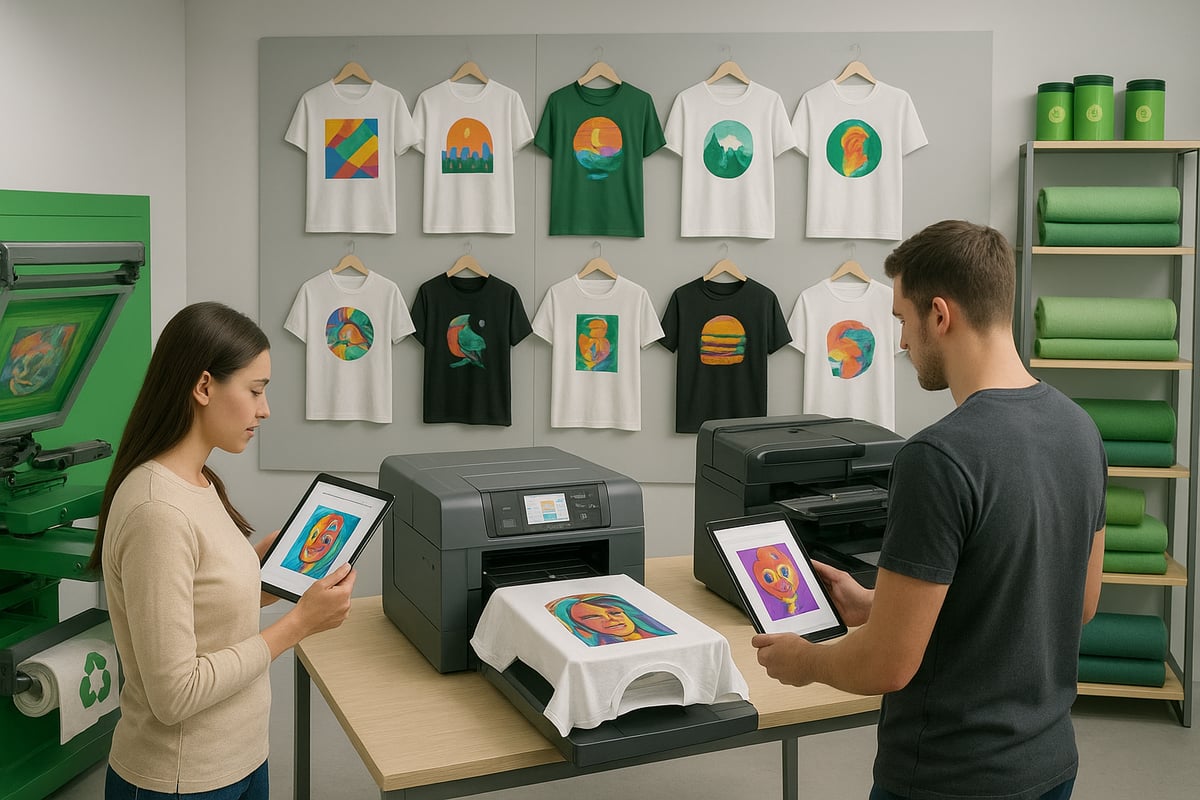
Creating a standout t shirt graphic printing project in 2026 requires both artistic flair and strategic thinking. The journey begins with a clear concept that resonates with your intended audience. Whether designing for personal expression, a business, or a brand, understanding the full creative process lays the foundation for impactful results.
For a deeper look at how to start your design journey, you can explore this guide on Designing personalised t-shirts, which covers essential steps and best practices.
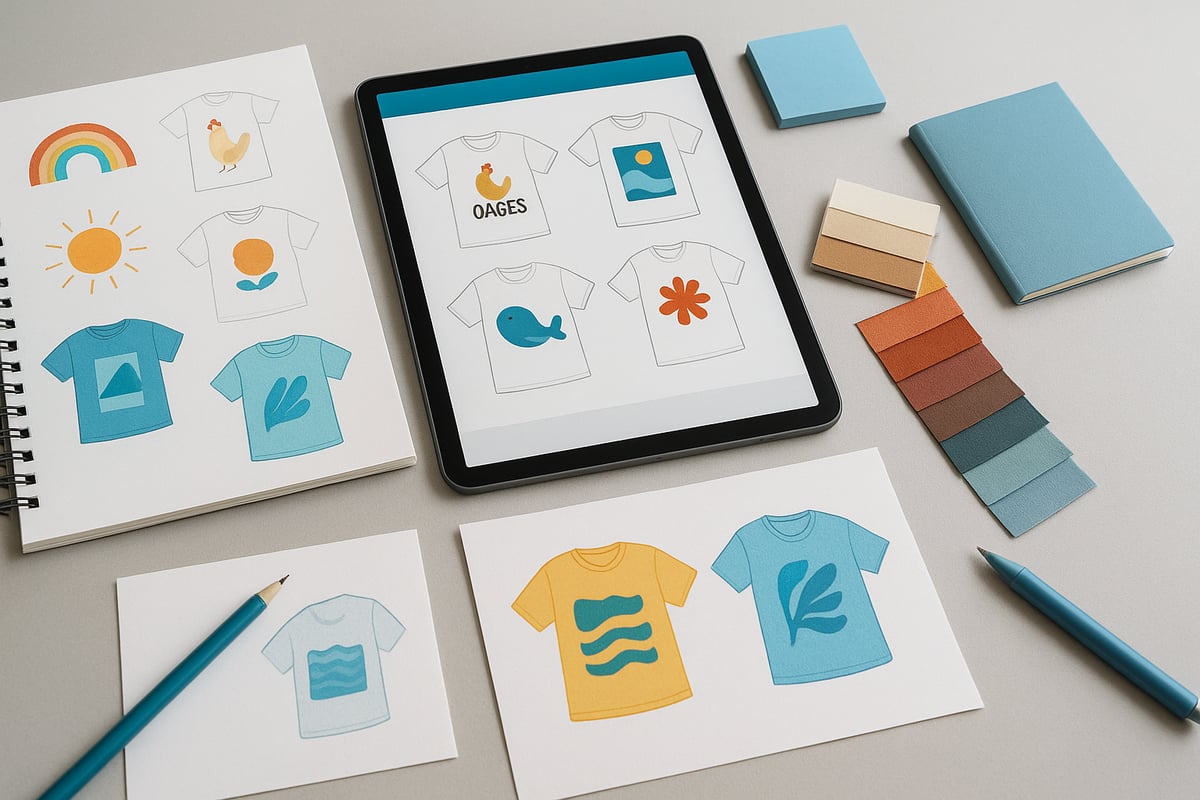
The t shirt graphic printing landscape is driven by evolving trends and shifting consumer preferences. In 2026, popular themes include eco-conscious messaging, minimalist graphics, retro nostalgia, and bold typographic statements. Colour palettes lean towards pastels, earth tones, and vibrant neons, reflecting both sustainability and individuality.
Stay updated by following industry reports and social channels. Platforms like Printful, Teespring, and Redbubble often publish data on trending styles. Analysing top sellers can reveal what audiences are gravitating towards, helping your t shirt graphic printing designs connect with current tastes.
AI-powered design tools have revolutionised the t shirt graphic printing process. Platforms such as Canva and Adobe Sensei offer intelligent suggestions, automated layouts, and rapid prototyping, making it easier to visualise concepts before committing to production.
These tools can generate mock-ups, refine colour schemes, and even predict how designs will look on different shirt colours and sizes. By integrating AI into your workflow, you streamline ideation while ensuring your t shirt graphic printing stands out in a crowded market.
Ensuring your artwork is ready for t shirt graphic printing is crucial for professional results. Use vector formats (such as AI, SVG, or EPS) for scalability and sharpness. Maintain a resolution of at least 300 DPI for raster images to avoid pixelation.
Set your colour profile to CMYK for print accuracy, as RGB may result in unexpected colour shifts. Double-check dimensions and align graphics to the printable area. These steps help prevent costly errors and ensure your t shirt graphic printing translates seamlessly from screen to fabric.
| File Type | Use Case | Scalability | Colour Profile |
|---|---|---|---|
| AI/SVG/EPS | Vector graphics | High | CMYK |
| PNG | Complex images | Low | RGB/CMYK |
| Print-ready proofs | High | CMYK |
While creativity is at the heart of t shirt graphic printing, respecting intellectual property laws is equally vital. Always use original artwork or assets that are licensed for commercial use. Avoid copying elements from copyrighted designs, even if you make significant alterations.
Consider public domain or royalty-free resources for inspiration. If collaborating with other artists or using AI-generated content, ensure you have the right permissions. This approach protects your brand and keeps your t shirt graphic printing projects free from legal complications.
Viral t shirt graphic printing designs often share common traits: simplicity, emotional resonance, or clever humour. For example, shirts featuring bold slogans or iconic imagery tend to capture attention quickly. Data from platforms like Redbubble and Teespring indicates that designs with limited colour palettes and clear messaging are top performers.
Consumer reports show a growing demand for personalised and limited-edition garments. By studying these trends and adapting your approach, you can create t shirt graphic printing projects that not only look great but also appeal to the modern buyer.
Selecting the right materials is the foundation of success in t shirt graphic printing. The fabric you choose directly affects print quality, durability, and comfort. Whether you are creating for personal use or launching a brand, understanding your options is crucial to producing standout results.
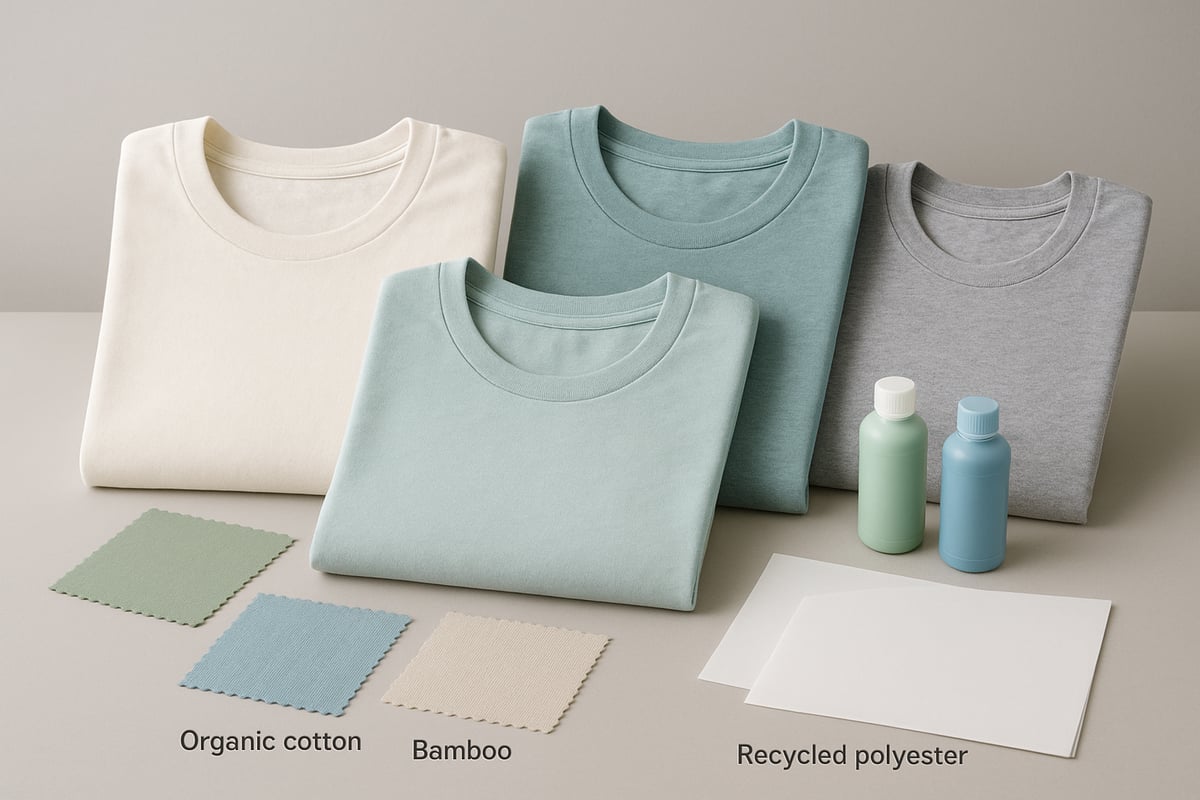
The most popular fabrics for t shirt graphic printing include 100% cotton, organic cotton, polyester, poly-cotton blends, bamboo, and recycled PET. Each material interacts differently with printing inks and techniques.
Cotton offers softness and breathability, making it ideal for both DTG and screen printing. Organic cotton elevates this with eco-friendly credentials and similar print results. Polyester and blends excel with sublimation printing, delivering vibrant colours but sometimes less breathability. Bamboo and recycled PET are gaining traction for their sustainability and comfort.
| Fabric Type | Print Compatibility | Comfort | Durability | Sustainability |
|---|---|---|---|---|
| Cotton | DTG, Screen | High | High | Moderate |
| Organic Cotton | DTG, Screen | High | High | Excellent |
| Polyester | Sublimation, DTF | Medium | Very High | Moderate |
| Bamboo | DTG, Screen | Very High | High | Excellent |
| Recycled PET | Sublimation, DTF | High | High | Excellent |
When choosing a fabric for t shirt graphic printing, consider the final use, desired feel, and printing technique.
Sustainability is a top priority for both consumers and brands in 2026. Many now seek out GOTS (Global Organic Textile Standard) and Fair Wear Foundation certifications when sourcing blank t-shirts. These marks assure ethical production and environmental responsibility.
Eco-friendly options such as organic cotton, bamboo, and recycled polyester are increasingly available. For more on this trend, see the Rise of sustainable custom t-shirt printing. Choosing certified garments not only supports responsible manufacturing but also adds credibility to your t shirt graphic printing business.
It is essential to match your inks and transfer papers to your chosen fabric and printing method. Water-based inks are preferred for their softness and environmental benefits, especially on cotton and bamboo. Sublimation inks work best with polyester and recycled PET. Always ensure your supplies are compatible to achieve the best results in t shirt graphic printing.
Material choice impacts both quality and cost. Bulk pricing can help manage expenses, but premium blanks often justify their higher price through superior print results and durability.
Some of the top-rated blank t-shirts for t shirt graphic printing in the UK include the Stanley/Stella Creator (organic cotton), Gildan Softstyle (cotton), and AWDis Just Cool (recycled polyester). These options balance comfort, printability, and ethical sourcing.
Market data shows over 60% of UK consumers are willing to pay more for sustainable apparel. This trend makes investing in quality, eco-friendly materials a smart choice for anyone involved in t shirt graphic printing.
Unlocking the full potential of t shirt graphic printing requires a clear, methodical approach. Whether you are printing a single custom tee or launching a new apparel line, following each step ensures professional results and long-lasting prints. Below, explore the essential workflow from concept to finished product for 2026.

Begin your t shirt graphic printing journey by finalising your artwork. Ensure your design is in a print-ready vector format, such as .AI, .EPS, or a high-resolution PNG. Check that the file resolution meets the minimum requirement (usually 300 DPI) and that colours are set in CMYK for accurate print output.
Pay attention to print sizing and placement. Mock up your design on a digital template to visualise the final look. Keep in mind, clear and bold graphics translate best on fabric, maximising the impact of t shirt graphic printing.
Choosing the right method is crucial to t shirt graphic printing success. The main technologies in 2026 include Direct-to-Garment (DTG), screen printing, sublimation, and Direct-to-Film (DTF). Each delivers distinct results.
Assess your design, order volume, and fabric type to select the most suitable t shirt graphic printing method.
Not all t shirt graphic printing techniques require pre-treatment, but it is vital for DTG and some DTF processes. Pre-treatment solutions help inks adhere properly, ensuring sharp lines and vibrant colours.
Apply the pre-treatment evenly, then cure it using a heat press or tunnel dryer. Allow the garment to cool before moving to the next stage. Skipping this step can lead to uneven prints or faded designs, impacting the quality of your t shirt graphic printing.
With artwork and garments ready, proceed to the actual t shirt graphic printing stage. For screen printing, create stencils and layer inks onto the fabric. DTG involves loading the shirt into the printer, where the design is digitally applied, layer by layer.
Sublimation requires printing the image onto transfer paper, then heat-pressing it onto the garment. DTF uses specialised films that are printed, powdered, and then transferred by heat. Sustainability is increasingly important, with eco-friendly inks and low-waste methods now mainstream. For more on sustainable practices, visit Eco-friendly t-shirt printing techniques.
Each technique demands careful calibration and regular maintenance to guarantee consistency in t shirt graphic printing.
After printing, curing fixes the ink to the fabric for durability. Use a heat press, conveyor dryer, or curing unit, depending on your chosen t shirt graphic printing method.
Check the manufacturer's recommendations for time and temperature settings. Once cured, inspect the print for quality and accuracy. Trim any excess threads and fold the garment neatly for packaging. Quality control at this stage ensures only the best t shirt graphic printing results reach your customers.
To prolong the life of your t shirt graphic printing, offer these care instructions:
Proper care helps maintain vibrancy and ensures customer satisfaction with their t shirt graphic printing.
Encountering problems in t shirt graphic printing is common. Here are quick solutions:
Keep a checklist handy to diagnose and resolve issues swiftly, minimising waste and delays in your t shirt graphic printing workflow.
Imagine printing a vibrant, multi-colour graphic on an organic cotton tee. Start by finalising your design and confirming it meets print requirements. Choose DTG for its ability to capture intricate details and a wide colour spectrum.
Pre-treat the shirt, cure, then load into the DTG machine. Print, cure the ink, and inspect for quality. Advise the customer on post-print care. This approach showcases the flexibility and high standards of modern t shirt graphic printing.
Below is a summary of typical production times and costs for key t shirt graphic printing methods in 2026:
| Method | Avg. Production Time | Cost per Shirt (UK) |
|---|---|---|
| DTG | 5–10 mins | £7–£15 |
| Screen Print | 15–30 mins (setup) | £3–£8 (bulk) |
| Sublimation | 7–12 mins | £6–£12 |
| DTF | 8–14 mins | £5–£10 |
Selecting the right method balances speed, cost, and quality for your t shirt graphic printing needs.
In summary, mastering the t shirt graphic printing process in 2026 means following each step with care, embracing new technologies, and prioritising quality at every stage.
Entering the world of t shirt graphic printing in 2026 means stepping into a booming, creative industry. The global custom t-shirt printing market is projected to reach $8.89 billion by 2026, highlighting both the scale and opportunity for individuals and brands. Whether you are launching a personal line or building a business, a strategic approach can set your printed apparel apart from the crowd.
Start with a clear vision for your t shirt graphic printing venture. Define your brand identity and target audience. Are you focusing on eco-friendly messages, bold graphics, or niche communities? Your story and mission can be a powerful differentiator.
Successful brands often use storytelling to connect with their audience. Share the inspiration behind each design, highlight your creative journey, and showcase customer testimonials. This emotional connection builds loyalty and encourages word-of-mouth marketing.
Consider launching limited-edition drops or collaborating with local artists to create buzz. These strategies not only attract attention but also cultivate a sense of exclusivity around your t shirt graphic printing line.
Selling your printed t-shirts online is more accessible than ever. E-commerce platforms like Shopify, Etsy, and Amazon Merch enable you to reach global customers with minimal upfront investment. Print-on-demand services streamline fulfilment, letting you focus on design and marketing while reducing inventory risk.
Social media is a critical tool for growing your t shirt graphic printing brand. Platforms such as Instagram and TikTok allow you to share behind-the-scenes content, launch campaigns, and connect directly with fans. Collaborating with influencers or running viral challenges can rapidly expand your reach.
Engage your followers with interactive posts, polls, and user-generated content. Encourage customers to share photos wearing your designs. This not only builds community but also provides authentic marketing material for your brand.
Setting the right price for your t shirt graphic printing products is essential for balancing profit and appeal. Research your competitors, factor in material and production costs, and consider offering tiered pricing for premium or custom options.
Decide whether to produce shirts on-demand or in bulk. On-demand production minimises upfront costs and storage needs, while bulk orders can lower per-unit expenses for popular designs. Evaluate your sales data regularly to adjust your approach as your business grows.
Protect your creative work by understanding trademark and copyright laws. Register your brand and designs where possible. This ensures your t shirt graphic printing business is safeguarded as you scale.
Case studies show that brands combining strong identity, responsive inventory strategies, and legal protection are more likely to thrive. Data from recent reports confirms that online sales channels and personalised experiences are driving consumer buying behaviours in 2026.

OK T-Shirt
126 Beeches Rd
Birmingham
B42 2HQ
