Cheap Printed T-Shirts UK: Quality & Value Guide 2026
Discover how to source cheap printed t-shirts UK without compromising…
Imagine stepping onto the factory floor in 2026, where the role of the t shirt worker has evolved alongside cutting-edge technology and a renewed focus on sustainability. The global T-shirt market is booming, opening doors for those ready to adapt.
This essential guide is crafted for the modern t shirt worker, offering a roadmap to thrive in this dynamic industry. You will explore the latest trends, essential skills, daily responsibilities, and how technology is reshaping production.
Ready to future-proof your career as a t shirt worker? Let’s dive in and discover how you can succeed in this fast-changing world.
The T-shirt industry is experiencing a dynamic transformation, presenting new opportunities and challenges for the modern t shirt worker. In 2026, the sector is defined by rapid innovation, shifting consumer expectations, and a renewed commitment to responsible practices. Let us explore the five major trends shaping the future of this thriving market.
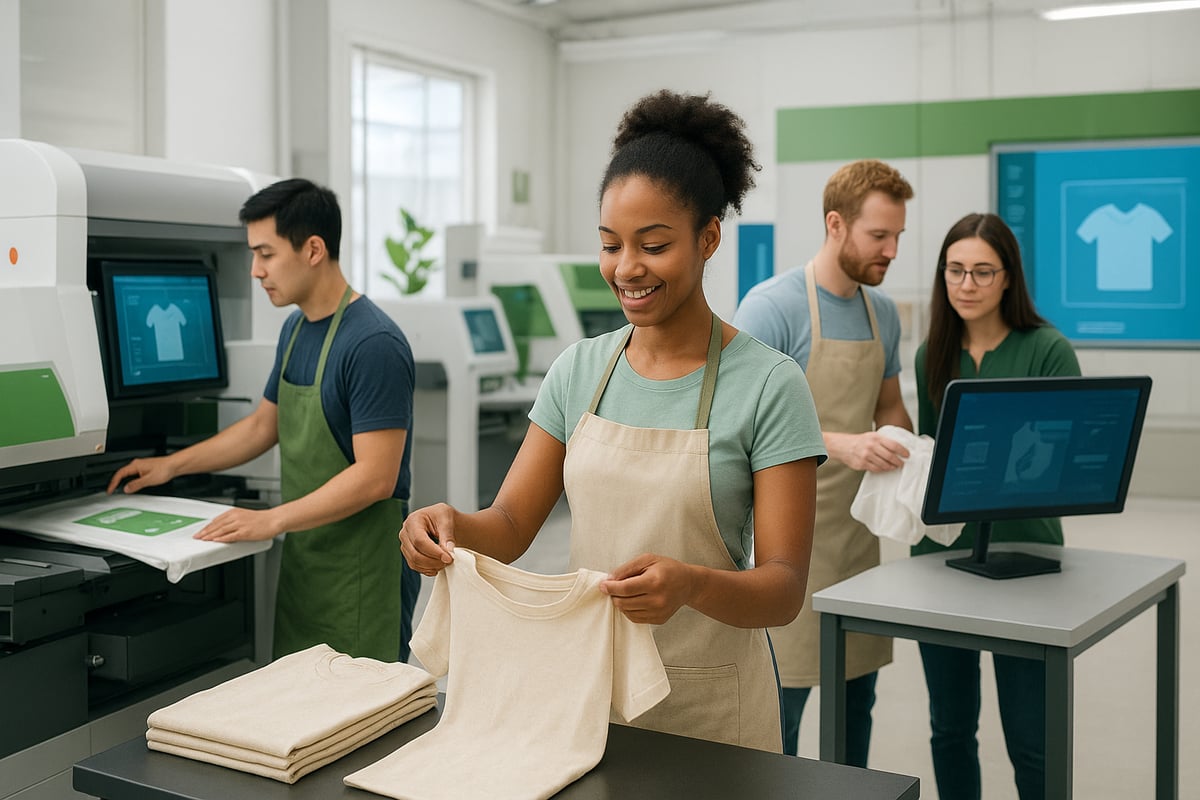
The global T-shirt market is projected to reach £40 billion by 2026, highlighting strong international demand and robust sector growth. For every t shirt worker, this expansion means increased job opportunities and a wider variety of roles. Custom and niche apparel segments are thriving, with many consumers seeking unique, personalised clothing that reflects their identity.
A key driver of growth is the rise of on-demand T-shirt printing platforms. These services empower small brands and individuals to launch collections rapidly, creating a competitive yet exciting environment for the t shirt worker. As the market grows, adaptability and an understanding of global trends become essential.
Sustainability is at the forefront of industry change, directly impacting the daily responsibilities of the t shirt worker. The shift towards eco-friendly materials such as organic cotton and recycled polyester is accelerating, with brands actively seeking to minimise their environmental footprint.
Transparency in the supply chain is now a top priority, and regulations are tightening regarding waste reduction and fair labour practices. Many companies are implementing closed-loop recycling schemes, ensuring materials are reused and waste is minimised. For the t shirt worker, adopting sustainable practices and staying informed about environmental standards is now a core part of the job.
Technology has revolutionised the workflow of the t shirt worker in recent years. Automation is now standard in cutting, printing, and quality control, boosting efficiency and precision. Digital printing is steadily replacing traditional screen printing, offering greater flexibility and faster turnaround times.
AI-powered systems support design and inventory management, allowing t shirt workers to focus on creativity and problem-solving. With 60% of manufacturers investing in smart machinery, technical proficiency is crucial for anyone seeking a successful career in this evolving field. Embracing these advancements helps t shirt workers stay competitive.
The post-pandemic era has seen a surge in online T-shirt sales, fundamentally changing how t shirt workers interact with customers and brands. Social media-driven microbrands are flourishing, creating space for new voices and innovative designs. Dropshipping and print-on-demand models have lowered entry barriers for aspiring entrepreneurs and creative professionals.
Influencer-led T-shirt brands now set trends and drive demand for exclusive releases. For the t shirt worker, this shift means mastering e-commerce platforms and understanding digital marketing essentials. Adapting to these changes ensures continued relevance in a fast-paced, connected market.
Modern consumers are driving demand for inclusive sizing and gender-neutral designs, reshaping the creative landscape for the t shirt worker. Limited-edition releases and brand collaborations have become highly sought after, reflecting a desire for exclusivity and originality.
Comfort, durability, and style are essential qualities, guiding every production decision. Insights from T-shirt industry trends tag reveal that successful t shirt workers anticipate shifts in preference and respond with agility. Embracing feedback and staying current with competitor trends will ensure continued success in 2026.
The role of the t shirt worker in 2026 is dynamic and multifaceted, shaped by rapid advancements in technology, rising sustainability standards, and evolving consumer expectations. Each day, these professionals blend technical skills with creativity and a strong sense of responsibility to deliver quality apparel. Let us explore the core areas that define their daily work.
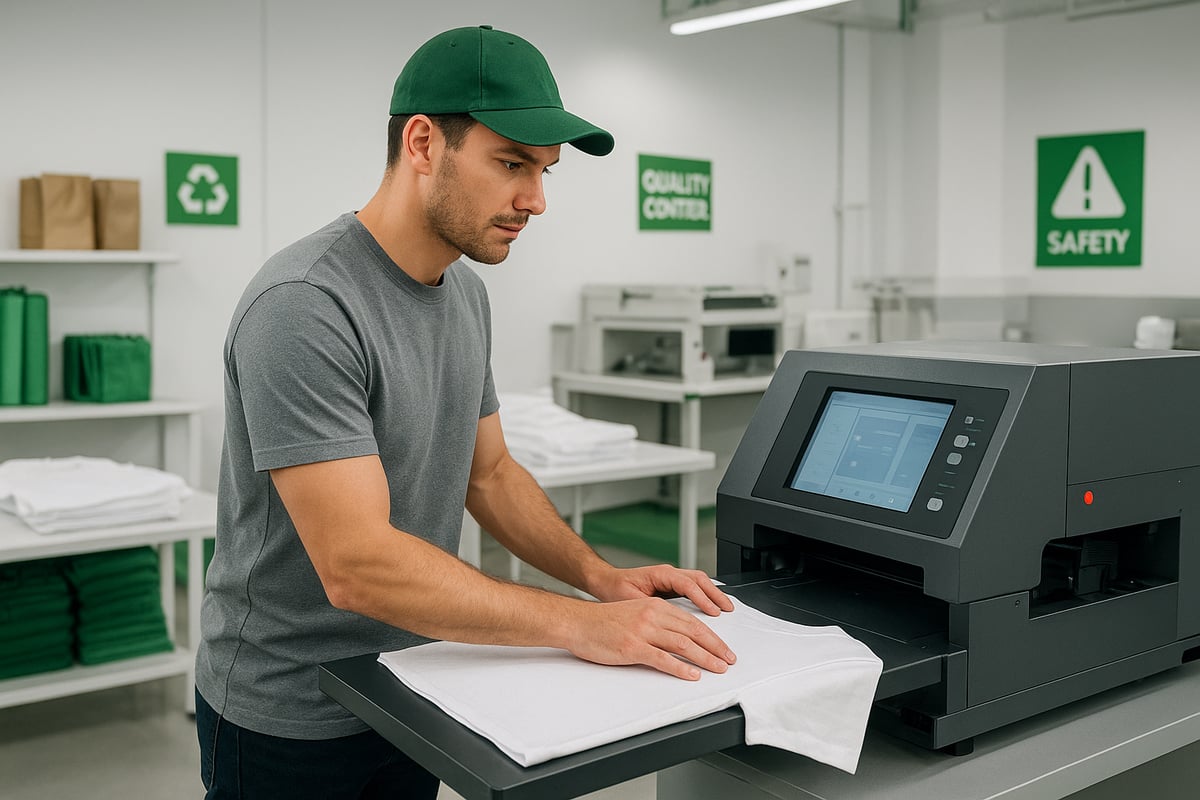
Production remains at the heart of a t shirt worker’s duties. Operating advanced machinery for cutting and digital printing, they ensure every garment meets precise specifications. Daily tasks involve:
Efficiency is crucial, so t shirt workers manage production schedules to avoid delays. The integration of automated inspection systems has transformed quality assurance, allowing workers to detect defects quickly and maintain high standards. This hands-on approach ensures that every T-shirt not only looks good but also lasts longer.
Collaboration is vital as the t shirt worker regularly works with digital design files and custom orders. They liaise with designers and clients to turn creative visions into tangible products. A solid understanding of colour theory and fabric compatibility is essential.
For example, when creating custom sports team kits, workers must adjust designs to suit different textiles and performance requirements. The rise in custom orders has made custom T-shirt printing services a core part of industry operations. Here, t shirt workers play a key role in translating client briefs into finished garments that stand out in the market.
Sustainability is now woven into every aspect of the t shirt worker’s routine. Workers use water-based inks and energy-saving equipment to reduce their environmental footprint. Key practices include:
For instance, switching to biodegradable packaging and recording resource usage are now standard. These efforts not only meet regulations but also appeal to environmentally conscious consumers. T shirt workers are often the frontline champions of these green initiatives, making a measurable impact each day.
Safety is a non-negotiable priority for every t shirt worker. With increased automation and the use of chemicals in production, strict adherence to safety protocols is essential. Daily responsibilities include:
Keeping up with industry regulations ensures both product quality and worker well-being. New safety technologies, such as real-time monitoring systems, provide additional layers of protection. By staying informed and vigilant, t shirt workers help create a safe, compliant, and productive workplace environment.
Success as a t shirt worker in 2026 requires a blend of technical know-how, creativity, and adaptability. As the industry evolves, so do the skills needed to stand out and progress. Let us explore the most sought-after qualifications shaping the future of the t shirt worker.
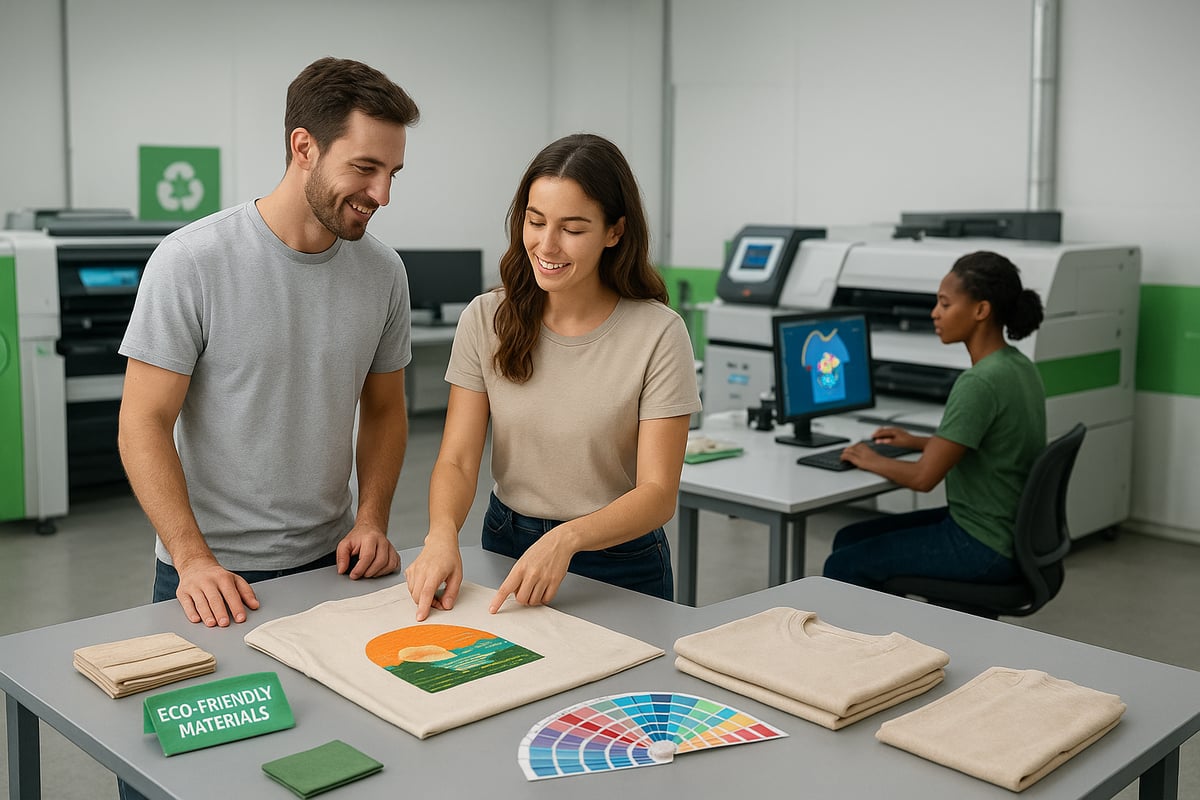
For the modern t shirt worker, technical expertise is essential. Mastery of digital printing and embroidery machines is now a baseline requirement. Workers need to operate, calibrate, and troubleshoot advanced equipment, ensuring each T-shirt meets quality standards.
Familiarity with design software, such as Adobe Illustrator or CorelDRAW, is a must. It enables the t shirt worker to interpret digital files and adjust designs on the fly. Many companies expect staff to understand the unique requirements of different T-shirt materials, from cotton to performance blends.
To gain a deeper understanding of T-shirt varieties and the machinery involved, browse the T-shirt product category overview.
A successful t shirt worker combines technical skills with a keen eye for design. Understanding colour theory, typography, and layout is vital. Workers must interpret fashion trends and client briefs, transforming ideas into market-ready products.
Design sense drives innovation, especially as viral T-shirt concepts often originate from the production floor. The t shirt worker who can adapt creative ideas for different audiences will always be in demand.
Creativity helps set apart bespoke and high-volume orders, ensuring every product stands out.
Strong communication skills are critical for the t shirt worker. Daily tasks involve collaborating with designers, suppliers, and sales teams. Clear dialogue ensures project requirements are understood and executed efficiently.
Teamwork underpins success in a fast-paced production environment. The t shirt worker must be comfortable providing feedback, asking questions, and supporting colleagues to meet tight deadlines.
Effective communication keeps the workflow smooth and clients satisfied.
Sustainability is a core responsibility for every t shirt worker. Understanding eco-friendly materials, such as organic cotton and recycled polyester, is increasingly important. Workers must adopt sustainable processes, like using water-based inks and energy-efficient equipment.
Ethical sourcing and fair labour practices are under scrutiny, with many brands requiring staff to maintain green certifications. The t shirt worker who leads in sustainability will help their company stay ahead of regulations and consumer expectations.
Eco-consciousness shapes daily decisions and long-term career prospects.
The t shirt worker of tomorrow thrives by embracing change. Ongoing training in new technologies, production methods, and design trends is essential. Participating in workshops and online courses keeps skills sharp and relevant.
Adaptability is the key to success in a rapidly evolving industry. The t shirt worker who is proactive about learning is more likely to progress and find satisfaction in their career.
Continuous growth ensures each t shirt worker remains competitive and prepared for future opportunities.
Stepping onto the production floor in 2026, a t shirt worker starts the day with precision, technology, and sustainability at the forefront. The modern workplace blends automation, creativity, and environmental responsibility, making each day structured yet dynamic.
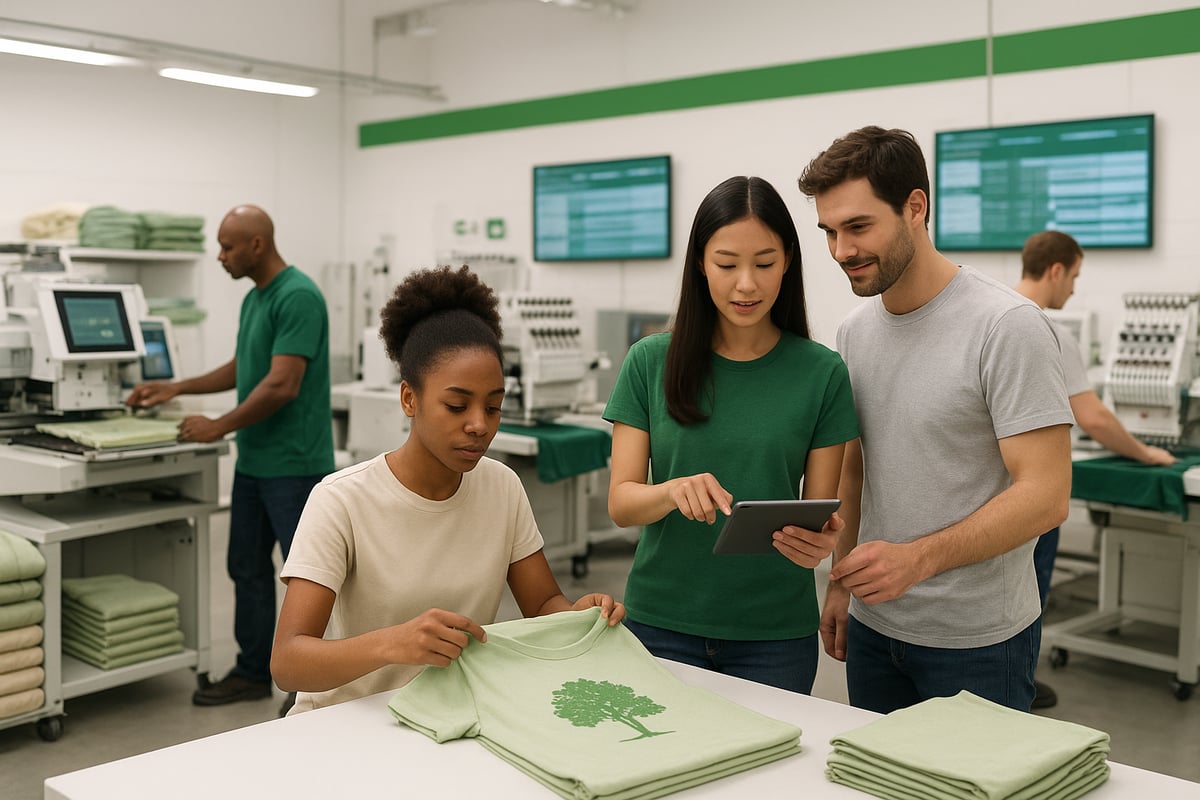
Every morning, the t shirt worker begins by carefully reviewing the day’s production schedule and order details. This includes checking for custom requests, special fabric types, and unique design files that may require special attention.
Setting up the digital printing and embroidery machines is crucial. The worker prepares the necessary materials, calibrates the equipment, and verifies that all design files are accurate and ready for production. Proper setup ensures efficiency and minimises errors later in the day.
A checklist might include:
By starting with a meticulous setup, the t shirt worker sets the tone for a productive, streamlined day.
The heart of the day involves running advanced printing and embroidery equipment. The t shirt worker loads garments into the machines, closely monitors digital processes, and adjusts settings for different fabrics and designs.
In 2026, automation and AI have streamlined these operations, reducing manual intervention and boosting precision. Many t shirt workers utilise smart systems that detect errors and optimise workflow, as highlighted by AI and automation revolutionizing T-shirt production.
Key tasks include:
This phase is where technology and skill come together to deliver high-quality results.
After printing and embroidery, the t shirt worker shifts focus to quality control. Each garment is inspected for defects, such as misaligned prints or loose stitches. Automated scanners are often used to speed up this process, but a keen eye is still essential.
Finishing touches involve trimming threads, removing excess ink, and preparing garments for shipment. The worker ensures every T-shirt meets strict quality standards before packing.
Steps include:
Quality assurance is a defining responsibility for any t shirt worker.
Sustainability is embedded in the daily routine. The t shirt worker sorts fabric scraps for recycling and uses eco-friendly cleaning products to maintain equipment. Recording energy and water usage helps the team track their environmental impact.
Zero-waste initiatives encourage creative reuse of offcuts, and biodegradable packaging is standard practice. The worker ensures compliance with environmental standards, making sustainability a tangible part of their role.
Actions may involve:
For a t shirt worker, every action counts towards a greener future.
Customer engagement is increasingly important. The t shirt worker often communicates directly with clients about custom orders, updates on progress, or feedback on finished products.
Collaborating with sales and design teams ensures client expectations are met. Real-time order tracking systems allow the worker to provide prompt updates, making the process transparent and efficient.
Key interactions:
Excellent communication skills help the t shirt worker build lasting client relationships.
As the day wraps up, the t shirt worker logs completed orders and updates inventory records. Routine machine maintenance is performed to ensure smooth operations for the next shift. Reports are prepared for supervisors, detailing production numbers and any issues encountered.
Final steps:
A thorough end-of-day process ensures that every t shirt worker contributes to a seamless and productive workplace.
Technology is transforming the daily life of the t shirt worker, making advanced tools and systems essential for success in 2026. Mastery of these technologies opens new opportunities and streamlines production, design, and management tasks.
One of the most vital skills for a t shirt worker is operating modern digital printing and embroidery machines. These machines offer high speed, precision, and the ability to handle multi-colour, intricate designs. Compared to traditional methods, direct-to-garment (DTG) printing allows for faster turnaround and more personalised orders.
| Feature | DTG Printing | Screen Printing |
|---|---|---|
| Setup Time | Low | High |
| Order Size | Small to Medium | Large |
| Design Complexity | High | Moderate |
| Eco-Friendly | Yes | Less so |
The impact of digital printing is clear, with the custom T-shirt market expanding rapidly, driven by demand for unique apparel and efficient production. Every t shirt worker should be confident in switching between DTG and traditional methods to meet diverse client needs.
Design software is at the heart of the t shirt worker’s creative process. Platforms like Adobe Illustrator and CorelDRAW are essential for preparing digital files and ensuring accurate colour reproduction. Automation tools are increasingly used to streamline order processing, manage workflows, and reduce human error.
Popular design and automation tools include:
A proficient t shirt worker leverages these tools to deliver bespoke designs efficiently, adapting quickly to client feedback and shifting trends.
Efficient inventory and order management is crucial for any t shirt worker aiming to minimise delays and maintain accuracy. Real-time tracking systems enable seamless monitoring of materials and finished products, reducing the risk of shortages or overstocking.
Many businesses now integrate their inventory systems with e-commerce platforms, allowing t shirt worker teams to update stock levels and process orders automatically. Cloud-based solutions offer accessibility, security, and scalability, ensuring smooth operations as production scales up.
By mastering these systems, a t shirt worker can support both production and sales teams, ensuring timely delivery and customer satisfaction.
Sustainability is a top priority for the modern t shirt worker, with new technologies making eco-friendly practices more accessible. Waterless printing, energy-efficient machinery, and digital sustainability reporting tools help reduce environmental impact.
Factories are adopting solar-powered equipment and tracking resource use to meet regulatory and ethical standards. The adoption of sustainability trends in T-shirt manufacturing highlights the need for every t shirt worker to understand and implement these advancements.
By embracing these tools, a t shirt worker not only supports the environment but also meets the expectations of conscious consumers and leading brands.
Navigating a career as a t shirt worker in 2026 means embracing a landscape filled with growth, innovation, and new opportunities. Whether you are starting out or looking to advance, understanding the available pathways is crucial for long-term success.
Starting as a t shirt worker typically involves roles such as machine operator, print assistant, or packer. These positions are perfect for building foundational skills in garment production, machinery operation, and quality assurance.
As experience grows, opportunities arise to specialise. You might move into digital printing, embroidery, or even sustainability-focused positions. Many t shirt workers progress to roles like lead printer, quality control specialist, or team supervisor. Employers often support this transition by providing access to workwear and apparel options tailored for various production environments, ensuring comfort and safety on the job.
In today’s fast-evolving apparel industry, upskilling is essential for every t shirt worker. Certifications in digital printing, textile technology, or sustainable production can make a significant difference in career advancement.
Many companies offer incentives for professional development, such as funding for workshops or access to online courses. Participating in these programmes keeps skills relevant and opens doors to specialist and supervisory roles. Regular upskilling also helps t shirt workers stay competitive in a market where technology and consumer preferences change rapidly.
For those with ambition, leadership roles within production management or operations are achievable. A t shirt worker with strong project management, team coordination, and communication skills can advance to positions such as shift leader, production manager, or operations supervisor.
Career progression in these areas often involves mentoring new staff, overseeing production lines, and ensuring targets are met efficiently. Many successful leaders in the industry began as t shirt workers, demonstrating that with the right skills and mindset, moving into management is a realistic and rewarding step.
The rise of e-commerce and print-on-demand platforms has opened exciting entrepreneurial avenues for the modern t shirt worker. Starting a bespoke T-shirt business or offering freelance design services is now more accessible than ever.
Entrepreneurs can build microbrands, leverage social media marketing, and use online marketplaces to reach a global audience. Navigating these platforms requires both creative and business acumen, but the rewards include independence, flexibility, and the chance to shape your own brand identity.
The future looks bright for the t shirt worker, with continued growth and demand projected in the global market. As highlighted in the Global T-shirt market projected to reach $221.5 billion by 2032, skilled workers will find expanding opportunities across production, sustainability, and technology integration.
Emerging roles in areas like eco-friendly manufacturing, digital workflow management, and international sourcing are set to redefine career possibilities. Staying adaptable and proactive will ensure that every t shirt worker is well-positioned for success in the years ahead.

OK T-Shirt
126 Beeches Rd
Birmingham
B42 2HQ
