Cheap Printed T-Shirts UK: Quality & Value Guide 2026
Discover how to source cheap printed t-shirts UK without compromising…
The tee printed revolution is on the horizon, capturing the imagination of style leaders and brand strategists alike for 2026. As this everyday staple reclaims its place at the centre of fashion and marketing, understanding the latest tee printed trends, innovative technologies, and customisation options is essential. This guide will empower you—whether you are an individual, business, or designer—to make informed choices. Get ready to explore the evolution of tee printing, discover key 2026 trends, learn about breakthrough materials, find creative inspiration, and master the art of choosing the perfect printed tee for every need. The future of tee printed starts now.
The journey of the tee printed revolution spans generations, cultures, and industries. Its story is one of transformation, from a simple garment to a powerful medium of expression and branding. Let us explore how the tee printed landscape has evolved, and what lies ahead.

The tee printed shirt began as a humble undergarment but quickly rose to become a pop culture icon. In the 1960s and 70s, band tees and protest slogans made the tee printed garment a symbol of identity and social change. From Woodstock to punk rock, these shirts captured moments in history.
The global tee printed market has soared, valued at over £4 billion in 2023. Its influence on music, politics, and youth movements is undeniable. For a deeper look at this cultural resurgence, see How Personalised T-Shirts Shape Fashion.
Innovation has always driven the tee printed industry forward. Screen printing, once the standard, paved the way for digital direct-to-garment (DTG) printing, which allows for detailed, vibrant images. The adoption of eco-friendly inks and sustainable production methods has addressed growing environmental concerns.
By 2025 and 2026, AI-driven design tools are transforming how tee printed graphics are created. These advancements make it easier to produce unique and complex designs while reducing waste and improving efficiency.
The demand for unique tee printed apparel has never been higher. Consumers now seek limited-run designs and exclusive collaborations. On-demand printing services and microbrands empower both individuals and businesses to create and sell their own tee printed products.
Social media platforms have accelerated this trend, turning viral designs into overnight sensations. A single tee printed with a clever slogan or artwork can spark conversation and set trends globally.
The tee printed sector is forecasted to grow at a 7% annual rate, driven by customisation and innovation. Print-on-demand services are expanding both locally and worldwide, enabling faster, more flexible production.
Consumers increasingly value ethical sourcing and transparent supply chains. The preference for sustainable, high-quality tee printed options is shaping the future of the industry. The next few years promise even greater integration of technology and personal expression in every tee printed.
The world of tee printed apparel is entering a transformative era in 2026. This year’s trends reveal a blend of sustainability, personalisation, nostalgia, technology, and inclusivity. Whether you are a consumer, designer, or business, understanding these movements is essential for staying ahead in the tee printed market.
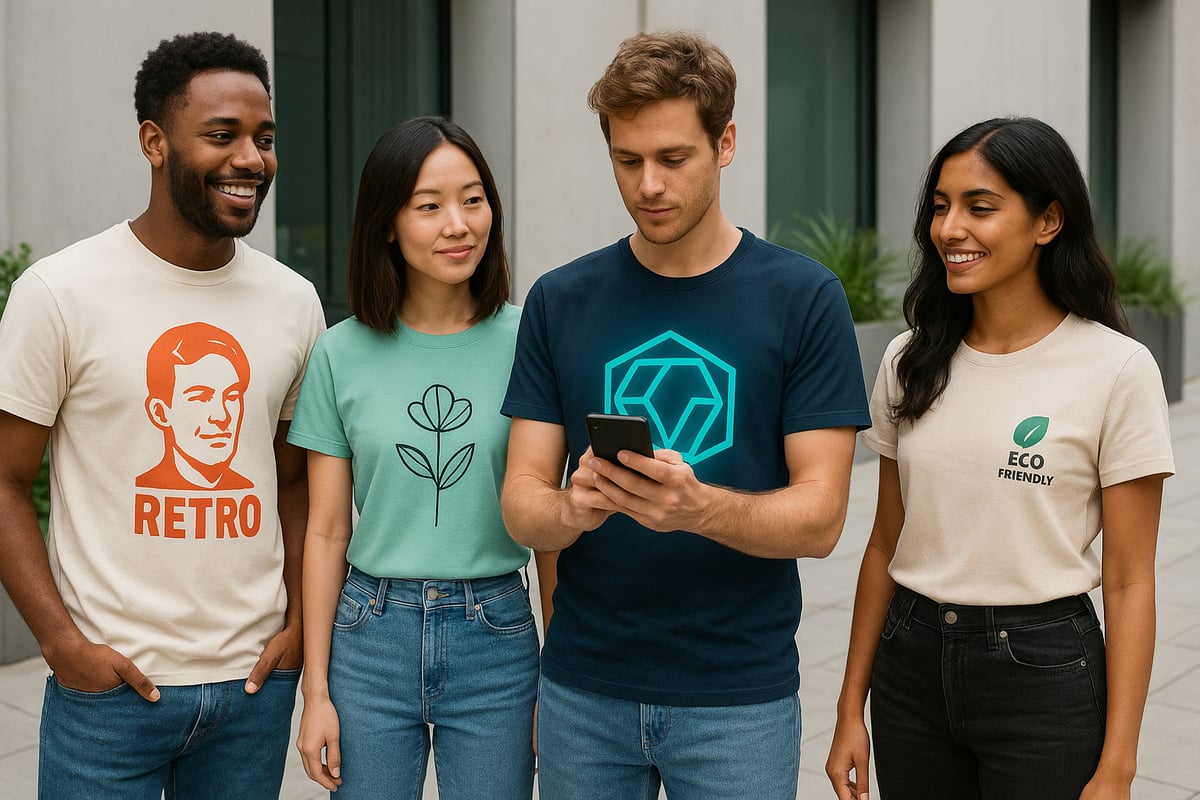
Sustainability is at the heart of tee printed innovation for 2026. Brands are shifting to organic cotton, bamboo, and recycled polyester, meeting consumer demand for ethical choices. Water-based inks reduce environmental impact, while biodegradable packaging is quickly becoming the industry standard.
Major companies are pledging carbon-neutral tee printed production, setting a new benchmark for responsibility. These changes not only benefit the planet but also resonate with eco-conscious shoppers seeking transparency and reduced footprints in their tee printed purchases.
Personalisation is redefining the tee printed experience. Advanced design platforms use AI to recommend styles and generate artwork based on user preferences. This empowers customers to create truly unique tee printed garments, from one-off pieces to collaborative collections.
On-demand production minimises waste and supports microbrands, making it easier for individuals and small businesses to launch fresh tee printed concepts. With 65% of Gen Z preferring customisable apparel, this trend is set to shape how tee printed fashion is consumed and created.
Nostalgia is making a bold return in the tee printed landscape. Expect to see 80s and 90s-inspired graphics, vintage band motifs, and classic sports logos leading the charge. These designs are not only popular on runways but also drive the thrift and circular fashion movement.
The renewed interest in past decades gives tee printed styles a sense of familiarity and authenticity. For additional insight on upcoming design directions, explore this t-shirt print design trends forecast for 2026.
Tee printed trends in 2026 are defined by a striking contrast between minimalism and maximalism. On one hand, bold, oversized prints and vibrant graphics are grabbing attention. On the other, subtle, text-based designs and monochrome palettes offer understated sophistication.
High street brands are catering to both ends of this spectrum, giving consumers the freedom to express individuality through their tee printed choices. Neon colours and gradient effects are especially prominent, offering a fresh twist on classic aesthetics.
Technology is merging with fashion in the tee printed sector. Smart fabrics now feature QR codes, NFC tags, or AR triggers, transforming simple garments into interactive experiences. From event marketing to gaming, these innovations expand the functional possibilities of tee printed apparel.
Forecasts indicate that by 2026, 10% of new tee printed releases will include some form of tech integration. This development enhances engagement and sets the stage for a new era of wearable technology.
Inclusivity is a defining value for tee printed brands in 2026. Unisex fits and expanded size ranges are now standard, ensuring that everyone can find a tee printed garment that fits comfortably and expresses their identity.
Designers are prioritising accessibility, body positivity, and “one fit for all” campaigns. This shift not only broadens the appeal of tee printed products but also reflects a commitment to diversity and equality within the industry.
Choosing the right materials and methods for your tee printed project is essential in 2026. The landscape is evolving quickly, with new fabrics, advanced printing techniques, and higher quality expectations across the industry. This section guides you through innovations in materials, printing technologies, quality standards, pricing, and the growing importance of ethical production for every tee printed order.
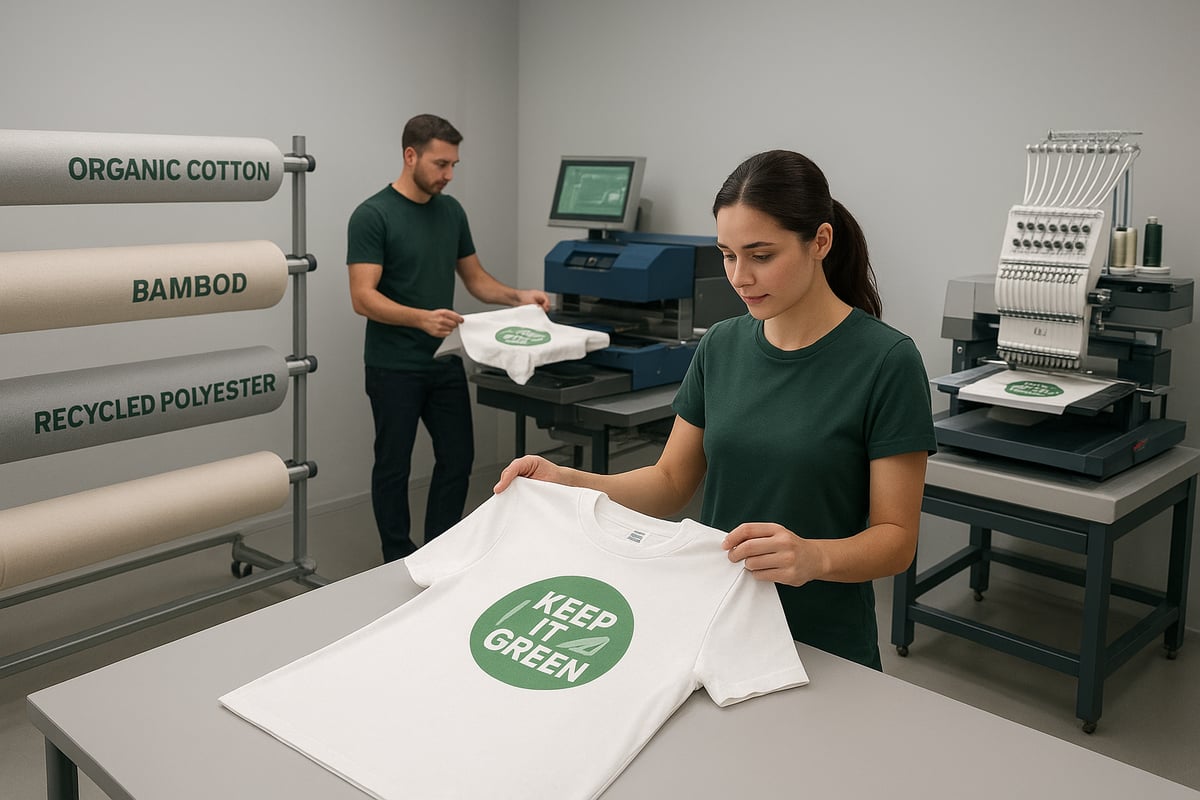
In 2026, fabric choice for tee printed garments is more diverse than ever. Organic cotton, bamboo, recycled polyester, and performance blends are now mainstream, offering comfort and sustainability. Traditional cotton remains popular, but recycled PET and modal are gaining traction for their eco-friendly profiles and softness.
| Fabric Type | Comfort | Durability | Sustainability | Cost |
|---|---|---|---|---|
| Organic Cotton | High | High | Excellent | Medium |
| Recycled PET | Medium | High | Very Good | Low |
| Bamboo | High | Medium | Excellent | Medium |
| Modal | Very High | Medium | Good | Medium |
With these advancements, every tee printed for daily wear or business reflects improved performance and reduced environmental impact.
The right printing method is vital for tee printed quality and cost. Screen printing remains best for large runs and vibrant colours, providing durability and a classic finish. Direct-to-garment (DTG) printing excels at detailed artwork and small orders, leveraging digital technology for crisp gradients and fast turnaround.
Sublimation and heat transfer methods suit polyester and performance fabrics, ensuring the design bonds deeply with the garment. Embroidery adds a premium touch, ideal for logos or textured designs. For a detailed breakdown of each technology and its suitability, see Custom T-Shirt Printing Explained.
These advanced processes ensure your tee printed item matches both your design vision and practical needs.
Quality is paramount in the tee printed market. Leading brands and printers now adhere to strict standards, using certifications such as OEKO-TEX, GOTS, and Fair Wear Foundation to guarantee safety and ethics.
Key quality checks include:
According to Drapers, 80% of consumers now look for certifications when choosing a tee printed product. These measures help ensure your tees look great and last longer, supporting a more trustworthy industry.
Understanding what drives the cost of a tee printed item is crucial. Factors include fabric quality, printing method, and order size. Bulk orders typically reduce the price per unit, while single or small runs may cost more due to setup and technology.
| Order Size | Screen Printing | DTG Printing | Sublimation |
|---|---|---|---|
| 1–10 | £12.00 | £15.00 | £14.00 |
| 20–50 | £8.00 | £11.00 | £10.00 |
| 100+ | £5.50 | £8.00 | £7.50 |
For example, a 50-unit tee printed order using screen printing often delivers the best value for bold designs, while DTG suits detailed graphics in smaller batches.
Sustainability influences every tee printed decision in 2026. Brands now prioritise reducing waste in both production and shipping, opting for biodegradable packaging and responsible sourcing. Transparency in supply chains is increasingly important, with consumers demanding to know the origins of their garments.
A notable case is brands achieving zero-waste tee printed production by recycling offcuts and using renewable energy. These efforts not only reduce environmental impact but also build trust with customers seeking ethical fashion choices.
Finding the right tee printed design for 2026 means blending creativity, technology, and market trends. Whether you are an individual, business, or designer, inspiration is everywhere, and customisation options are more accessible than ever. Let us explore how to source unique designs, apply trending styles, personalise for any group, and add interactive elements that set your tee printed creations apart.
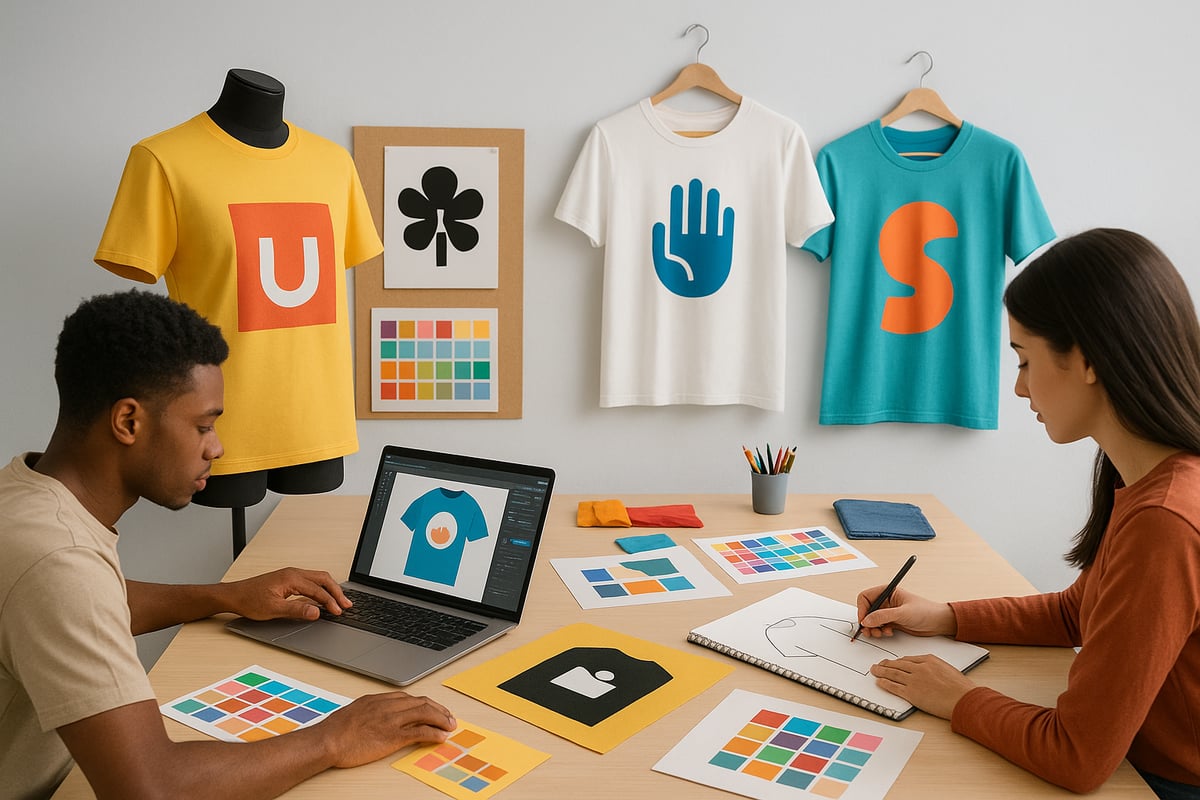
In 2026, sourcing fresh tee printed ideas is a creative journey. Many designers turn to online marketplaces, freelance networks, and in-house teams for inspiration. AI-powered tools now generate custom graphics and mockups in minutes, making it easier than ever to visualise a new tee printed concept.
Viral trends often start with a single tee printed design that resonates culturally. For example, a 2025 campaign featuring hand-drawn illustrations and bold slogans quickly spread across social media, sparking countless reinterpretations. To explore a range of real-world tee printed inspirations, check out Printing Examples and Inspiration for a gallery of recent successes.
When developing your own tee printed designs, consider mood boards, competitor research, and feedback from your target audience. Collaboration between designers and clients produces unique results that truly stand out.
Typography plays a crucial role in tee printed aesthetics. In 2026, expect to see a mix of retro fonts, geometric sans-serifs, and custom lettering. Popular layout strategies include stacked text, curved placements, and asymmetrical arrangements, giving each tee printed piece a dynamic feel.
Colour psychology also shapes tee printed trends. Vibrant neons and gradients are returning, while earthy tones and monochrome palettes remain favourites for minimalist looks. Placement is evolving too, with chest, back, sleeve, and all-over prints allowing for creative expression on every inch of the garment.
Designers often experiment with layering text and graphics for added depth. The flexibility of digital printing means even subtle details and colour fades translate beautifully to the final tee printed product.
Customisation is at the heart of the tee printed revolution. Individuals can now design tees for weddings, birthdays, or charity runs with personalised names, dates, and artwork. For businesses, tee printed uniforms and branded giveaways reinforce identity and foster team spirit.
Sports teams and schools benefit from custom tee printed kits featuring mascots, player names, and numbers. Bulk ordering platforms streamline the process, allowing organisers to select sizes, colours, and print options with ease.
Personalisation does not stop at the design. Many tee printed providers offer eco-friendly fabrics, inclusive sizing, and genderless fits, ensuring everyone can find the perfect tee for their needs.
The interactive tee printed trend is set to surge in 2026. Brands are embedding QR codes and NFC tags in their designs, linking wearers to exclusive digital content or discounts. Augmented reality triggers turn a simple tee printed graphic into an animated experience, ideal for events and marketing.
Limited-edition drops create excitement and urgency. Pre-order campaigns and brand collaborations often see tee printed collections sell out within minutes, especially when backed by influencers or artists. This approach not only boosts exclusivity but also deepens customer loyalty.
By combining technology with creative flair, every tee printed release can offer something truly memorable, whether for a personal milestone or a global campaign.
Selecting the ideal tee printed for 2026 requires a strategic approach. Whether you are designing for yourself, your business, or a special event, this step-by-step guide simplifies the process and ensures you make choices that blend style, quality, and sustainability.
Begin by clarifying why you need a tee printed. Is it for personal expression, a marketing campaign, a team event, or a thoughtful gift? Understanding your intention will help you target the right message and style.
Identify your core audience. Consider age, gender, interests, and values. Are they trend-driven Gen Z, corporate employees, or sports enthusiasts? The global custom t-shirt printing market is projected to grow significantly by 2026, highlighting the importance of purposeful, audience-focused designs. For more insights, see the global custom t-shirt printing market growth.
Match your tee printed fabric to the intended use. For daily wear, organic cotton is soft and breathable. For sports or outdoor events, recycled polyester or bamboo blends offer durability and moisture-wicking.
Fit matters just as much as fabric. Choose from classic, slim, oversized, or unisex cuts, depending on your audience's preferences. Take time to check size charts and fabric feel, ensuring comfort and confidence for every wearer.
Evaluate which printing method suits your tee printed project best. Screen printing excels with large orders and bold colours. Direct-to-garment (DTG) is ideal for intricate artwork and smaller batches.
Sublimation works well for polyester tees, especially for all-over prints, while embroidery adds texture and a premium finish. Factor in your artwork complexity, order size, and budget before deciding.
| Printing Method | Best For | Pros | Cons |
|---|---|---|---|
| Screen | Bulk orders | Vibrant, durable | Setup cost, less detail |
| DTG | Small batches | Detailed, fast | Limited on dark tees |
| Sublimation | Sportswear | All-over prints | Polyester only |
| Embroidery | Premium branding | Textured, long-lasting | Higher cost |
Use online design tools, hire a freelance designer, or tap into in-house creative resources to develop your tee printed artwork. AI-powered platforms can generate unique graphics and mockups quickly.
Stay updated with current and upcoming trends to ensure your design stands out. For inspiration, explore 2026 print-on-demand design trends and see what styles are resonating with your target market.
Always verify the quality and eco-credentials of your chosen tee printed supplier. Look for certifications such as OEKO-TEX, GOTS, or Fair Wear, which guarantee safe materials and ethical production.
Inquire about ink types—water-based and eco-friendly options are increasingly popular for 2026. Transparency in sourcing and production helps build trust with both businesses and individual consumers.
Once you have finalised your design, confirm quantities, sizes, and delivery timelines. Request digital proofs or physical samples to check accuracy before full production.
Review every detail, from colour accuracy to placement. This step is crucial for avoiding costly errors and ensuring your tee printed order matches your vision perfectly.
Proper care extends the life of your tee printed. Wash inside out with mild detergent and cold water. Avoid high heat when drying, and iron on the reverse if needed.
Store tees folded in a cool, dry place to preserve both fabric and print. Following these tips keeps your tee printed vibrant and comfortable for years.
Consider an event organiser ordering bulk tee printed items for a charity run. Their checklist includes confirming artwork resolution, double-checking sizes, and allowing lead time for delivery.
Common mistakes to avoid:
By following these steps, you can confidently select the perfect tee printed for any occasion in 2026, combining creativity, quality, and sustainability.
The tee printed landscape is rapidly evolving, offering brands, creators, and consumers immense opportunities. Maximising the impact of your tee printed campaigns requires a strategic approach. Whether you are launching a brand or elevating your business, focus on storytelling through unique designs. Limited edition tee printed releases and influencer partnerships can drive hype and foster customer loyalty. Consider using personalised printed apparel for memorable branding, as explored in Personalised T-Shirts and Hoodies for Brands. Remember, the tee printed market thrives on creativity, exclusivity, and the ability to connect emotionally with your audience.
Using tee printed items as marketing tools can set your brand apart. Focus on these strategies:
A tee printed campaign can serve as both a wearable advertisement and a collector's item, increasing brand visibility and customer attachment. By leveraging these tactics, businesses and creators can ensure their tee printed efforts resonate and achieve measurable results.
To succeed in the tee printed market, it is crucial to monitor current and emerging trends. Follow fashion weeks, stay active on social media, and analyse pop culture shifts. Early adoption of new materials and printing technologies positions your brand as an innovator. Embrace the resurgence of retro graphics or experiment with cutting-edge tech integrations. Remaining agile and responsive to consumer preferences ensures your tee printed offerings remain relevant and desirable.
Customisation is a defining feature of the tee printed sector in 2026. Small businesses and schools can benefit from bulk printing for events, uniforms, or promotional campaigns. Efficient inventory management is key:
Custom tee printed solutions can foster community spirit and brand loyalty, ensuring that each order meets the unique needs of the group or organisation.
The future of tee printed apparel is inseparable from sustainability. Brands are embracing circular fashion through take-back schemes, upcycling initiatives, and eco-friendly materials. Predictions suggest that biodegradable tees and closed-loop printing systems will become mainstream. Adopting these practices not only reduces environmental impact but also appeals to conscious consumers. Transparency in sourcing and ethical production is now a standard expectation for any tee printed business.
Technological innovation is transforming the tee printed industry. AI-driven design tools streamline the creative process, offering rapid prototyping and endless customisation options. Blockchain technology is being utilised to ensure transparency across the supply chain, giving customers confidence in the origins of their tee printed products. For insight into upcoming advancements, the T-shirt printing machines market forecast provides valuable data on new machinery and techniques set to shape 2026.
Tee printed trends differ across regions. In the UK, there is a strong focus on ethical manufacturing and supporting local printers. Globally, digitalisation and scalable production methods are dominating. The table below summarises key differences:
| Aspect | UK Market Focus | Global Market Focus |
|---|---|---|
| Sourcing | Local, ethical | Cost-effective, scalable |
| Tech Adoption | Gradual, quality-driven | Rapid, mass-market |
| Trend Influence | British pop culture | International media |
| Sustainability | High priority | Growing emphasis |
Supporting local tee printed suppliers ensures quality and ethical standards, while keeping an eye on global innovations allows brands to stay competitive.
To keep your tee printed strategy on the cutting edge, explore the latest industry reports, design inspiration platforms, and sustainability resources. Utilise online design tools and print-on-demand services for flexibility. For businesses, staying informed and adaptable is the key to thriving in the evolving tee printed landscape. As 2026 approaches, those who embrace innovation, ethics, and creativity will lead the way in tee printed apparel.

OK T-Shirt
126 Beeches Rd
Birmingham
B42 2HQ
