Cheap Printed T-Shirts UK: Quality & Value Guide 2026
Discover how to source cheap printed t-shirts UK without compromising…
Vintage custom shirts are making a bold comeback in 2026, capturing the imagination of fashion enthusiasts and trendsetters alike. Their resurgence is fuelled by a unique blend of nostalgia, individuality, and cultural relevance.
This guide will help you navigate the world of vintage custom shirts, offering expert advice on styling, customisation, and understanding the latest trends. Discover how these shirts combine timeless heritage with modern personalisation, making them a must-have for every style-conscious wardrobe.
Ready to explore the evolution, key trends, and sustainable choices? Dive in to transform your look and express your individuality with vintage custom shirts.
The story of vintage custom shirts is one of constant reinvention. As we move into 2026, these shirts are more than nostalgic throwbacks—they are icons that blend history, personal identity, and evolving trends. Let us explore how the definition, influences, and popularity of vintage custom shirts have shifted in today’s fashion landscape.
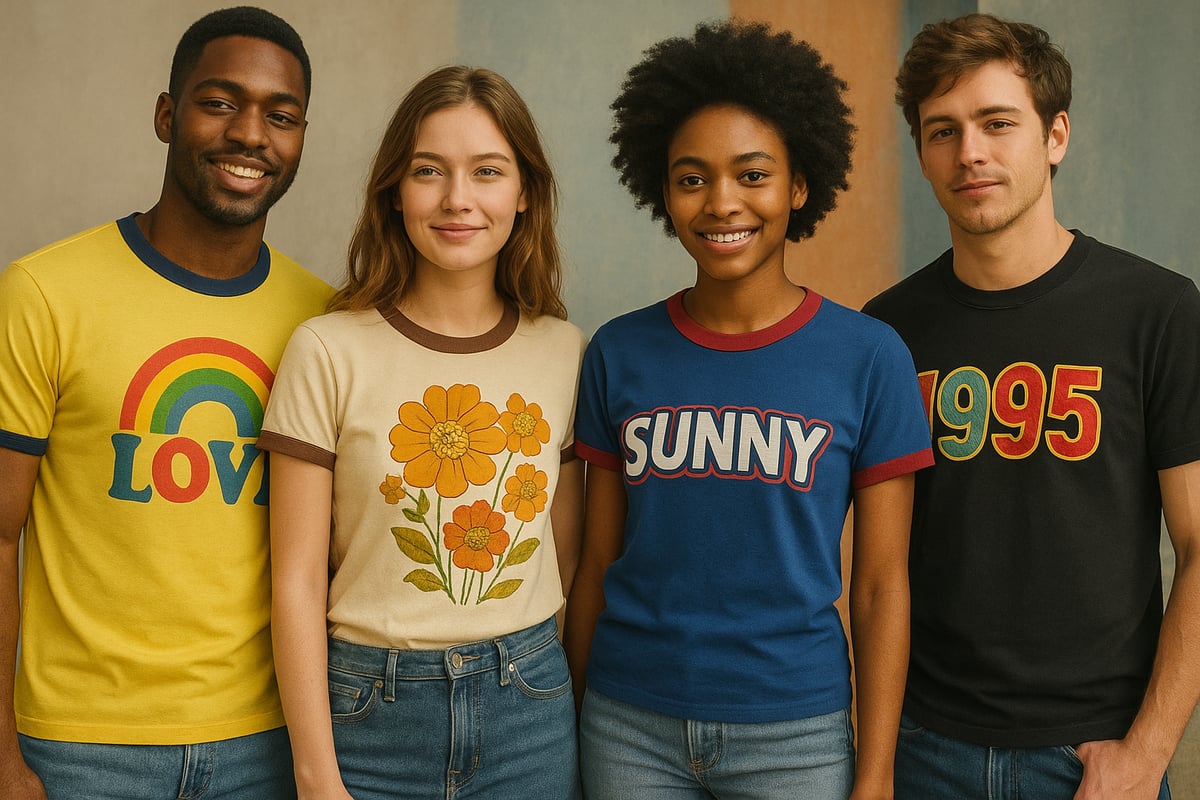
In 2026, the meaning of “vintage” has expanded beyond classic 70s and 80s pieces. Now, Y2K and early 2000s styles are firmly part of the vintage conversation. This shift reflects how each generation redefines vintage custom shirts based on their own nostalgic touchpoints.
The difference between retro, vintage, and thrift is more pronounced. Retro refers to new items inspired by past designs, while vintage means authentic garments from previous decades. Thrift covers any pre-loved clothing, regardless of age. Today’s vintage custom shirts might include iconic band tees from the 2000s or pioneering streetwear labels.
Nostalgia and pop culture revivals are driving this change. TV reboots, music comebacks, and viral trends have made what was once recent history into coveted vintage. For many, wearing vintage custom shirts is a way to reclaim and celebrate the styles that shaped their youth.
Modern vintage custom shirts draw heavily from the aesthetics of the 70s, 80s, 90s, and early 2000s. Each era brings its own patterns, logos, and graphic styles back into the limelight. Ringer tees, bold graphic prints, and oversized logos are making noticeable returns in 2026.
Music, film, and sports culture have always played a significant role. For example, the resurgence of classic band tees and sports motifs echoes the powerful influence of these cultural touchstones. Recent data from fashion resale platforms shows a marked increase in demand for these retro designs, further fuelling their popularity.
The cyclical nature of fashion ensures that these historical influences are constantly reinterpreted. As a result, vintage custom shirts serve as both a tribute to the past and a canvas for modern expression, keeping their appeal alive across generations.
Customisation has transformed vintage custom shirts from mass-produced relics into unique, personal statements. The trend now favours individuality, with custom printing, embroidery, and even hand-painted details allowing wearers to stand out.
Advancements in technology, such as direct-to-garment (DTG) printing and modern embroidery machines, have made personalisation more accessible than ever. Personalised band tees, stitched slogans, and bespoke graphics are now commonplace. According to industry reports, custom fashion is experiencing significant growth as consumers seek to express their identity.
For a deeper look at how personalisation is shaping current trends, explore Personalising T-Shirts for Fashion. These innovations ensure every vintage custom shirt can tell its own unique story.
The surge in popularity of vintage custom shirts in 2026 is rooted in a powerful mix of sustainability, nostalgia, and personal branding. Fashion-conscious individuals are increasingly drawn to the eco-friendly nature of upcycled garments, as well as the emotional resonance of nostalgic designs.
Social media amplifies the demand for unique, one-of-a-kind looks, with influencers and celebrities regularly showcasing customised vintage apparel. Google Trends and resale platforms report rising searches and sales for “custom vintage shirts,” highlighting their growing appeal.
The emotional value of vintage custom shirts extends beyond aesthetics. These pieces often carry stories, memories, and a sense of individuality that mass-produced fashion cannot match. As a result, they have become a must-have for anyone seeking style with substance and meaning.
Vintage custom shirts are making a powerful statement in 2026, blending nostalgic charm with modern flair. This year’s trends reflect a renewed appreciation for individuality, comfort, and inclusivity. Whether you are a seasoned collector or just starting your journey, understanding these trends will help you curate a wardrobe that is both timeless and on-point.
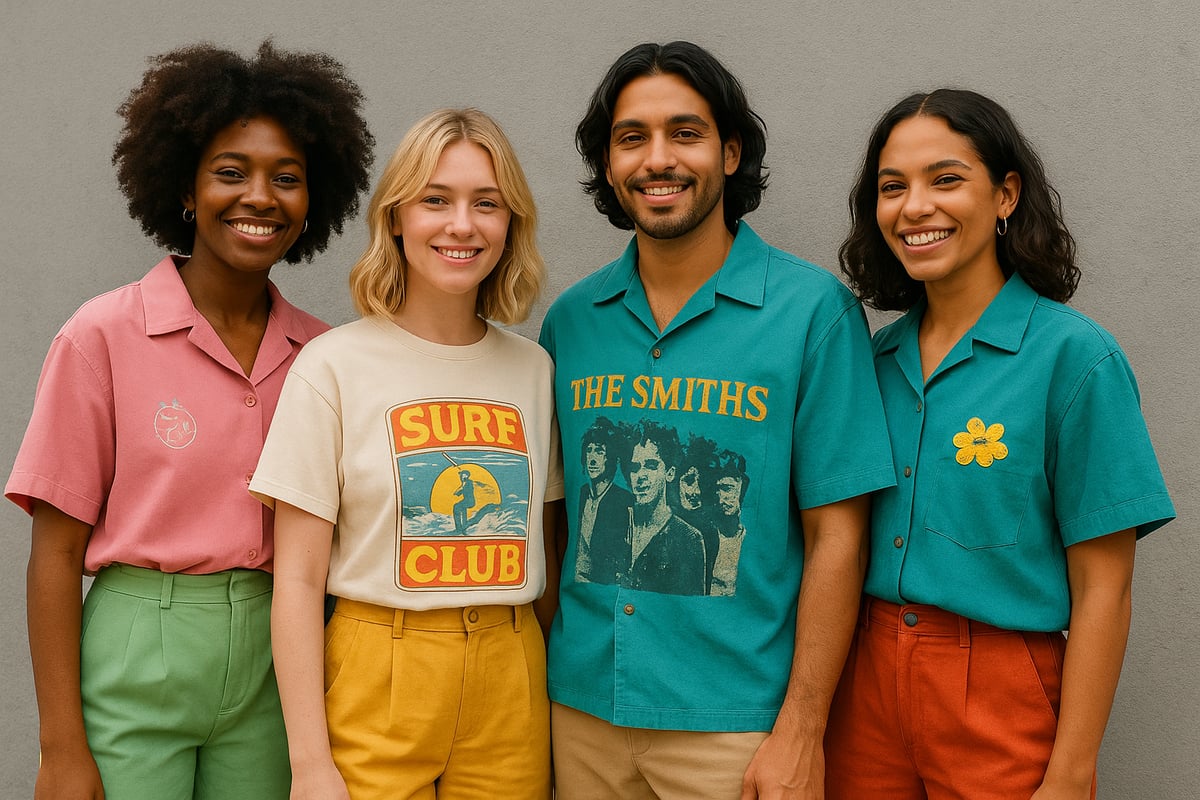
In 2026, vintage custom shirts are defined by their diversity in fit and form. Boxy and oversized fits dominate the market, offering both comfort and a nod to the relaxed styles of the 1990s. Cropped and fitted shirts are also seeing a significant revival, especially those inspired by 1980s ringer tees.
Unisex and gender-fluid designs have become mainstream, ensuring that vintage custom shirts are accessible and flattering for everyone. The popularity of baggy 90s tees and cropped vintage cuts is notable, with sales in oversized shirt categories showing steady growth. These trends make it easy to find a style that suits your taste and body type, while keeping your look fresh and relevant.
Bold graphics are at the heart of vintage custom shirts this year. Expect to see retro logos, iconic band art, sports motifs, and distressed effects that evoke authenticity and nostalgia. Colour palettes range from saturated brights to faded pastels, allowing for both statement-making and subtle looks.
Fabrics are evolving as well. Organic cotton, recycled blends, and heavyweight jerseys are highly sought after for their sustainability and comfort. Tie-dye and acid wash techniques are making a comeback, adding depth and texture to classic designs. The demand for eco-friendly materials is at an all-time high, reflecting a shift in consumer values towards responsible fashion.
Personalisation is central to the appeal of vintage custom shirts in 2026. Direct-to-garment (DTG) printing allows for intricate, full-colour designs that stand out, while embroidery provides a textured, premium finish. Patchwork, appliqué, and hand-painted details further elevate each piece, transforming a simple shirt into wearable art.
For those considering their own customisation journey, understanding the strengths of each method is crucial. If you are deciding between printing and embroidery, resources like DTG vs Embroidery for Custom Shirts offer valuable insights. Customisation is now a major driver for purchases, with consumer surveys confirming its impact on buying decisions.
Inclusivity is reshaping the vintage custom shirts market. Brands are expanding their size ranges and offering unisex graphics, ensuring everyone can enjoy the vintage aesthetic. Universal fits and neutral colour palettes are now standard, with many designers prioritising non-binary and extended sizing.
Industry reports highlight the growing demand for inclusive fashion, and brands are responding with innovative solutions. Whether you are searching for a shirt that fits perfectly or a design that reflects your identity, the 2026 market is more welcoming and diverse than ever. This shift not only broadens the appeal of vintage custom shirts but also sets a new standard for the industry.
Styling vintage custom shirts in 2026 is all about expressing individuality while embracing both comfort and creativity. Whether you are dressing for a relaxed afternoon or a standout evening event, these shirts offer limitless possibilities for personal expression. The following guide explores versatile styling strategies, helping you make the most of this enduring trend in every season and setting.
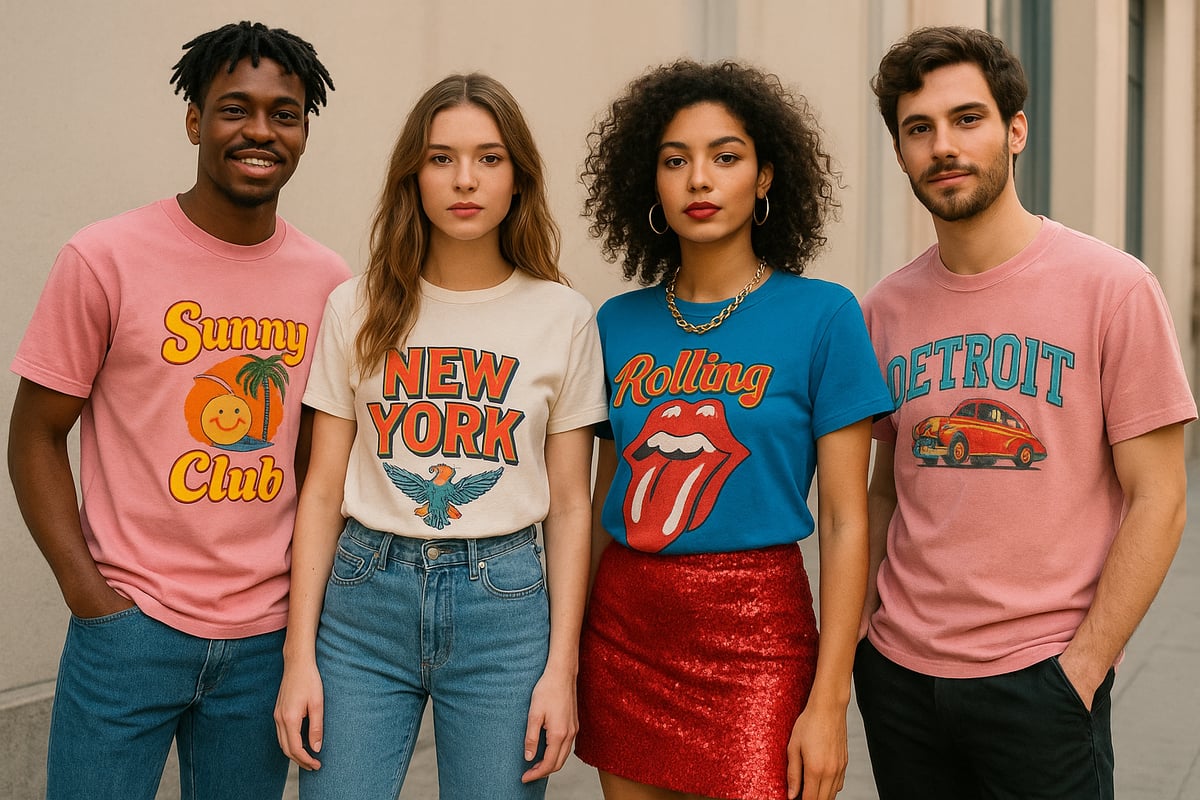
Elevate your daily wardrobe by pairing vintage custom shirts with classic pieces. For a laid-back look, combine your shirt with relaxed-fit jeans or chinos and trainers. To achieve a smart-casual style, tuck an oversized tee into high-waisted trousers or a midi skirt, and add a blazer or structured cardigan for polish.
Layering plays a key role in modern styling. Try a denim jacket or a lightweight jumper over your shirt for added depth. When working with bold graphics, balance the outfit using neutral basics so the shirt remains the centrepiece. Vintage custom shirts make it easy to blend comfort with a sharp, current aesthetic.
For occasions that call for a unique flair, vintage custom shirts become the ultimate statement piece. Choose shirts with striking graphics or distinctive embroidery, and style them with bold accessories such as wide-brimmed hats, chunky jewellery, or statement belts for extra impact.
Mixing textures is highly effective for festival and evening looks. Pair your shirt with leather trousers, silk skirts, or layer over a mesh top for added dimension. Consider wearing your vintage custom shirts under dungarees or over a fitted dress for a playful twist. This approach ensures you stand out while maintaining a cohesive, intentional style.
Adapting your vintage custom shirts to the changing seasons keeps your wardrobe fresh all year. In summer, opt for lightweight shirts paired with shorts, airy skirts, or worn open over a vest. For winter, layer your shirt under a chunky knit or over a long-sleeve thermal, and style as a shirt-jacket for warmth.
Fabric choice is crucial for comfort and durability in every season. If you are curious about how different materials impact wearability, the Science of Fabric for Custom Apparel offers valuable insights. Rotate your vintage custom shirts throughout the year by layering and careful fabric selection.
Accessories are key to making vintage custom shirts uniquely yours. Enhance your outfit with pins, patches, or custom badges on the shirt itself. For a cohesive look, coordinate with personalised tote bags, hats, or even custom trainers that reflect your personal style.
Mix old and new accessories for added interest. Vintage watches, retro sunglasses, and modern jewellery all complement these shirts beautifully. The flexibility of vintage custom shirts means you can experiment with different accessories to let your personality shine through every outfit.
While vintage custom shirts are versatile, a few practical tips ensure your outfits always look intentional. Avoid over-layering or clashing bold prints, which can overwhelm your look. Instead, aim for a balanced silhouette, especially when wearing oversized shirts.
Not every style suits every body type, so consider tailoring or choosing the right fit for your shape. Decide when to tuck your shirt for a structured appearance or leave it untucked for a relaxed vibe. Above all, focus on authenticity—keep your styling modern and true to yourself, rather than mimicking a costume.
Reviving your wardrobe with vintage custom shirts is both rewarding and creative. Whether you are aiming for a one-of-a-kind look or upcycling for sustainability, following a clear process ensures your custom piece stands out and lasts.
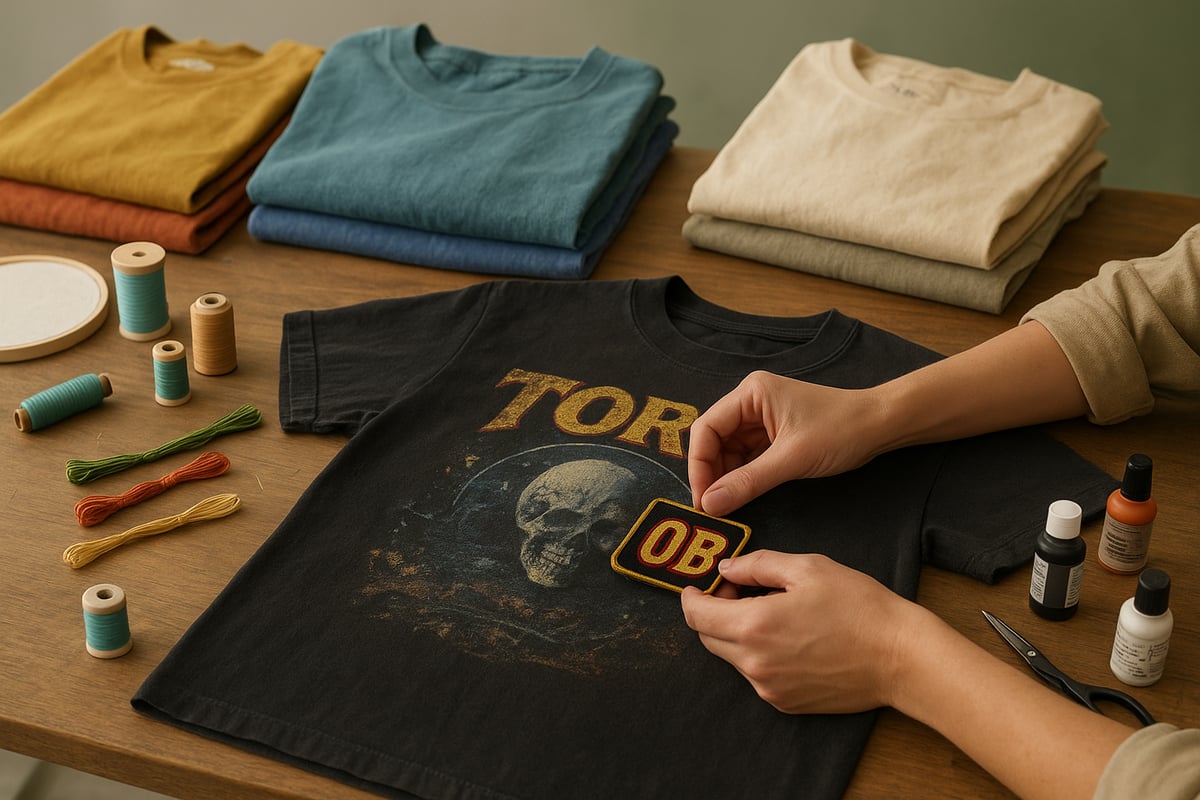
Finding the right base shirt is the foundation of every successful vintage custom shirts project. Search local thrift shops, online marketplaces, and vintage fairs for unique pieces. Prioritise shirts made from 100 percent cotton, as these offer durability and are ideal for customisation.
Examine fabric quality, stitching, and labels for authenticity. Avoid items with excessive wear, deep stains, or synthetic blends that may not hold customisation well. Sourcing sustainably is vital, as upcycling old garments helps reduce textile waste and supports the Textile recycling movement.
Look for shirts with distinctive features, such as retro prints or rare tags, to give your vintage custom shirts an authentic edge. With careful selection, you lay the groundwork for a standout piece.
Selecting the best customisation method depends on your vision and the shirt’s material. For vintage custom shirts, options include screen printing for bold graphics, direct-to-garment (DTG) printing for detailed designs, and embroidery for textured finishes.
Here’s a quick comparison table:
| Technique | Best For | Pros | Cons |
|---|---|---|---|
| Screen Print | Simple, bold graphics | Durable, classic look | Less detail possible |
| DTG Print | Intricate, colourful | High detail, vibrant colours | May fade over time |
| Embroidery | Text, logos, patches | Premium feel, long-lasting | Higher cost |
| Appliqué | Mixed media, patches | Artistic, unique textures | Time-consuming |
Consider professional services for complex work, but DIY methods are perfect for experimenting with vintage custom shirts at home.
The design stage is where vintage custom shirts truly become personal. Start by brainstorming ideas: do you want bold graphics, retro slogans, or subtle embroidery? Use design software or online customisers to create digital mock-ups before applying your design.
Keep your aesthetic era-appropriate for authenticity. For example, recreate Y2K band art with a modern colour palette or add a retro logo inspired by 90s streetwear. Always think about placement, as off-centre prints or sleeve embellishments can add a unique twist.
Choose colours that complement the original shirt and reflect your personality. A thoughtful approach ensures your vintage custom shirts are both stylish and timeless.
When customising vintage custom shirts, you can take the DIY route or enlist professional help. DIY customisation involves prepping the shirt, applying your design, and finishing with care. Essential tools include fabric paints, embroidery hoops, and transfer paper.
For more intricate designs, professional services such as local print shops or online custom shirt platforms may be ideal. These services offer advanced techniques and ensure a polished result. Weigh the cost and turnaround time, as DIY can be more affordable but may require practice.
No matter your approach, the goal is to create vintage custom shirts that reflect your individuality and stand the test of time.
Proper care extends the life of your vintage custom shirts. Always wash them inside out with gentle detergent and cold water to preserve prints and embroidery. Avoid tumble drying, as air-drying helps prevent shrinkage and fading.
Store shirts folded in a cool, dry space to maintain shape and colour. If damage occurs, patch small holes or re-stitch loose threads promptly. For persistent stains, spot-treat with mild solutions to avoid harming custom artwork.
With attentive care, your vintage custom shirts will remain vibrant and wearable for years, continuing to tell your unique style story.
Choosing the right vintage custom shirts involves more than just finding a bold print or unique graphic. Fabric, fit, and craftsmanship all play a vital role in comfort, style, and longevity. Here’s how to assess these essentials for your next wardrobe staple.
Fabric choice greatly affects the feel and appearance of vintage custom shirts. Cotton is prized for its breathability and softness, making it a classic for everyday wear. Polyester and blends offer durability but may lack the authentic vintage feel. Heavyweight cotton is often preferred, as it holds shape and displays prints or embroidery crisply.
Natural fibres are increasingly sought after for comfort and sustainability. Many consumers now consider the environmental sustainability of vintage fashion when selecting shirts. Look for minimal pilling, intact fibres, and a comfortable hand-feel to ensure your vintage custom shirts stand the test of time.
Sizing for vintage custom shirts can be unpredictable, as older shirts often run smaller than modern equivalents. Always check measurements—especially pit-to-pit width and length—before purchasing. Consider how the shirt will drape: oversized fits create a relaxed silhouette, while tailored or boxy cuts can accentuate your shape.
Inclusive sizing is a welcome trend in 2026, with more unisex and extended size options available. If shopping online, compare the seller’s sizing chart to your own measurements. This approach ensures vintage custom shirts fit comfortably, regardless of body type, and helps you avoid common sizing pitfalls.
Quality in vintage custom shirts is often revealed by the details. Examine stitching: strong, even seams and double-stitched hems suggest durability. Authentic tags and original branding can indicate genuine vintage pieces. Inspect graphics for crispness and vibrancy, as faded or peeling prints may signal lower quality or excessive wear.
Be wary of loose threads, uneven embroidery, or stretched collars. These are red flags, especially if investing in a higher-priced item. Trusted sellers will often provide close-up photos of labels and stitching, making it easier to judge the craftsmanship of vintage custom shirts before buying.
Prices for vintage custom shirts can vary widely. Factors like rarity, brand reputation, condition, and customisation all influence value. On average, expect to pay more for limited editions, artist collaborations, or shirts in pristine condition.
Here is a quick comparison:
| Factor | Impact on Price |
|---|---|
| Brand | High |
| Shirt Condition | Medium to High |
| Customisation | Medium |
| Rarity | High |
When shopping, balance your budget with your style goals. Sometimes, paying a premium for expertly customised vintage custom shirts is worth the investment, especially for unique or collectable pieces.
The conversation around sustainability in fashion has never been more urgent. With textile waste and fast fashion's impact under scrutiny, vintage custom shirts offer a meaningful solution. By embracing pre-loved garments, you help reduce landfill waste, save resources, and promote a circular economy. According to Environmental impact of fashion, choosing vintage and upcycled options dramatically lowers water and energy consumption. This shift not only benefits the planet but also inspires a more thoughtful approach to personal style.
Opting for vintage custom shirts significantly reduces your environmental footprint. Each reused shirt means less demand for new textile production, which is one of the most resource-intensive industries. The process saves water, energy, and minimises chemical use compared to manufacturing new garments. Embracing circular fashion, where clothing is reused or repurposed, plays a vital role in tackling textile waste. For anyone aiming to build a more eco-friendly wardrobe, vintage custom shirts are a practical and stylish choice.
Beyond environmental impact, ethical sourcing is crucial when shopping for vintage custom shirts. Not all vintage supply chains are transparent, so it is important to research sellers who prioritise fair labour and safe working conditions. Look for reputable shops, ethical certifications, and clear information about where and how shirts are sourced. Supporting businesses that value workers' rights ensures that your fashion choices align with your values. Conscious consumerism strengthens demand for higher standards across the industry.
Upcycling transforms existing shirts into unique vintage custom shirts, breathing new life into forgotten garments. Techniques such as patchwork, dyeing, and embellishing encourage creativity while reducing waste. Local artists and small businesses often lead the way in upcycling, hosting workshops and community events for hands-on learning. Exploring Zero-waste fashion principles can further inspire inventive designs and mindful consumption. Each upcycled piece tells a story, making your wardrobe both personal and planet-friendly.
To make your commitment to sustainability count, choose brands and artisans who share your values. Many producers of vintage custom shirts use organic fabrics, eco-friendly inks, and non-toxic dyes. Supporting local makers reduces shipping emissions and strengthens community economies. For those seeking guidance, read about Sustainable Custom T-Shirt Printing to discover responsible practices in the UK market. By making informed choices, you help shape a more ethical and sustainable fashion landscape for the future.
Discovering the perfect vintage custom shirts in 2026 is a rewarding experience if you know where to look. From online marketplaces to local boutiques, the options for securing unique pieces have never been more diverse. Let us explore the best places and strategies to find, buy, and even customise your next wardrobe staple.
Shopping for vintage custom shirts online offers unparalleled convenience and variety. Top platforms like Etsy, Depop, and specialist vintage shops provide access to global sellers and a vast range of styles. Many shops offer customisation services, letting you personalise your shirt with embroidery, patches, or unique graphics.
When browsing, look for verified sellers, detailed product descriptions, and clear return policies. Custom-made vintage custom shirts are often available as made-to-order, ensuring you get a one-of-a-kind piece. According to industry data, online sales of vintage apparel continue to grow, with consumers increasingly seeking sustainable and distinctive options.
For a safe shopping experience, always review seller ratings, check for authentic tags in photos, and use secure payment methods. Online platforms make it easy to compare prices and styles, helping you find the best fit for your needs.
Exploring local shops is a fantastic way to find vintage custom shirts with character and authenticity. Thrift stores, independent boutiques, and vintage fairs across major UK cities offer unique selections you can see, touch, and try on before buying.
Shopping in person allows you to assess fabric quality and fit directly. Look for community-driven vintage markets, where sellers are passionate about curation and often share the stories behind each piece. Popular events in London, Manchester, and Glasgow regularly feature vintage custom shirts with rare prints and custom details.
Do not hesitate to negotiate prices, especially at fairs or pop-up events. Building relationships with local sellers can also lead to early access to new arrivals or exclusive pieces. In-person shopping makes the hunt for vintage custom shirts a memorable experience.
In 2026, collaborations between artists, brands, and vintage curators are shaping the vintage custom shirts market. Limited-edition collections and exclusive releases are highly sought after, often selling out quickly and increasing in resale value.
Local artists frequently produce one-off vintage custom shirts, blending heritage fabrics with contemporary designs. To stay updated on the latest drops, follow your favourite brands and creators on social media or sign up for their newsletters. Many shops announce upcoming collaborations or limited runs through online channels.
The exclusivity of these shirts not only boosts their appeal but also adds to their investment potential. Collectors and enthusiasts often track these releases, making them a dynamic part of the vintage custom shirts landscape.
Whether you want to add a personal touch or transform a basic shirt, customisation services are widely available. Many vintage shops offer in-store or online customisation, allowing you to choose embroidery, screen printing, or patchwork for your vintage custom shirts.
DIY workshops and community events are popular for those interested in learning customisation skills. Alternatively, professional print shops provide same-day services for intricate designs. When deciding between DIY and professional options, consider the complexity of your desired customisation and your comfort with the process.
Quality matters, so always check the materials and craftsmanship before committing. With a little creativity and the right service, you can make your vintage custom shirts truly your own.

OK T-Shirt
126 Beeches Rd
Birmingham
B42 2HQ
