Cheap Printed T-Shirts UK: Quality & Value Guide 2026
Discover how to source cheap printed t-shirts UK without compromising…
Ever dreamt of transforming your creativity into wearable art? In 2025, the custom t-shirt market is booming, offering more opportunities than ever for creators. The global custom apparel sector is set to reach £8.2 billion, with a 9% annual growth rate, making this the perfect time to get involved.
This definitive guide is designed to help you at every stage of your journey. Whether you are just starting out or expanding an established brand, we make tshirts a pathway to success. Discover the latest design trends, advanced printing methods, ethical sourcing, branding, marketing, and practical strategies for scaling your business.
Get inspired by real creator success stories and actionable steps. Let’s unlock your potential and turn your ideas into best-selling t-shirts.
The landscape for creators who say “we make tshirts” has never been more dynamic. As we enter 2025, the custom t-shirt industry is set for remarkable growth, driven by shifting consumer values and rapid technological innovation.

The phrase “we make tshirts” is becoming a rallying cry for a new generation of creators. In 2025, the global custom apparel market is projected to reach £8.2 billion, with the UK playing a significant role. Statista forecasts a 9% CAGR for custom apparel, reflecting the sector’s rapid expansion.
Key trends include eco-friendly materials, on-demand printing, and hyper-personalisation. Consumers now favour sustainable fabrics and unique designs that reflect their identities. The surge in micro-labels and creator brands is testament to this shift. To understand why this market is thriving, see Why custom t-shirts matter.
Success in 2025 often begins with a clear focus. Creators who adopt the “we make tshirts” approach are tapping into profitable niches such as fandoms, local pride, activism, and event-based collections.
Demographic insights reveal that Gen Z and Millennials are driving demand for exclusive, meaningful designs. Case studies show that brands catering to niche communities—like local sports clubs or activist groups—often achieve higher engagement and loyalty. Identifying your target audience and niche can be the difference between blending in and standing out.
To thrive in the “we make tshirts” space, creators need more than just artistic flair. Key skills include design thinking, branding fundamentals, and a strong entrepreneurial mindset. The ability to adapt quickly is vital, given the fast-evolving nature of fashion and technology.
Creators often share that resilience and openness to feedback are essential. As one successful founder notes, “Embracing mistakes and learning from each launch helped me grow faster than any course.” Developing these skills will help you navigate the inevitable ups and downs of the t-shirt business.
Technology is transforming how we make tshirts. AI-powered design tools, print-on-demand platforms, and advanced e-commerce solutions have levelled the playing field for independent creators. Platforms like TikTok, Instagram, and YouTube enable creators to reach massive audiences with minimal investment.
Viral t-shirt campaigns have shown that a single trending video can result in thousands of sales. The right blend of technology and social media can turn a small t-shirt idea into a national sensation. Staying current with digital trends will be crucial for ongoing success.
While opportunity abounds, new “we make tshirts” ventures face common challenges. Overproduction, copyright issues, and underestimating the power of marketing can all derail a promising brand. Recent industry surveys show that 35% of new t-shirt brands fail due to lack of differentiation.
To avoid these pitfalls:
By learning from others’ mistakes and staying agile, you can set your t-shirt venture on a path to lasting success.
Starting your journey with we make tshirts means transforming creative ideas into tangible products. This step-by-step guide will walk you through every critical stage, helping you move from inspiration to a finished t-shirt ready for sale. Each section below covers a core part of the process, ensuring you have a clear roadmap for launching your own successful t-shirt brand.
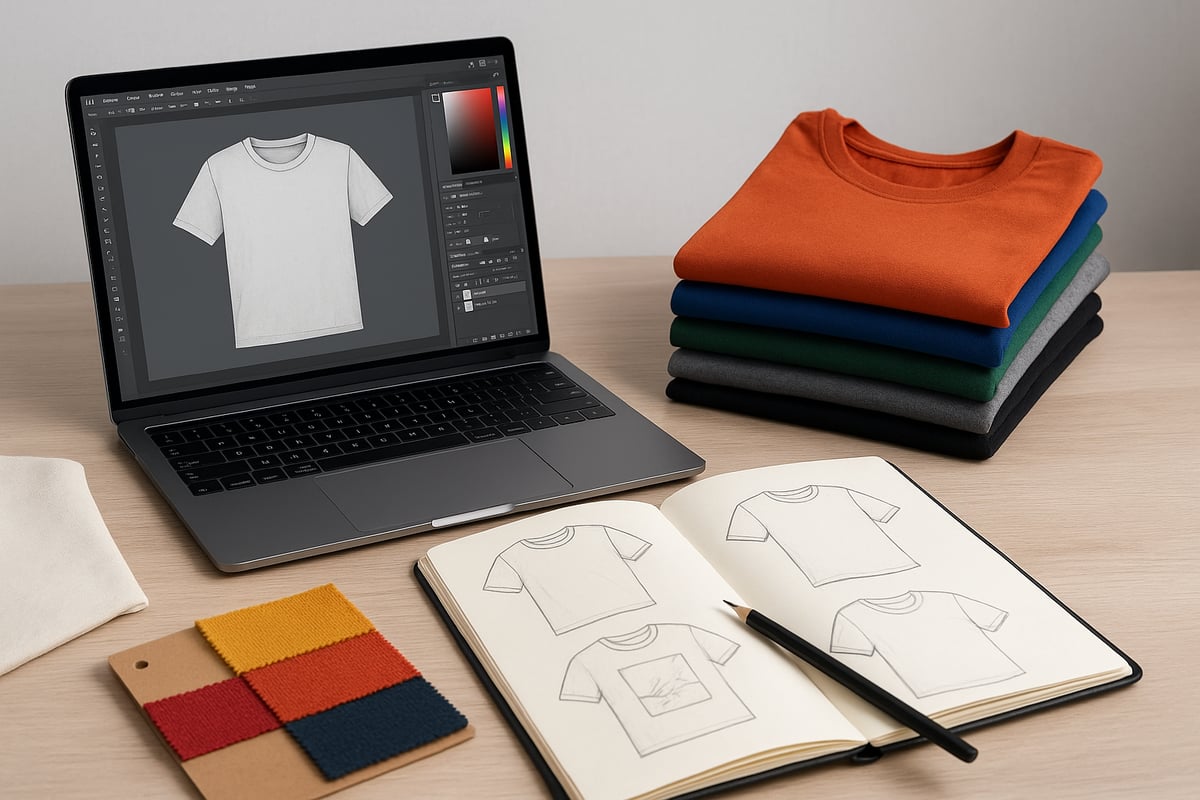
Every successful we make tshirts project begins with a spark of originality. Start by brainstorming ideas that reflect your personality or speak to a community. Try mind-mapping, mood boards, or even AI-powered trend analysis tools for inspiration.
Consider the balance between tapping into current trends and designing timeless pieces. For example, a meme-inspired design can go viral overnight, as seen with creators who turned internet jokes into bestsellers. However, classic designs featuring local pride or positive messages often have lasting appeal.
Ask yourself: What story does your t-shirt tell? Who will wear it, and why? Focusing on authenticity will help your brand stand out in a crowded market.
When we make tshirts, professional design tools are essential. Adobe Illustrator and Procreate remain industry favourites for vector and digital artwork, while Canva is ideal for beginners seeking templates and easy editing.
For print-ready files, ensure your artwork is at least 300 DPI, uses the correct colour space (CMYK for printing), and is saved in a scalable format such as PNG or SVG. AI-powered design tools in 2025 make it easier to generate variations, test colourways, and preview mock-ups.
Remember, simplicity often leads to the strongest designs. Avoid overcrowding your t-shirt and always double-check for spelling or alignment errors before sending your file to print.
We make tshirts decisions go beyond design; material choice shapes the final product. Cotton remains popular for comfort, but recycled blends and performance fabrics are gaining traction for their eco-friendly qualities.
Seek UK suppliers who offer certified sustainable options and clear information on minimum order quantities. Look for GOTS or Fairtrade certifications for added credibility. Many suppliers now let you order sample packs, making it easier to compare feel, fit, and durability before committing.
Always match your fabric choice to your intended audience, whether premium organic cotton for a luxury line or breathable blends for active lifestyles.
Selecting the right printing technique is vital when we make tshirts. The main methods are screen printing, direct-to-garment (DTG), sublimation, and embroidery. Each has its strengths and trade-offs, as shown below:
| Printing Method | Cost (per unit) | Durability | Best For |
|---|---|---|---|
| Screen Printing | Low (bulk) | High | Large runs, bold art |
| DTG | Medium | Good | Small runs, full-colour |
| Sublimation | Medium | Excellent | All-over prints |
| Embroidery | High | Excellent | Premium, textured look |
DTG now accounts for 27% of custom t-shirt production, reflecting its popularity for on-demand, colourful designs. Learn more in this Guide to t-shirt printing technology for a deeper breakdown of each method.
To ensure quality, we make tshirts creators must choose reliable print partners. Start by researching UK-based manufacturers with strong reviews and transparent pricing. Always request samples before placing larger orders.
Ask key questions: What is the turnaround time? Are there hidden fees? What are the minimums for custom orders? Understanding UK manufacturing timelines and typical costs will help you plan launches and avoid delays.
Building a good relationship with your supplier pays off in the long run, especially when scaling up or handling custom requests for special events.
A flawless finish is critical for we make tshirts brands. Use an inspection checklist to review print quality, garment stitching, and sizing consistency. Double-check colours and placements before packaging.
Enhance your brand with thoughtful packing, custom labels, and branded tissue paper. The unboxing experience matters; it can turn a first-time buyer into a repeat customer.
Consider adding a handwritten thank you note or a discount code for future purchases. These small touches build loyalty and encourage word-of-mouth marketing.
Profitability is at the core of every we make tshirts venture. Start by listing all costs: materials, printing, labour, packaging, and shipping. Research competitors to benchmark prices, but do not undervalue your work.
Use psychological pricing strategies, such as ending prices with .99, to appeal to buyer instincts. In the UK, profit margins for custom t-shirts typically range from 30 to 60 percent.
A simple formula for calculating your retail price:
retail_price = (total_costs / (1 - desired_margin))
Test your pricing with small batches to find the sweet spot for your audience.
Establishing a strong online presence is essential for creators who want to stand out in the we make tshirts market. Your brand identity, website, social media, and customer service all play a role in building trust and driving sales. Let us break down each step to help you succeed in 2025.
The journey to success in the we make tshirts industry starts with a compelling brand identity. Select a brand name that reflects your style and appeals to your target audience. Design a logo that is simple, recognisable, and adaptable for both digital and print use.
Develop a brand voice that is authentic and consistent across all channels. Storytelling is key: share your inspiration, process, and values to connect with customers. For example, one UK-based creator built their reputation by weaving local heritage into every design, making their brand instantly relatable and memorable.
A strong identity is more than visuals. It is the foundation for every interaction your audience has with your we make tshirts business. By crafting a story and visual language that resonates, you set the stage for long-term loyalty.
Your online storefront is the face of your we make tshirts brand. Choosing the right platform is crucial for ease of use, scalability, and customer experience. Consider these popular options:
| Platform | Strengths | Best For |
|---|---|---|
| Shopify | User-friendly, robust apps | Growing brands |
| WooCommerce | Customisable, WordPress | Tech-savvy creators |
| Etsy | Built-in audience, easy | Beginners, handmade focus |
| POD Sites | No inventory, quick launch | Low-risk, small scale |
Ensure your site is mobile-optimised, as 70 percent of t-shirt sales now happen via mobile devices. Include secure payment options, clear product descriptions, and customer reviews.
A seamless online shopping experience helps your we make tshirts business build credibility and convert visitors into loyal customers.
In the we make tshirts space, social media is a powerful growth engine. Platforms like Instagram, TikTok, and YouTube drive brand awareness and customer engagement. Focus on creating high quality content that showcases your designs, process, and brand story.
Try these strategies:
Viral campaigns can propel a single design to bestseller status overnight. Consistent, creative posting helps your we make tshirts brand stay top-of-mind and build a dedicated following.
Building an email list from day one is crucial for the we make tshirts journey. Email marketing allows you to nurture relationships, announce launches, and drive repeat sales. Use pop-ups or lead magnets on your website to encourage sign-ups.
Content ideas for your newsletter:
Automate your campaigns with tools like Mailchimp or Klaviyo to save time and ensure timely delivery. One UK creator saw pre-order success by offering limited edition drops to their list, proving the power of a loyal email community for we make tshirts brands.
Outstanding customer service is a cornerstone of any we make tshirts business. Respond quickly to queries, handle returns and exchanges professionally, and always seek feedback. Transparency builds trust, especially when addressing mistakes or delays.
Encourage satisfied customers to leave reviews and share their experiences online. Monitor your reputation on social platforms and reply to both positive and negative comments with care.
A proactive approach to service and reputation management turns first-time buyers into lifelong fans of your we make tshirts brand.
When it comes to reliable production, partnering with a trusted UK supplier is vital for we make tshirts creators. OK T-Shirt offers custom printing, embroidery, and fast turnaround services tailored to creators of all sizes. They provide low minimum orders, scalable solutions, and professional support for every stage of your journey.
By working with experienced partners, you ensure quality and consistency for your brand. Interested in print-on-demand strategies? Discover how Print-on-demand in the UK can streamline your production and help you scale efficiently.
Choosing the right supplier empowers your we make tshirts business to grow with confidence, meet customer expectations, and stand out in a crowded market.
Launching a successful t-shirt brand in 2025 demands more than creative designs. To stand out in the “we make tshirts” market, creators must master launch strategy, marketing, sales channels, logistics, analytics, and growth planning. Each step builds the foundation for long-term success and brand resilience.

The first impression of your “we make tshirts” brand matters. Build anticipation with teaser campaigns on social media, countdown timers, and exclusive influencer previews. Limited edition releases and early access to select customers create a sense of urgency and exclusivity.
Consider leveraging pre-launch sign-up pages to collect email addresses, offering early bird discounts or special gifts. Showcase behind-the-scenes content to humanise your brand and foster trust. Social proof, like testimonials or user-generated content from beta testers, can amplify credibility.
A well-executed launch generates buzz and lays the groundwork for ongoing engagement. Plan your launch calendar, coordinate with partners, and ensure your online store is ready for high-traffic moments.
Effective marketing is essential for “we make tshirts” creators aiming for sustainable growth. Paid channels, such as Facebook and Instagram ads, enable precise targeting of audiences interested in custom apparel. Google Shopping and SEO improve visibility for organic searchers.
Content marketing, collaborations, and user-generated content remain invaluable. For example, TikTok hashtag challenges can drive viral awareness at minimal cost. According to Custom T-Shirt Printing Market Trends 2025-2030, the demand for personalised clothing fuels market growth, making authentic storytelling and community engagement more important than ever.
Experiment, monitor results, and refine your approach to build a loyal following.
Diversifying your sales channels is crucial for “we make tshirts” brands. Online marketplaces like Amazon, Etsy, and Depop offer access to large audiences, but come with fees and competition. Evaluate each platform’s fit for your brand and target demographic.
Offline opportunities, such as local pop-up shops or market stalls, provide direct customer interaction and valuable feedback. Many successful brands blend online and offline sales, creating hybrid models that maximise exposure.
Be sure to tailor your product listings, packaging, and customer service to each channel’s expectations. Adaptability across platforms helps maintain brand consistency and reach new markets.
Efficient logistics underpin every thriving “we make tshirts” business. Decide between print-on-demand services, which minimise upfront investment and risk, or bulk inventory for greater profit margins. Each approach has unique benefits and challenges.
Streamline order management using automation tools that integrate with your e-commerce platform. For UK creators, reliable shipping partners and clear communication about delivery times are essential. Consider offering tracked shipping and eco-friendly packaging to enhance customer satisfaction.
Regularly review your fulfilment process to identify bottlenecks and opportunities for improvement. A smooth, predictable experience increases repeat orders and positive reviews.
Tracking performance metrics helps “we make tshirts” brands refine strategy and maximise profit. Key indicators include sales volume, conversion rates, customer lifetime value, and return rates. Use analytics tools like Google Analytics, Shopify insights, and social media dashboards to gather actionable data.
Compare your performance against industry benchmarks. Create a simple dashboard to monitor trends and spot areas for growth. Data-driven decisions enable you to allocate resources more effectively, optimise marketing spend, and respond quickly to market changes.
Regularly review your analytics to celebrate wins and address challenges before they escalate.
Sustained success in the “we make tshirts” industry requires forward-thinking strategy. Expand your product range to include hoodies, hats, or accessories, catering to shifting trends and customer preferences. Collaborate with other creators or influencers to tap into new audiences.
Subscription models and limited-edition drops are gaining traction in 2025, offering recurring revenue and building anticipation. Focus on customer retention by delivering exceptional service, engaging content, and loyalty rewards.
Monitor emerging trends and technology to stay ahead of competitors. A proactive growth plan ensures your brand evolves with the dynamic custom apparel landscape.
Understanding the legal, ethical, and sustainability considerations is essential for anyone who says, “we make tshirts” and wants to build a credible, long-lasting brand. Navigating these aspects protects your business and builds trust with customers. Here’s what every creator needs to know in 2025.
For creators who say, “we make tshirts,” understanding intellectual property rights is crucial. Copyright laws protect original artwork, while trademarks cover logos and brand names. Ignoring these can lead to costly legal disputes or forced product removals.
To avoid issues:
High-profile cases reveal how even small brands can face legal action for infringement. Staying informed and diligent ensures your “we make tshirts” journey is built on solid legal ground.
When we make tshirts, ethical sourcing is a non-negotiable factor. Customers increasingly demand transparency across the supply chain. This means knowing where your garments come from and ensuring fair working conditions.
Look for suppliers with credible certifications such as:
According to a recent survey, 60% of UK consumers prefer ethically produced apparel. For deeper insight into leading brands, the Sustainable Clothing Brands Guide offers examples of companies prioritising people and the planet. This commitment sets “we make tshirts” brands apart in a competitive market.
Sustainability is at the heart of we make tshirts strategies in 2025. Eco-friendly fabrics like organic cotton, recycled blends, and water-based inks are now industry standards. Reducing waste is also key, with many brands shifting to made-to-order models and recyclable packaging.
Consider carbon-neutral delivery options and green energy in production. For a comprehensive look at eco-friendly practices, see Sustainable custom t-shirt printing UK. By adopting these methods, we make tshirts brands can appeal to eco-conscious consumers and futureproof their business.
For those who say “we make tshirts,” compliance with UK and EU regulations is vital. Legal labelling must include fibre content, care instructions, and country of origin. Online sellers must also adhere to consumer rights regarding returns and data protection.
Key requirements include:
Staying updated with evolving laws is crucial. Using official resources and industry groups helps ensure ongoing compliance and protects your “we make tshirts” business from potential penalties.
Every “we make tshirts” creator should consider insurance and risk management. Product liability insurance covers claims from faulty garments, while public liability protects against accidents involving customers or the public.
Types of cover to consider:
Effective risk management also means vetting suppliers and ensuring robust quality control. Real-world scenarios show that insurance can be the difference between a minor setback and business closure, making it a wise investment for anyone serious about their “we make tshirts” venture.

OK T-Shirt
126 Beeches Rd
Birmingham
B42 2HQ
